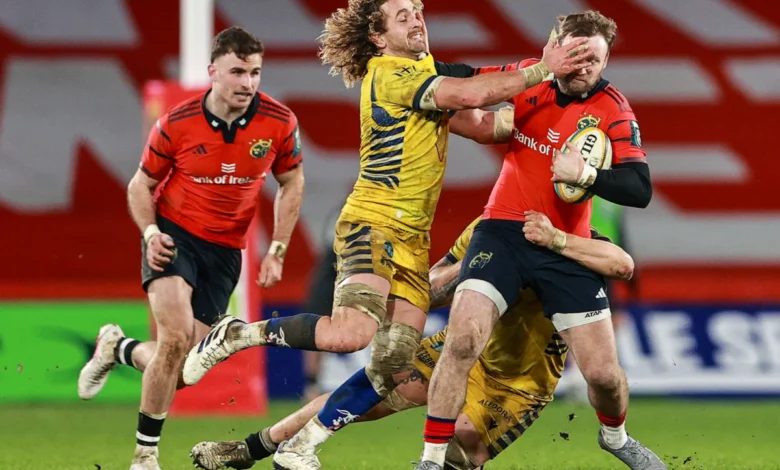
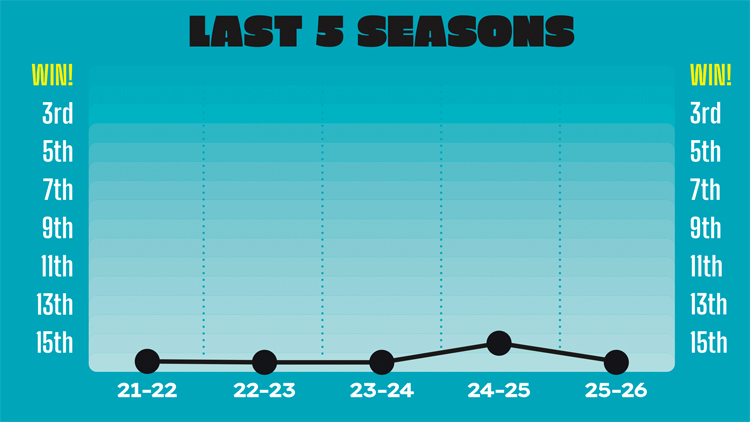
Entering a new United Rugby Championship (URC) season always presents a unique set of psychological and physical challenges for Zebre Parma, a club that has become all too familiar with the lower echelons of the league table. For a franchise that has finished in 16th place in four out of the last five campaigns, progress is measured in incremental steps rather than overnight miracles. As the Parma-based outfit prepares for the 2026-27 season, the overarching narrative remains a familiar conundrum: how can a side plagued by defensive frailties and a historically low try-scoring output climb out of the league’s basement without significant financial backing or a sprawling player market?
Yet, amidst the structural constraints and sobering reality checks, there is genuine optimism rooted in the coaching box. In Massimo Brunello, Zebre possesses an astute, highly respected head coach capable of punching above his weight class. However, as the URC prepares for its much-anticipated kick-off, experts, fans, and pundits alike are left wondering whether even Brunello’s tactical acumen can bridge the glaring quality and depth gaps that persist within this squad.
The Anatomy of a Slump: Reviewing Recent Campaign Struggles
To understand the scale of the task facing Zebre Parma ahead of the 2026-27 season, one must look back at the trajectory of the franchise over the past half-decade. Having briefly offered glimmers of hope by lifting themselves off the bottom of the table during Brunello’s debut campaign, the team suffered a deflating regression last year. The side managed a meager two victories across the entire URC season, a slump heavily exacerbated by the departures of high-profile internationals.
The exit of elite talent such as prop Danilo Fischetti, lock Andrea Zambonin, and fly-half Gerónimo Prisciantelli bit exceptionally hard, stripping the team of both technical mastery and top-tier experience. Without these foundational pillars, Zebre struggled to maintain consistency, clarity, or cohesion on the pitch.
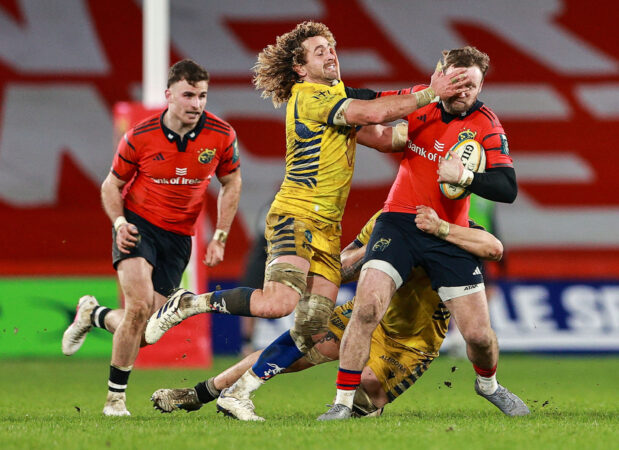
The statistical breakdown of their deficiencies last year makes for sobering reading. Defensively, the Parma franchise leaked a staggering 85 tries, exposing a systemic softness and a breakdown in structural discipline that punished them week after week. On the opposite side of the ball, their attacking output was equally anemic. Zebre crossed the whitewash just 43 times throughout the season—a tally worseed only by fellow Italian side Benetton, highlighting a chronic inability to turn possession into points.
Perhaps the most damning vital statistic from their previous campaign is that Zebre picked up a mere three try-bonus points, the joint-lowest figure in the entire competition. This metric underscores a risk-averse or ultimately ineffective attacking strategy that failed to threaten opposing defences consistently.
Financial Realities and the Talent Pipeline
Zebre Parma’s position in the rugby ecosystem is clearly defined by club president Giovanni Fava, who has openly characterized the organization as a "training franchise that offers space to Italian talent." Rather than engaging in high-stakes bidding wars for marquee foreign imports, the club’s strategy relies heavily on cultivating domestic prospects.
This philosophy is once again evidenced by the recent recruitment of four players from Padova. While this pragmatic approach aligns with the long-term strategic interests of Italian rugby—ensuring a steady pipeline of young players getting high-level exposure—it places an immense burden on the coaching staff. Critics and analysts frequently note that Brunello is essentially being asked to "make bricks from straw," given the stark disparity in squad depth between Zebre and the powerhouse franchises of Ireland, South Africa, and Scotland.
To counter these limitations, the club has injected some much-needed veteran savvy into the backline with the acquisition of experienced international Tommaso Allan. Allan’s arrival is expected to bring a calming, authoritative head to a youthful back division that has often panicked under pressure. However, whether a single seasoned playmaker can cure the chronic lack of depth across the broader 23-man matchday squad remains a central question for the upcoming season.
Key Players and the Spine of the Team
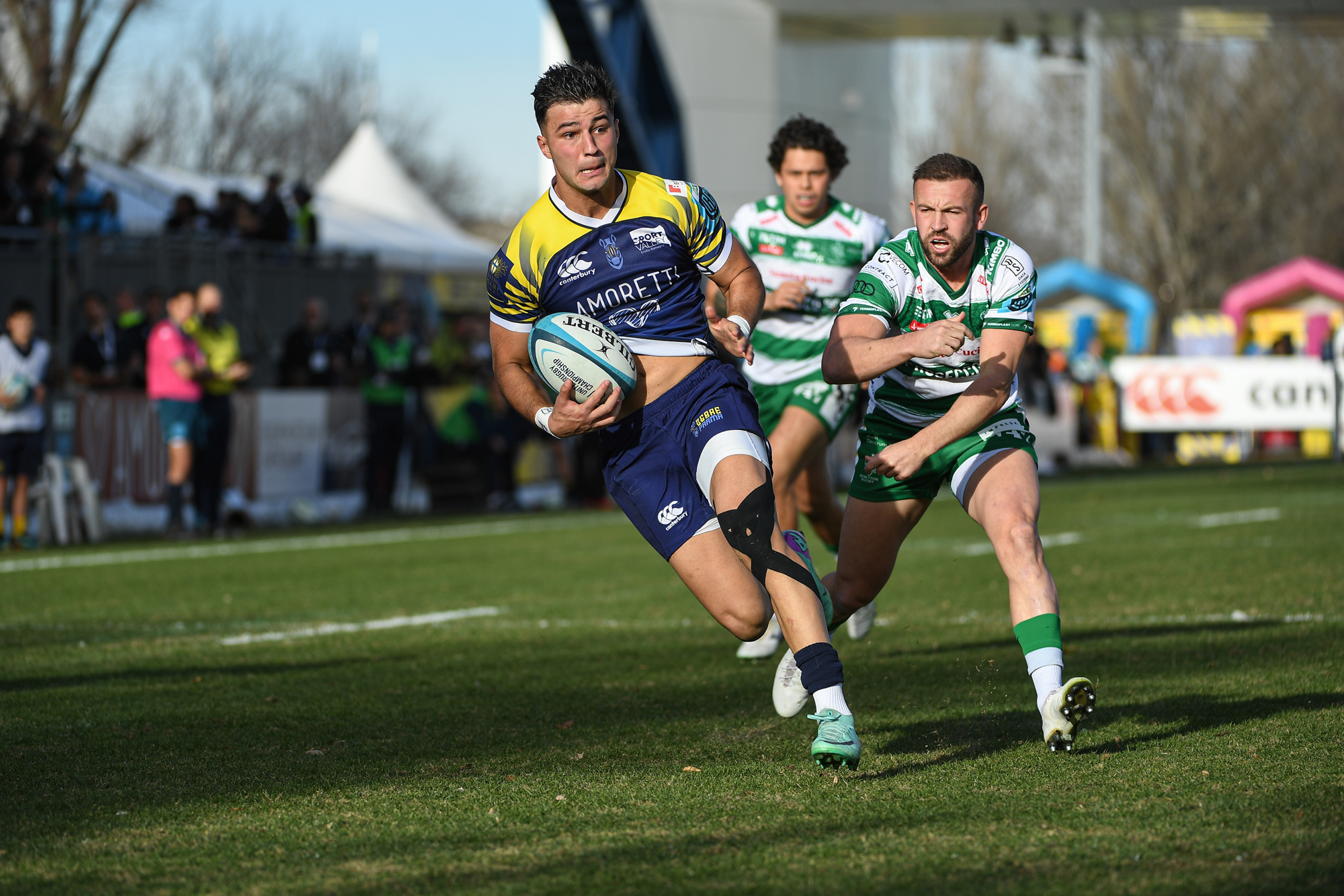
Despite the overarching structural hurdles, Zebre Parma boasts several standout individuals capable of altering the momentum of a match on any given Saturday. Chief among them is 24-year-old full-back Lorenzo Pani. Possessing searing pace, natural athleticism, and a dynamic running game, Pani has all the raw tools required to cement his status as an elite full-back in European rugby.
However, Pani’s development has occasionally been hindered by game-management gremlins, with his physical speed sometimes outrunning his tactical decision-making. The pairing of Pani with the experienced Tommaso Allan on the field could prove invaluable in this regard, providing the younger player with an on-field tutor capable of harnessing his immense potential.
In the forward pack, attention will inevitably center on No. 8 David Odiase. Having demonstrated immense power and work rate, Odiase will view the 2026-27 campaign as his definitive audition to secure a permanent, prominent role within the senior Italy national team set-up. Alongside him, front-row talents Muhamed Hasa—known for his strength and positional versatility—and the consistently impressive hooker Tommaso di Bartolomeo form a rugged nucleus for the pack.
Meanwhile, 29-year-old Argentinian back-rower Bautista Stavile serves as the unheralded heartbeat of the team. Often underestimated by external observers, Stavile’s bone-crunching tackles, relentless ball-carrying, and exceptional breakdown work make him indispensable. If Brunello can successfully synchronize the energies of Stavile, Odiase, and Samuele Locatelli, Zebre can begin building a competitive foundation directly from a hard-working back row.
Coaching Staff Evolution and Tactical Adjustments
Changes within the coaching box have added another layer of transition for Zebre Parma heading into the new term. Following Roberto Santamaria’s departure to join the Italy men’s senior national coaching set-up, Giampiero De Carli has stepped up to take charge of the scrum and forwards. De Carli’s expertise will be vital if Zebre is to stabilize a set-piece that has occasionally buckled under the physical heft of elite URC packs.
They are joined by Mattia Dolcetto, who oversees the attack, and Aldo Birchall, who carries the heavy responsibility of fixing a leaky defence that conceded over eighty tries last season. The defensive structures implemented by Birchall will be subjected to an immediate trial by fire as the URC calendar rolls out.
Outlook and Predictions for the 2026-27 Campaign
As the countdown to the URC kick-off continues, external expectations for Zebre Parma remain exceptionally modest. Bookmakers and pundits have reflected these harsh realities, casting long odds—symbolized by a 500-1 market projection—on their chances of a miraculous title charge.
With financial constraints limiting their footprint in the transfer market and a developmental mandate that prioritizes youth over instant results, avoiding the dreaded wooden spoon at the foot of the table will once again constitute a successful campaign. Yet, rugby is a game notoriously unkind to predictions made purely on paper. If Brunello can instill defensive resilience, extract consistency from his young core, and leverage the leadership of veterans like Allan and Stavile, Zebre Parma may well prove that progress cannot always be measured strictly by league points alone.