Who Is Liable When Autonomous Vehicles Fail? Electrek Readers Weigh In on AI Accountability Amid Rising Traffic Incidents

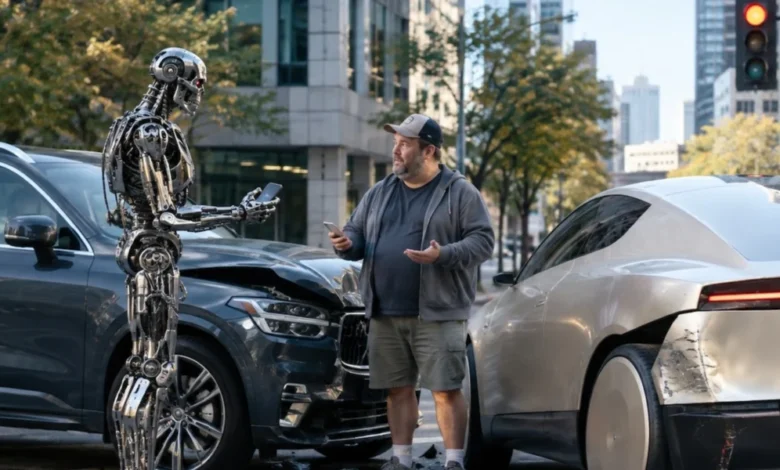
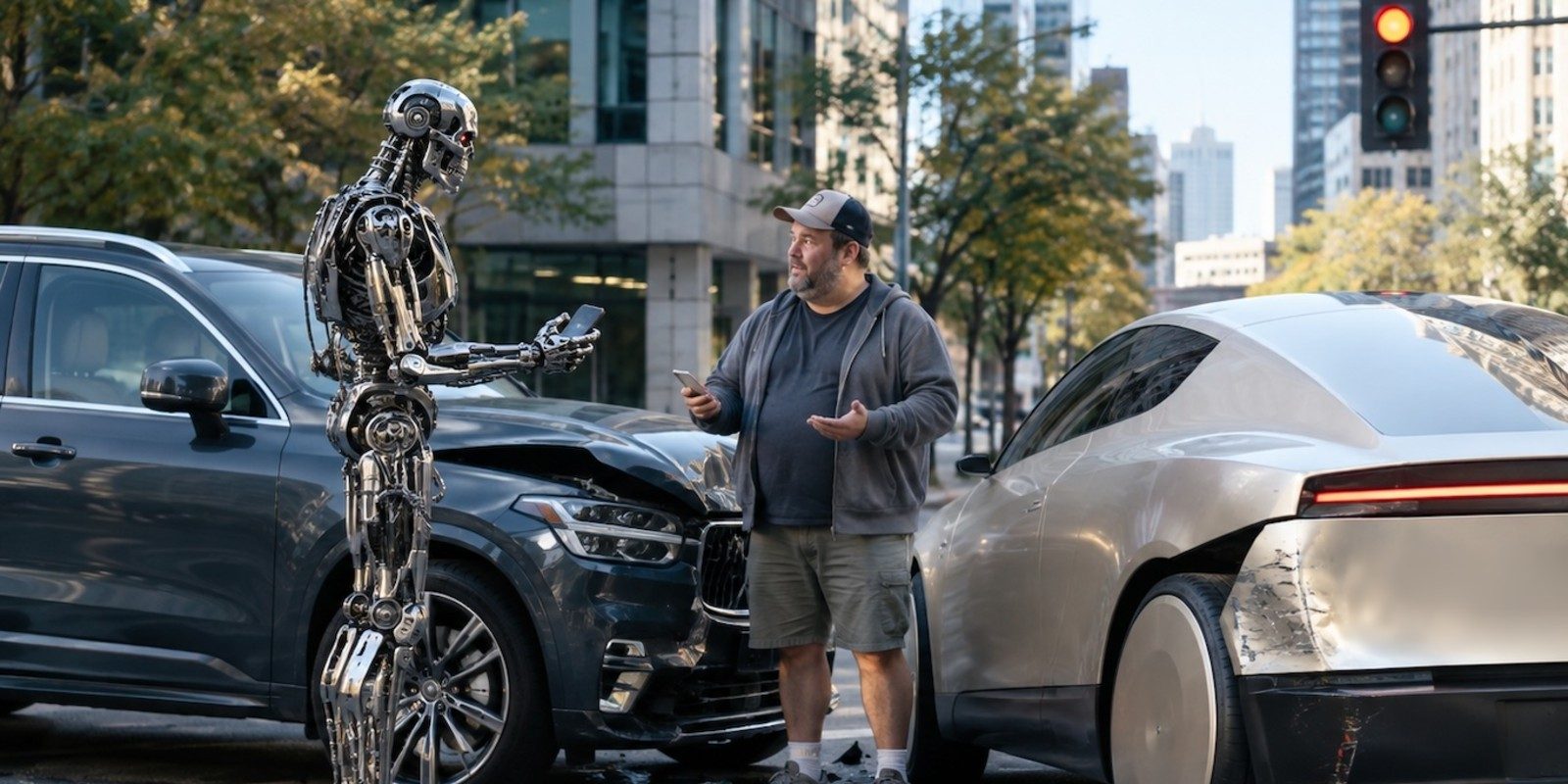
The rapid commercialization of autonomous driving technology and advanced driver-assistance systems (ADAS) has brought society to a complex legal and ethical crossroads. As automakers push to saturate public roadways with self-driving robotaxis and partially automated consumer vehicles, regulators, legal experts, and the public are grappling with an unprecedented question: When an artificial intelligence system fails and results in property damage, injury, or loss of life, where does the ultimate legal and moral responsibility lie?
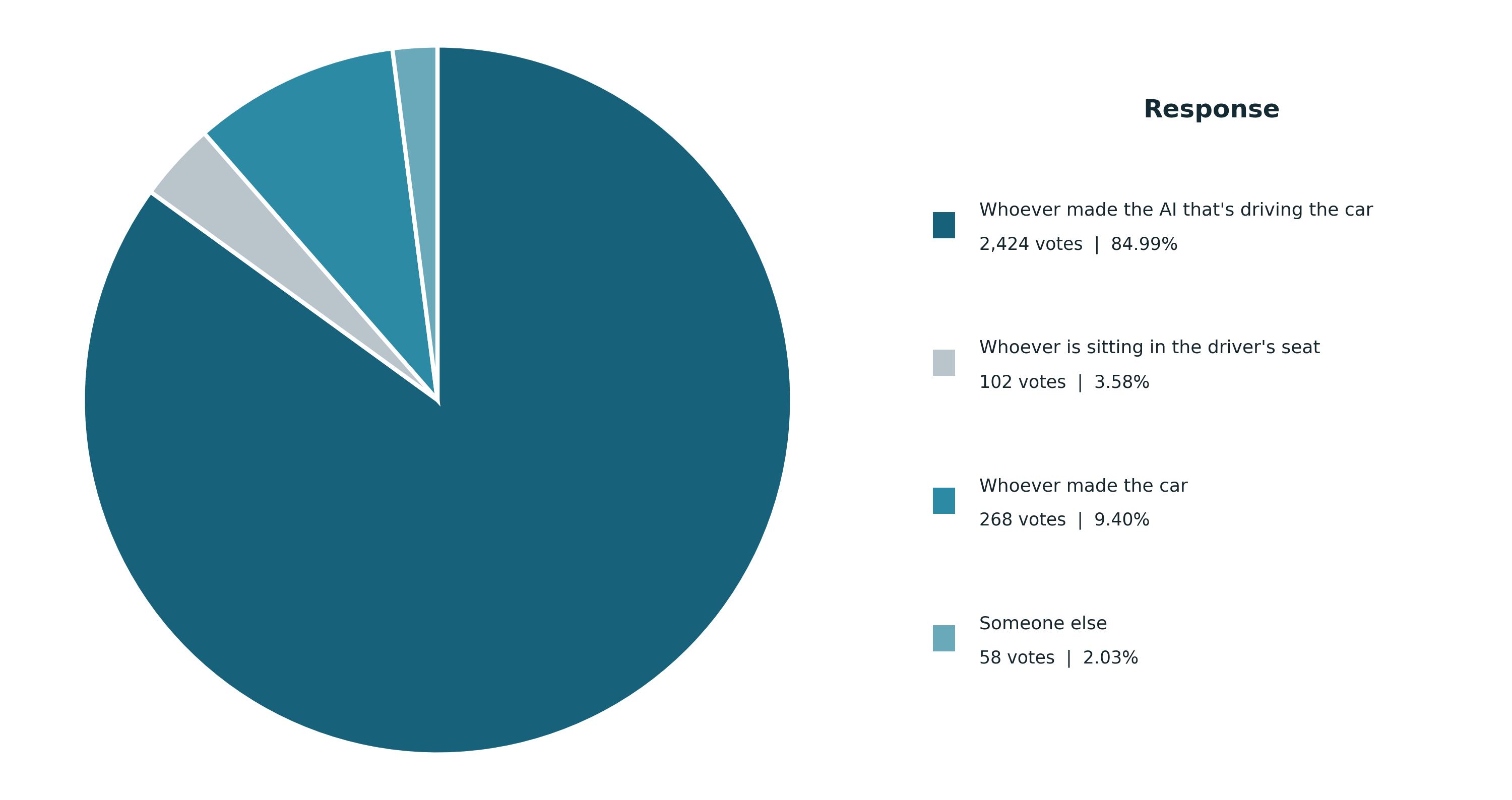
This pressing dilemma recently captured the attention of the automotive community through a comprehensive survey conducted by industry publication Electrek. Drawing nearly 3,000 responses from tech-savvy readers, the survey sought to untangle public perception regarding liability in the age of autonomous transit. The findings reveal a striking consensus among respondents, heavily favoring corporate accountability over traditional models of individual driver liability.
The survey results arrive at a critical juncture for the automotive and tech sectors, reflecting mounting public scrutiny over the real-world deployment of autonomous systems.
Background Context and Industry Milestones
The deployment of autonomous and semi-autonomous vehicles has accelerated significantly throughout the mid-2020s, transforming futuristic concepts into everyday urban realities. However, this transition has not been without friction. Recent months have seen a surge in high-profile incidents involving autonomous fleets and advanced driver-assistance systems.
Notably, July 2026 brought intense public scrutiny following a series of fatal accidents linked to Tesla’s driver-assist technologies. Simultaneously, autonomous ride-hailing services like Waymo have continued to scale operations in major metropolitan areas such as San Francisco, accumulating thousands of minor infractions, including parking citations, as the sheer density of autonomous traffic increases.
These operational growing pains coincided with major corporate milestones in the electric vehicle and autonomous sectors. Earlier in September 2026, Tesla re-unveiled its dedicated autonomous vehicle platform, the Cybercab, during a high-profile event in Austin, Texas. Just weeks later, the company announced the commencement of series production for the long-delayed Tesla Semi at its Nevada manufacturing facility.
These concurrent events—the commercial push for driverless robotaxis, the ongoing maturation of heavy electric commercial transport, and rising incident rates on public roads—created an ideal backdrop for gauging public sentiment on vehicle liability.
Breakdown of Survey Results and Public Sentiment
The Electrek sidebar survey presented respondents with a singular, provocative premise: as fatal accidents involving driver-assist features make headlines and autonomous taxis accumulate traffic citations, who should be held legally and morally responsible when an AI-driven system fails?
The voting patterns exposed a profound shift away from historical legal frameworks that place total accountability on the person behind the steering wheel.
1. The Traditional View: Driver and Owner Responsibility
A minuscule fraction of respondents—only 102 votes, or approximately 3.5%—supported the traditional personal responsibility model. This viewpoint posits that whoever occupies the driver’s seat remains ultimately accountable, arguing that human intervention is often necessary and that the occupant serves as the final safety net.
However, a more nuanced argument within the personal responsibility sphere focused on vehicle ownership rather than immediate operation. Several survey participants drew parallels to established property and tort law. Commenters argued that the registered owner of a vehicle assumes liability when putting a machine on public roadways, much like lending a conventional car to a friend who subsequently causes a collision. Under this framework, the vehicle and its owner—rather than the manufacturer—carry the burden of insurance and legal compliance.

2. The Dominant Paradigm: AI Developers and Manufacturers
In stark contrast to traditional paradigms, nearly 90% of survey respondents placed the blame squarely on the creators of the artificial intelligence software and the vehicle manufacturers.
Supporters of this viewpoint argued that modern autonomous systems function as black boxes controlled entirely by proprietary algorithms and machine learning models. Proponents of developer liability reasoned that consumers who purchase or summon a driverless vehicle possess no technical means to override, modify, or improve the underlying software code. Consequently, holding an end-user liable for a system failure beyond their control is seen as fundamentally unjust.
Many contributors advocated for a shared liability model, suggesting that responsibility should be distributed evenly between traditional automotive manufacturers and specialized AI technology developers. Because these entities increasingly operate through deep, collaborative partnerships to bring autonomous platforms to market, legal experts and consumers alike are beginning to view the hardware and software components as an indivisible unit of risk.
Legal Implications and Regulatory Challenges
The distribution of liability in autonomous vehicle accidents remains one of the most contentious areas in modern jurisprudence. Traditional liability frameworks rely heavily on concepts of human negligence, duty of care, and proximate cause. When a human driver misjudges a turn, speeds, or fails to brake, the legal system possesses centuries of precedent to determine fault.

However, artificial intelligence introduces layers of opacity known as the "black box problem." Deep learning algorithms make split-second driving decisions based on massive neural networks that can be difficult for even their creators to fully audit or explain post-accident. This complexity challenges existing product liability laws, tort law, and insurance frameworks.
Legal scholars generally categorize autonomous vehicle liability into three primary domains:
- Product Liability: Holding manufacturers accountable for hardware defects, sensor failures, or software bugs that compromise vehicle safety.
- Operational Liability: Determining whether the human occupant, the fleet operator, or the remote teleoperation center bears responsibility during active transit.
- Regulatory Compliance: Establishing government standards for geofencing, software update compliance, and safety validation before autonomous fleets are cleared for public roads.
As automakers transition from Level 2 driver-assist systems—which still require active human supervision—to fully autonomous Level 4 and Level 5 robotaxis, the legal boundary between driver and passenger dissolves entirely.
Broader Economic and Safety Impacts
The ongoing debate over AI liability carries profound implications for the commercial viability of autonomous transportation. If liability heavily burdens manufacturers and software developers, companies may face significantly higher insurance premiums, rigorous regulatory hurdles, and substantial financial exposure in the event of software-related accidents. Conversely, if liability is shifted prematurely onto consumers who have no control over algorithmic decision-making, public trust in autonomous systems could erode, stalling adoption rates.

Insurance industries are actively restructuring policies to accommodate autonomous fleets, shifting away from individual driver-based premiums toward commercial fleet policies and embedded manufacturer warranties. Meanwhile, safety advocates continue to press for standardized safety metrics, transparent reporting of disengagements, and independent auditing of autonomous driving software before commercial scaling continues.
Conclusion
The results of the Electrek survey underscore a growing public realization that existing legal frameworks are ill-equipped for the realities of artificial intelligence on public roadways. While a small minority of observers cling to traditional models of personal and driver accountability, the overwhelming majority of respondents signal a demand for corporate and technological responsibility.
As autonomous taxis multiply in urban centers and semi-autonomous trucks enter mass production, lawmakers, courts, and industry leaders face an urgent mandate to establish clear, equitable, and enforceable liability standards. Until those legal boundaries are firmly drawn, every incident involving an autonomous failure will continue to test the limits of modern jurisprudence and redefine the social contract of modern mobility.