The automotive landscape is undergoing a profound transformation as manufacturers pivot toward electrification, artificial intelligence, and localized production strategies. BMW, a cornerstone of the German automotive industry, has announced a sweeping strategic shift designed to optimize its global product portfolio. As the company integrates the new 3 Series into its lineup, it is simultaneously preparing to prune underperforming variants while introducing a high-end, US-exclusive flagship SUV that aims to cement its dominance in the premium utility segment.
A Shift Toward Market-Specific Specialization
BMW’s stated goal is to achieve a more focused, agile product portfolio. By analyzing regional consumer trends, the automaker intends to tailor its vehicle offerings to meet the distinct demands of its largest markets, including North America, Europe, and China. This recalibration is not merely about aesthetic changes or engine upgrades; it is a fundamental shift in how BMW views its manufacturing footprint.
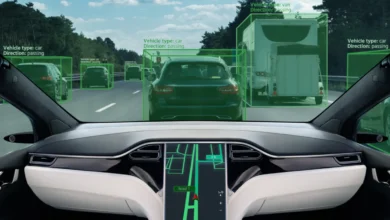
The company has explicitly announced plans to leverage artificial intelligence across its entire value chain. From the initial stages of vehicle design and engineering to the complexities of global manufacturing and the intricacies of sales and aftersales service, AI is expected to streamline efficiency and improve the user experience. By utilizing data-driven insights, BMW hopes to reduce the time-to-market for new models while ensuring that production capacity is perfectly aligned with regional demand.
The Rise of the New US Flagship
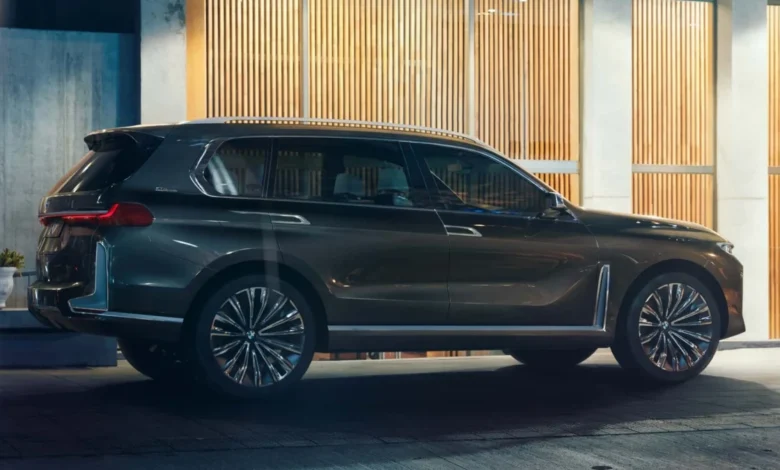
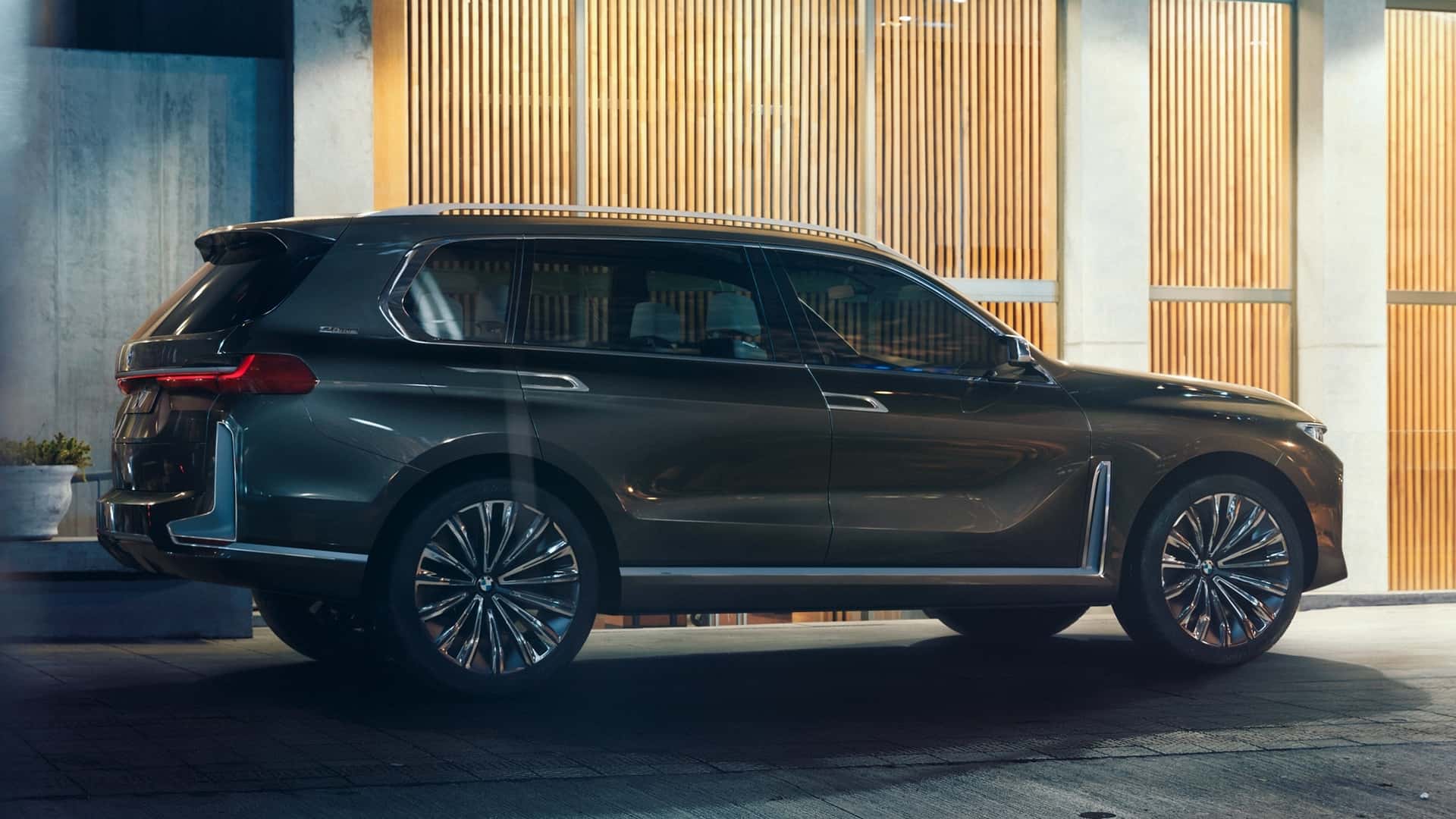
Perhaps the most significant development for the North American market is the confirmation of a new, top-tier SUV. While BMW has yet to disclose the official nomenclature, pricing, or precise technical specifications, the vehicle—internally referred to in industry circles as the X8—is positioned to sit above the current X7, which has long served as the pinnacle of the brand’s Sports Activity Vehicle (SAV) range.
The decision to introduce this model is directly linked to the booming demand for large, luxury utility vehicles in the United States. BMW’s manufacturing facility in Spartanburg, South Carolina, is currently operating at peak capacity, underscoring the necessity for a flagship model that captures the high-margin segment of the market. This new SUV is expected to blend the utilitarian benefits of an SAV with the sophisticated luxury typically reserved for the 7 Series sedan, effectively bridging the gap between the brand’s mass-market luxury appeal and the ultra-luxury territory currently occupied by the Rolls-Royce brand.
Trimming the Fat: The End of Select Nameplates
While the addition of a flagship SUV makes headlines, the secondary component of BMW’s strategy is equally critical: the systematic reduction of its model variants. As the brand transitions toward a more sustainable and electrified future, it has identified several models that no longer yield the long-term returns necessary to justify their continued development and production.
BMW has confirmed that the 2 Series Active Tourer is slated for discontinuation. This decision reflects a broader industry trend where traditional MPVs (multi-purpose vehicles) are being phased out in favor of crossovers and electrified SUVs that offer better profit margins and broader consumer appeal. Industry analysts suggest that this is merely the beginning of a broader culling process. Aging nameplates, such as the i4 and iX, as well as specific configurations of existing models, are likely to be retired as the company moves toward the next generation of modular platforms.
The Neue Klasse Era and the Future of Electrification
Central to BMW’s future is the rollout of its "Neue Klasse" technology. This flexible, all-electric architecture represents the company’s largest investment to date, designed to serve as the foundation for the next generation of BMW vehicles. The Neue Klasse platform is not restricted to premium SUVs; it is intended to scale across every vehicle segment, from the smallest compact cars to the largest luxury sedans.
In a move to cater to European preferences, BMW has announced plans for a new, fully electric entry-level model, potentially a next-generation 1 Series, slated for 2028. By introducing Neue Klasse technology into the entry-level segment, BMW aims to democratize its high-end electrical architecture, ensuring that its smallest offerings remain competitive against a tide of affordable, tech-heavy electric vehicles from both established rivals and new market entrants.
Strengthening the Chinese Market
China remains a pivotal pillar of BMW’s long-term strategy. To navigate the evolving regulatory and consumer landscape in the region, BMW is doubling down on local production. The company has set an ambitious target: by 2030, at least 95 percent of the vehicles sold in China should be manufactured and developed locally.
This localization effort is not just a logistical necessity but a strategic one. By co-developing vehicles with local partners and tailoring the software, in-car entertainment, and design elements to Chinese preferences, BMW hopes to insulate itself from global supply chain volatility and geopolitical trade frictions. The integration of Neue Klasse technology into these locally produced vehicles will be essential to maintaining the brand’s status as a leader in the Chinese premium automotive market.
Alpina: Expanding the Luxury Hierarchy
Beyond its core lineup, BMW is looking to deepen its reach into the ultra-luxury tier through its acquisition of the Alpina brand. Starting next year, BMW will introduce the first model specifically developed under the BMW-Alpina banner. Inspired by the engineering excellence of the 7 Series, this new entrant will serve as a bridge between the traditional BMW lineup and the ultra-luxury offerings of Rolls-Royce.
This move allows BMW to cater to a specific niche of enthusiasts who demand the bespoke craftsmanship and performance tuning of an Alpina, backed by the industrial might and technological support of the BMW Group. By formalizing this relationship, BMW is effectively reclaiming a segment of the market that it previously shared with an independent tuner, ensuring that the entire value chain of the vehicle remains under the corporate umbrella.
Financial and Operational Implications
The financial implications of this strategic shift are significant. By reducing the complexity of its manufacturing lineup, BMW expects to realize substantial cost savings in R&D and supply chain management. Maintaining dozens of unique variants—each with distinct engines, trim levels, and chassis setups—creates massive overhead. A "leaner" portfolio allows the company to concentrate its capital on high-growth areas like battery technology, software development, and autonomous driving features.
However, this transition is not without risk. Moving away from niche models like the 2 Series Active Tourer could alienate segments of the customer base that prioritize functionality and price point over the brand’s performance-oriented heritage. Furthermore, the reliance on the Spartanburg plant for the upcoming flagship SUV puts significant pressure on domestic operations. If demand for large SUVs in the US were to wane due to fuel prices or shifting environmental regulations, the company would be left with an over-reliance on a single, high-cost manufacturing hub.
The Road Ahead
As the automotive industry faces an inflection point—defined by the transition from internal combustion to electrification—BMW’s roadmap is one of calculated consolidation and bold expansion. The company is betting heavily that by narrowing its focus on high-volume, high-return segments, it can generate the capital needed to innovate in the software-defined vehicle space.
The next five years will be a period of intense activity for the Munich-based automaker. Between the 2028 launch of its entry-level EV, the global rollout of the Neue Klasse platform, and the introduction of its new flagship SUV, BMW is signaling that it intends to remain a dominant force in the global luxury market. Whether this streamlined approach will satisfy both the shareholders and the loyalists of the brand remains to be seen, but the company’s commitment to adapting to the unique requirements of the US, European, and Chinese markets suggests a future that is as pragmatic as it is ambitious.
By prioritizing agility, technological integration, and market-specific strategy, BMW is positioning itself to navigate the uncertainties of the next decade. As the company continues to refine its lineup, the focus will undoubtedly remain on balancing its historical identity as a "driver’s brand" with the realities of a digitized, electrified, and increasingly fragmented global automotive market.