New Peer-Reviewed Study Links Pesticide Exposure to Catastrophic Western Monarch Butterfly Die-Off

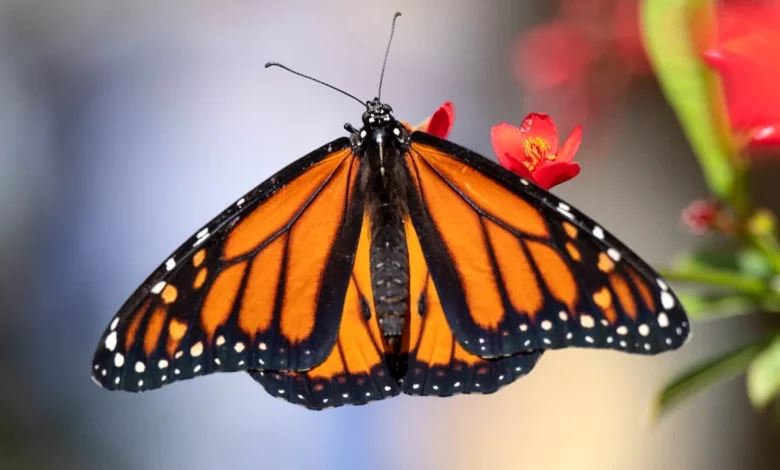
In January 2024, the Pacific Grove Monarch Sanctuary in California—a site revered as a vital overwintering haven for the Western monarch butterfly—became the scene of a biological tragedy. Researchers arriving at the site discovered hundreds of monarch butterflies dead or in the throes of dying, a discovery that has since catalyzed a rigorous scientific investigation. A new study published in the journal Environmental Toxicology and Chemistry has now formally linked this mass mortality event to acute exposure to a cocktail of neurotoxic pesticides, shedding light on the precarious state of a species already teetering on the brink of extinction.
The findings, led by the Xerces Society for Invertebrate Conservation, utilize sophisticated chemical analysis to bridge the gap between anecdotal observation and forensic evidence. By deploying liquid and gas chromatography alongside mass spectrometry, researchers identified an average of seven distinct pesticides per butterfly. This chemical profile included a lethal combination of insecticides, herbicides, and fungicides, confirming that the decline of the Western monarch is not merely a product of habitat loss or climate shifts, but is being actively accelerated by chemical contamination in the landscapes they inhabit.
A Chronology of the Crisis
The crisis in Pacific Grove was not an isolated incident but rather a sharp inflection point in a multi-year decline. The Western monarch population, which migrates along the Pacific coast of North America, has faced significant stressors for decades.
In the late 20th century, these butterflies were a common sight in California, with populations numbering in the millions. However, since the 1980s, the population has experienced a staggering 95% decline. By the time the 2024 die-off occurred, the species was already classified as endangered by the International Union for Conservation of Nature (IUCN). The discovery of the dead butterflies in January 2024 triggered an immediate environmental response, with local agencies and conservationists working to determine whether the cause was disease, predation, or chemical toxicity.
Following the collection of the specimens, the Xerces Society conducted a comprehensive toxicological screen. The timeline of this investigation reveals the difficulty in identifying chemical poisoning in migratory insects, as the butterflies may have encountered these toxins at various points along their flight path or at their overwintering destination. The publication of the peer-reviewed results in mid-2025 has finally provided the scientific community with a definitive causal link.
The Chemical Profile of the Mortality Event
The analysis conducted by the research team revealed a disturbing reality regarding the toxicity levels present in the environment. The researchers identified three specific pyrethroid insecticides—bifenthrin, cypermethrin, and permethrin—at or near their lethal concentrations in the sampled butterflies.
Pyrethroids are synthetic chemical compounds often used in both agricultural and residential settings to control a wide range of pests. Their presence in the samples was ubiquitous; every single butterfly tested contained residues of bifenthrin and cypermethrin, while all but two contained permethrin.
Staci Cibotti, a pesticide risk prevention specialist at the Xerces Society and the lead author of the study, noted that while a review by Monterey County authorities could not pinpoint the exact source of the application, the high levels of concentration indicate that these substances were the primary driver of the mortality event. The study highlights that because monarchs aggregate in such dense clusters during the winter, a single, localized application of a pesticide can lead to the instantaneous death of hundreds or even thousands of individuals, as witnessed in Pacific Grove.
Broader Implications for Pollinator Health
The implications of this study extend far beyond the Pacific Grove sanctuary. The use of pesticides is deeply embedded in modern agricultural and urban management systems, ranging from large-scale commercial farming to backyard gardening, structural pest control, and mosquito abatement programs.

This study underscores the vulnerability of migratory species. During migration and overwintering, monarchs are highly susceptible to environmental toxins. The 2024 Pacific Grove event mirrors a similar tragedy that occurred in North Dakota in 2020, where an aerial mosquito control spray resulted in a significant monarch die-off. These incidents serve as a cautionary tale regarding the lack of coordination between pest control operations and conservation efforts for endangered pollinators.
Experts suggest that the current regulatory landscape for pesticide application is insufficient to protect migratory insects. Because these butterflies cross county and state lines, their protection requires a multi-jurisdictional approach. Without such coordination, the "death by a thousand cuts"—or in this case, by a thousand chemical exposures—will likely continue to diminish the population.
Scientific Projections and Extinction Risks
The data provided by the Xerces Society’s annual Western Monarch Count paints a dire picture of the species’ future. In 2024, the count revealed the second-lowest population numbers on record. By 2025, the total number of overwintering Western monarchs had plummeted to just 9,119 individuals.
When placed against the backdrop of long-term climate modeling, the situation appears increasingly desperate. The U.S. Fish and Wildlife Service has estimated that, given current trends in habitat destruction, climate change, and chemical exposure, the Western monarch butterfly faces a 99% probability of extinction by the year 2080.
This statistical projection is not a predetermined fate, but it acts as an urgent call to action for policymakers. The loss of 9,119 butterflies is not merely a number; it represents a significant percentage of the remaining genetic diversity of the Western population. Every individual death, particularly one caused by human-introduced toxins, weakens the population’s ability to rebound during the spring breeding season.
Recommended Strategies for Mitigation
In response to the study’s findings, the Xerces Society has outlined a series of policy and educational recommendations aimed at curbing the impact of pesticides on monarch populations. The proposed strategy includes:
- Increased Public Education: Programs designed to inform homeowners, landscapers, and municipal workers about the specific risks that pyrethroids and other insecticides pose to non-target insects like butterflies.
- Pesticide-Free Buffer Zones: The establishment of protected "refuge" zones around known overwintering sites, where the application of any chemical pesticides is strictly prohibited.
- Enhanced Regulatory Oversight: A push for greater transparency and reporting requirements for public officials regarding the timing and location of mosquito abatement and pest control sprays.
- Conservation Integration: Including chemical exposure protections in all official recovery plans for endangered insects, ensuring that habitat restoration includes safeguards against chemical drift.
Emily May, the study’s co-author and agricultural conservation lead at the Xerces Society, emphasized that protecting monarchs is a dual responsibility. "Protecting monarchs from pesticides will require both public education and policy change," May stated. "We are committed to working with communities and decision-makers to ensure that overwintering sites are healthy refuges for these butterflies."
Conclusion: A Turning Point for Conservation
The 2024 Pacific Grove die-off has forced a reevaluation of how society manages chemical usage in the proximity of vulnerable ecosystems. The scientific evidence now confirms that the chemical burden placed upon the Western monarch is a primary threat to its survival.
As the species continues to face existential threats, the focus must shift from reactive observation to proactive management. The lesson of the 2024 incident is that the biological health of the environment is intimately linked to the chemical decisions made in the boardroom and the backyard alike. If the Western monarch is to survive the next several decades, the integration of toxicological awareness into environmental policy is not merely a scientific recommendation—it is a conservation necessity.
With extinction projections looming within the next half-century, the window for effective intervention is closing. The findings in Environmental Toxicology and Chemistry provide the necessary clarity for that intervention to begin in earnest, centering on the reduction of pesticide reliance and the creation of safe, chemical-free corridors for one of nature’s most iconic migratory journeys.