New Insights Into T Cell Exhaustion Reveal Potential for Enhancing Cancer Immunotherapy Through MEK Inhibition

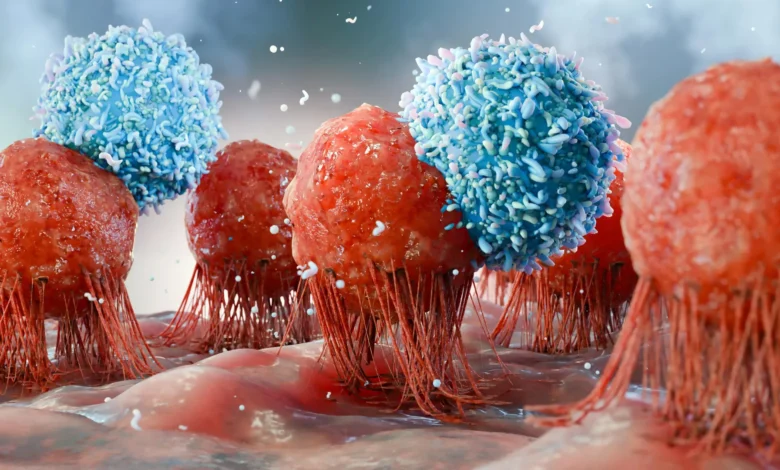
Cancer immunotherapy represents one of the most significant shifts in oncology over the past two decades, offering hope where traditional treatments like chemotherapy and radiation have failed. By leveraging the body’s own immune system—specifically T cells—to identify and eradicate malignant cells, clinicians have achieved durable remissions in patients with previously incurable diagnoses. However, a critical physiological barrier remains: the phenomenon of T cell exhaustion. When T cells are persistently stimulated by tumor antigens, they eventually lose their effector function, effectively "burning out" before the cancer is fully eradicated. A landmark study from the laboratory of Dr. Santosha Vardhana at Memorial Sloan Kettering Cancer Center (MSK), recently published in the journal Immunity, has identified a molecular signaling pathway that governs this exhaustion, offering a potential therapeutic strategy to prolong the efficacy of immunotherapy.
The core of the issue lies in the metabolic strain imposed upon the immune system. As T cells infiltrate the tumor microenvironment and attempt to manufacture cytotoxic proteins to neutralize cancer cells, they consume massive amounts of energy. When this demand exceeds the cell’s metabolic capacity, the T cell enters a state of terminal exhaustion. Dr. Vardhana and his team have pinpointed the signaling molecule MEK as the primary regulator of this "go-for-broke" metabolic strategy. By modulating MEK activity, researchers believe they can force T cells to adopt a more sustainable energy-management profile, effectively allowing them to survive longer within the hostile environment of a tumor.
The Mechanics of T Cell Exhaustion: A Metabolic Paradox
For years, the scientific community operated under the assumption that exhausted T cells were simply metabolically sluggish—starved of the necessary fuel to perform their duties. However, the MSK research team, led by first author and PhD student Dr. Tanmana Mitra, discovered that the reality is quite the opposite. Exhausted T cells are, in fact, hyper-active in their resource allocation, but they are mismanaging their "energy budget."
In cellular biology, the primary energy currency is adenosine triphosphate (ATP). The mitochondria act as the cell’s power plants, converting nutrients into this essential molecule. The Vardhana lab’s research revealed that when T cells encounter a tumor, they are signaled—largely by MEK—to prioritize the production of cancer-killing proteins at a rate that is unsustainable. This is akin to a vehicle driving at maximum throttle until the fuel tank is empty. The cells are not lacking energy; they are spending it with such reckless intensity that they reach a state of cellular depletion.
When researchers applied MEK inhibitors to these cells in laboratory models, the results were striking: the T cells began to multiply more efficiently while consuming fewer resources. By suppressing the "full-speed" signal, the T cells were able to pace themselves, preserving their functional capacity over a much longer duration. This suggests that T cell exhaustion is not necessarily an irreversible loss of function, but rather a protective "safe mode" the cell enters to avoid total collapse.
Chronology of Discovery and Research Evolution
The understanding of T cell exhaustion has evolved significantly over the last several years. In 2020, the Vardhana laboratory first began to bridge the gap between immunology and metabolism, establishing that the exhaustion program is fundamentally tied to how cells process nutrients.
- 2020: The Vardhana lab publishes foundational data identifying the metabolic processes that underpin T cell exhaustion, shifting the focus from purely genetic drivers to mitochondrial demand.
- 2021–2023: Experimental models are developed to test the hypothesis that signaling pathways—specifically the MAPK/ERK pathway, of which MEK is a component—act as the "manager" of this energy expenditure.
- 2024: Publication of the findings in Immunity, confirming that pharmacological inhibition of MEK allows for enhanced persistence of T cells in tumor-bearing animal models.
This trajectory underscores a broader trend in oncology: moving away from viewing immune cells as static units and toward understanding them as dynamic biological systems that must be managed and optimized for long-term endurance.
Clinical Implications and Therapeutic Trade-offs
The integration of MEK inhibitors into standard immunotherapy regimens requires a nuanced approach. The researchers emphasize that suppressing MEK is not a universal solution. In some patients, the immune response is already sufficiently potent to clear a tumor, and inhibiting the metabolic "drive" of those T cells could actually be counterproductive.
Dr. Vardhana employs a practical analogy: if a patient’s immune system is a car that is almost at the finish line, there is no need to change the fuel efficiency strategy. If the car is nearly out of gas, the priority is to keep the engine running as long as possible. For patients with large tumor burdens or a low initial count of tumor-infiltrating lymphocytes (TILs), the ability to "pace" the T cells could be the difference between a transient response and a durable cure.
The potential for this approach spans several existing immunotherapy modalities:
- Checkpoint Inhibitors: Already utilized in combination with BRAF and MEK inhibitors in melanoma treatment, this new research provides a biological rationale for expanding these combinations to other tumor types.
- CAR T Cell Therapy: One of the most significant challenges in CAR T cell therapy is the rapid exhaustion of the engineered cells once they are infused into the patient. MEK modulation could provide a strategy to sustain the activity of these cells in the long term.
- TIL Therapy: As adoptive cell therapy becomes more refined, the ability to "protect" these cells from exhaustion prior to or during infusion could significantly increase the success rates of these bespoke treatments.
- Bispecific Antibodies: These agents are potent activators, but their strength often triggers rapid exhaustion. A controlled, titrated inhibition of MEK could potentially mitigate this burnout without losing the therapeutic benefit of the antibody.
Expert Analysis: Balancing Potency and Persistence
The scientific community has reacted with cautious optimism. Immunologists note that the concept of "exhaustion as a protective mechanism" is a sophisticated refinement of the current dogma. By framing exhaustion as a "safe mode" rather than a terminal failure, the MSK team has provided a framework for drug development that prioritizes cellular longevity.
However, the clinical challenge remains in the timing and dosage of MEK inhibition. Because MEK is a critical component of many cellular signaling pathways, systemic inhibition can carry side effects. The goal for future clinical trials will be to determine the optimal therapeutic window—a dose high enough to delay T cell burnout, but low enough to avoid systemic toxicity and allow the T cells to still maintain a sufficient level of cytotoxic activity.
Looking Toward the Future
The findings from the Vardhana lab underscore the necessity of interdisciplinary research that merges oncology, immunology, and metabolic biology. As cancer treatment moves toward increasingly personalized protocols, the ability to "tune" the metabolic state of an individual patient’s immune system represents a significant step forward.
The research also highlights that the field of immunotherapy is moving beyond the "one-size-fits-all" approach of checkpoint blockade. We are entering an era of "immunotherapy optimization," where the goal is to fine-tune the intensity and duration of the immune response to match the specific clinical challenge presented by each patient’s tumor.
As the study moves from animal models to potential human clinical trials, the medical community will be watching closely to see if the laboratory success of MEK inhibition translates into improved patient outcomes. For those currently facing the "wisp of promise" followed by treatment failure, this research offers a compelling new pathway toward more durable and effective cancer control. The work of the Vardhana lab, supported by a multidisciplinary team of clinicians and researchers, stands as a testament to the power of basic science to redefine the boundaries of clinical medicine.
Related posts: