NASA and Industry Partners Gear Up for MAX POWER: America’s Premier Aerospace Expo and Air Show at Kennedy Space Center

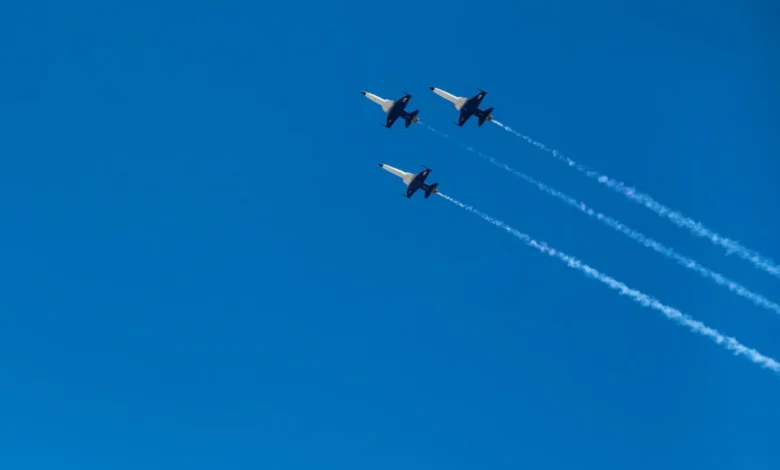
The landscape of modern aviation and deep-space exploration is set to take center stage as America prepares for its newest and most comprehensive aerospace exhibition. MAX POWER, a landmark air show and technology expo, will officially open its gates to the public on November 7 and November 8, 2026, with key events and media previews kicking off on Friday, November 6. Hosted at and around NASA’s historic Kennedy Space Center in Florida, the three-day event represents a convergence of government innovation, private aerospace ingenuity, and public engagement on an unprecedented scale.
Organized to showcase the bleeding edge of flight and interplanetary travel, MAX POWER serves as the grand finale of NASA’s recent nationwide Inspiration Tour. The tour, which traversed the country with high-profile flyovers and educational outreach initiatives, successfully engaged millions of students, aviation enthusiasts, and prospective STEM professionals. Now, the momentum culminates in Florida, where attendees will have a rare opportunity to witness firsthand the vehicles, systems, and philosophies shaping the next century of aerospace development.
Main Facts of the Exhibition
Spanning multiple interactive park experiences across the Space Coast, MAX POWER brings together NASA researchers, astronauts, engineers, and a diverse array of external industry collaborators. The exhibition floor and tarmac will feature an eclectic mix of next-generation hardware, ranging from experimental high-speed aircraft to autonomous ground vehicles and lunar exploration systems designed to support sustained human presence on other worlds.
Among the standout attractions is NASA’s revolutionary X-59 quiet supersonic research aircraft. Designed to reduce the thunderous sonic boom of supersonic flight to a gentle thump, the X-59 represents a monumental step toward the commercial viability of overland supersonic travel. Alongside the X-plane, commercial and international aerospace partners will display cutting-edge Moon rovers, advanced spacecraft modules, and sustainable aviation technologies aimed at reducing the carbon footprint of global air travel.
Public gates for the family-friendly event officially open at 9:00 a.m. Eastern Standard Time on both Saturday, November 7, and Sunday, November 8. Visitors will have unprecedented access to subject matter experts, giving families and aspiring scientists a direct line to the minds driving humanity’s expansion into the skies and the cosmos.
A Major Milestone for Deep-Space Logistics: The Moon Base Update
Beyond the visual spectacle of aerial demonstrations and static displays, MAX POWER will serve as a critical venue for high-stakes policy and mission updates. On Saturday, November 7, at 5:00 p.m. EST, NASA leadership will host a comprehensive news conference dedicated entirely to the agency’s lunar ambitions.
The focal point of this briefing will be the latest status report on the Moon Base. Strategically situated near the lunar South Pole—a region prized for its permanently shadowed craters containing water ice—the Moon Base is envisioned as humanity’s premier permanent outpost for long-term lunar exploration. As international space agencies and commercial entities race to establish a sustainable foothold on the lunar surface, NASA’s update is expected to shed light on logistical milestones, habitat architecture, power generation systems, and resource utilization strategies.
Recognizing the global interest in lunar habitation, NASA has ensured that the press conference will be accessible to audiences worldwide. Live coverage of the briefing will be streamed across multiple digital platforms, allowing space enthusiasts, researchers, and international journalists to follow the developments in real time via the agency’s dedicated broadcast network at nasa.gov/live.
Chronology and Schedule of Events
The three-day aerospace extravaganza is meticulously structured to balance rigorous technical evaluations, media briefings, and public-facing celebrations. While specific daily schedules are subject to change based on weather conditions and operational requirements, the overarching timeline reflects a robust program.
Friday, November 6, is designated as an arrival, setup, and internal preview day. While public gates remain closed, media personnel, specialized industry stakeholders, and invited guests will begin conducting technical inspections of the displayed vehicles and participating in early bilateral discussions regarding the future of flight and space infrastructure.
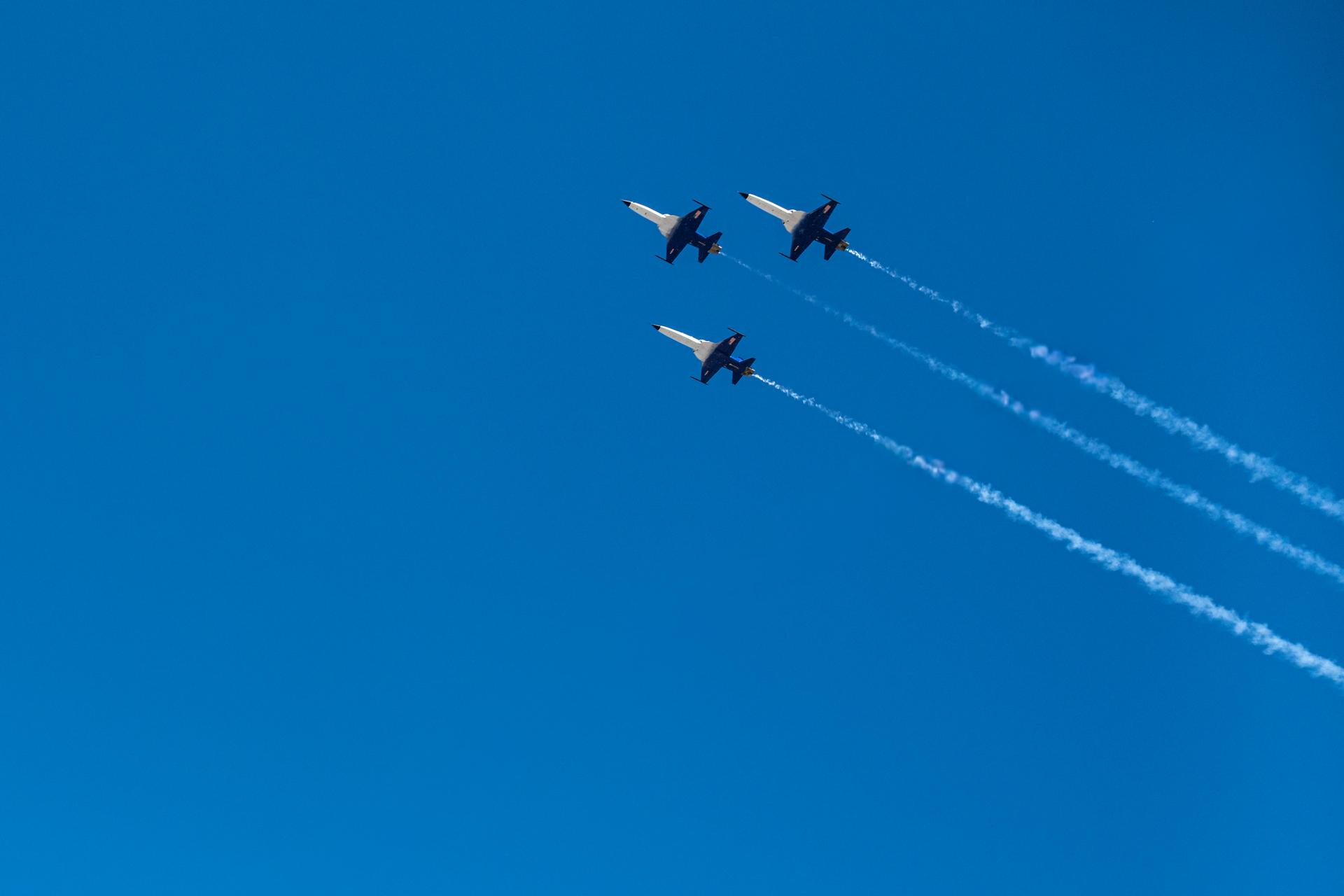
Saturday, November 7, marks the official opening of public experiences. Visitors will flood the Kennedy Space Center grounds starting at 9:00 a.m. EST to explore interactive pavilions, view cutting-edge autonomous vehicles, and inspect the X-59 supersonic aircraft up close. The afternoon will feature panel discussions with NASA astronauts and aerospace engineers, culminating at 5:00 p.m. EST with the highly anticipated Moon Base news conference.
Sunday, November 8, continues the public exhibition from 9:00 a.m. EST onward, featuring final demonstration flights, educational workshops, and interactive exhibits. Families and technology enthusiasts will have a final opportunity to interact with industry leaders before the inaugural MAX POWER expo draws to its official close.
Supporting Data and Context
The decision to host MAX POWER at the Kennedy Space Center underscores the facility’s historic evolution. Long recognized as the birthplace of American human spaceflight—from the Apollo moon landings to the Space Shuttle program—the spaceport has increasingly transformed into a multi-user spaceport. Today, it accommodates not only NASA’s heavy-lift Space Launch System (SLS) rockets but also a thriving ecosystem of commercial launch providers, research laboratories, and aerospace manufacturing facilities.
The inclusion of the X-59 aircraft highlights a renewed national focus on supersonic flight. Decades after the retirement of the Concorde and the cancellation of early American commercial supersonic projects, regulatory hurdles regarding noise pollution have kept high-speed civilian travel grounded. NASA’s Quest mission, anchored by the X-59, aims to gather the acoustic data required by regulatory bodies like the Federal Aviation Administration (FAA) and international counterparts to rewrite the rules governing overland supersonic flight. If successful, the technologies showcased at MAX POWER could pave the way for passenger air travel that cuts cross-country and transoceanic flight times in half.
Concurrently, the push toward the lunar South Pole represents a paradigm shift from the Apollo era’s "flags and footprints" approach to a sustained, industrial, and scientific presence. The data gathered from automated rovers and precursor habitats displayed at the expo will directly inform how astronauts survive harsh lunar nights, harness solar energy, and extract life-sustaining resources from lunar regolith.
Official Responses and Media Protocols
In anticipation of massive crowds and intense global media scrutiny, NASA Headquarters in Washington has established stringent protocols for press coverage. While general media credentialing for the event has concluded, approved journalists have been instructed to coordinate interview requests in advance through the NASA Headquarters newsroom, managed by communications specialists George Alderman, Cheryl Warner, and Lauren Low.
Due to anticipated high demand, physical seating within the Saturday evening news conference room is strictly limited and allocated on a first-come, first-served basis. To accommodate reporters unable to secure physical seats in Florida, NASA has arranged a robust virtual participation framework, allowing remote journalists to submit questions during the live-streamed briefing.
Broader Impact and Implications
The staging of MAX POWER arrives at a critical juncture for the global aerospace sector. As traditional aviation grapples with the imperative to decarbonize and embrace electric, hybrid, and hydrogen-powered flight, events like MAX POWER provide a vital marketplace for green aviation innovations. Autonomous delivery drones, electric vertical takeoff and landing (eVTOL) aircraft, and advanced air mobility (AAM) traffic management systems displayed by external collaborators point toward a profound restructuring of urban and regional transit.
Furthermore, the synergy between aeronautics and space exploration on display at Kennedy Space Center illustrates the growing interdependence of the two fields. Technologies developed to navigate the thin atmosphere of Mars or the vacuum of the Moon—such as advanced lightweight materials, closed-loop life support systems, and autonomous navigation algorithms—frequently find terrestrial applications that improve commercial aviation safety and efficiency.
For the aerospace workforce, MAX POWER serves as an essential recruitment and inspiration engine. By bringing the public face-to-face with the hardware of tomorrow, NASA and its partners hope to ignite the imaginations of the next generation of engineers, pilots, scientists, and programmers—the workforce that will ultimately pilot the X-59 successors and maintain humanity’s permanent habitats on the Moon and beyond.
As the countdown to November 6 continues, anticipation reaches a fever pitch across the Space Coast. With a comprehensive schedule blending educational outreach, technological revelation, and visionary deep-space planning, MAX POWER is poised to cement its legacy as a defining moment in modern aerospace history.