FAA Finally Certifies Boeing 737 Max 10 For Commercial Delivery, Bringing The Entire 737 Family Into Service

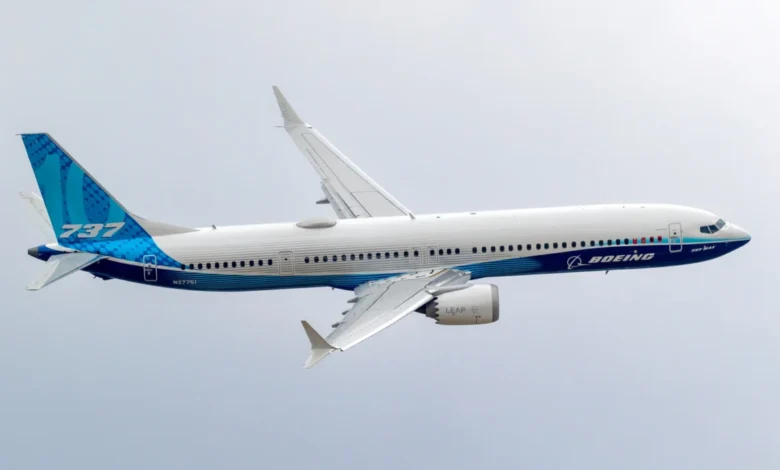
The Federal Aviation Administration (FAA) has officially granted type certification to the Boeing 737 Max 10, marking a significant milestone for the American aerospace giant and completing the certification process for the entire 737 Max product line. This regulatory approval clears the path for Boeing to begin deliveries of the largest variant of its flagship narrow-body jet, which is designed to seat up to 210 passengers in a standard two-class configuration. The certification arrives as the culmination of years of rigorous testing, scrutiny, and design modifications following the high-profile challenges that previously beset the 737 Max program.
A Long Road to Certification
The journey of the 737 Max 10 from the drawing board to the flight line has been defined by significant delays and a shifting regulatory landscape. When the aircraft first took its inaugural test flight in 2021, the global aviation industry was still reeling from the aftermath of the grounding of the 737 Max 8 and 9 fleets. The two tragic accidents in 2018 and 2019, which involved the Maneuvering Characteristics Augmentation System (MCAS), fundamentally altered the relationship between Boeing and international aviation regulators.
In response to these events, the U.S. Congress passed the Aircraft Certification, Safety, and Accountability Act in 2020. This legislation imposed far more stringent oversight requirements on the FAA and introduced new protocols for how manufacturers demonstrate the airworthiness of new aircraft. The 737 Max 10 served as a testing ground for these updated, more rigorous certification processes. Over the past five years, the aircraft has been subjected to extensive flight testing, systems validation, and software auditing. The process was further complicated by the discovery of a non-critical software anomaly concerning the aircraft’s navigation system, which Boeing engineers and FAA inspectors worked to resolve before final sign-off.
The Role of the 737 Max 10 in the Market
Boeing has positioned the 737 Max 10 as a strategic successor to the Boeing 757, aiming to capture the mid-market segment—a category often referred to as the "middle of the market." As airlines seek to optimize their fleets, the 737 Max 10 offers the lowest per-seat operating cost of any single-aisle aircraft currently in production. This economic efficiency is achieved through its high-density seating capacity and fuel-efficient CFM LEAP-1B engines.
The aircraft is designed for efficiency on short-to-medium-haul routes. While it boasts a range of approximately 3,100 nautical miles, it is optimized for high-traffic corridors where airlines prioritize moving larger volumes of passengers at a lower cost per trip. This distinguishes it from the smaller 737 Max 7, which offers a longer range of 3,800 nautical miles, making it suitable for thinner routes or operations at airports with challenging high-altitude or high-temperature conditions.
Comparative Analysis of the Max Family
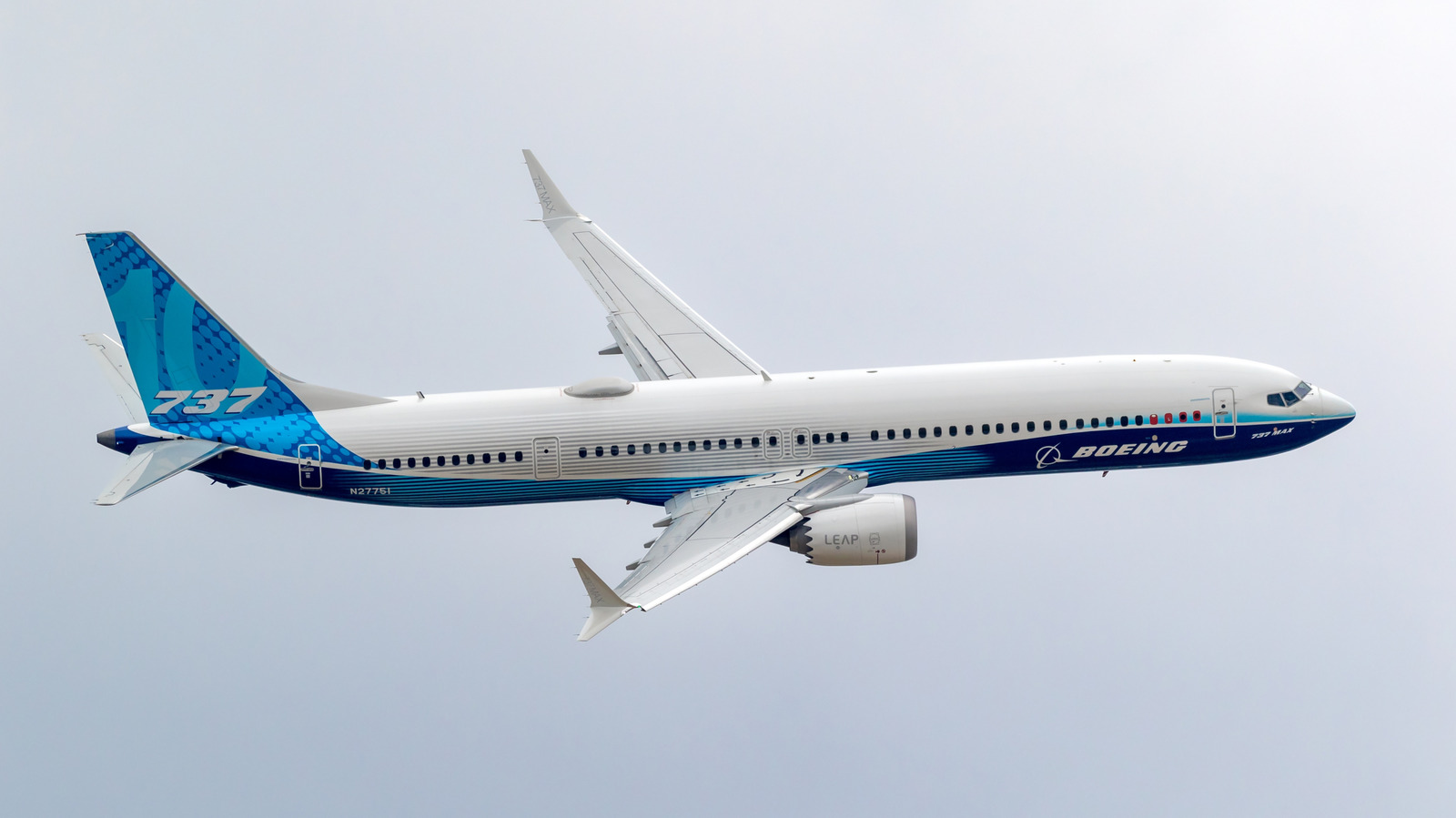
To understand the strategic importance of the Max 10, one must view it within the context of the broader 737 Max family. The fleet now consists of four distinct variants, each targeting a specific segment of the narrow-body market:
- 737 Max 7: The smallest variant, optimized for range and performance in demanding environments. It is capable of carrying up to 160 passengers.
- 737 Max 8: The foundational variant of the current generation. It serves as the workhorse for many global carriers, offering a balance of capacity (up to 180 passengers) and range (3,500 nautical miles).
- 737 Max 9: A slightly larger iteration of the 8, accommodating up to 195 passengers with a 3,300-nautical-mile range.
- 737 Max 10: The high-capacity variant, designed to compete with the upper end of the single-aisle market, accommodating up to 210 passengers.
The success of the 8 and 9 variants has solidified the 737 Max as the best-selling aircraft series in Boeing’s history. With the certification of the 10, the company can now offer a comprehensive portfolio that allows airlines to standardize their pilot training and maintenance operations across a wide range of seating capacities.
Implications for Boeing and Global Carriers
The certification of the Max 10 is widely viewed as a pivotal "win" for Boeing, which has been working to restore its reputation for engineering excellence and operational stability. Recent successes, including the FAA’s decision to allow Boeing to self-certify certain safety processes and the company’s strong performance in annual sales against European competitor Airbus, suggest a positive trend for the manufacturer.
However, the path forward remains complex. Boeing is currently managing a significant backlog of over 1,555 orders for the Max 10 alone. Canadian carrier WestJet is expected to be the first operator to receive the aircraft in early 2027, contingent upon final approval from Transport Canada. Following these initial deliveries, Boeing must scale its production lines to meet the high demand while simultaneously addressing ongoing labor and supply chain pressures.
Beyond the 737 program, industry analysts are closely monitoring Boeing’s progress with the 777X wide-body aircraft. The certification of the Max 10 provides the company with much-needed momentum as it shifts focus toward ensuring the 777X meets its own rigorous development milestones.
Regulatory and Safety Context
The FAA’s decision to certify the Max 10 underscores a transition in the industry’s approach to aircraft safety. By integrating the lessons learned from the 2018 and 2019 accidents, the FAA has moved toward a more data-centric and transparent certification model. This shift is not merely administrative; it represents a fundamental change in how aircraft software, hardware, and pilot-machine interfaces are evaluated.
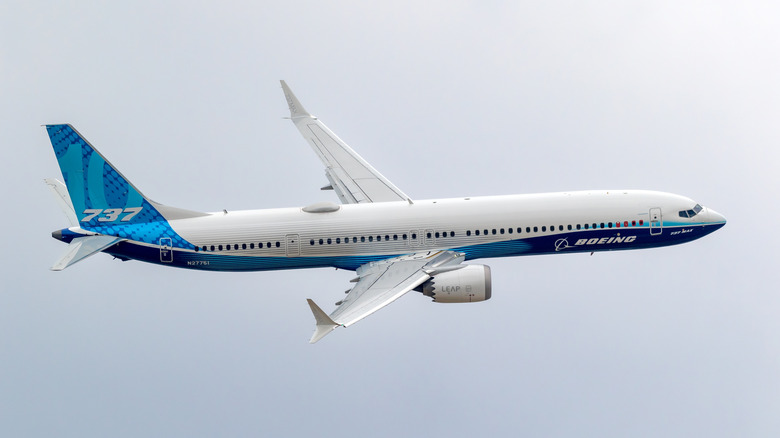
For passengers, the certification ensures that the aircraft has met the most stringent safety standards in the history of the 737 program. The resolution of the navigation system glitch, which was a point of focus during the latter stages of the certification process, is a testament to the effectiveness of these enhanced oversight mechanisms.
Future Outlook
As the global aviation market continues to recover and expand, the demand for fuel-efficient, high-capacity narrow-body jets is expected to remain robust. The 737 Max 10 offers airlines the ability to increase capacity without transitioning to more expensive wide-body aircraft, which is particularly attractive for carriers operating dense domestic or regional international routes.
For Boeing, the challenge now lies in execution. The company must demonstrate that it can maintain its production quality while accelerating deliveries to clear its massive order book. As the company continues to navigate the complexities of international regulatory environments and internal operational restructuring, the successful introduction of the Max 10 will likely serve as a defining indicator of its long-term stability and market competitiveness in the coming decade.
The certification marks not only the end of a long developmental cycle for the 10 variant but also the beginning of a new phase for the 737 family. With the full range of aircraft now approved, Boeing is better positioned to compete for fleet renewals and new orders, ensuring that the 737 remains a staple of global aviation for years to come.