How Prince William and Princess Kate Are Quietly Rewriting the Future Blueprint of the British Monarchy

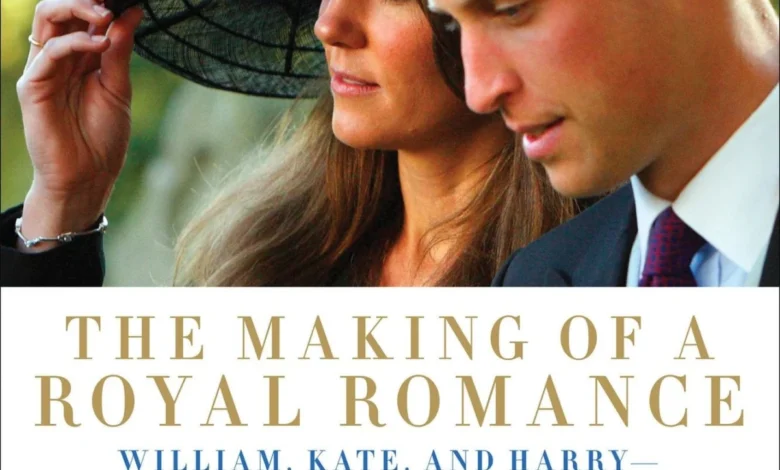
As the designated future King and Queen of the United Kingdom, Prince William and Princess Kate occupy positions under a permanent and unforgiving public microscope. Every gesture, public appearance, and policy decision is meticulously analyzed for clues about how they intend to govern when their time on the throne arrives. In recent months, however, royal commentators and insiders have begun noticing a distinct and deliberate shift in strategy. Rather than leaning into the traditional, heavily guarded institutional secrecy that has historically defined the House of Windsor’s public relations outreach, the Prince and Princess of Wales are pioneering an era of controlled openness. This evolving playbook represents a quiet yet profound revolution within the British monarchy, trading aloof pageantry for authentic, relatable engagement while steering clear of performative spectacle.
The contours of this new approach have become increasingly visible through a series of calculated, modern public engagements. Observers point to moments like Prince William’s candid appearance on Travis and Jason Kelce’s wildly popular podcast, or the couple’s strategic navigation of the media landscape, as proof that the future monarchs are actively upping their game. Rather than relying solely on traditional press releases and stoic balcony appearances, William and Kate are deploying a stealth mission to inject sparkle and relevance into the ancient institution. Their goal is to deliver sweeping generational change from a position of grounded humility, ensuring that the monarchy remains viable, respected, and deeply connected to an evolving British public in the twenty-first century.
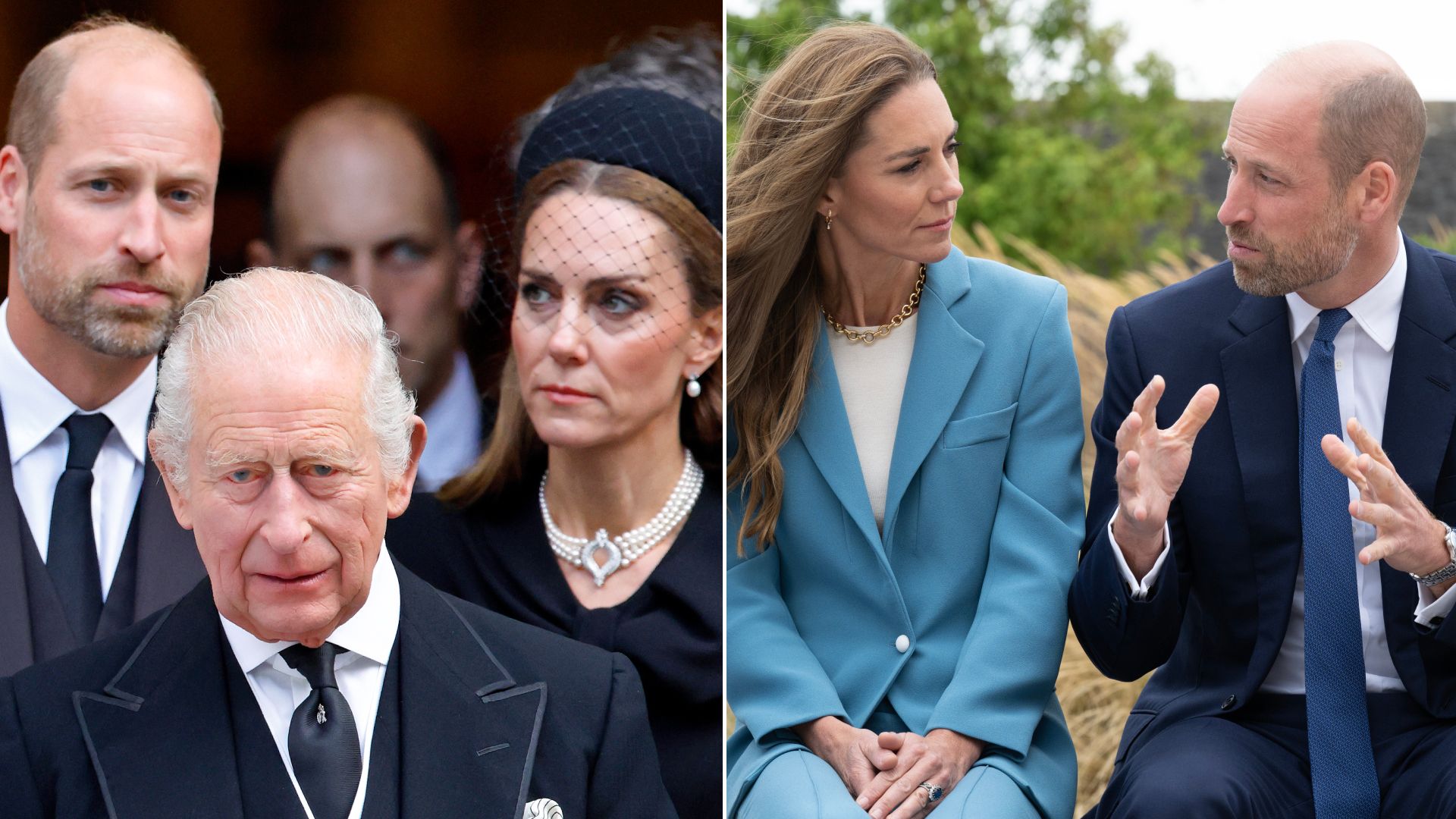
Deconstructing the Shift: From Institutional Secrecy to Controlled Openness
For decades, the standard operating procedure for the British Royal Family was governed by a strict adherence to distance and mystique. The mantra—frequently attributed to Queen Elizabeth II—was often summarized as "never complain, never explain." This strategy worked brilliantly to preserve a sense of untouchable majesty during the twentieth century, creating a buffer between the sovereign and the shifting tides of public opinion. However, in an era dominated by instantaneous social media and a cultural hunger for radical transparency, institutional secrecy frequently backfires, breeding suspicion and alienating younger demographics.
Prince William and Princess Kate appear to have recognized this critical vulnerability. According to royal analysts reporting for the Daily Mail, the couple is systematically dismantling the rigid walls of the traditional palace PR machine. Instead of hiding behind layers of court circulars and formal spokespeople, they are opting for "controlled openness." This nuanced strategy allows them to retain their necessary privacy and security while simultaneously offering the public genuine glimpses into their personalities, challenges, and passions.
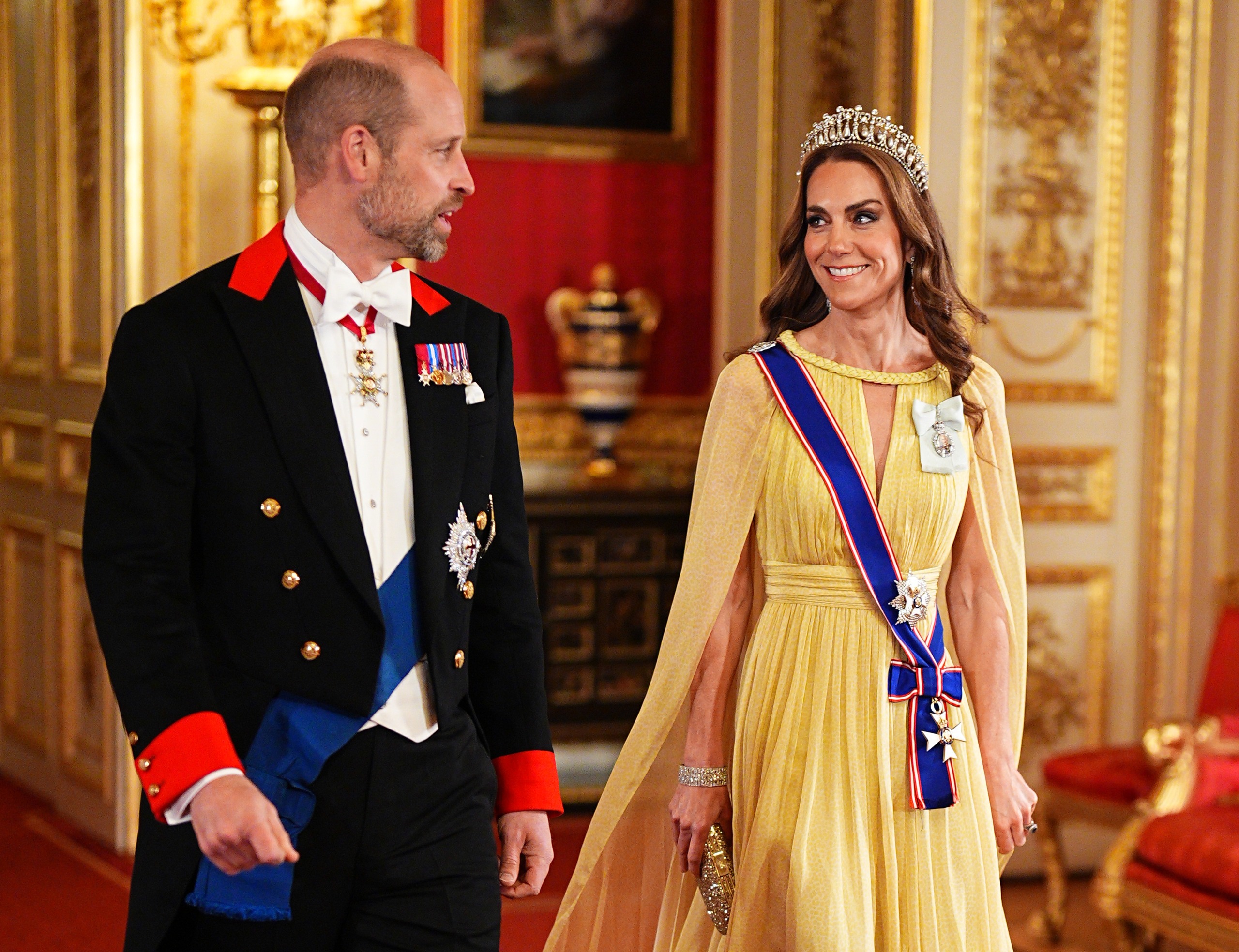
This modern philosophy was underscored in a recent BBC documentary titled Thank You Sir Kev, which celebrated the extraordinary charitable endeavors of rugby legend and coach Sir Kevin Sinfield. In the documentary, Prince William offered a rare and revealing meditation on modern leadership, remarks that royal insiders suggest serve as a personal manifesto for the future king himself. Discussing Sinfield’s relentless yet unassuming fundraising efforts for motor neurone disease research, William noted the vital importance of humility in a hyper-connected age.
"That lack of ego is really important in a world that everyone wants to show how amazing they all are," Prince William observed in the documentary. "I think Kevin does it very quietly, very subtly and just doesn’t want to be the center of attention but ultimately has a huge impact."
The prince expanded on these thoughts, delivering a pointed critique of modern social media culture and performative activism. "I think that’s a really important lesson for the world to realize: you don’t have to be all social media everywhere, loud, whatever," William said. "There are a lot of ways you can show leadership that still delivers the important things we care about."
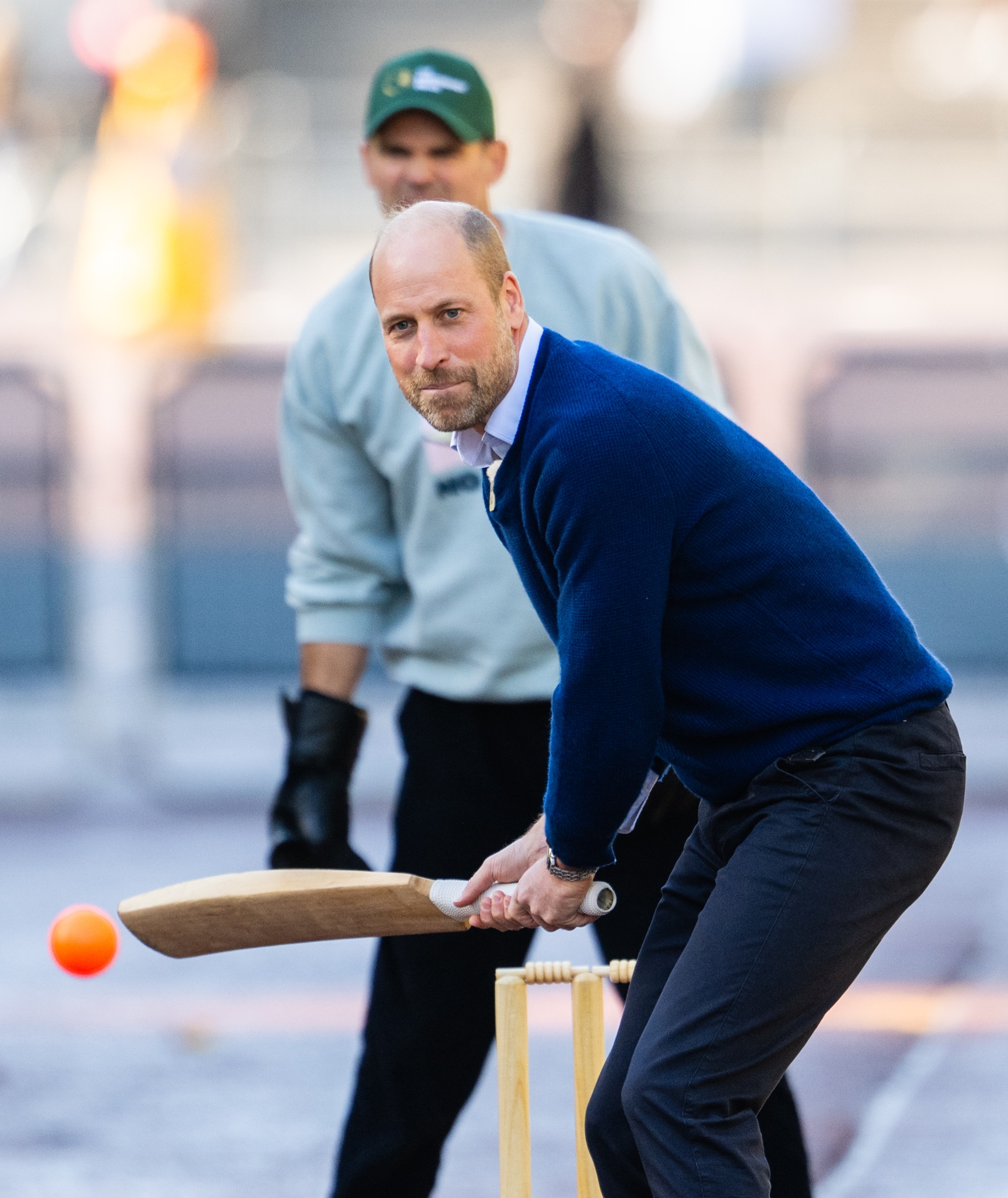
These words provide a profound window into William’s psychological approach to kingship. Rather than chasing viral moments or courting superficial popularity, he is prioritizing substance, longevity, and quiet competence. It is a philosophy that seeks to modernize the Crown without reducing it to the level of digital noise that characterizes much of modern celebrity culture.
A Timeline of Modernization: How William and Kate Are Redefining Royal Roles
The evolution of the Prince and Princess of Wales’s public strategy did not happen overnight; it has been forged through years of calculated adaptation, personal growth, and external pressures. To understand where the monarchy is heading, it is necessary to examine the chronological progression of William and Kate’s public-facing roles over the past decade.
Phase One: The Traditional Foundation (2011–2018)
Following their globally watched wedding in 2011, Prince William and the then-Duchess of Cambridge initially stepped into their roles by following the well-established templates laid down by older generations. Their early years were characterized by traditional royal tours, ribbon-cutting ceremonies, and a heavy focus on foundational patronages. During this period, their media strategy remained strictly conventional. They offered rare interviews, maintained a formal distance from the press outside of authorized photo calls, and kept their family life fiercely protected. While successful in establishing their baseline popularity, this era relied heavily on the traditional "figurehead" reputation that William would later seek to dismantle.
Phase Two: The Digital Pivot and Mental Health Advocacy (2018–2020)
As digital media reshaped the global communication landscape, William and Kate recognized the need to modernize their outreach. This era was marked by the launch of their joint Heads Together mental health initiative alongside Prince Harry. By speaking openly about the psychological pressures of grief, fatherhood, and public life, the couple began to chip away at the stiff upper lip tradition. They launched their official social media channels, offering curated yet warmer insights into their family life with Prince George, Princess Charlotte, and Prince Louis. This period also saw Kate launch pioneering early childhood development initiatives, cementing her role as a substantive policy-driven royal rather than a mere style icon.
Phase Three: The Pandemic and the "Zoom" Era (2020–2022)
The COVID-19 pandemic forced an unprecedented restructuring of royal communications. With physical walkabouts and traditional engagements rendered impossible, the Prince and Princess of Wales successfully pivoted to digital communication. Utilizing video conferencing platforms, they conducted virtual engagements with frontline workers, school children, and isolated communities. This period acted as a forced accelerator for their modern PR strategy. It proved that royal figures could appear approachable, technologically literate, and deeply empathetic without needing the pomp of physical pageantry.
Phase Four: The Transition to the Wales Titles and Global Expansion (2022–Present)
Following the passing of Queen Elizabeth II and the accession of King Charles III, William and Kate assumed the titles of Prince and Princess of Wales. This elevation marked a definitive shift into the upper echelons of state leadership. Rather than pulling back into heightened formality, the couple doubled down on strategic modernization. William launched the Earthshot Prize, taking his environmental advocacy onto a major global stage with an entrepreneurial, solutions-oriented framework. Concurrently, both royals began embracing unexpected media platforms—ranging from podcast appearances to surprise cameos and cultural crossovers—solidifying a blueprint for a monarchy that is accessible, purposeful, and deeply integrated into contemporary cultural conversations.
Shedding the "Figurehead" Reputation
One of the most persistent criticisms historically leveled against the British monarchy has been its detachment from the everyday realities of ordinary citizens. Royal palaces have frequently been viewed as ivory towers—grand, beautiful, but ultimately insulated from the economic and social struggles faced by the taxpayers who fund them.
Prince William’s recent actions indicate an aggressive push to dismantle this reputation. Commentators note that the future king is determined to shed the passive, ornamental image of a traditional figurehead by "rolling up his sleeves and getting stuck into the work he believes in." This hands-on ethos has manifested in various ways, from William sleeping rough on London streets to raise awareness for youth homelessness through his Homewards initiative, to his active, personal involvement in shaping environmental policies through the Earthshot Prize.
Similarly, Princess Kate has used her platform to champion causes requiring sustained, behind-the-scenes intellectual labor rather than mere ribbon-cutting. Her work through the Royal Foundation Centre for Early Childhood has positioned her as a serious academic advocate, collaborating with scientists, economists, and global leaders to transform societal approaches to the first five years of life. By anchoring their public profiles to deep, data-driven systemic issues, William and Kate have ensured that their royal duties are defined by utility rather than utility alone.
Furthermore, their willingness to step outside the traditional royal bubble is evident in their selective media appearances. Whether it is William discussing mental health on popular podcasts, or participating in unexpected cultural crossovers, the couple understands that to remain relevant to younger generations, they must meet the public where they are, rather than expecting the public to come to them via archaic channels.
Supporting Data and Public Perception Metrics
The success of any royal PR strategy is ultimately measured by public sentiment and institutional longevity. While anti-monarchy sentiment has found a vocal platform in recent years, polling data consistently indicates that Prince William and Princess Kate remain the most popular and trusted members of the British Royal Family.
According to regular tracking polls conducted by organizations such as YouGov, the Prince and Princess of Wales routinely enjoy favorable approval ratings hovering well above 60% to 70% across most demographics. Crucially, their support is significantly stronger among younger age cohorts—traditionally the demographic most skeptical of hereditary institutions. Sociologists attribute this demographic advantage to the couple’s modern parenting style, their vocal advocacy for mental health, and their perceived authenticity.
Data regarding the economic and cultural impact of their patronages also reveals strong institutional health. For instance, the Earthshot Prize has successfully mobilized millions of pounds in funding for environmental innovators across the globe, proving that the royal brand can act as an effective economic catalyst for good. Similarly, Princess Kate’s early childhood initiatives have driven measurable legislative and conversational shifts regarding maternal health and early years education in the UK.
Implications and Fact-Based Analysis of the New Blueprint
The strategic pivot executed by Prince William and Princess Kate carries profound implications for the future of the British constitutional monarchy. By moving away from the rigid, untouchable mystique of the twentieth-century Firm, the couple is consciously redefining the social contract between the Crown and the British people.
There are, however, inherent risks to this modernized approach. By inviting greater familiarity and adopting a posture of "controlled openness," the royals risk eroding the very aura of exceptionalism that has historically shielded the monarchy from political turbulence. When a royal figure becomes too relatable, they risk being dragged into the partisan fray or subjected to the fickle standards of modern celebrity culture. Furthermore, managing the boundaries of "controlled openness" requires exquisite precision; a misstep in tone or an overexposure on entertainment platforms can quickly diminish the gravity required of a future head of state.
Yet, weighed against the alternative—stagnation and irrelevance in a rapidly modernizing world—the strategy pursued by William and Kate appears not only prudent, but essential. By grounding their authority in competence, humility, and authentic engagement, they are constructing a resilient blueprint for the monarchy. They are demonstrating that a four-hundred-year-old institution can survive and thrive in the digital age, provided it is willing to listen, adapt, and roll up its sleeves in service of the public good.
As the royal family looks toward the horizon, the message from the Prince and Princess of Wales is clear: the crown of the future will not be sustained by passive majesty, but by active, ego-free leadership that proves its worth every single day.