Can You Put Baby Bottles in the Dishwasher? A Comprehensive Guide to Infant Feeding Hygiene and Safety

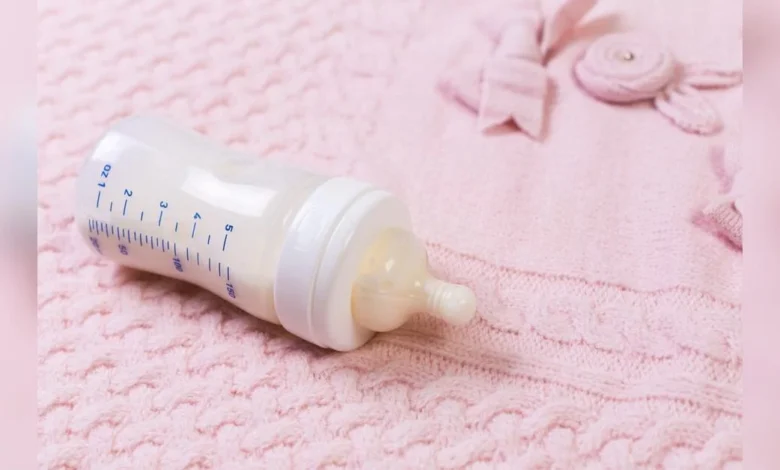
For new parents balancing the exhaustive demands of infant care, household maintenance, and daily labor, the kitchen sink can quickly become an overwhelming obstacle course of discarded silicone nipples, milk-residueed pump parts, and glass bottles. The question of whether modern dishwashers can reliably handle infant feeding equipment is more than a matter of convenience; it intersects with water conservation, appliance efficiency, and, above all, infant health and safety. While many contemporary bottle manufacturers design their products to withstand automatic dishwashing, the practice requires careful navigation of material science, machine specifications, and thermal disinfection standards.
Understanding the mechanics of modern dishwashers, the vulnerabilities of various feeding components, and the distinction between standard cleaning and true sanitization is essential for establishing a safe, sustainable household routine. As pediatric guidelines continue to emphasize the importance of rigorous hygiene during a baby’s vulnerable early months, parents must weigh the water-saving benefits of full-cycle machine loads against the potential risks of warping, chemical residue, and inadequate thermal exposure.
The Evolution of Infant Feeding Hygiene and Dishwasher Capabilities
The debate surrounding dishwasher safety for baby bottles is rooted in the evolution of both kitchen appliances and manufacturing materials. Decades ago, boiling pots of water on the stove was the universal standard for sterilizing infant gear. While effective, traditional boiling is labor-intensive, water-heavy, and hard on delicate plastics. With the advent of energy-efficient dishwashers featuring high-temperature wash cycles and targeted spray arms, appliance manufacturers began engineering products to handle more sensitive items.
Concurrently, the baby products industry transitioned away from older, potentially harmful chemical compositions—most notably bisphenol A (BPA)—toward advanced, heat-resistant polymers, medical-grade silicone, and borosilicate glass. These modern materials are theoretically capable of enduring the mechanical stress and elevated temperatures of an automatic dishwasher. However, "dishwasher-safe" designations are not uniform across the industry. A label indicating that a bottle body can survive a top-rack cycle does not automatically extend to fragile venting systems, delicate anti-colic valves, or the microscopic pores of silicone nipples.
Main Facts: What "Dishwasher-Safe" Actually Entails
When a manufacturer labels a baby bottle or breast pump component as dishwasher-safe, it signifies that the item has been tested to withstand repeated exposure to hot water, mechanical washing action, and commercial detergents without structural degradation, warping, or leaching harmful substances. However, professional home economists and pediatric safety experts emphasize that "dishwasher-safe" pertains strictly to durability, not necessarily to infant-grade sanitization.
A standard dishwasher cycle uses water jets, detergent, and thermal energy to remove food soils, fats, and proteins from dish surfaces. For adult dishware, this level of cleanliness is sufficient. For infants—particularly newborns, premature infants, or those with compromised immune systems—removing visible residue is only the first step. Pathogens such as Cronobacter sakazakii, Salmonella, and various molds can thrive in residual milk proteins left inside narrow bottle necks or tiny valve slits. Consequently, relying on a standard dishwasher cycle without verifying its thermal capabilities can leave invisible microbial threats intact.
Chronology and Regulatory Context of Infant Feeding Safety
The standards governing infant feeding equipment maintenance have tightened significantly over the last twenty years. Historical pediatric guidance universally mandated boiling all bottles and nipples for the first several months of life. As automatic dishwashers became ubiquitous in industrialized nations, health agencies such as the Centers for Disease Control and Prevention (CDC) adapted their guidelines to accommodate modern appliances, provided specific operational criteria are met.
According to contemporary CDC guidelines, sanitizing feeding items is particularly crucial for infants under two months old, premature infants, or babies with weakened immune systems. If a dishwasher is utilized for this purpose, it must feature a designated "sanitize" cycle—typically involving a heated final rinse that reaches temperatures of at least 150 degrees Fahrenheit (65 degrees Celsius) or higher—or a steam-drying phase capable of destroying common foodborne pathogens. For older, healthy infants, thorough cleaning via a dishwasher or meticulous hand-washing is generally considered sufficient by pediatricians, provided the equipment shows no signs of wear, cracking, or persistent residue.
Supporting Data: Environmental and Efficiency Metrics
From a sustainability perspective, evaluating the choice between hand-washing and machine-washing reveals nuanced environmental trade-offs. According to environmental research on household resource consumption, running a modern, Energy Star-certified dishwasher with a full load often consumes significantly less water than washing an equivalent volume of dishes by hand under a running tap. While hand-washing can be efficient if using a filled basin, empirical studies demonstrate that individuals washing dishes manually often let the tap run continuously, wasting gallons of heated water per session.
However, these efficiency gains depend entirely on load management. Running a half-empty dishwasher solely to clean two baby bottles defeats the appliance’s conservation benefits. Furthermore, if a mixed household load introduces greasy pots and pans that redeposit oils onto silicone nipples, parents are forced to re-wash the items manually, doubling resource consumption and accelerating wear and tear on sensitive equipment. To maximize both ecological and economic efficiency, households typically benefit from accumulating a dedicated "baby-only" load or utilizing compact, countertop bottle-washing appliances specifically engineered for low-volume, high-efficiency infant gear sanitation.
Statements and Expert Perspectives from Pediatric and Appliance Authorities
Pediatricians and child health specialists consistently urge parents to balance convenience with uncompromising vigilance regarding infant gastrointestinal health.
"The primary hazard of using a standard family dishwasher for baby bottles is cross-contamination and inadequate thermal exposure," explains Dr. Elena Rostova, a board-certified pediatrician specializing in pediatric infectious diseases. "Parents often assume that if a machine feels hot to the touch, it is sterilizing the equipment. In reality, food residues from dinner plates can aerosolize and redeposit onto silicone nipples, and if the machine lacks a certified sanitize cycle, harmful bacteria can survive on those surfaces."
Appliance manufacturers echo the need for precise operational habits. Consumer safety engineers advise that dishwasher placement is paramount. Most infant bottle components—especially lightweight plastic parts and silicone nipples—must be secured on the top rack of the dishwasher. The bottom rack is positioned closer to the heating element, where temperatures can spike beyond the melting point or deformation threshold of sensitive infant plastics, releasing microparticles or ruining the structural integrity of anti-colic valves.
Broader Impact and Practical Implications for Modern Households
The daily management of infant feeding equipment has profound implications for parental mental health, domestic labor division, and household economics. The "mental load" associated with ensuring that a baby’s feeding apparatus is sterile, functional, and ready for the next scheduled feed can contribute significantly to postpartum exhaustion.
When appliances fail to clean thoroughly—leaving a cloudy film on plastic bottles or trapping old milk in inaccessible crevices—parents are often forced to replace equipment prematurely. This premature disposal not only increases household expenditures on baby supplies but also contributes to the growing volume of plastic waste in municipal landfills.
To mitigate these challenges, many modern families have adopted a hybrid operational model. This approach involves utilizing the main dishwasher for durable glass and hard-plastic bottle bodies during large evening cycles, while reserving manual washing with specialized, fragrance-free soaps and dedicated brushes for delicate nipples, straws, and breast pump membranes. Alternatively, the rising popularity of dedicated countertop baby bottle washers—which integrate automated washing, high-temperature steam sanitization, and forced-air drying into a single closed system—reflects a growing market demand for appliances tailored specifically to the unique hygiene requirements of infant care.
Best Practices for Safe Dishwasher and Manual Cleaning Routines
To ensure that whichever cleaning method a household chooses remains safe, effective, and sustainable, experts recommend adhering to a standardized protocol:
- Immediate Disassembly and Rinsing: Disassemble all bottles, nipples, collars, valves, and pump parts immediately after use to prevent milk proteins from drying and hardening inside narrow channels. Rinse components under lukewarm water to remove gross soil.
- Strategic Loading: When using a dishwasher, place bottle bodies and collars securely on the top rack to avoid extreme bottom-element heat. Utilize specialized dishwasher baskets for small parts like nipples and vent disks to prevent them from falling onto the heating element.
- Verification of Sanitization Cycles: Confirm that the dishwasher’s sanitization setting reaches the necessary time and temperature thresholds specified by the manufacturer. If the appliance lacks a true sanitize function, supplement the wash with a dedicated boiling or steam-sterilization step, particularly for infants under two months old.
- Inspection and Maintenance: Regularly inspect all silicone and plastic components for signs of cloudiness, micro-cracks, persistent odors, or structural degradation. Replace nipples and valves at the first sign of wear, as compromised surfaces harbor bacteria regardless of cleaning efficacy.
- Hygienic Drying and Storage: Ensure all items are completely air-dried on a clean, designated drying rack or mat before reassembly. Avoid using dish towels, which can transfer lint and ambient bacteria to freshly sanitized surfaces. Always wash hands thoroughly before handling clean feeding equipment.
Conclusion
Ultimately, deciding whether to put baby bottles in the dishwasher is not a binary choice, but a tactical decision that depends on equipment labeling, appliance capabilities, and household routines. By understanding the technological limitations of standard wash cycles, respecting the structural thresholds of modern feeding materials, and maintaining rigorous hygiene standards, parents can successfully integrate the convenience of modern dishwashing into a safe, sustainable, and reliable infant care regimen.
Related posts: