Turning Cafeterias into Classrooms: How Schools Are Tackling the Massive Problem of Food Waste

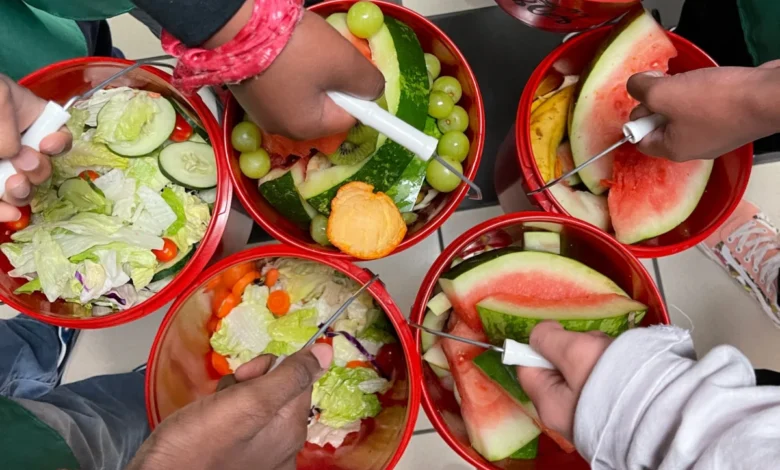
In the United States, the K-12 education system faces a significant environmental and logistical challenge: approximately 40 percent of the food served in school cafeterias never reaches a student’s stomach. This equates to an estimated 530,000 tons of food waste annually. Beyond the sheer volume of discarded meals, the environmental footprint is substantial, contributing to an estimated 1.9 million metric tons of greenhouse gas emissions each year. As food decomposes in landfills, it releases methane, a potent greenhouse gas that traps heat in the atmosphere far more effectively than carbon dioxide. Recognizing the severity of this issue, organizations like the World Wildlife Fund (WWF) have launched initiatives to transform how schools manage nutrition and waste.
The Scale of the Crisis
The intersection of food insecurity and food waste in schools presents a complex paradox. While many students rely on school meals as a primary source of daily nutrition, the systemic issues of tight budgets, staff shortages, and the inherent nature of school-provided portions lead to vast amounts of unopened milk, sealed produce, and untouched entrees being discarded. The WWF’s "Food Waste Warriors" program has been at the forefront of this shift, working since 2018 to implement systematic changes. By focusing on data-driven audits, "share tables," and composting, schools are beginning to address the root causes of this waste, which often include rigid menu planning and lack of student agency in food choices.
A Case Study in Success: Lovin Elementary
The experience of Lovin Elementary in Gwinnett County, Georgia, serves as a blueprint for institutional change. Under the guidance of STEM content specialist Gerin Hennebaul, the school engaged in a multi-year effort to overhaul its cafeteria operations. The transformation was not instantaneous; it began with the realization that anecdotal evidence was insufficient. To tackle the waste, the school required hard data.
In late 2018, Lovin Elementary conducted its first formal food audit, a diagnostic tool designed to categorize and quantify waste. The process was rigorous and involved students in the collection and sorting of discarded trays. The findings were staggering: on a single day, the school collected 589 pounds of waste, 120 pounds of which consisted of "recoverables"—perfectly good, unopened items such as milk cartons and bagged fruits. This audit acted as a catalyst, shifting the student body from passive consumers to active participants in environmental stewardship.
Chronology of Implementation
The journey from 2018 to the present day at Lovin Elementary illustrates the incremental nature of sustainable change:
- Late 2018: Initial food audit conducted with the assistance of the Green & Healthy Schools program. Results provided the baseline data needed to secure buy-in from staff and administrators.
- Spring 2019: Implementation of "share tables"—designated stations where students can place unopened food items for others to take, significantly reducing landfill contributions.
- March 2019: A follow-up audit showed a marked decrease in waste, with 108 pounds of food diverted to the share table and a total reduction in waste volume to 435 pounds.
- Fall 2021: The school received a composting grant from the Food Well Alliance, allowing for the construction of on-site composting bins.
- 2022-2023 Academic Year: The program expanded to include all students from first through fifth grade. The school collected 1,235 pounds of fruit and vegetable waste, successfully diverting it from the trash.
- 2023-2024 Academic Year: The program reached a new peak, with 5,489 pounds of food waste collected. Due to the high volume, the school established a partnership with a local church to manage the overflow in their community gardens.
Pedagogical Integration: Cafeterias as Classrooms
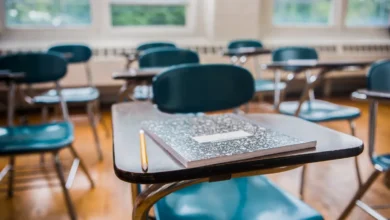
One of the most notable aspects of the Lovin Elementary model is the integration of food waste management into the standard curriculum. Rather than being treated as a chore, waste diversion is used as an applied learning opportunity. Students rotate responsibilities to weigh food, document data, and calculate totals using decimal arithmetic, directly meeting state mathematics standards.
Beyond math, the program serves as a laboratory for environmental science. Students monitor the temperature of compost piles, track decomposition rates, and use the finished compost to support campus gardens. This "cafeteria as classroom" approach fosters a sense of responsibility and ownership. By teaching students about the carbon cycle and the environmental impact of landfills, the program moves the conversation from abstract climate concepts to tangible, daily actions.
Technology and Data-Driven Refinement
In early 2025, the school briefly experimented with "Raccoon Eyes AI," a system developed by a student at Georgia Tech. This technology used computer vision to scan student trays and categorize waste, providing granular data on what students were—and were not—eating. This high-tech approach allowed the administration to identify specific menu items that were consistently rejected, such as certain bread products that lacked consumer appeal. While the transition of the technology to a new ownership group has placed the program in a state of flux, the utility of such data is clear: schools can optimize procurement by aligning menus with student preferences, thereby reducing waste before it is even served.
Barriers to Scaling and Institutional Challenges
Despite the clear successes at individual schools, scaling these programs remains difficult. Hennebaul identifies several primary obstacles:
- Staffing Constraints: The role of a "fully released" teacher—one without classroom responsibilities—is rare. Having a dedicated staff member to oversee the logistics of share tables and composting is often the difference between a successful program and a failed one.
- Institutional Buy-in: Without the support of the school administration, custodial staff, and cafeteria managers, programs struggle to gain traction. A unified approach is essential for long-term sustainability.
- Vendor Limitations: While schools have some autonomy to change recipes or condiments, they are often locked into long-term contracts with regional food vendors, limiting their ability to shift purchasing based on student feedback.
- Environmental Factors: External variables, such as severe weather, can impede the operation of outdoor composting, necessitating flexible, adaptable procedures.
Broader Implications for Public Policy
The environmental and educational benefits of these programs are significant. When students learn to measure waste, understand the impact of landfills, and participate in local food cycles, they develop a sense of agency regarding climate change. For many, the transition from being a consumer to a steward of resources is a formative experience that lasts beyond their time in primary education.
The success of the Food Waste Warriors program suggests that the solution to school waste is not merely about better trash management, but about shifting the cultural and operational norms of the cafeteria. As schools continue to face budget pressures, reducing food waste offers a dual benefit: it lowers disposal costs and provides a wealth of educational materials for hands-on learning.
For other institutions looking to replicate these results, the path is clear: start with data. By auditing waste, schools can identify the "low-hanging fruit" of their operations—the unopened cartons and untouched produce—and implement simple, cost-effective solutions like share tables. While the logistical hurdles are real, the potential for schools to serve as leaders in the national effort to reduce food waste is substantial. With continued support from organizations like the WWF and local community partnerships, the goal of a sustainable school lunch program is an achievable standard rather than an aspirational ideal.
Related posts: