Viltrox AF 35mm f/1.8 II EVO FE (APO) Review: A Compact Powerhouse for Modern Mirrorless Systems

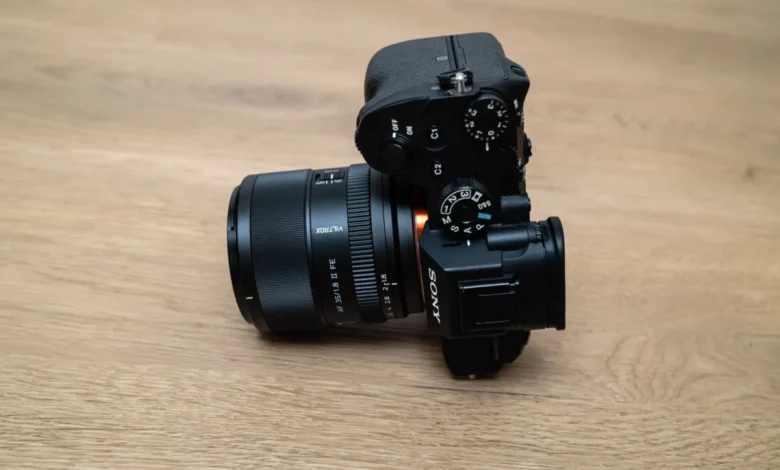
The Viltrox AF 35mm f/1.8 II EVO FE (APO) represents a significant development in the mid-range lens market, offering a blend of sophisticated optical engineering and aggressive pricing for full-frame Sony E-mount and Nikon Z-mount users. Released in April 2026, this prime lens targets the intersection of professional-grade image quality and the portability demands of modern travel, street, and astrophotography. By integrating apochromatic (APO) technology into a compact chassis, Viltrox continues its strategic push to challenge the dominance of native-brand lenses by providing high-performance alternatives at a fraction of the cost.
Technical Specifications and Engineering Philosophy
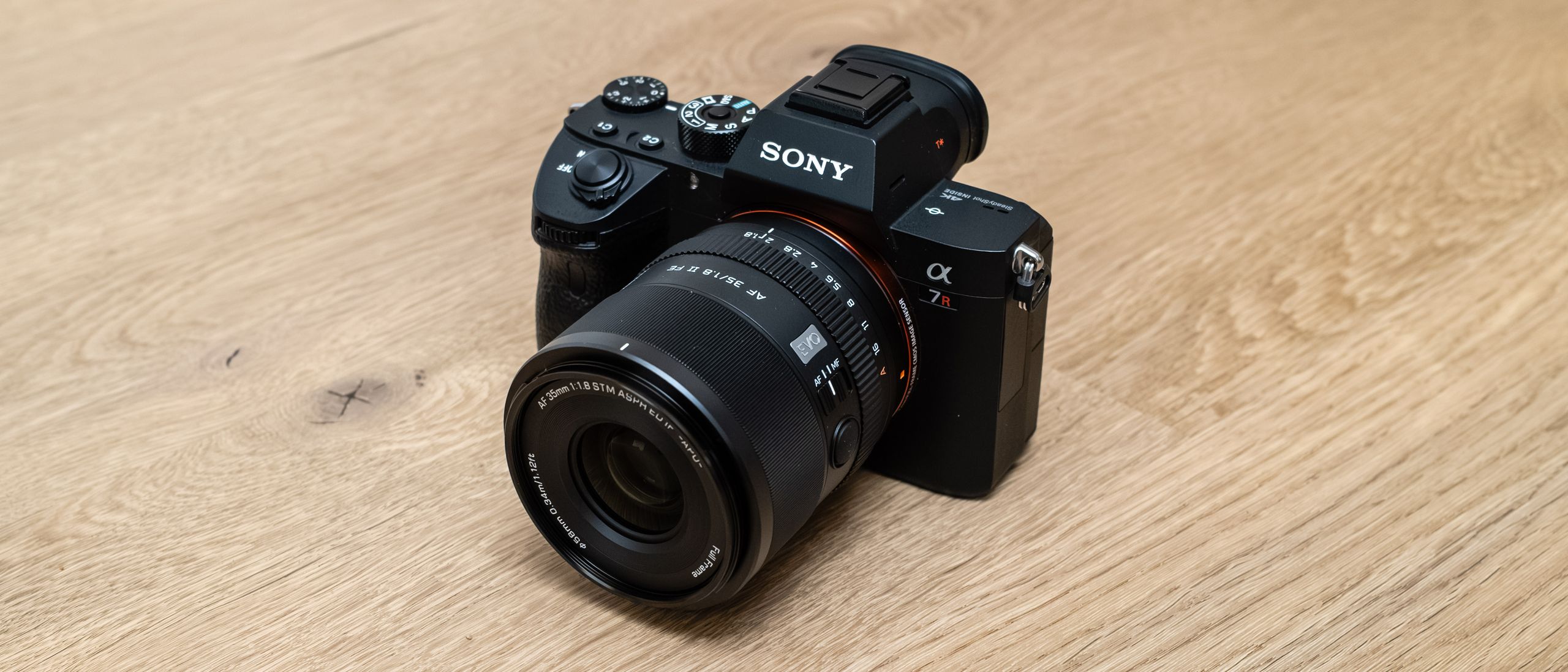
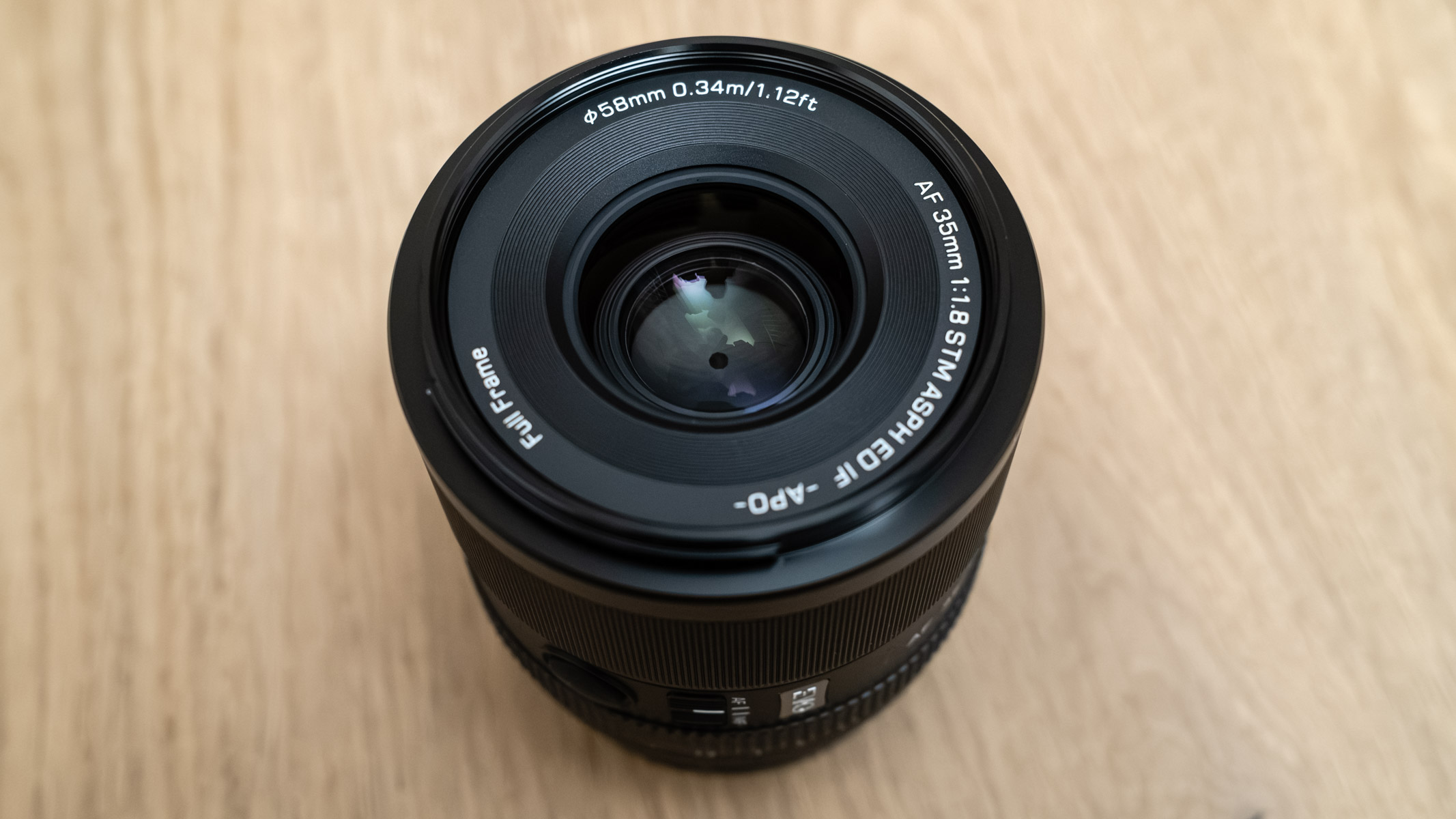
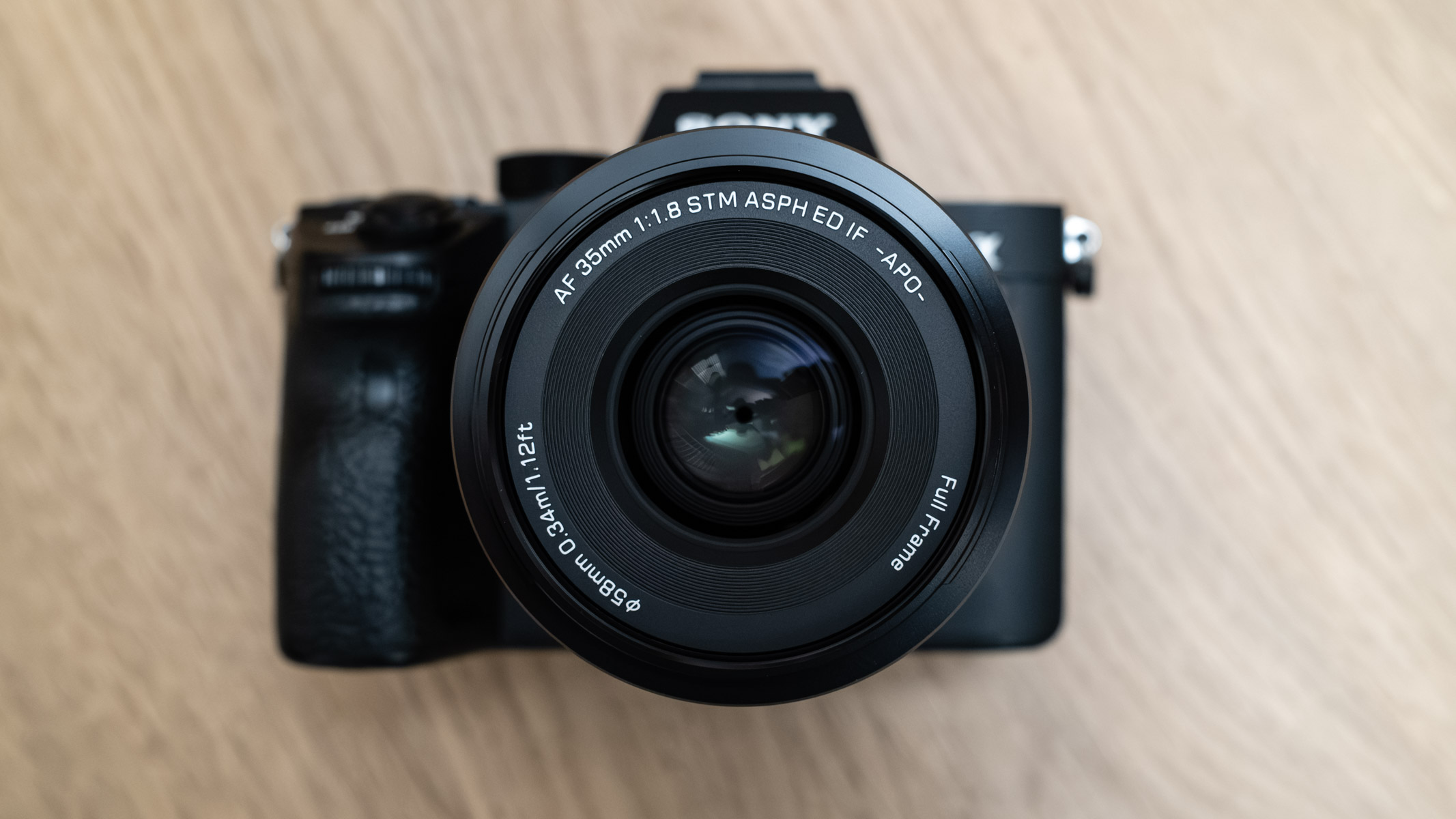
At the heart of the Viltrox AF 35mm f/1.8 II EVO FE (APO) is a complex optical construction featuring 13 elements arranged in 10 groups. The design is highlighted by the inclusion of two extra-low dispersion (ED) elements, three high refractive index (HR) elements, and one ultra-aspherical (UA) element. The integration of the UA element—which the manufacturer classifies as being on par with its premium "LAB" series optics—is intended to minimize optical aberrations that typically plague budget-friendly primes.
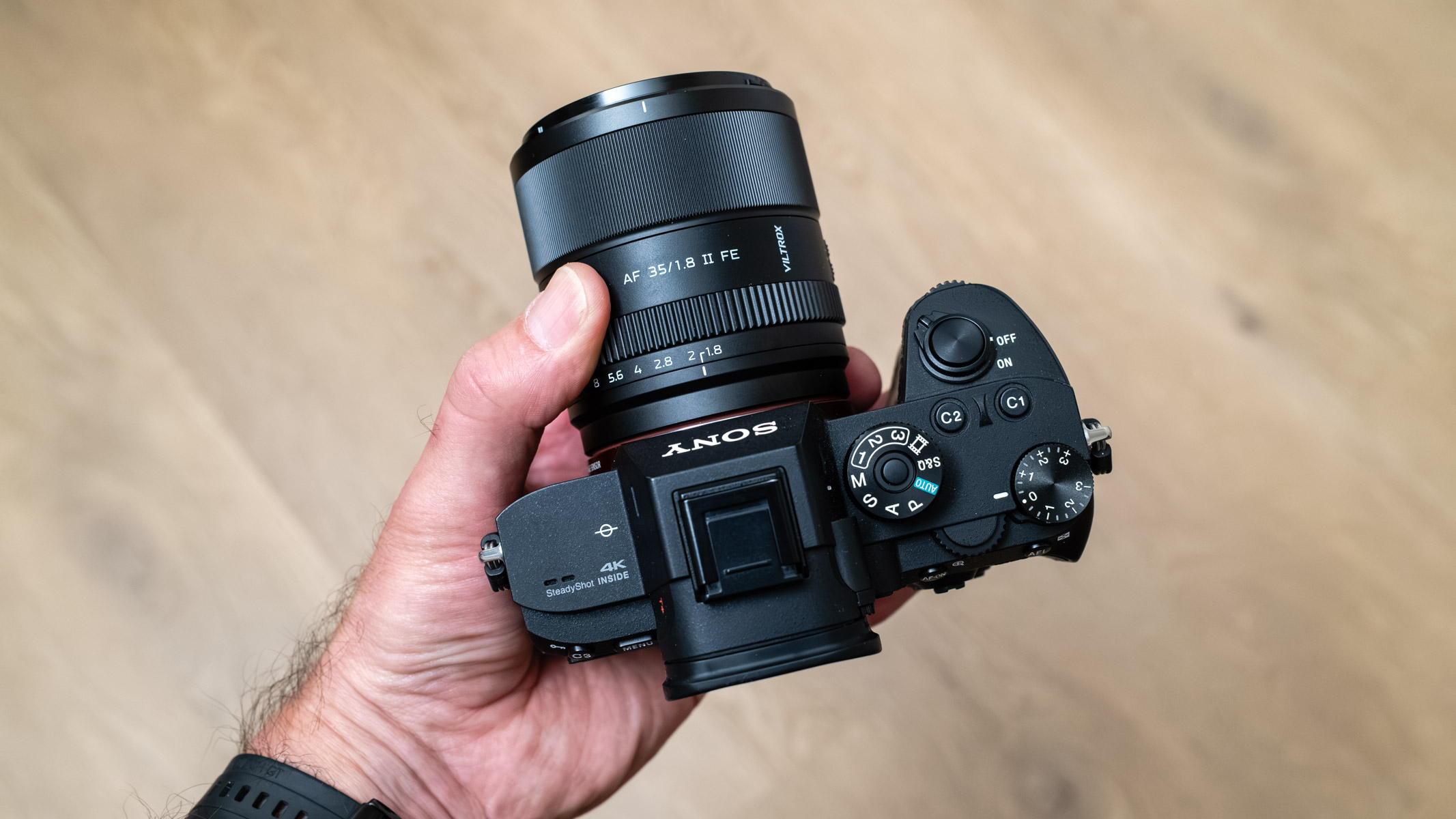
The lens weighs approximately 355 grams (12.52 oz) and measures 69 x 76 mm, dimensions that mirror the manufacturer’s previously released 55mm f/1.8 prime. This uniformity is a deliberate design choice, allowing photographers who carry multiple lenses to maintain a consistent center of gravity and handling experience on their camera bodies. The 58mm filter thread further underscores the lens’s utility, keeping the cost of essential accessories, such as circular polarizers or night-sky light-pollution filters, significantly lower than those required for larger-diameter wide-angle glass.
Performance in Real-World Scenarios
Rigorous testing conducted with the 61-megapixel Sony A7R V reveals a lens that punches well above its $399 price point. In daylight conditions, the lens demonstrates remarkable sharpness, particularly in the central region of the frame, even when shooting wide open at f/1.8. The autofocus system, powered by an internal stepping motor (STM), provides silent and rapid acquisition, which is essential for both candid photography and discreet video production.
The introduction of the USB-C port located on the lens mount remains a standout feature for the Viltrox ecosystem. This hardware implementation allows for firmware updates directly from a computer or mobile device, bypassing the often cumbersome process of updating through the camera body. During the evaluation period, an initial firmware update was required to optimize autofocus accuracy, confirming that the manufacturer is committed to post-release performance improvements.

The Challenge of Astrophotography and Optical Correction
While the lens excels in general-purpose photography, its performance under the unique stresses of astrophotography—where point-source lights (stars) are rendered against a dark background—provides a more nuanced look at its capabilities. The APO (apochromatic) designation is intended to reduce chromatic aberration; however, tests indicate that at the maximum aperture of f/1.8, some astigmatism is present at the extreme left edges of the frame. This results in stars appearing as small crosses rather than perfect circles.
This phenomenon, while common in many lenses at this price point, is slightly unexpected given the APO branding. Nevertheless, the effect is localized and only discernible upon 100% pixel-level inspection. Stopping the aperture down to f/2.8 effectively mitigates this issue, bringing the peripheral sharpness in line with the center. Vignetting is most pronounced at f/1.8 but dissipates rapidly as the aperture is stopped down, reaching a negligible level by f/4. For users working in professional workflows, the lack of an official Adobe Lightroom lens profile at launch requires manual correction or the creation of a custom user-defined profile, a task that is well within the capabilities of most modern post-processing software.
Build Quality and Ergonomic Considerations
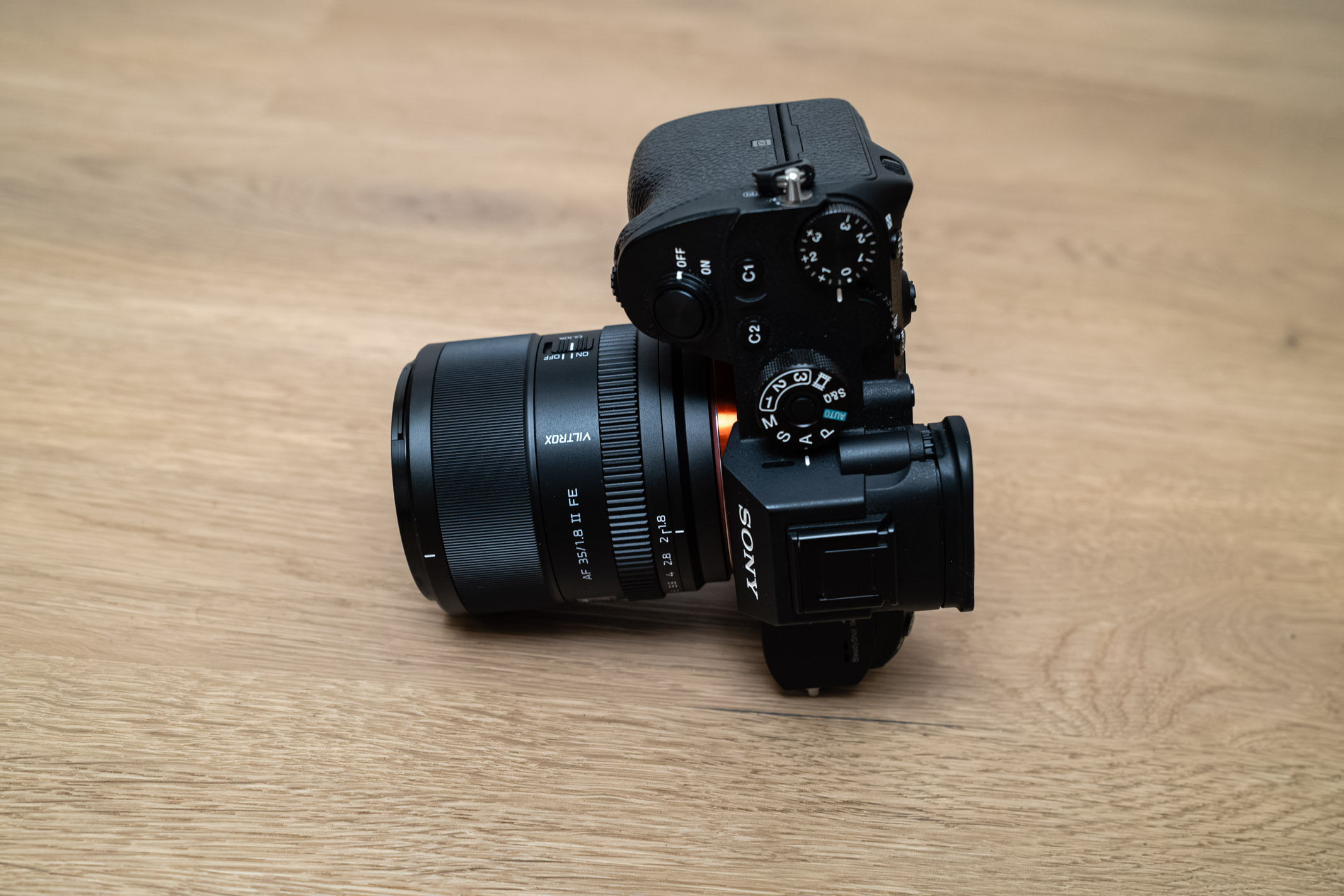
Viltrox has moved away from the "plastic-heavy" aesthetic of early budget lenses, opting for a durable, weather-sealed metal construction. The inclusion of a rubber gasket on the mount provides a layer of protection against environmental elements, while the front element features a water- and smudge-resistant coating.
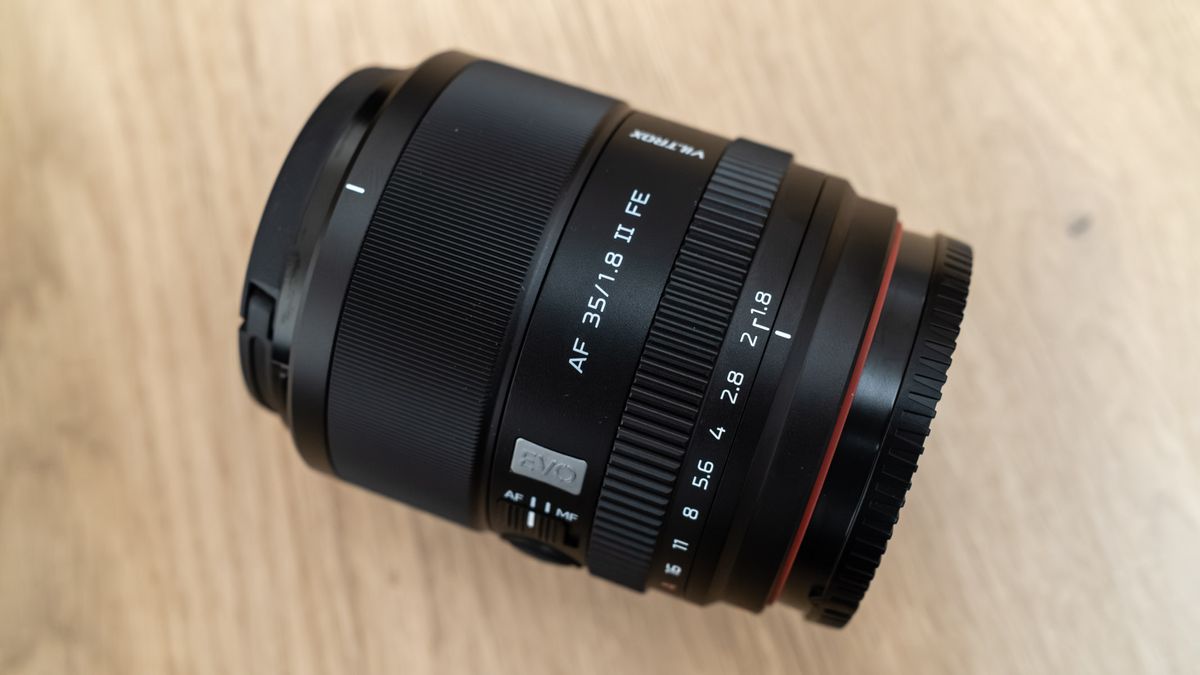
The inclusion of a manual aperture ring is a nod to both traditional photography and modern videography. The ring features a toggle switch that allows the user to switch between clicked and clickless operation, the latter being a critical requirement for smooth, stepless iris adjustments during video recording. Additionally, the customizable function (Fn) button on the side of the barrel provides a programmable shortcut, allowing users to map common settings like focus hold or Eye-AF to their fingertips.
Market Context and Competitive Positioning
The release of the 35mm f/1.8 II EVO FE (APO) follows a clear, two-year trend of third-party manufacturers bridging the gap between "entry-level" optics and "flagship" glass. By offering a $399 price point, Viltrox is positioning this lens directly against the native f/1.8 prime offerings from Sony and Nikon. While native lenses often carry a "brand tax" for superior weather-sealing and integrated lens-correction profiles, Viltrox is betting that the combination of the aperture ring, premium metal build, and comparable optical performance will sway budget-conscious photographers and hobbyists.
For users who already own the Viltrox 55mm f/1.8, the 35mm serves as an ideal stablemate. The 35mm focal length is widely considered the "gold standard" for street and documentary photography, providing a natural perspective that is slightly wider than the human eye but tighter than ultra-wide lenses.
Broader Implications for the Photography Industry
The success of the Viltrox 35mm f/1.8 suggests that the barrier to entry for high-quality, full-frame prime photography is continuing to lower. For years, the "nifty fifty" (50mm f/1.8) was the only accessible prime lens for the average enthusiast. The emergence of affordable 35mm primes with professional features like manual aperture rings and weather-sealing indicates a maturation of the third-party lens market.
However, the lens is not without its trade-offs. The 35mm f/1.8 is not intended for the user who demands edge-to-edge perfection at f/1.8 for professional wide-field astrophotography. Those users are better served by the company’s "LAB" series or high-end Art-series alternatives from manufacturers like Sigma. Furthermore, the 35mm focal length is effectively transformed into a 52.5mm lens when mounted on an APS-C crop-sensor camera, which may change the utility of the lens for some users.
Conclusion and Recommendations
The Viltrox AF 35mm f/1.8 II EVO FE (APO) is a compelling value proposition. It is a lens that respects the user’s intelligence and budget, offering a high-quality build and competitive optics without the premium cost associated with native manufacturer brands.
For the landscape photographer who needs to keep their kit weight down, the street photographer who values the tactile nature of an aperture ring, or the hobbyist looking to upgrade from a standard kit zoom, this lens provides a significant improvement in light-gathering capability and image clarity. While it may require minor software corrections for perfect peripheral performance, the lens is, at its core, a testament to how far manufacturing technology has advanced. With its robust weather-sealing, fast STM autofocus, and modern firmware-update capabilities, it is a versatile, reliable, and highly attractive addition to the mirrorless market. For those who prioritize portability and utility, it is difficult to find a better balance of price and performance in the current market.