Beneath the surface: How the SEA STAR mission simulates the perils of deep space exploration

The pursuit of human space exploration has long relied on analog missions—controlled environments on Earth that mimic the physiological, psychological, and technical rigors of spaceflight. Among the most challenging of these is the SEA STAR mission, an underwater saturation project that places crews in extreme, high-pressure environments to replicate the isolation and life-critical stakes of a spacewalk. Led by astrobiologist and veteran commander Dr. Michaela Musilova, the mission serves as a critical testbed for future lunar and Martian excursions, highlighting the stark reality that in space—and underwater—there is no immediate "out."
The Mechanics of Underwater Simulation
The SEA STAR mission takes place within the Jules’ Undersea Lab, a research station located 22 feet (7 meters) beneath the surface in Florida. Unlike terrestrial analog missions conducted in deserts or volcanic landscapes, the underwater environment offers a unique set of hazards that closely mirror the vacuum of space.
"Aquanauts" in this program spend at least 24 hours submerged to reach a state of saturation. In this physiological state, the human body absorbs the maximum possible amount of inert gas, such as nitrogen, corresponding to the depth and ambient pressure. This creates a scenario where rapid ascent or equipment failure can lead to severe decompression sickness, much as a compromised spacesuit or an airlock malfunction would threaten the life of an astronaut on the International Space Station (ISS).
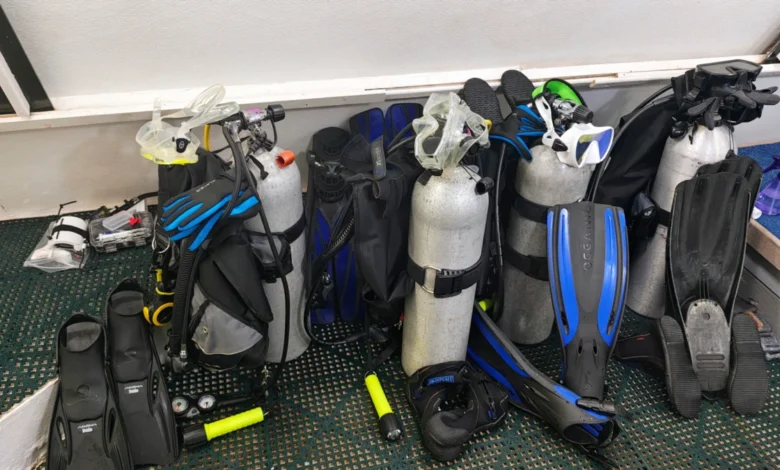
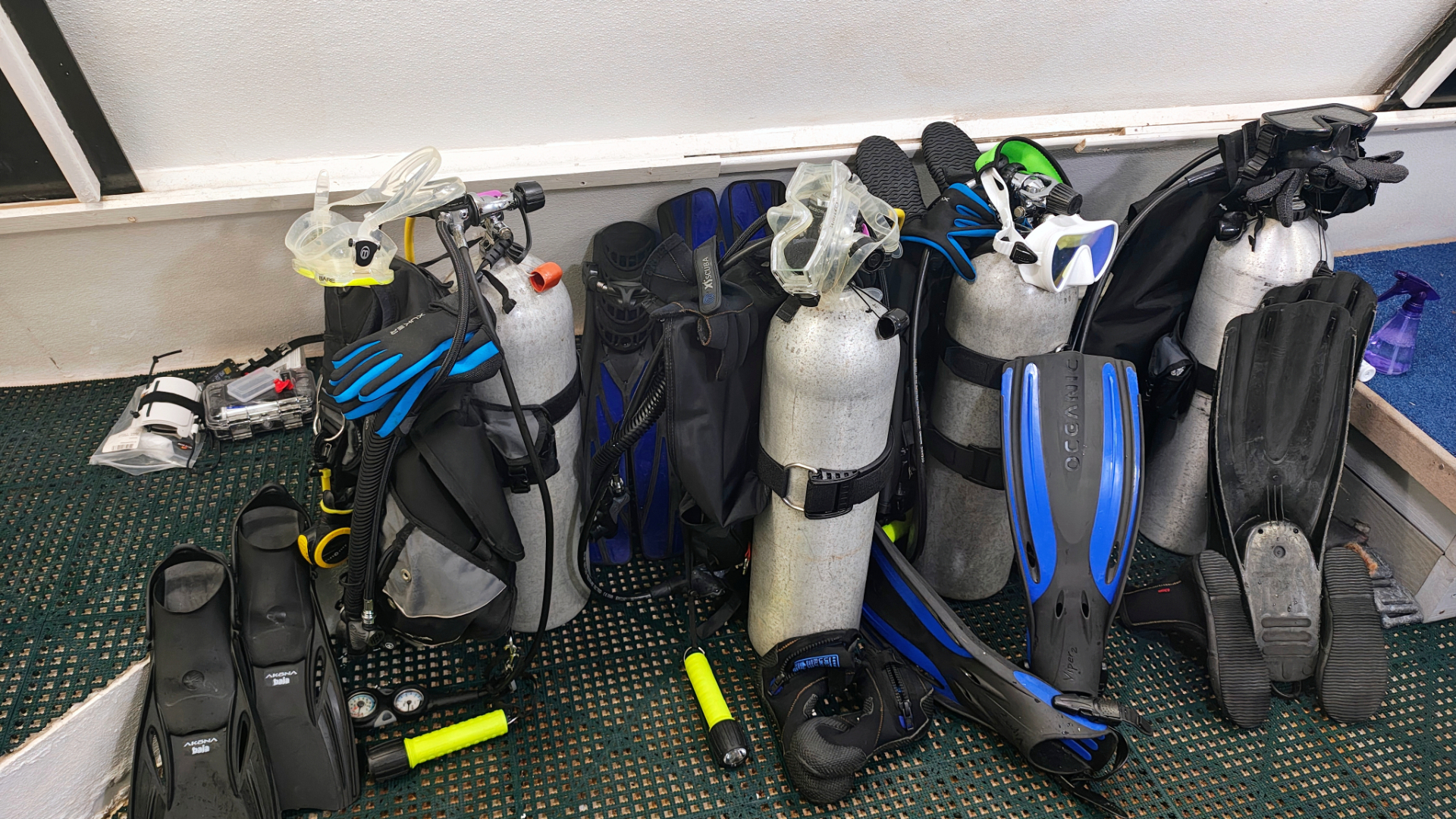
The equipment used during these "Extra-Vehicular Activities" (EVAs) serves as a functional proxy for modern space hardware. While a standard NASA Extravehicular Mobility Unit (EMU) weighs approximately 310 pounds (141 kilograms) and provides a pressurized, temperature-regulated bubble, the analog suits used by the SEA STAR crew are scaled-down versions, weighing roughly 30 pounds (14 kg). However, the psychological weight remains consistent; participants must navigate low-visibility terrain while managing limited life support, fostering a heightened state of vigilance among the crew.
Chronology and Operational Protocol
The SEA STAR mission operates on a structured timeline that prioritizes safety, navigation, and mission-specific objectives. Before each simulated spacewalk, the crew undergoes a rigorous preparation phase that mirrors the protocols observed by space agencies globally.
- Pre-EVA Planning: The crew reviews the mission scope, identifies potential mechanical failure points, and establishes communication protocols.
- The Briefing: Commanders like Dr. Musilova emphasize backup contingencies, ensuring that even if primary communication systems fail, the crew can rely on established sign language and visual cues.
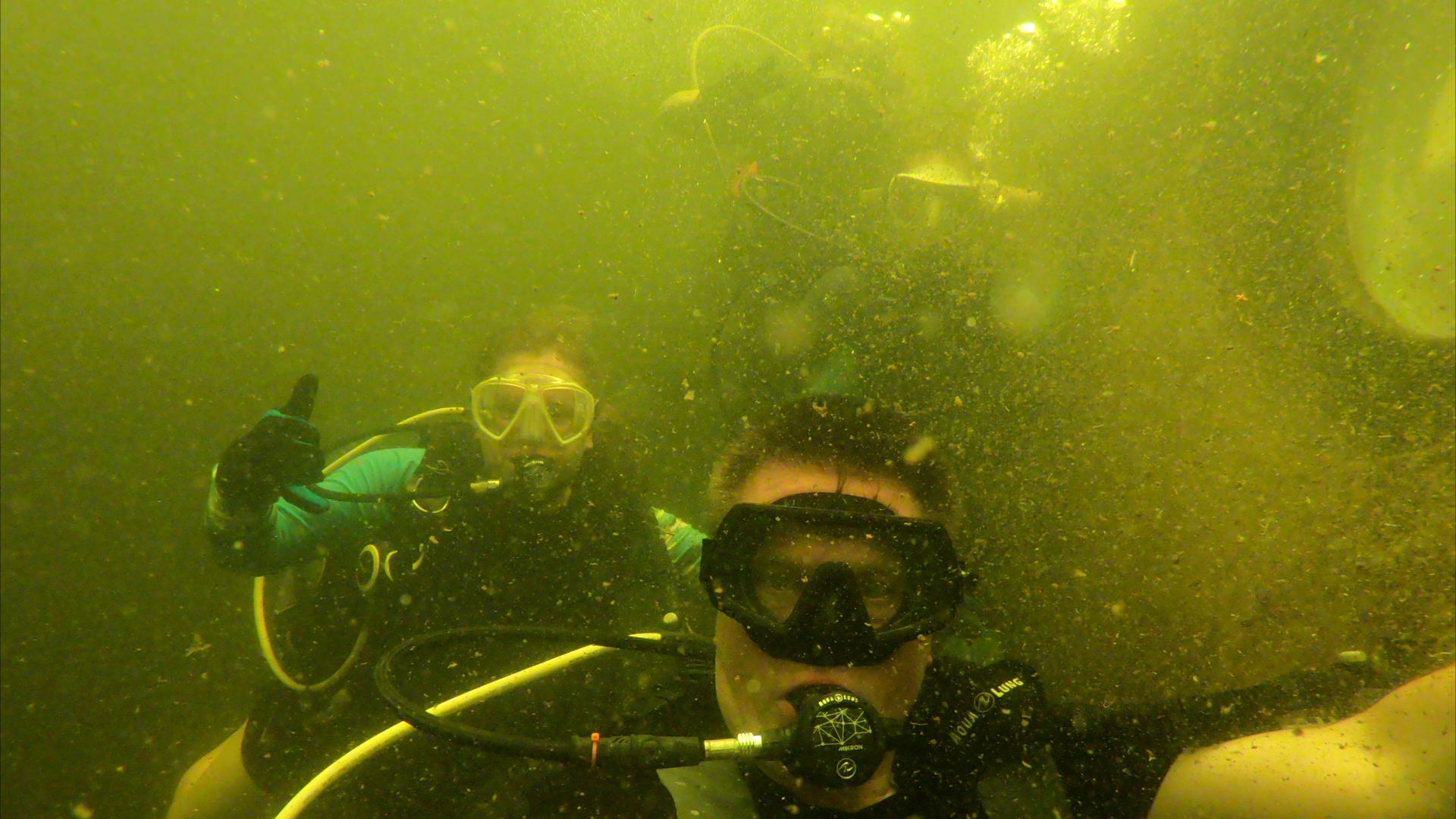
- The Deployment: Crew members exit the habitat into the water. Visibility is often severely restricted, forcing them to move in close proximity and rely on flashlights to navigate obstacles.
- Mission Execution: The crew performs tasks such as environmental cleaning, equipment testing, and sample collection, simulating the work astronauts might perform on the lunar surface.
- Debriefing: Following the EVA, the crew analyzes the physiological and psychological impact of the mission, documenting failures and successes for future research.
Technical Challenges and Human Factors
One of the primary objectives of the SEA STAR mission is to evaluate the degradation of motor skills caused by protective gear. In space, astronauts often report difficulty with dexterity due to the stiffness and bulk of their pressurized gloves. In the SEA STAR underwater environment, the use of thick, protective gloves—essential to prevent injury from sharp barnacles and jagged underwater structures—effectively mimics this loss of tactile sensitivity.
Data collected from these simulations suggest that tasks as simple as operating a camera or a vacuum device become exponentially more difficult under these constraints. This observation is critical for space agencies designing the next generation of gloves for Artemis missions to the Moon. By identifying where the design hinders performance, engineers can iterate on materials that offer both protection and high mobility.
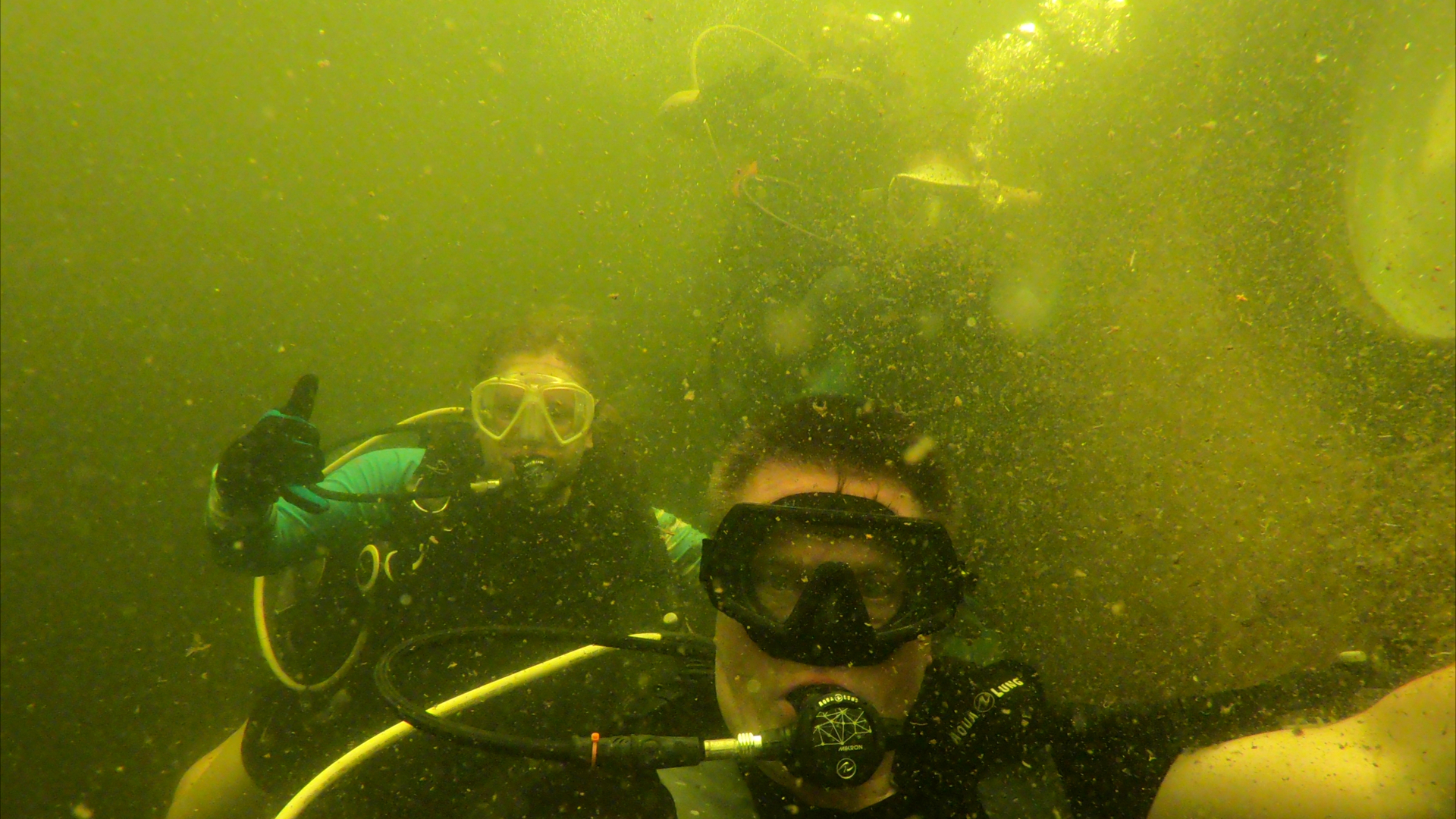
Furthermore, the lack of visibility forces a reliance on team cohesion. In the absence of clear sightlines, communication is relegated to non-verbal cues. This reliance on visual sign language is a vital skill for astronauts, who may face similar communication breakdowns during real-world lunar or Martian operations where signal latency or electronic interference could disrupt mission control contact.
The Psychological Landscape of Isolation
Beyond the technical hardware, the SEA STAR program addresses the "human element" of long-duration spaceflight. Isolation and confinement are two of the greatest hurdles for future missions to Mars, which could last several years. The psychological stress of being in a habitat where one cannot simply walk out the door creates a "closed-loop" mentality.
Dr. Musilova, having led nearly 40 analog missions, notes that the pressure of command is compounded by the hostile environment. When a commander is responsible for the lives of their crew in a location where rescue is not immediately available, the decision-making process becomes more deliberate and cautious. This mirrors the high-stakes environment of the ISS, where every minor system error is treated with the severity of an emergency. The ability of a crew to maintain calm and follow strict protocols under these conditions is a primary indicator of mission success.
Implications for Future Space Exploration
The data gathered from underwater saturation missions provides a roadmap for enhancing the safety of deep-space missions. Research conducted during the SEA STAR project has implications for several areas of space exploration:
- Life Support Systems: By testing gear in an environment where failure is dangerous, researchers can identify weak points in emergency oxygen supply protocols.
- Training Methodologies: The communication protocols developed underwater are being integrated into terrestrial astronaut training programs to bolster performance when electronic systems fail.
- Ergonomic Design: The limitations identified in the underwater simulations provide actionable feedback for the development of space-rated tools that require higher precision and dexterity.
- Human Physiology: Understanding the long-term effects of living in high-pressure, confined environments helps medical teams prepare for the unique health risks astronauts will face on extended missions to Mars.
A Path Toward the Stars
As international space agencies and private enterprises prepare for a permanent human presence on the Moon and the eventual landing of humans on Mars, the role of analog missions becomes increasingly central. The SEA STAR mission is not merely a practice run; it is a vital laboratory for the survival of the human species in the cosmos.
By forcing participants to operate under the constraints of limited visibility, physical exhaustion, and the absolute necessity of equipment integrity, these missions strip away the luxury of comfort and replace it with the harsh reality of extraterrestrial exploration. The lessons learned in the depths of the Jules’ Undersea Lab will likely be the difference between success and catastrophe when the next generation of explorers finally steps onto the dusty surface of another world.
While the technology—the flashlights, the scuba gear, the underwater habitat—may differ from the hardware currently circling the Earth, the spirit of the endeavor remains unchanged. Whether in the depths of the Atlantic or the void of deep space, the core of the mission is the same: the drive to push the boundaries of human endurance, the reliance on one’s crew, and the relentless, calculated pursuit of the unknown. As we look toward the next era of discovery, the experiences of aquanauts like those in the SEA STAR crew provide the bedrock upon which our future in space is being built.