As the United States approaches the high-stakes 2026 midterm elections, millions of voters are preparing to tune into extensive television coverage to monitor the shifting balance of power in Congress. Scheduled for Tuesday, November 3, 2026, these midterms arrive at a critical juncture in American politics, typically serving as a referendum on the sitting presidential administration and setting the legislative trajectory for the final two years of a presidential term. With control of both the House of Representatives and the Senate fiercely contested, real-time reporting, exit polls, and state-by-state projections are more vital than ever.
Yet, as the media landscape shifts decisively away from traditional infrastructure, a significant portion of the electorate no longer subscribes to legacy cable packages. Cord-cutting has firmly established itself as the modern norm for television consumption. While streaming services have made entertainment more accessible, major broadcast networks like NBC remain indispensable for live, high-stakes national events, ranging from marquee sporting spectacles to crucial democratic milestones like election nights. For viewers who have canceled their cable subscriptions, catching NBC’s primetime coverage—specifically the network’s flagship Decision ’26 broadcast—requires alternative access points. Fortunately, a growing ecosystem of live-television streaming platforms and digital services allows audiences to follow every development without a traditional cable box.
The Political Landscape of the 2026 Midterms

The 2026 midterm elections represent a pivotal moment in the American legislative calendar. Historically, the party in the White House faces headwinds during midterms, often losing seats in Congress as voters express their approval or frustration with the current administration’s economic policies, foreign affairs handling, and domestic agenda. Political analysts note that the 2026 cycle is uniquely charged, occurring amid intense national debates over inflation, healthcare access, immigration, and technological regulation.
Given the razor-thin margins currently defining both chambers of Congress, every single contest carries national implications. Control of the House determines the fate of legislative priorities and committee investigations, while Senate races dictate the confirmation timeline for judicial nominees and executive branch appointments. Because of these high stakes, reliable, continuous coverage from trusted journalism outlets is essential for an informed citizenry.
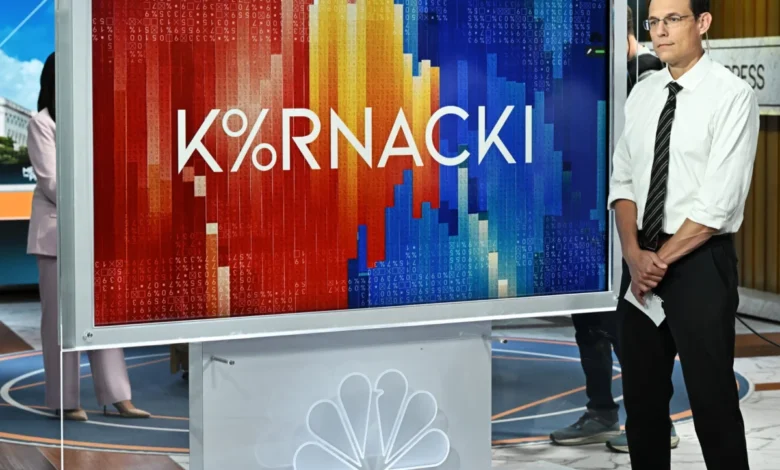
NBC News has positioned its primetime special, Decision ’26, as a comprehensive anchor for election night. The broadcast is set to feature a formidable roster of journalists and anchors, including Savannah Guthrie and Tom Llamas, who will guide viewers through the overarching national narrative. Alongside them will be Steve Kornacki, the network’s celebrated national correspondent widely recognized for his exhaustive, data-driven analysis before his iconic electoral maps. Kornacki’s presence has evolved into a cultural touchstone of modern election coverage, with social media already abuzz with anticipation as viewers prepare for hours of meticulous precinct-by-precinct breakdowns.
Chronology of Election Night Coverage

For viewers planning their viewing schedule, NBC’s live reporting kicks off well before the polls close on the East Coast.
- 5:00 p.m. ET: Early evening broadcasts and preliminary reporting begin, setting the stage for the night by reviewing early exit polling trends, voter turnout metrics, and key battleground states to watch as the evening progresses.
- 7:00 p.m. ET to 8:00 p.m. ET: The first major wave of polls closes across pivotal Eastern Seaboard states, including parts of Florida, Georgia, Virginia, and Pennsylvania. This window typically yields the initial tangible data points of the night, prompting the first major analyses from the NBC News decision desk.
- 9:00 p.m. ET: Polls close across the Central time zone and several crucial Midwestern states, broadening the electoral map and providing a clearer picture of Senate trajectories.
- Late Evening to Early Morning Hours: As West Coast polls close and mail-in ballots are tabulated, the focus shifts to protracted counting processes in Western battlegrounds. Steve Kornacki and the Decision ’26 team are expected to work through the night, providing granular updates as individual races narrow or flip.
Streaming Solutions: How to Watch NBC Without Cable
For households that have transitioned exclusively to broadband internet, several streaming platforms offer seamless access to local NBC affiliates. While these services vary in price and channel offerings, each provides a reliable live stream of the network’s election coverage.
DirecTV Stream
DirecTV Stream remains a premier option for cord-cutters seeking a traditional cable-like experience without the hardware requirements. Packages that include local broadcast networks such as NBC start at $39.99 per month. New subscribers can take advantage of a five-day free trial, making it a viable option for viewers seeking temporary, cost-effective access for election week without a long-term financial commitment. The platform delivers upwards of 185 channels depending on the chosen tier, ensuring comprehensive coverage across various news networks.

Sling TV
Sling TV offers a more budget-conscious alternative through its Sling Blue plan, which is priced at $45.99 per month. The Blue tier includes local channels like NBC in select designated market areas (DMAs). With a lineup of approximately 46 channels, Sling provides a streamlined, customizable approach to television streaming, though availability of local NBC affiliates varies by geographic location and should be verified via the platform’s zip-code tool before purchase.
Hulu + Live TV
For viewers seeking an all-inclusive entertainment and news ecosystem, Hulu + Live TV stands out as a robust, albeit premium, choice. Starting at $99.99 per month, the service bundles standard Hulu streaming library content with Disney+ and ESPN, alongside a live television lineup exceeding 95 channels. Crucially, every plan includes local network access, ensuring live feeds of NBC regardless of regional variations. New subscribers are offered a three-day free trial to test the interface and streaming stability before incurring monthly charges.
Peacock
As NBCUniversal’s dedicated proprietary streaming service, Peacock serves as the digital home for much of the network’s on-demand library—ranging from classic comedies like The Office and Parks and Recreation to current hits like Chicago Fire. However, viewers must note a critical distinction regarding live events: while base tiers starting at $8.99 to $12.99 per month cover extensive on-demand programming, accessing live local station feeds and special broadcasts like Decision ’26 requires a higher-tier Premium or Premium Plus subscription.
Fact-Based Analysis of Broader Implications

The shift toward streaming live news events underscores a permanent transformation in media consumption habits. Broadcasters and streaming platforms alike have had to adapt to an audience that demands instant, frictionless access across multiple devices—whether through smart TVs, tablets, or smartphones.
From an economic perspective, the proliferation of live TV streaming services has introduced healthy competition into the television market, giving consumers the flexibility to subscribe and unsubscribe based on seasonal needs, such as sports seasons or major political cycles. Yet, it has also fragmented the audience, leading to rising cumulative costs for households that subscribe to multiple niche streaming platforms.
As the 2026 midterms unfold, the robustness of these digital distribution networks will be severely tested by unprecedented traffic spikes. Major news events historically drive massive concurrent viewership online, placing heavy demands on server infrastructure. Streaming providers have steadily invested in content delivery networks to prevent buffering and latency issues during critical moments of electoral projection.
Ultimately, whether viewers choose a comprehensive live TV aggregator like Hulu + Live TV, a targeted option like DirecTV Stream or Sling, or NBC’s native platform Peacock, the technological barriers to participating in civic observation have largely dissolved. As the results roll in and the nation turns its attention to the interactive maps, the modern digital viewer will be just as equipped as any traditional cable subscriber to witness the unfolding chapters of American democracy.