COP31 Climate Summit in Antalya: Decoding the High-Stakes Negotiations and the Path to Global Consensus

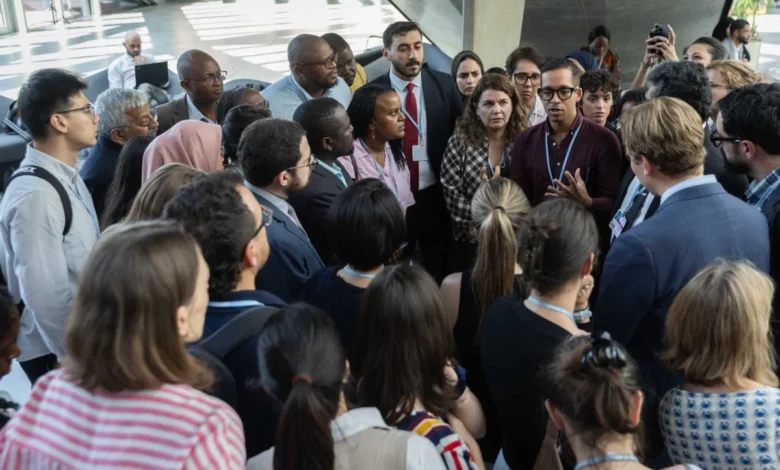
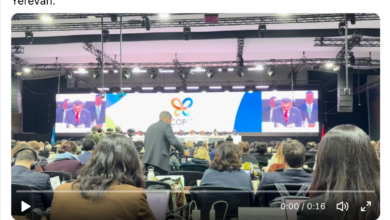
As delegates from nearly 200 nations descend upon the Turkish city of Antalya for COP31, the atmosphere is defined by the meticulous, high-stakes process of drafting the legal agreements that will dictate the trajectory of global climate action. Housed within the "blue zone"—a restricted area dedicated to official UN negotiations—diplomats are tasked with the Herculean effort of hashing out over 100 separate agreements. In an environment where the placement of a single verb can shift the legal obligations of sovereign states, the process is as much about linguistic precision as it is about environmental policy.
While the United States remains conspicuously absent from the formal negotiating table, the remaining global community faces a complex agenda. The summit, co-hosted by Turkey and Australia—with Australia serving as the official president of negotiations—marks a critical juncture in the post-Paris Agreement era. With the world currently on a trajectory to overshoot the 1.5C warming limit, the stakes in Antalya have never been higher, even as analysts suggest this year may lack the transformative "banner" status of previous summits.
The Dynamics of a Dual-Presidency Summit
This year’s conference features a unique governance structure. Turkey, as the host nation, provides the logistical and political stage, while Australia exercises its role as the president of negotiations. This partnership has already signaled a commitment to a "cover text," an overarching political declaration that will attempt to synthesize key outcomes and address urgent issues that fell outside the formal agenda.
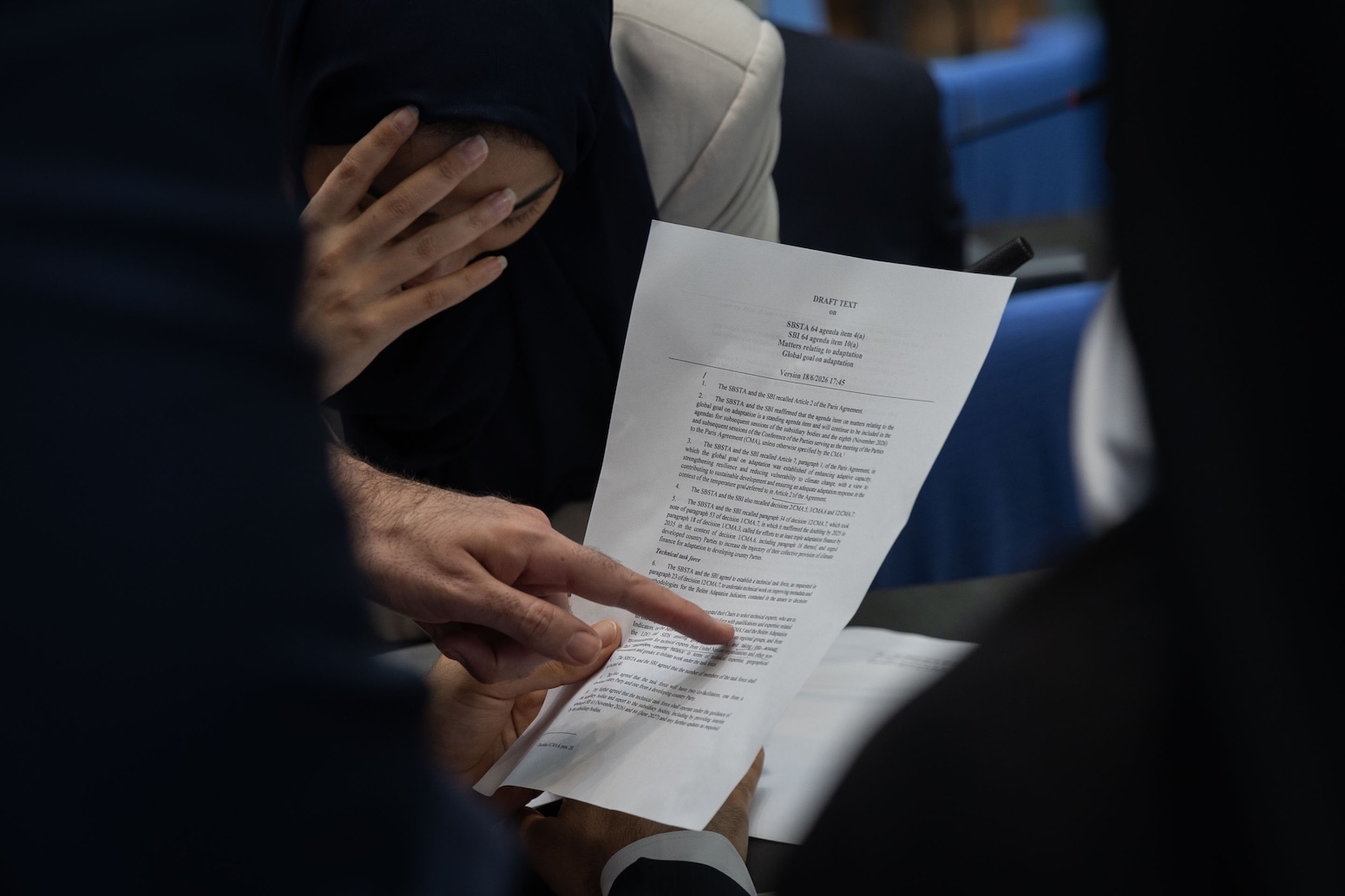
The proposed cover text is expected to confront uncomfortable truths, including the scientific reality of the 1.5C overshoot and the escalating frequency of climate-induced disasters. Among the potential solutions being championed is the Turkish presidency’s focus on the "electrification" target, which envisions 35% of the world’s final energy consumption being sourced from electricity by 2035. This initiative underscores a broader shift in the climate discourse: moving from vague aspirational targets to sector-specific, actionable benchmarks.
Navigating the Agenda: A Complex Landscape of Diplomacy
The formal agenda for COP31 is a dense tapestry of procedural and substantive issues. Before substantive negotiations can even begin, parties must achieve consensus on the agenda itself. This often leads to the infamous "agenda fight," where nations attempt to insert or block specific topics.
The African Group of Nations has already taken a proactive stance, filing a formal request to include climate-related trade tariffs on the agenda. This follows the momentum from COP30 in Belém, where delegates agreed to establish annual dialogues on the implications of unilateral trade measures. Furthermore, the African group is pushing for a significant expansion of adaptation finance, specifically calling for a tripling of current funding levels and increased support for the Green Climate Fund, which serves as a cornerstone for international climate assistance.
Other critical items on the table include the finalization of the "global goal on adaptation" and the future of the "mitigation work programme"—a contested process aimed at operationalizing emission reduction strategies. Additionally, negotiators are tasked with refining the "Belém-Antalya mechanism for global just transitions" (BAM), an initiative designed to ensure that the shift to a green economy does not disproportionately burden developing nations or marginalized communities.
The Mechanics of Consensus: A Traffic-Light Approach
To manage the overwhelming complexity of 104 substantive agenda items, observers and policy analysts rely on real-time tracking systems to visualize progress. This methodology utilizes a traffic-light format to categorize the status of negotiations:
- Red (Initial Phase): Topics where parties have yet to produce written text, often reflecting fundamental ideological divides or disagreements on the scope of the issue.
- Orange (Informal Drafting): Early-stage documents that capture the diverse views of various parties without formal legal framing.
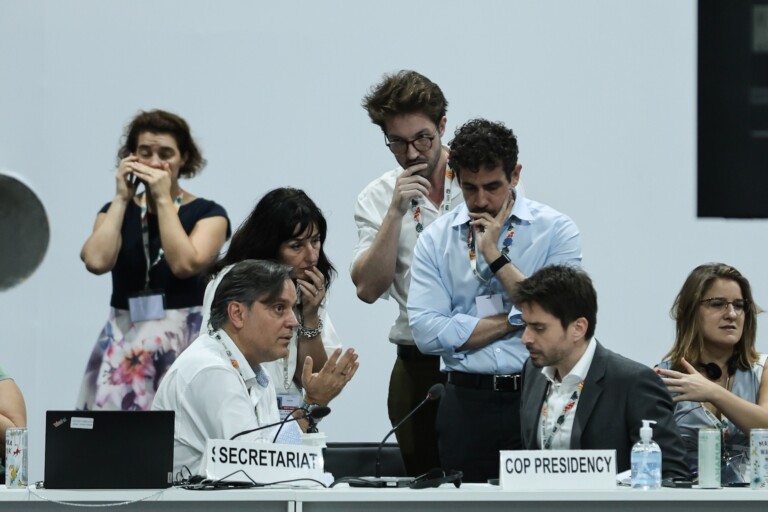
- Yellow (Negotiating Phase): The most intense stage of the process, where draft legal agreements are subjected to "square brackets" and "options." These brackets represent areas of active contention; the more brackets in a text, the deeper the disagreement between negotiating blocs.
- Green (Adopted): Items where all brackets have been resolved, indicating a consensus that is ready for formal adoption at the closing plenary.
- Grey (Postponed): Issues subject to "rule 16," meaning progress was impossible and the matter has been deferred to future sessions.
This tracking system provides more than just a logistical summary; it serves as a thermometer for the health of international climate diplomacy. As the summit progresses, the objective is to move texts from the "yellow" category of disagreement toward "clean" texts, which contain no bracketed language and are prepared for final gaveling.
Historical Context and the Burden of Expectation
The history of COP summits is littered with both historic breakthroughs and frustrating stalemates. The shadow of COP29 remains a point of contention for many, particularly following the failure of the meeting’s presidency to adopt a final agreement regarding the global stocktake—a process that had previously successfully navigated the difficult task of calling for a "transition away" from fossil fuels.
This year’s summit falls midway between two global stocktakes, a period often characterized by incremental progress rather than radical shifts. However, the pressure to maintain momentum is immense. The scientific consensus, led by the IPCC, continues to warn that the window of opportunity to prevent the most catastrophic effects of climate change is closing.
Implications for Global Finance and Trade
A significant portion of the Antalya negotiations will revolve around the flow of capital. The intersection of Article 9.1 of the Paris Agreement—which mandates climate finance from developed to developing nations—and Article 2.1c, which seeks to align global finance flows with the broader climate treaty, remains a central point of friction.
The global financial architecture is under intense scrutiny. There is a widening gap between the billions currently being committed and the trillions required to facilitate a global energy transition. Whether the COP31 outcomes can bridge this gap by providing concrete mechanisms for private and public sector investment will be a defining feature of its legacy.
The Role of Non-State Actors and Regional Blocs
While the "blue zone" remains the domain of national diplomats, the influence of regional blocs—such as the African Group, the European Union, and the Alliance of Small Island States (AOSIS)—cannot be overstated. These coalitions often dictate the pace of the talks, holding firm on issues of "loss and damage" and adaptation finance, while developed nations focus on mitigation and transparency frameworks.
The absence of the United States, a historically significant player in these negotiations, creates a unique vacuum. Observers are watching to see if other major emitters, particularly China and the G20, will step up to fill the leadership void, or if the lack of American engagement will lead to a broader stagnation in ambition.

Closing Plenary: The Final Gavel
The summit concludes at the closing plenary, where the COP president must formally gavel through the negotiated decisions. While this process is often perceived as a ceremonial formality, it is the final moment of vulnerability for the agreements. A single country can block the consensus, potentially unraveling two weeks of intensive, high-level diplomacy.
The "Antalya outcome" will ultimately be measured by its ability to turn the text in the blue zone into real-world action. Whether it is through the 35% electrification target, the operationalization of the BAM, or progress on trade dialogues, the success of COP31 will depend on the willingness of nations to prioritize global survival over narrow national interests.
As delegates continue to haggle over verbs and brackets in the coming days, the world watches. The challenge for COP31 is to prove that international cooperation remains a viable mechanism for addressing the most significant existential threat of the 21st century. The outcome in Antalya will not only determine the policy landscape for the next year but will also set the tone for the transition into the next global stocktake, defining whether the international community remains committed to the spirit of the Paris Agreement or risks fracturing under the weight of its own inertia.
Related posts: