Democratic Midterm Landslide Triggers AI Regulatory Showdown, DOGE Subpoena Backlash, and High-Stakes Washington Power Shifts

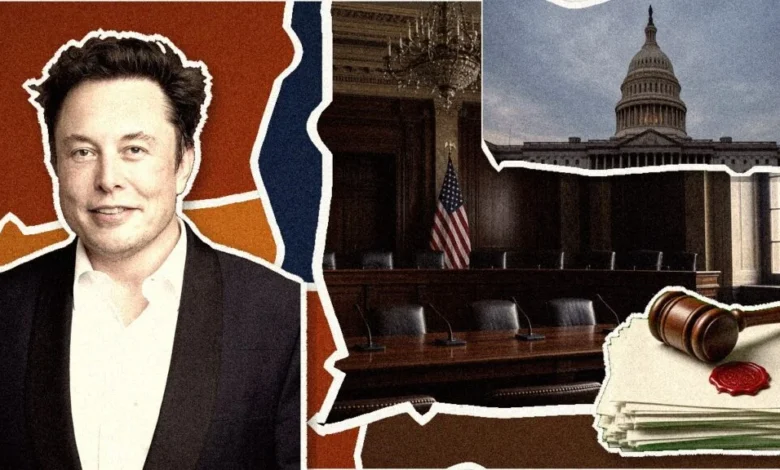
The political landscape of the United States experienced a dramatic realignment following the pivotal November 2026 midterm elections, which resulted in a sweeping legislative majority for the Democratic Party. This shift in congressional control has immediately galvanized progressive lawmakers, setting the stage for an intense policy confrontation regarding artificial intelligence regulation, federal agency oversight, and executive branch transparency. Among the most high-profile developments is a direct policy clash between newly empowered Democratic legislators and high-profile figures such as Elon Musk, whose government efficiency initiatives and technological ventures now face unprecedented legislative scrutiny.
The electoral outcome has fundamentally altered the balance of power on Capitol Hill, granting Democrats the authority to set the legislative agenda, issue congressional subpoenas, and aggressively pursue regulatory frameworks that were previously stalled under divided government. As Washington adjusts to this new reality, both technology leaders and political veterans are recalibrating their strategies to navigate an environment characterized by heightened oversight, aggressive antitrust investigations, and renewed calls for comprehensive federal intervention in emerging technologies.
The Legislative Push for Artificial Intelligence Superintelligence Bans
At the forefront of the Democratic legislative agenda is a renewed and aggressive push to regulate advanced artificial intelligence, specifically targeting artificial superintelligence (ASI). Following the midterm elections, progressive lawmakers, including Representative Yassamin Ansari, have elevated AI safety to a primary legislative priority. The proposed regulatory framework seeks to implement stringent oversight, mandatory
safety testing, and proactive containment measures for advanced AI models that exceed specific capability thresholds.
The policy debate intensified publicly when Representative Ansari took to social media platform X to signal the impending legislative push, declaring that Congress must act swiftly to regulate AI systems before they pose systemic risks to national security, labor markets, and societal stability. In a characteristically brief public response, Elon Musk acknowledged the shifting paradigm by posting, "It’s a Brave New World," to which Representative Ansari sharply replied, "See you soon," signaling an imminent and direct confrontation between tech innovators and congressional regulators.
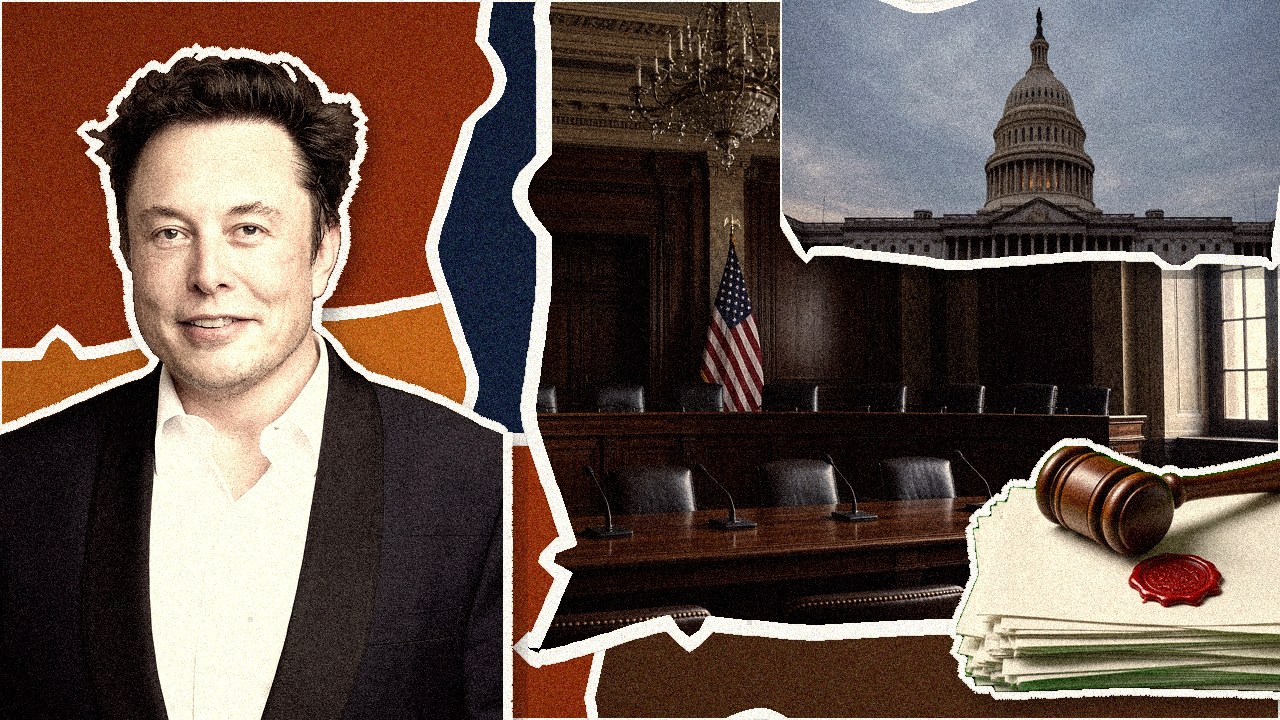
This exchange underscores a broader philosophical divide in Washington. While technology leaders argue that stringent regulatory frameworks could stifle innovation and cede American technological leadership to international competitors, progressive lawmakers maintain that unbridled advancement in artificial superintelligence presents existential risks that require immediate, binding federal intervention. The Democratic congressional majority has signaled its intent to fast-track these AI safety bills, with several committees scheduling hearings aimed at establishing strict liability standards for AI developers.
The Congressional Shift and the Escalation of DOGE Oversight
Compounding the technological policy debates is the fierce political fallout surrounding the Department of Government Efficiency (DOGE) and its high-profile initiatives. In the wake of the midterm elections, congressional committees have intensified their scrutiny of executive branch operations, particularly targeting the data collection practices and administrative methods employed by DOGE during its tenure.
During a high-profile appearance at the Beacon Theatre for a live recording of the Pivot podcast hosted by Kara Swisher and Scott Galloway, prominent political figures discussed the long-term viability and legal exposure facing DOGE initiatives. Legal experts and participating commentators addressed whether sweeping administrative actions and data aggregation practices employed by the efficiency initiative could withstand judicial review, noting that executive pardons and presidential immunities may not fully shield officials from congressional subpoenas and subsequent legal liability.
Hillary Clinton, appearing on the Pivot program, offered pointed commentary regarding the limitations of executive protections against congressional oversight. Clinton emphasized that while presidential pardons might alter criminal liability, they do not exempt individuals or agencies from civil depositions, document production requests, and comprehensive congressional investigations. This sentiment has been echoed by Democratic committee chairs, who have initiated formal inquiries into DOGE’s data-handling protocols, demanding full transparency regarding how federal information was accessed, stored, and utilized.
The growing tension has resulted in a flurry of legal maneuvers. Democratic lawmakers have signaled that subpoenas will be issued to key personnel associated with DOGE initiatives to examine whether federal transparency laws, privacy regulations, and constitutional boundaries were breached during their restructuring campaigns. For tech leaders associated with these efficiency efforts, the transition from an advisory role in the executive branch to facing hostile congressional committees marks a severe and rapid reversal of fortunes.
Financial Markets and Investor Anxiety Over AI Regulation
The political upheaval in Washington has sent ripples through global financial markets, with investors closely monitoring the intersection of electoral outcomes, regulatory risk, and technology sector valuations. In the weeks following the midterm elections, major stock indices experienced heightened volatility as Wall Street digested the implications of a Democratic-controlled Congress prioritizing aggressive AI oversight and corporate accountability.
Technology stocks, particularly those heavily leveraged in artificial intelligence infrastructure, large language models, and automated enterprise solutions, faced downward pressure. Market analysts point out that the prospect of stringent federal licensing requirements, mandatory algorithmic audits, and liability laws for AI-generated outcomes introduces significant compliance costs for major technology firms. Investors are increasingly pricing in the risk that regulatory compliance could slow the deployment timeline of next-generation AI products, impacting projected profit margins across the sector.
Despite these market jitters, venture capital and institutional investors remain divided on the long-term impact of potential legislation. While short-term uncertainty has prompted some capital reallocation toward defensive sectors, proponents of regulation argue that clear, federally mandated safety standards could ultimately provide the regulatory certainty required for sustainable, long-term industry growth. Nevertheless, the immediate reaction from the market reflects deep anxiety regarding the speed and scope of incoming congressional oversight.
Chronology of Events and the Road Ahead
The acceleration of these policy battles follows a precise chronology that began with the November 2026 midterm elections and the subsequent certification of congressional majorities. The timeline of key developments highlights the rapid pace at which Washington is pivoting toward aggressive oversight:
- Early November 2026: Midimterm elections conclude, handing Democrats a decisive majority in Congress and shifting the legislative balance of power.
- Mid-November 2026: Representative Yassamin Ansari and progressive allies announce a comprehensive legislative package aimed at regulating artificial superintelligence and establishing mandatory AI safety protocols.
- Late November 2026: High-profile public exchanges occur on social media between technology leaders and congressional critics, foreshadowing upcoming legislative hearings.
- December 2026: Congressional committees begin drafting subpoena requests targeting executive branch efficiency initiatives and data practices.
- January 2027 (Projected): Newly elected Congress is sworn in, officially launching scheduled hearings on AI safety, federal efficiency oversight, and corporate transparency.
This structured timeline illustrates that the legislative machinery has moved faster than many industry observers anticipated. Rather than waiting for consensus, the new congressional majority is leveraging its newly acquired committee chairmanships to immediately advance investigations and regulatory bills.
Broader Implications for American Governance and Technology
The convergence of a Democratic legislative majority, aggressive AI regulation initiatives, and intense oversight of executive efficiency programs signals a profound turning point in American governance. The events of November 2026 have effectively ended the era of largely self-regulated technological expansion, replacing it with a paradigm defined by rigorous public accountability, legal scrutiny, and legislative intervention.
As the new congressional session approaches, the ability of technology leaders to navigate this hostile regulatory environment will depend on their engagement with lawmakers and their willingness to adapt to binding federal standards. Simultaneously, the success of the Democratic legislative agenda will be measured by its ability to balance innovation with public safety, ensuring that the United States maintains its global leadership in artificial intelligence without compromising democratic norms, privacy rights, or institutional integrity.