Tesla, Amazon, Netflix, SpaceX, Lam Research, and SoFi Technologies Join OKXICE Tokenized Stock Objections as Deadline Looms

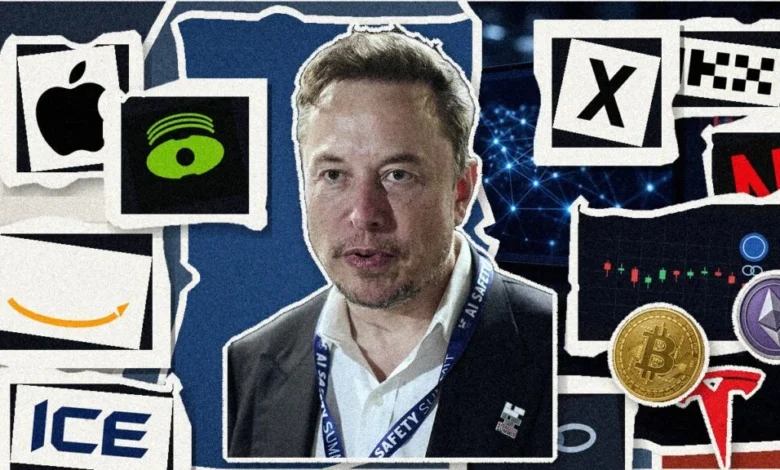
The landscape of tokenized traditional equities is facing a significant friction point as more major corporate issuers formally object to third-party tokenization initiatives. Recent reports from crypto-focused journalism highlight that the total number of companies lodging formal objections against the tokenized stock offerings proposed by the OKX and ICE Markets joint venture, known as OKXICE, has expanded from an initial baseline to reach 56 major corporations. This growing coalition of dissent includes some of the most prominent names in global business, technology, and consumer retail, effectively drawing a hard line in the sand regarding how their underlying equities are traded, represented, and utilized within decentralized financial architectures.
The wave of objections underscores a broader institutional anxiety surrounding the intersection of traditional capital markets and digital asset infrastructure. While major technology stalwarts and consumer brands have increasingly embraced digital transformation and blockchain pilots internally, many draw a sharp distinction between enterprise-level distributed ledger adoption and the unauthorized or third-party tokenization of their publicly traded shares. As the regulatory window for responses closes, the expanding list of objectors signals a complex battleground over intellectual property, regulatory compliance, and the future of liquidity distribution across global markets.
The Anatomy of the Dissent: Expansion to 56 Issuers
The friction surrounding the OKXICE joint venture has escalated rapidly since the initiative was first introduced to the market. Initially, industry trackers noted a smaller cohort of dissenting firms, but as regulatory deadlines approached, that number climbed steadily to 56 corporate issuers. This group now includes a substantial portion of the broader market, cutting across sectors from semiconductors and aerospace to streaming entertainment and e-commerce.
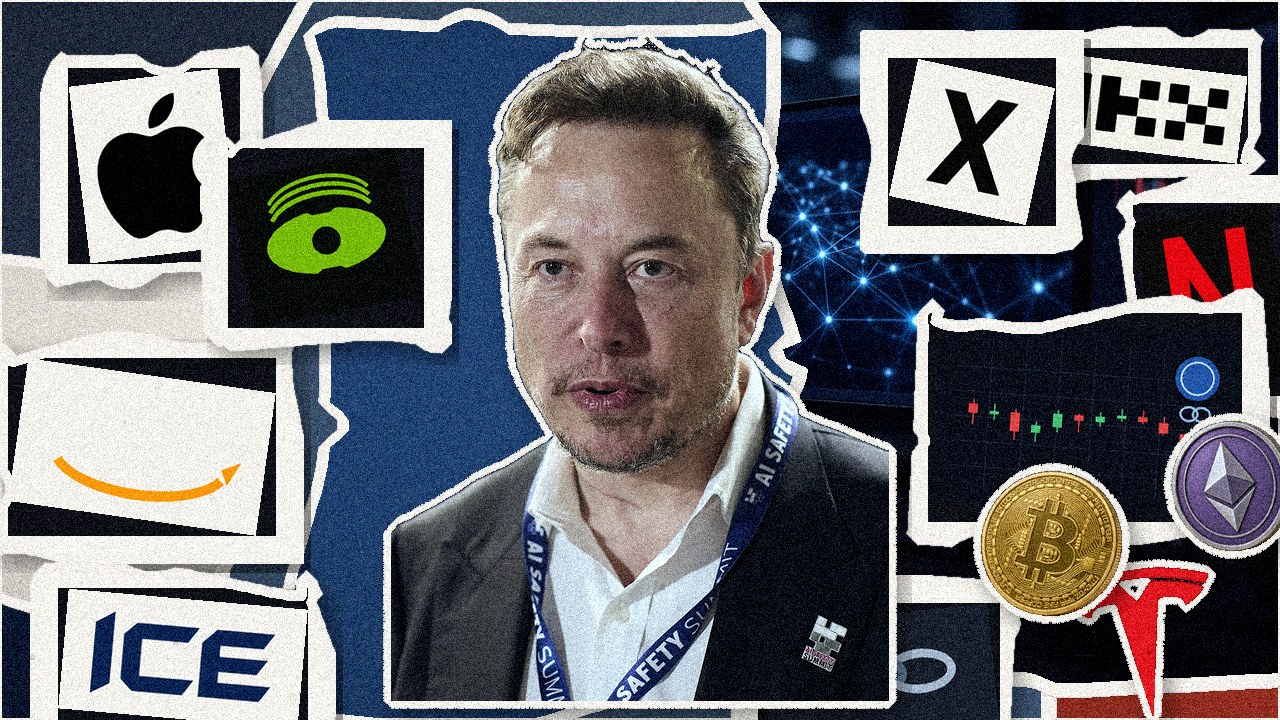
Among the high-profile additions to the objection list are global innovators and market leaders such as Tesla, Amazon, Netflix, and SpaceX. These companies join a growing roster that previously included firms like NVIDIA, Costco, and Nike, creating a united front of traditional equity issuers who have expressed deep reservations about their shares being wrapped, mirrored, or traded as tokenized derivatives without explicit corporate consent. Other notable market participants, including technology firms, financial platforms, and blockchain infrastructure providers such as Strategy, Robinhood, Coinbase, Circle, Palantir, BitGo, and Securitize, continue to monitor the situation closely, as the outcome of this dispute threatens to set a powerful precedent for the entire tokenized asset sector.
The core argument put forth by the objecting issuers centers on control, regulatory exposure, and brand integrity. Representatives for these companies argue that unauthorized tokenized versions of their stocks could expose retail and institutional investors to unverified risks, complicate compliance with securities laws, and dilute the direct relationship between the issuer and its shareholders. Furthermore, corporate legal teams have raised concerns regarding liability, potential market manipulation in secondary decentralized liquidity pools, and the absence of consumer protection mechanisms native to traditional brokerage accounts.
Regulatory Frameworks and the SEC Innovation Exemption Window
At the heart of this unfolding controversy is the regulatory framework governing digital assets and tokenized securities in the United States. The platform at the center of the dispute, OKXICE, relies on a regulatory pathway often associated with innovation exemptions or specialized filing procedures designed to test new financial products. Under these provisions, regulatory bodies such as the U.S. Securities and Exchange Commission (SEC) typically establish a structured review period—frequently structured around a 30-day window—during which issuers and interested parties can lodge objections or feedback regarding proposed tokenized versions of traditional equities (often referred to as TSVs or tokenized stock variants).
The chronology of the current dispute began when the filing notices were published, initiating a countdown that culminated with a strict response deadline. During this period, the issuing platforms argue that their tokenized models provide enhanced market access, round-the-clock trading capabilities, and automated market-making (AMM) efficiencies that benefit modern investors. However, the regulatory mechanism allows for public and corporate comment precisely to gauge whether such products conflict with existing statutory frameworks or overstep the boundaries of traditional equity issuance.
Legal experts note that the 30-day window is designed to serve as a safety valve for capital markets, giving established corporations a formal mechanism to halt or review financial products that leverage their corporate identity without direct partnership. The sheer volume of objections received by the SEC and associated regulatory touchpoints indicates that corporate America is not yet prepared to embrace decentralized or third-party tokenization without comprehensive legal clarity and direct oversight from the original issuers.
Industry Perspectives: Balancing Innovation with Corporate Governance
The standoff has drawn commentary from various market participants, legal advisors, and financial regulators. Andrew Cuomo, a prominent figure tracking market developments and regulatory compliance, recently emphasized that many public companies are adopting a "wait-and-see" approach, preferring to let pioneering platforms test the regulatory waters before committing their own corporate strategies to blockchain integration.
According to Cuomo and other financial analysts, the core tension lies in the fundamental philosophy of public equity ownership. Traditional stock markets operate under strict regulatory oversight, with established clearinghouses, transfer agents, and broker-dealers ensuring that ownership is accurately recorded and protected. Tokenized stocks, by contrast, often seek to abstract these layers into decentralized protocols, smart contracts, and cross-border digital wallets. While proponents argue that this creates a more inclusive, frictionless, and global financial ecosystem, corporate issuers remain fiercely protective of their capital structures and shareholder registries.
The resistance from the Magnificent Seven and other major firms highlights a critical chasm between Silicon Valley’s "move fast and break things" ethos and Wall Street’s deeply rooted adherence to risk management and regulatory compliance. Even as some forward-thinking enterprises explore native blockchain applications for supply chain management or internal settlement, they draw a definitive line when it comes to secondary market trading of their equity instruments on external crypto platforms.
Broader Implications for the Tokenized Asset Market
The outcome of the OKXICE dispute is widely expected to serve as a bellwether for the future of real-world asset (RWA) tokenization. As blockchain technology continues to mature, bridging traditional finance (TradFi) with decentralized finance (DeFi) has emerged as one of the most heavily capitalized sectors in the financial technology industry. Institutional giants and nimble fintech startups alike have poured resources into developing compliant frameworks for tokenized bonds, real estate, and equities.
However, the aggressive pushback from 56 major corporations demonstrates that tokenization cannot simply bypass the traditional governance structures of public companies. If regulatory bodies ultimately side with the objecting issuers, platforms seeking to offer tokenized equities may be forced to secure formal licensing agreements, revenue-sharing models, or direct partnerships with every underlying company whose stock they wish to tokenize. This would introduce significant friction into the expansion of tokenized products, potentially favoring centralized, issuer-approved digital securities over permissionless or third-party wrappers.
Conversely, if regulators permit the tokenization initiatives to proceed despite corporate objections, it could open the floodgates for a massive expansion of decentralized equity trading, challenging the traditional monopoly held by legacy stock exchanges and clearinghouses. Such a shift would fundamentally alter how liquidity flows through global capital markets, forcing public companies to adapt to an environment where their shares circulate freely across borderless blockchain networks whether they endorse the underlying infrastructure or not.
As the regulatory review period concludes and legal teams pore over the hundreds of pages of comments submitted by the dissenting firms, all eyes remain fixed on the regulatory authorities. The decisions made in the coming weeks will likely define the legal boundaries of asset tokenization for years to come, establishing whether the future of global equity trading will be built on collaborative partnerships between traditional giants and crypto innovators, or defined by protracted legal battles over corporate sovereignty in the digital age.
Related posts: