The automotive landscape in the United States has undergone a seismic shift toward electrification, with legacy automakers and EV-first brands aggressively fighting for market share. Amidst this competitive backdrop, the Hyundai IONIQ 5 has firmly established itself as a powerhouse, maintaining its position as the best-selling electric vehicle in America outside of Tesla’s ecosystem. Through the third quarter of the year, the IONIQ 5 secured the third spot in overall US EV sales, trailing only the ubiquitous Tesla Model Y and Model 3.
Remarkably, Hyundai’s compact-to-midsize electric crossover has managed to outsell heavy-hitting mainstream rivals, including the Chevrolet Equinox EV, the Ford Mustang Mach-E, and Toyota’s bZ series. However, a closer look at current promotional lease structures reveals a fascinating market anomaly: Hyundai’s much larger, three-row flagship electric sibling, the IONIQ 9, presents an unexpectedly compelling financial value proposition that challenges the dominance of its smaller stablemate.
Understanding the Genesis of Hyundai’s EV Pricing Strategy
The aggressive pricing and promotional lease deals defining Hyundai’s current showroom floor can be traced back to a major regulatory and market shift that occurred when the federal $7,500 EV tax credit experienced a significant restructuring and expiration phase at the end of the previous year. Rather than allowing sales momentum to stall in the face of rising consumer hesitation, Hyundai executed a preemptive and aggressive pivot. The South Korean automotive giant slashed the manufacturer’s suggested retail prices (MSRP) on the IONIQ 5 by nearly $10,000 across specific trims, effectively recalibrating the baseline for affordable electric mobility in the United States.
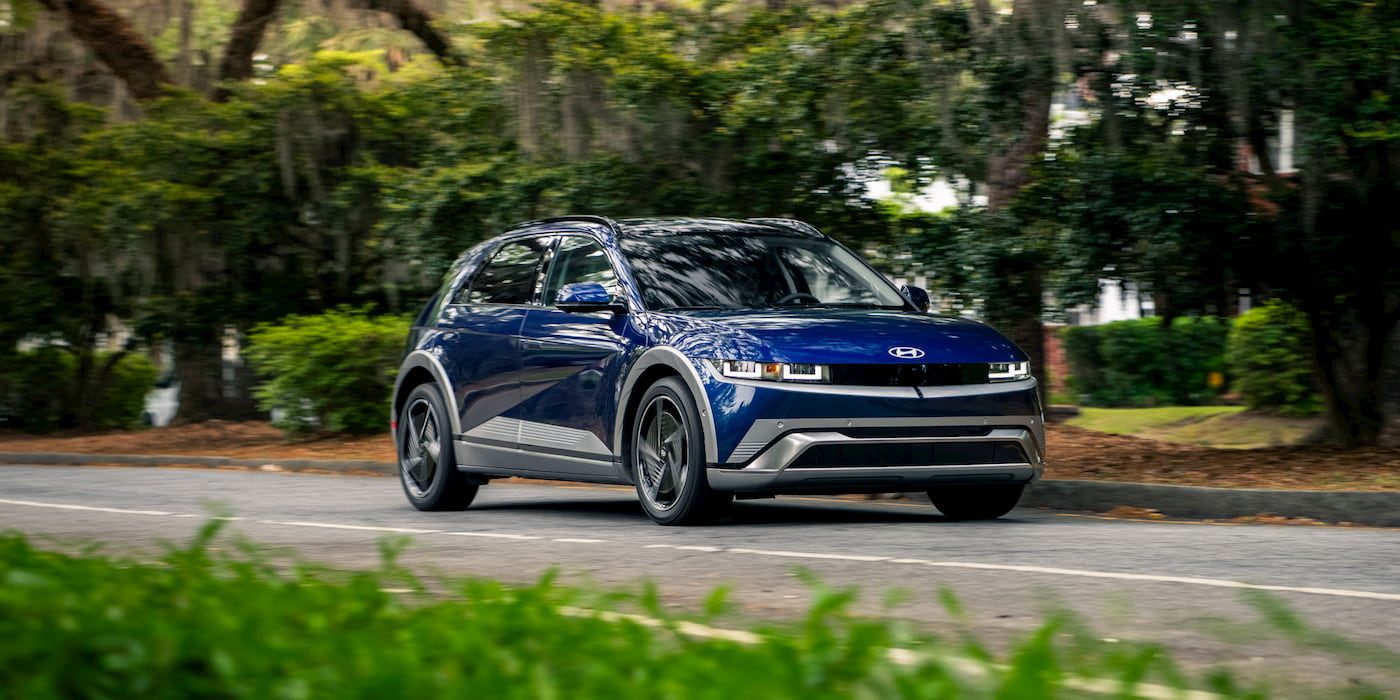
By the introduction of the 2027 model year, the entry-level Hyundai IONIQ 5 SE started at a highly competitive $35,250 for the standard-range variant, which delivers an EPA-estimated driving range of up to 245 miles. For consumers seeking greater travel flexibility, upgrading to the extended-range SE rear-wheel-drive (RWD) model requires a modest $2,500 premium, pushing the starting MSRP to $37,750 while extending the EPA range to an impressive 318 miles.
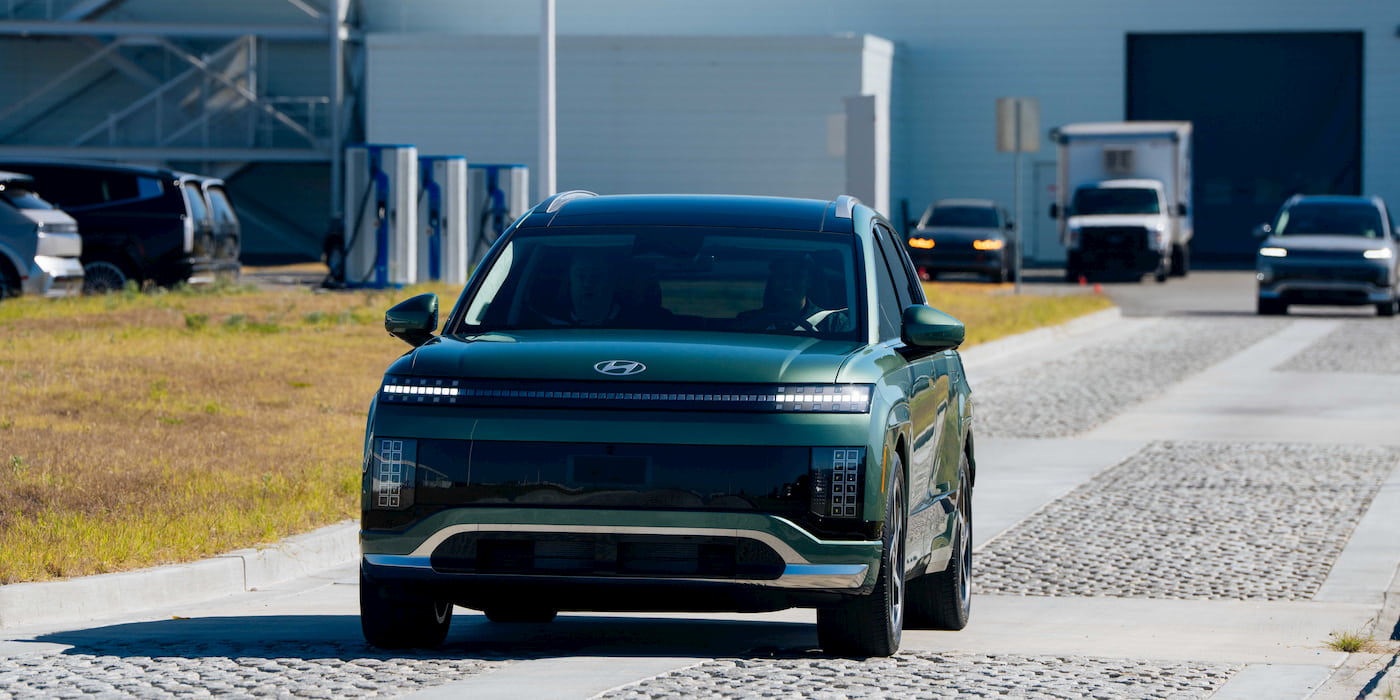
In contrast, Hyundai’s newly launched three-row electric SUV, the IONIQ 9, commands a significantly higher starting price of $58,955—representing an absolute gap of roughly $24,000 over the base IONIQ 5 SE. Yet, when analyzing the monthly commitments required to bring these vehicles home through promotional leasing channels, that vast price gulf narrows dramatically.
A Detailed Financial Breakdown: IONIQ 5 vs. IONIQ 9 Lease Comparisons
To comprehend why the IONIQ 9 is emerging as an unheralded value leader, automotive analysts must dissect the nuanced mathematics of Hyundai’s current promotional lease offers, which are slated to run through the end of November.

For the 2027 Hyundai IONIQ 5 SE Standard Range, Hyundai’s promotional financing lists a 24-month lease starting at $359 per month, paired with a required $4,999 due at signing. When amortizing the down payment across the two-year term, the effective monthly cost climbs to approximately $567. Opting for the extended-range IONIQ 5 SE RWD adjusts the monthly payment slightly to $369, keeping the $4,999 down payment intact and resulting in an effective monthly outlay of $577.
Meanwhile, the substantially larger, three-row IONIQ 9 is being aggressively promoted with a starting lease rate of $419 per month. While this offer similarly demands $4,999 due at signing, it is structured across a longer 36-month term. Consequently, the effective monthly cost for Hyundai’s largest electric flagship drops to roughly $557—making it cheaper to finance on a monthly basis than the smaller, mid-range IONIQ 5 variants.
Furthermore, utilizing Hyundai’s official online payment calculator for a direct comparison under identical terms reveals that leasing a 2027 IONIQ 5 SE for 36 months with $4,999 due at signing yields an effective cost of $550 per month. This means consumers can step up from a two-row midsize crossover to a massive, three-row luxury-grade electric SUV for a mere $7 per month difference.

Weighing Specifications: Dimensions, Passenger Volume, and Range
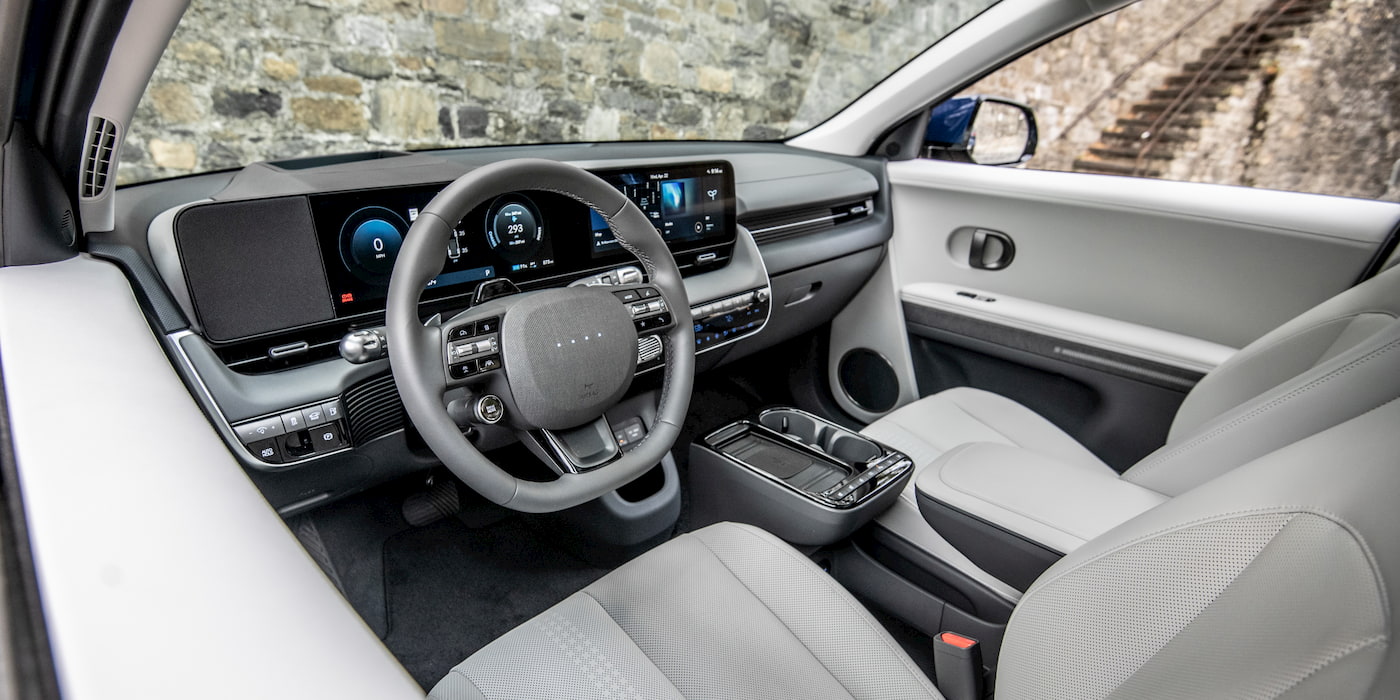
The financial parity between the two models forces prospective buyers to weigh physical dimensions, daily utility, and raw performance metrics. The IONIQ 5 is categorized as a midsize electric crossover, sharing a physical footprint roughly comparable to the Tesla Model Y. It provides two rows of seating optimized for up to five occupants, offering an interior passenger volume of up to 106.5 cubic feet.
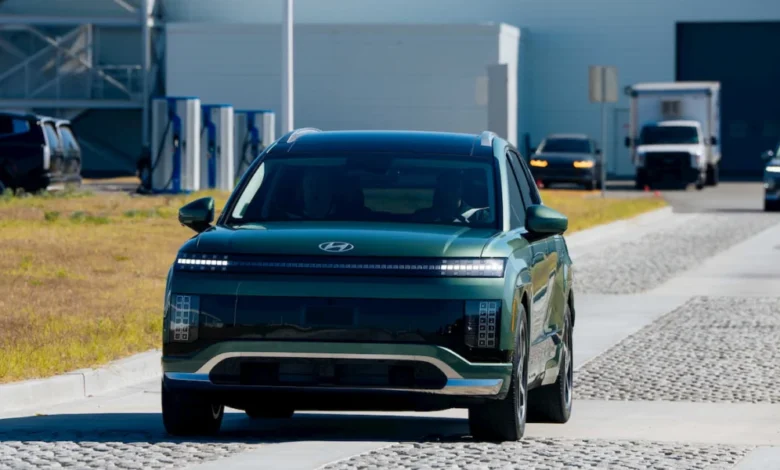
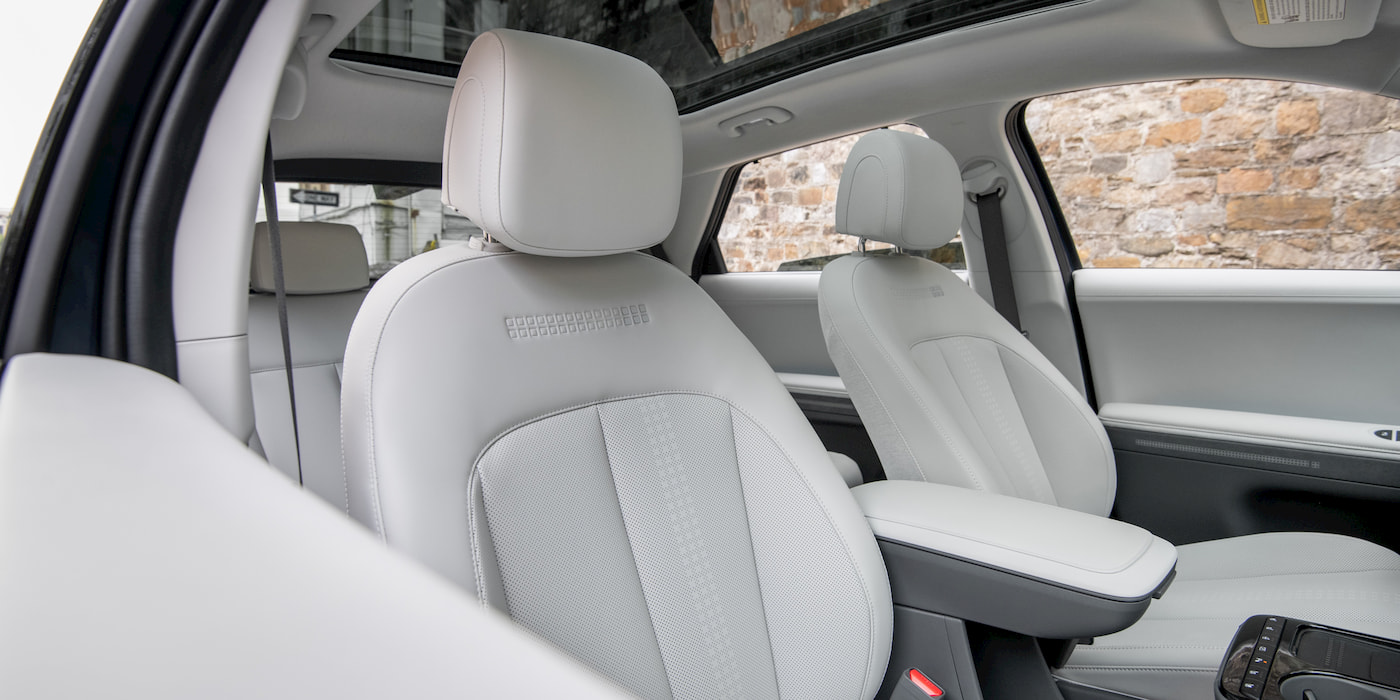
The IONIQ 9, on the other hand, is a cavernous three-row vehicle designed to cater to larger families and road-trip enthusiasts. It provides flexible six- or seven-seat configurations and expands the interior passenger volume to a massive 163.54 cubic feet. Beyond sheer passenger space, the IONIQ 9 also holds an advantage in baseline efficiency and range; its base SE trim boasts an EPA-estimated driving range of up to 335 miles, eclipsing the base IONIQ 5 and rivaling many long-range competitors in the premium segment.
Despite these divergent sizing metrics, both vehicles leverage Hyundai’s advanced Electric-Global Modular Platform (E-GMP), ensuring ultra-fast charging capabilities that allow drivers to replenish their battery packs from 10% to 80% in roughly 18 minutes under optimal DC fast-charging conditions.
Competitive Landscape: Facing Off Against the Tesla Model Y
To contextualize Hyundai’s lease aggression, one must examine the reigning market leader: the Tesla Model Y. The standard Tesla Model Y RWD is commercially listed for lease starting at $499 per month with an EPA-estimated range of up to 321 miles, based on a 36-month term requiring a lower $3,000 down payment.
However, aligning the parameters to match Hyundai’s standard promotion—such as applying a $4,999 down payment toward a 24-month Tesla Model Y lease via Tesla’s financial calculator—adjusts the monthly rate to approximately $549. While the Model Y remains a formidable competitor, Hyundai’s pricing strategy provides consumers with viable, highly competitive alternatives that either undercut Tesla on price or drastically outperform it in terms of cabin space and seating capacity.
Domestic Manufacturing and the Conquest Rate Phenomenon
A critical pillar supporting Hyundai’s aggressive leasing and pricing strategy is its localized manufacturing footprint. Both the IONIQ 5 and the IONIQ 9 are proudly assembled at the newly established Hyundai Motor Group Metaplant America (HMGMA) facility located just outside Savannah, Georgia.
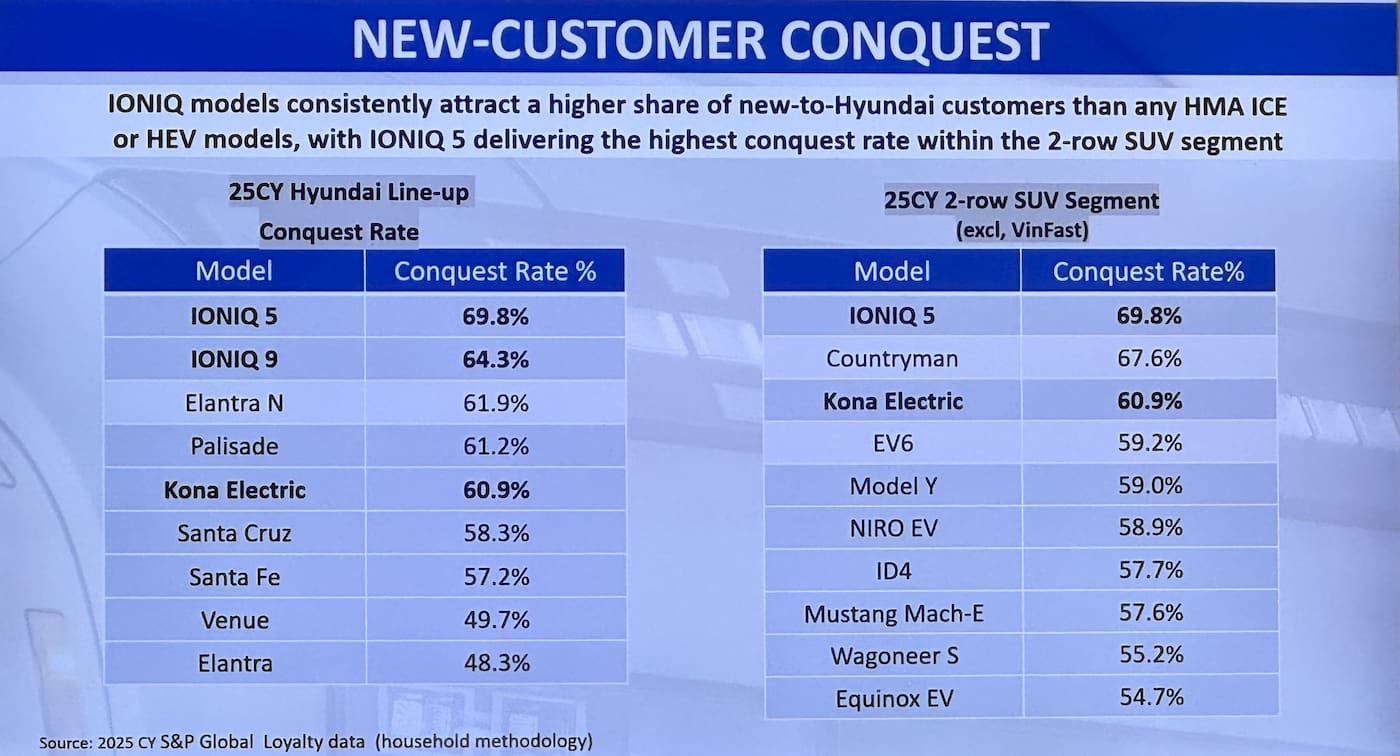
Corporate executives and manufacturing officials who hosted media tours at the Metaplant earlier this year emphasized that Hyundai’s dedicated electric vehicle lineup is serving as a powerful magnet for new consumers. Statistical data shared by the automaker indicates that its battery-electric SUVs are drawing brand-switchers at a significantly higher conversion rate than traditional internal combustion engine (ICE) vehicles or hybrid models.
Specifically, the IONIQ 5 recorded an impressive conquest rate of nearly 70% (69.8%) over the past year, meaning that nearly seven out of ten buyers previously owned a vehicle from a competing automotive brand. The larger IONIQ 9 followed closely behind with a robust conquest rate of 64.3%. For context, these figures outpace traditional heavyweights in Hyundai’s portfolio, such as the Elantra N (61.9%), the Palisade SUV (61.2%), and the smaller Kona Electric (60.9%).
Implications for Prospective EV Buyers

As the automotive industry navigates shifting consumer demands and fluctuating economic conditions, Hyundai’s current promotional alignment offers a rare window of opportunity for EV adopters. With the manufacturer’s special promotional lease rates scheduled to conclude at the end of November, buyers face a crucial decision point.
For motorists who prioritize nimble handling, standard garage-friendly dimensions, and a lower overall acquisition cost, the IONIQ 5 remains an industry benchmark. However, for growing families, road-trip aficionados, or drivers who simply want maximum metal, extensive passenger volume, and superior range for virtually the exact same monthly financial commitment, stepping up to the three-row IONIQ 9 presents a remarkably logical and financially shrewd alternative.
Related posts: