2027 Audi Q7 Debuts with Major Styling Overhaul and Increased Pricing to Compete in the Premium SUV Market

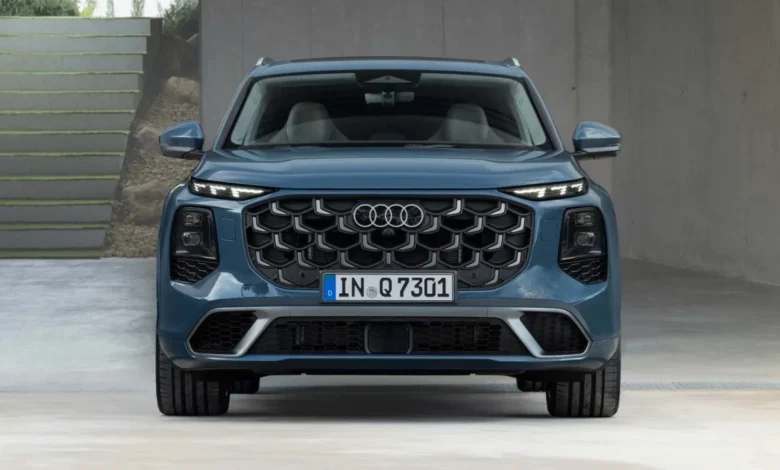
Audi has officially unveiled a significant refresh for its flagship mid-size luxury SUV, the 2027 Audi Q7, marking a pivotal moment in the brand’s strategy to maintain its dominance in the internal combustion engine (ICE) market. As the automotive industry pivots toward electrification, Audi is doubling down on its core portfolio by providing the Q7 with a comprehensive overhaul that includes aggressive new styling, modernized powertrain configurations, and an infusion of the latest cabin technologies. When the updated SUV reaches dealerships in the United States during the fourth quarter of this year, it will carry a starting price of $70,900, representing a $3,300 increase over the outgoing 2026 model.
The 2027 model year represents more than just a aesthetic facelift; it is a calculated effort to bridge the gap between Audi’s traditional engineering excellence and the digital expectations of modern luxury buyers. The price hike reflects both the inflationary pressures of the global supply chain and the inclusion of higher-tier standard equipment that was previously relegated to the options list.
Engineering and Performance: A Shift in Power
The most significant technical update for the 2027 Audi Q7 lies under the hood. The standard model now features a twin-turbocharged 2.9-liter V6 engine, a departure from the previous 3.0-liter displacement used in earlier iterations of the second-generation Q7. This power plant delivers a robust 429 horsepower and 442 pound-feet of torque. This output is a substantial leap from previous entry-level V6 configurations, allowing the large SUV to reach 60 miles per hour in just 4.8 seconds. This performance figure represents a 0.7-second improvement over the previous year’s model, a gain that is particularly notable for a vehicle of this weight and stature.
For enthusiasts seeking a more visceral driving experience, Audi continues to offer the high-performance SQ7. This variant utilizes a twin-turbocharged 4.0-liter V8 engine, producing a massive 591 horsepower and 590 lb-ft of torque. The SQ7’s performance metrics place it firmly in the territory of dedicated sports cars, with a 0-60 mph sprint time of 3.7 seconds—a 0.3-second improvement over its predecessor. To acquire this level of performance, buyers must be prepared for a higher financial commitment; the 2027 SQ7 starts at $98,700, which is $4,900 more than the 2026 version.
Both engines are paired with an eight-speed Tiptronic automatic transmission and Audi’s legendary Quattro all-wheel-drive system. The 2027 refresh also includes recalibrated air suspension systems on higher trims, designed to provide a more distinct separation between "Comfort" and "Dynamic" driving modes, ensuring that the Q7 remains as capable on a winding mountain road as it is on a long-distance highway cruise.
Aesthetic Evolution and Exterior Refinements
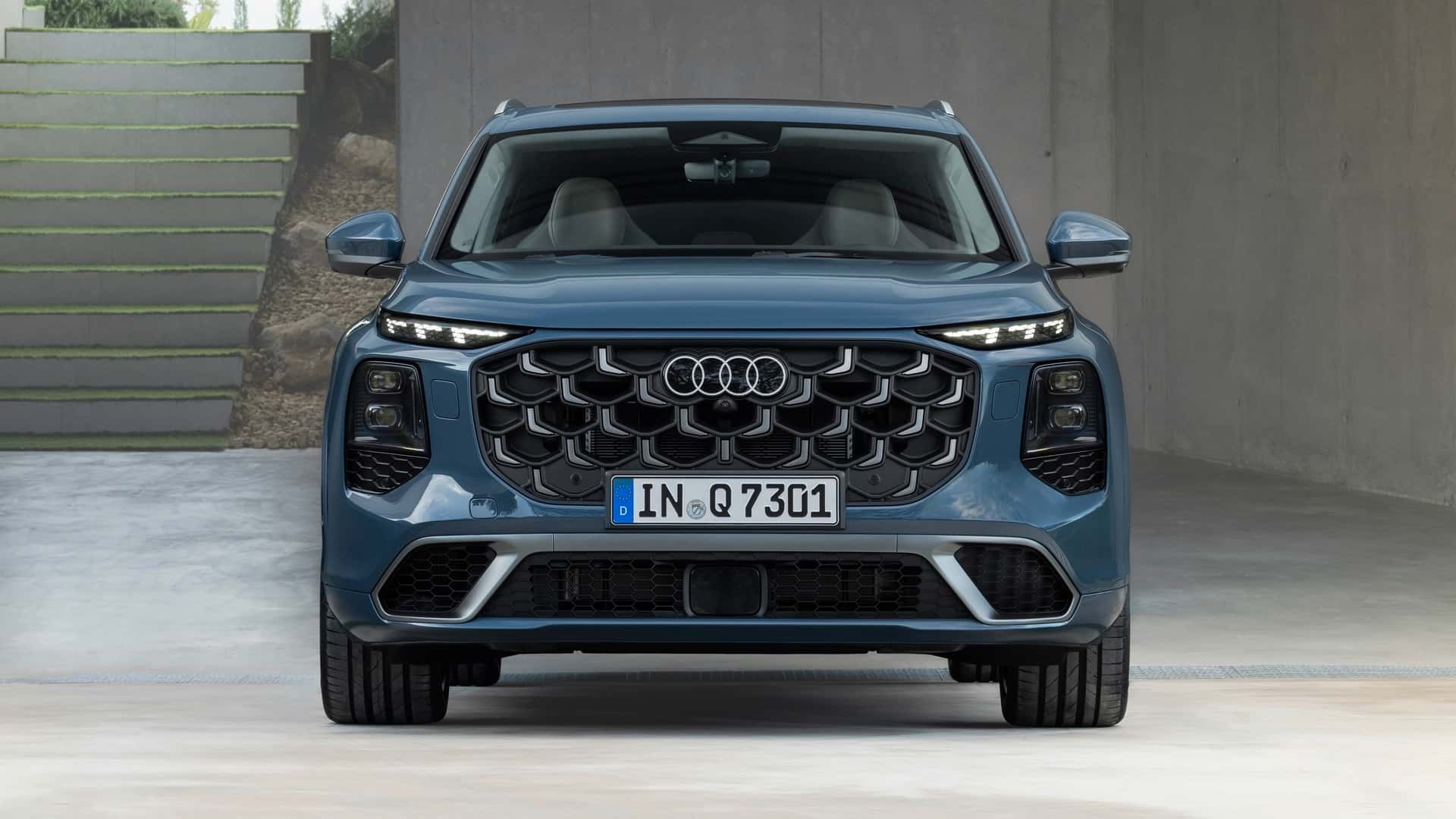
Visually, the 2027 Q7 adopts the latest design language seen in Audi’s e-tron electric lineup. The most prominent change is the redesigned Singleframe grille, which now features an octagonal theme with vertical inlays. This gives the SUV a more upright and commanding presence. The front fascia is flanked by reworked air intakes that emphasize the vehicle’s width.
Lighting technology remains a cornerstone of Audi’s identity. The 2027 Q7 introduces HD Matrix LED headlights with laser light technology as an available option. These units not only provide superior illumination but also offer digital daytime running light signatures. Drivers can choose from four different light designs via the infotainment system, allowing for a degree of personalization never before seen in the Q7 lineup. At the rear, digital OLED taillights offer similar customization and include a proximity sensor that illuminates all OLED segments if another vehicle approaches within 6.6 feet of a stationary Q7.
Interior Innovation and Technological Integration
The cabin of the 2027 Audi Q7 has been updated to serve as a digital sanctuary. While the fundamental layout remains familiar, the software architecture has been completely overhauled. The Audi Virtual Cockpit now features enhanced graphics and can display lane-change warnings, distance warnings for other road users, and intersection assistance in high-definition quality.
Furthermore, Audi has expanded the capabilities of its Infotainment system by allowing third-party apps to be installed directly into the MMI (Multi Media Interface). For the first time, Q7 owners can access applications such as Spotify, Amazon Music, and YouTube without needing to route them through a smartphone interface like Apple CarPlay or Android Auto, though both of those remains standard for those who prefer them.
The Q7 continues to differentiate itself from its primary rivals by offering three rows of seating as standard equipment. This "5+2" configuration remains a key selling point for families who require occasional seven-passenger capacity but do not wish to move up to a full-size SUV like the Audi Q8 or a competitors’ larger offerings.
Market Context and Competitive Analysis
The luxury mid-size SUV segment is one of the most competitive and profitable niches in the automotive world. Audi’s decision to increase the Q7’s price to $70,900 places it in a delicate position relative to its German rivals, BMW and Mercedes-Benz.
| Model | Starting Price (2027) | Base Engine Type | Standard Seating |
|---|---|---|---|
| Audi Q7 | $70,900 | 2.9L Twin-Turbo V6 (429 hp) | 3 Rows |
| BMW X5 | $69,800 | 3.0L Turbo I6 (375 hp) | 2 Rows |
| Mercedes-Benz GLE | $62,250 (2026 Price) | 2.0L Turbo I4 (255 hp) | 2 Rows |
As shown in the data, the Audi Q7 is the most expensive entry-point among the "Big Three" German manufacturers. However, a deeper analysis reveals a more nuanced value proposition. The BMW X5 starts at $69,800 for the sDrive40i model, which features a 375-hp inline-six engine and only two rows of seats. To match the Audi’s standard all-wheel drive and three-row utility, a BMW buyer would need to spend significantly more on options.
Similarly, the Mercedes-Benz GLE’s lower starting price of $62,250 is deceptive, as it applies to the GLE 350, which is powered by a much less potent four-cylinder engine. When compared to the GLE 450—which utilizes a 375-hp six-cylinder engine—the Mercedes price jumps to $72,250, making the Audi Q7 appear more competitively priced in the "six-cylinder luxury" sub-segment.
Historical Chronology of the Audi Q7
To understand the importance of the 2027 overhaul, one must look at the Q7’s trajectory over the last two decades:
- 2005: Audi launches the first-generation Q7 at the Frankfurt Motor Show, marking the brand’s first foray into the SUV market.
- 2015: The second-generation Q7 debuts, built on the MLB Evo platform, significantly reducing weight and introducing a more car-like driving dynamic.
- 2020: A mid-cycle refresh introduces the "twin-screen" interior layout and updated exterior styling.
- 2024 (Current): The 2027 model year overhaul is announced, providing the most substantial performance and technology upgrades since the second generation’s debut.
This timeline illustrates that Audi is extending the lifecycle of the current Q7 platform, likely intending for this "2027" version to serve as the final high-water mark for the combustion-powered Q7 before a fully electric successor eventually takes its place in the 2030s.
Broader Impact and Industry Implications
The release of the 2027 Audi Q7 highlights a broader trend in the luxury automotive sector: the "premiumization" of existing models. As manufacturers invest billions into EV development, they are simultaneously increasing the prices of their remaining ICE vehicles to fund that transition. By packing more horsepower and advanced lighting tech into the base Q7, Audi is justifying a higher MSRP while catering to a buyer demographic that still values the range and convenience of gasoline engines.
Industry analysts suggest that the Q7’s updated V6 and V8 engines are likely the last purely internal combustion units of their kind from Audi. The focus on software integration and "digital signatures" in lighting also points toward a future where hardware is standardized, and luxury is defined by software-enabled features and aesthetic customization.
Official Response and Market Outlook
While Audi executives have not released a specific statement regarding the $3,300 price jump, the company’s marketing materials emphasize "uncompromising versatility" and "pioneering technology." Dealers in the United States are reportedly optimistic about the Q7’s arrival, citing strong demand for three-row luxury vehicles that do not require the lifestyle changes associated with a transition to a battery-electric vehicle (BEV).
As the 2027 Audi Q7 begins arriving in showrooms later this year, it will face a market that is increasingly crowded with both traditional rivals and new electrified challengers. However, with its improved 0-60 mph times, refreshed aesthetic, and standard three-row configuration, the Q7 remains a formidable contender for the title of the ultimate family luxury hauler. Consumers will ultimately decide if the $70,900 entry fee is a fair price for what Audi considers its most refined SUV to date.