Fasting and gut bacteria synergy emerges as a new frontier for protecting healthy tissue during radiation therapy

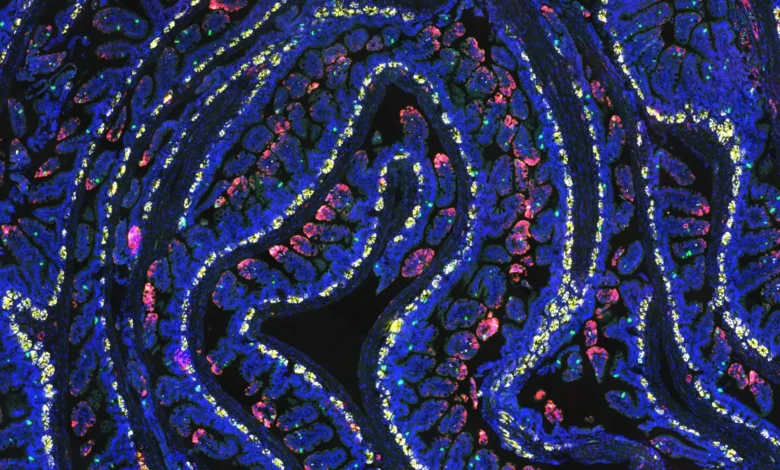
A groundbreaking study conducted at The University of Texas MD Anderson Cancer Center has unveiled a sophisticated biological mechanism that could redefine how clinicians approach the collateral damage associated with cancer treatment. Researchers have identified that a 24-hour fast, when coupled with the presence of a specific gut bacterium, creates an “emergency preparedness” state in the intestinal lining. This finding, published in the Proceedings of the National Academy of Sciences, offers a potential roadmap for mitigating the debilitating side effects of radiation therapy, which remains a cornerstone of treatment for millions of cancer patients worldwide.
The Challenge of Abdominal Radiation
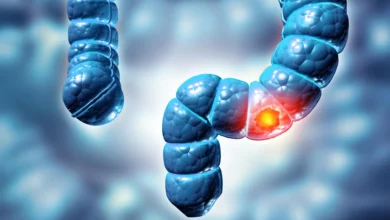
Radiation therapy, while highly effective at inducing DNA damage in malignant cells to halt their proliferation, is notoriously indiscriminate. When used to treat cancers located in the abdomen—such as pancreatic, colorectal, or gynecologic malignancies—the high-energy beams often penetrate healthy tissue surrounding the tumor. The small intestine is uniquely susceptible to this damage due to the rapid turnover rate of its epithelial cells, which are constantly regenerating to maintain the gut barrier.
When radiation strikes this delicate lining, the resulting clinical condition, known as radiation enteritis, manifests as severe nausea, chronic diarrhea, and systemic inflammation. In extreme cases, the degradation of the mucosal barrier can lead to bacterial translocation, where gut microbes enter the bloodstream, potentially causing sepsis. Because the risk of these toxicities is high, oncologists are often forced to limit the dosage of radiation, a compromise that may inadvertently reduce the therapy’s efficacy against the tumor itself. Finding ways to selectively protect healthy tissue while maintaining or enhancing the lethality of the radiation against cancer cells has long been a "holy grail" of radio-oncology.
The Chronology of Discovery
The research journey that led to these findings began years ago in the Piwnica-Worms Laboratory at MD Anderson. Previous experiments conducted by the team established the initial proof-of-concept: mice subjected to a 24-hour fast prior to radiation exposure demonstrated significantly higher survival rates and faster intestinal recovery compared to those that were fed. However, the exact biological pathway—the "how" behind this protection—remained elusive for years.
The current study, co-led by Dr. Helen Piwnica-Worms, professor of Experimental Radiation Oncology, and Dr. Kunal Rai, professor of Genomic Medicine, sought to fill this gap. By utilizing advanced genomic sequencing and microbiome analysis, the team investigated the metabolic shifts that occur during short-term caloric restriction. They discovered that the fast was not merely a state of nutrient deprivation, but a precise signal that altered the intestinal microenvironment.
The Role of Akkermansia muciniphila
The researchers identified Akkermansia muciniphila (AKK)—a well-known, mucin-degrading bacterium—as the critical intermediary. During a 24-hour fast, the abundance of AKK in the small intestine increases. This microbe metabolizes components of the gut lining to produce propionate, a short-chain fatty acid that serves as a vital signaling molecule.
The study revealed that propionate acts as an epigenetic regulator. It influences the modification of histones, the protein spools around which DNA is wrapped. By inducing specific chemical markers on these histones, the gut cells are essentially "primed" to express genes associated with cellular regeneration. When the radiation occurs, these cells are already primed with the necessary genetic instructions to enter a hyper-regenerative state, allowing the intestine to repair its damaged barrier more efficiently than would be possible under normal, fed conditions.
To confirm the necessity of this bacterium, the researchers performed "loss-of-function" experiments. When AKK was depleted from the gut microbiome, the protective effects of the 24-hour fast vanished entirely. Crucially, the researchers were able to rescue the protective phenotype by reintroducing AKK into the microbiome, proving that the bacterium is an essential component of the biological repair mechanism.
Data-Driven Implications for Oncology
The implications of this research extend beyond the laboratory. By understanding the interplay between diet, microbiota, and cellular health, medical science moves closer to "precision supportive care."
Supporting data from the study suggests that this mechanism involves the expansion of a specific population of intestinal stem cells that are poised for rapid proliferation. This is a significant finding, as it suggests that fasting does not simply protect existing cells but accelerates the replacement of damaged cells.
From an clinical standpoint, the researchers note that the traditional approach to cancer care often involves encouraging patients to maintain high caloric intake to avoid weight loss. While nutrition remains essential for patients, this study suggests that strategic, short-term fasting protocols might be integrated into treatment plans to act as a shield for healthy tissue.
Expert Perspectives and Future Directions
Dr. Helen Piwnica-Worms described the process as akin to an "emergency preparedness plan" for the cells. "Fasting helps prepare intestinal cells to respond more quickly and effectively after injury," she explained. "This study helps explain how that plan is organized and identifies a key bacterium involved in coordinating the response."
However, the researchers are careful to emphasize the distinction between preclinical findings and clinical application. The study was conducted in mouse models, and while the biological pathways are conserved in mammals, the translation to human patients requires rigorous scrutiny.
Dr. Kunal Rai highlighted the practicality concerns, noting that, "Fasting is not always practical for cancer patients, and this work supports several other potential ways to enhance recovery after treatment." For a patient already dealing with the physical and psychological toll of a cancer diagnosis, a 24-hour fast may be difficult or even contraindicated depending on their nutritional status and stage of disease.
Consequently, the research team is already looking toward the next phase: "metabolite therapy." Instead of requiring the patient to fast, clinicians might eventually use oral supplements containing propionate or probiotics containing Akkermansia muciniphila to simulate the protective effects of fasting without the need for food restriction.
Broader Impact on Cancer Therapy
The potential for this discovery extends well beyond the intestines. If the AKK-propionate pathway can prime cells for regeneration, researchers believe it could be applicable to other tissues with high cell-turnover rates, such as the bone marrow. Bone marrow suppression is a frequent and dangerous side effect of many chemotherapy and radiation regimens, leading to anemia, infection, and bleeding.
If scientists can identify similar "priming" mechanisms for hematopoietic stem cells, the safety profile of aggressive cancer therapies could be fundamentally altered. This would allow for higher, more effective doses of radiation to be delivered to tumors, as the clinician would have a "safety net" in place to protect the patient’s critical organ systems.
Funding and Next Steps
This project received significant backing from the National Cancer Institute (NCI) and the Cancer Prevention and Research Institute of Texas (CPRIT), underscoring the importance of the work in the current landscape of cancer research. The next steps will involve longitudinal human studies to determine if the AKK-propionate pathway operates identically in the human gut and whether exogenous administration of these elements can effectively protect human tissue from radiation-induced injury.
As the scientific community continues to move toward personalized medicine, the integration of microbiome science into oncology represents a paradigm shift. Rather than viewing the gut microbiome as a bystander, this study cements its role as a active participant in the body’s response to medical intervention. For cancer patients, this research offers a glimmer of hope that the future of treatment will be not only more effective at eradicating disease but significantly more compassionate toward the healthy body.