COP31 in Antalya sets record for global climate summit attendance with over 95,000 registered participants

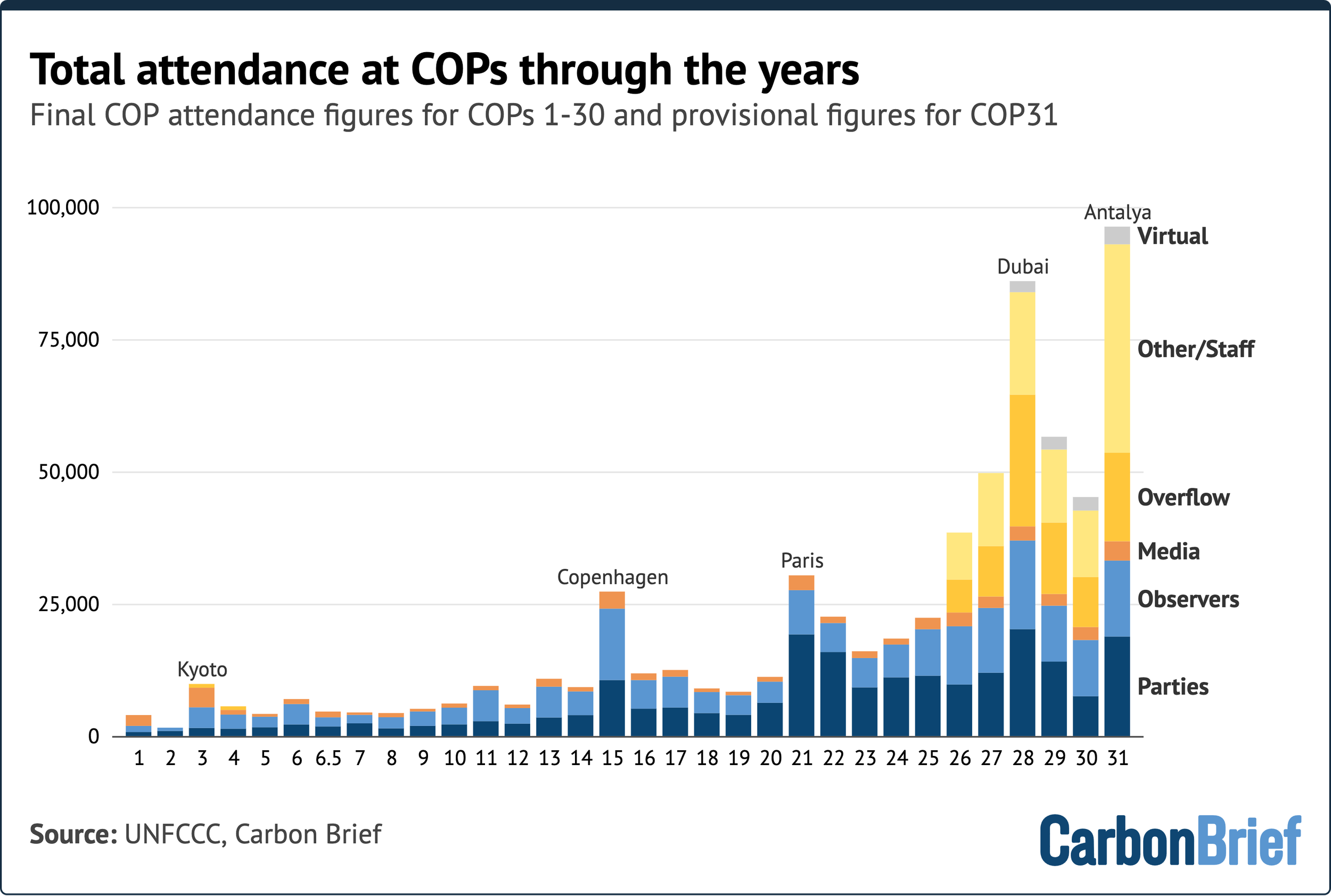
The COP31 climate summit currently unfolding in Antalya, Turkey, has officially reached a historic milestone, with provisional registration figures confirming that more than 92,000 individuals are slated to attend in person. When accounting for the 3,000 virtual participants registered to engage with the summit’s proceedings remotely, the total number of attendees exceeds 95,000, establishing this year’s conference as the largest climate summit in the history of the United Nations Framework Convention on Climate Change (UNFCCC). This surge in attendance underscores the escalating intensity of global climate diplomacy and the growing complexity of the challenges facing international negotiators.
A Chronology of Climate Diplomacy
The evolution of the COP (Conference of the Parties) summits reflects the shifting landscape of climate politics. Since the inaugural COP1 in Berlin in 1995, these gatherings have transformed from small, technical diplomatic exchanges into massive international events. While the 1990s and early 2000s saw attendance figures in the low thousands, the scope began to widen significantly following the 2015 Paris Agreement.
The trend toward larger delegations became particularly pronounced in the 2020s. COP28 in Dubai set the previous record with approximately 80,000 participants. The recent COP30 in Belém, Brazil, acted as a bridge between the South American environmental agenda and the current, more expansive discussions in Antalya. The rapid growth in delegate numbers is attributed to the inclusion of a wider array of stakeholders, including climate scientists, indigenous representatives, private sector actors, and, increasingly, "host country guests"—a category that has seen a staggering increase in the current cycle.
Analyzing the Data: Who is Attending COP31?
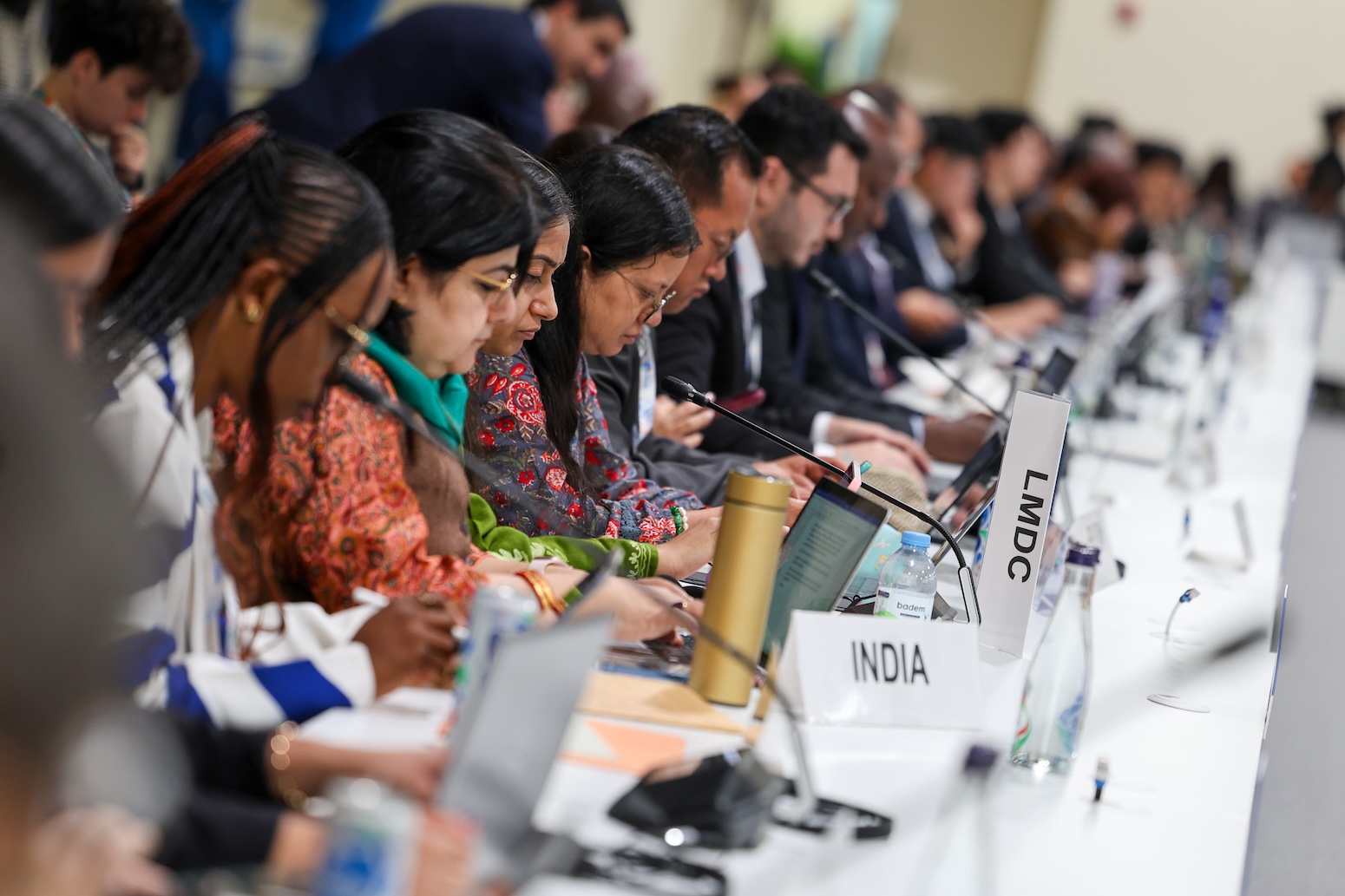
According to the latest UNFCCC provisional lists, the composition of the 92,934 in-person registrants reveals a multi-layered structure of attendance. The largest cohort consists of party delegates—representing nation-states and the European Union—who are responsible for the core negotiating work. This group accounts for approximately 18,812 individuals. However, when factoring in "overflow" delegates—a category used by nations to ensure broader representation among their delegations—the total number of party-affiliated individuals rises to over 34,000.
The host nation, Turkey, leads the list with a significant delegation of 2,950 people, reflecting both the logistical requirements of hosting such a massive event and the government’s desire to play a central role in the outcome. Brazil, maintaining momentum from its hosting of COP30, follows with 1,994 delegates, while Nigeria, China, and Indonesia round out the top five largest delegations.
The disparities in delegation size are notable. While some nations have sent thousands, others remain sparsely represented. North Korea, for instance, has registered only two individuals, and several nations, including Eritrea and Nicaragua, have sent delegations of three or four. Observers note that while delegation size does not always correlate with negotiating influence, it does reflect a country’s capacity to track the myriad of side-events, technical working groups, and informal sessions that occur simultaneously at a modern COP.
Notable Absences and Diplomatic Gaps
Despite the record-breaking attendance, the political landscape at COP31 is marked by several high-profile absences. Consistent with the policy of the previous administration, the United States government has declined to send an official delegation to the summit. This absence leaves a vacuum in the high-level negotiations, particularly concerning the financial commitments required for a global energy transition. Other notable no-shows include Israel and Myanmar.
In the weeks leading up to the conference, speculation circulated regarding the potential attendance of Taliban officials from Afghanistan in an observer capacity. However, the final provisional lists published by the UNFCCC contain no record of such officials, suggesting that either the plans were abandoned or the accreditation process remained unfinalized.

Implications of Increased Attendance
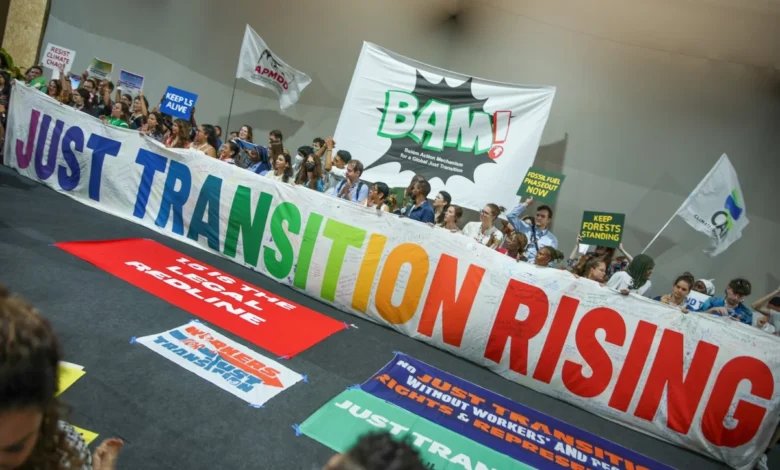
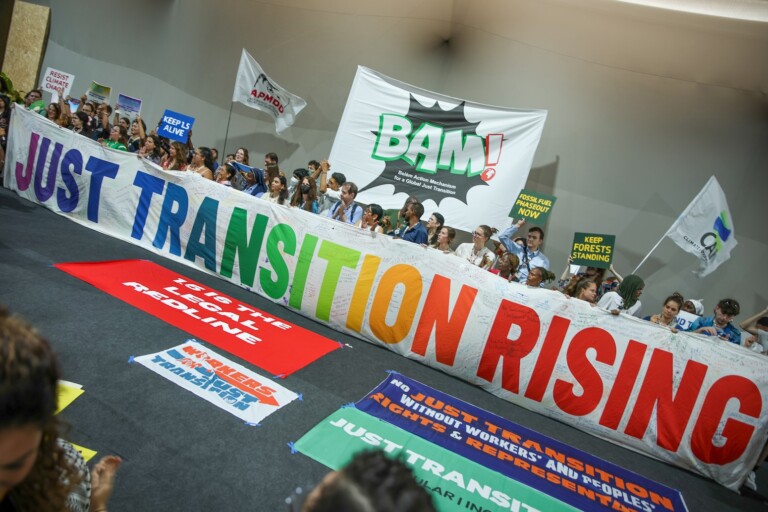
The expansion of the COP format carries both benefits and challenges. Proponents of inclusive diplomacy argue that the presence of nearly 100,000 people—including journalists, NGOs, and technical experts—is essential for the transparency and accountability of climate negotiations. The sheer volume of expertise gathered in Antalya facilitates the "Belém-Antalya mechanism," a framework designed to ensure a "just transition" for labor forces in sectors moving away from fossil fuels.
However, critics and some veteran negotiators express concern that the "festivalization" of COP summits may be hindering, rather than helping, the core objective: the adoption of binding, effective climate policy. The increased numbers create immense logistical strain, often leading to fragmented negotiations where the technical substance of climate treaties can be overshadowed by the sheer noise of the event.
Furthermore, the practice of some nations allocating "party" status to NGO members—a move designed to artificially inflate delegation size—complicates the ability of the international community to accurately measure which states are truly prioritizing technical representation. This obfuscation makes it difficult for outside observers, such as those at Carbon Brief, to determine the specific expertise being brought to the table by each nation.
The Road Ahead: What to Watch
As the summit progresses, the attention of the global community will shift from the attendance numbers to the actual text of the agreements being negotiated. The interactive "Who wants what" tracking mechanisms suggest that the primary friction points at COP31 revolve around climate finance, the speed of coal phase-outs, and the accountability of major emitters like China, whose delegation of 1,021 reflects a significant investment in the process.
The success of COP31 will ultimately not be measured by the number of attendees, but by the ability of these disparate groups to reach a consensus on the next phase of the Paris Agreement’s implementation. With the UNFCCC expected to release final attendance figures based on physical badge collection after the summit concludes, the world will soon know the final scale of this massive diplomatic undertaking. For now, the record-breaking attendance serves as a stark reminder that as the climate crisis accelerates, the number of voices demanding a global solution continues to grow in tandem.
Institutional Context and Future Challenges
The UNFCCC remains the primary forum for global climate action, yet it faces unprecedented pressure. The transition from the localized, biodiversity-focused agenda of COP30 to the more industrial and energy-focused agenda in Antalya highlights the need for a more streamlined negotiating process. As the number of participants approaches the six-figure mark, the logistical burden on the host country becomes a potential factor in the success of the conference.
For future summits, the UNFCCC may be forced to consider new models for participation. The current system, which relies on a mix of official, observer, and overflow badges, is becoming increasingly difficult to manage. Whether this leads to a cap on attendance or a move toward a more hybrid, technologically integrated approach remains a subject of intense debate among member states.
Ultimately, the record attendance in Antalya is a symptom of a world that is deeply anxious about the future of the planet. While the size of the gathering is historic, the true test of the UNFCCC lies in its capacity to convert this mass of international attention into tangible, enforceable, and equitable climate policy. The world remains focused on the outcome of these negotiations, awaiting evidence that the scale of the diplomacy is finally beginning to match the scale of the climate emergency.
Related posts: