The thirty-first session of the Conference of the Parties (COP31) to the United Nations Framework Convention on Climate Change (UNFCCC) concluded in Antalya, Turkey, after an arduous, record-breaking extension that saw negotiations drag on for nearly 50 hours beyond the official deadline. This summit, which will be remembered as the longest in the history of UN climate negotiations, served as a critical stress test for international cooperation in an era of deepening geopolitical fragmentation and escalating climate instability.
As the dust settles on the Mediterranean coast, the global community is grappling with the implications of an event that saw significant technical progress in some areas, such as adaptation financing, while simultaneously witnessing a high-profile diplomatic collapse regarding the summit’s primary political declaration. The resulting ambiguity leaves the world at a precarious crossroads, as nations attempt to reconcile their domestic industrial policies with the collective goals of the Paris Agreement.
A Marathon of Diplomacy: The Timeline of Events
The proceedings in Antalya were characterized by a sense of urgency that intensified as the scheduled closing time came and went. The final two days of the summit were defined by a series of closed-door sessions and high-stakes lobbying efforts aimed at bridging the gap between major emitters and the Global South.
The most notable flashpoint occurred in the final hours of the summit when the "Antalya Pact"—a comprehensive draft document proposed by the joint Turkish-Australian presidency—was met with stiff resistance. The pact, intended to provide a unified vision for post-2030 climate ambition, was ultimately rejected by a coalition led by the European Union, the United Kingdom, and several nations most vulnerable to climate-induced catastrophes.
Critics of the draft argued that it lacked the necessary specificity regarding fossil fuel phase-outs and failed to provide concrete guarantees for long-term climate finance. The rejection of the pact highlighted a widening schism between developed nations pushing for rapid, systemic transition and those countries that prioritize energy security and economic development stability.
Key Outcomes and Structural Progress
Despite the friction surrounding the final declaration, COP31 was not without tangible achievements. Negotiations regarding the Adaptation Fund yielded a renewed commitment from donor nations, providing a much-needed financial lifeline for developing countries currently facing the immediate impacts of rising sea levels and extreme weather events.
Furthermore, the "action agenda"—a series of parallel tracks focusing on sector-specific mitigation—saw a raft of voluntary commitments. These included:
- Nature and Biodiversity: New frameworks for protecting carbon sinks in tropical forests, with a focus on indigenous-led conservation efforts.
- Agricultural Resilience: Commitments to sustainable food systems, addressing the intersection of climate change and food security.
- Oceans and Blue Economy: A renewed emphasis on ocean-based carbon sequestration and the mitigation of marine heatwaves.
These sectoral agreements provide a functional roadmap for specific industries, even if the overarching political consensus remained elusive. Observers note that while the "Antalya Pact" failed, the granular progress made in these technical sub-groups may serve as the foundation for future negotiations at COP32.
Analysis of the Financial Gap
One of the most sobering aspects of the COP31 proceedings was the analysis of current climate finance flows. Data presented during the summit revealed a distressing trend: climate-finance pledges have fallen by approximately 70% compared to previous cycles.
This funding shortfall is a primary source of tension in current climate politics. Developing nations, which require significant capital to transition their energy grids and build resilient infrastructure, argue that the lack of predictable finance is a direct violation of the commitments made by wealthy nations under the UNFCCC.
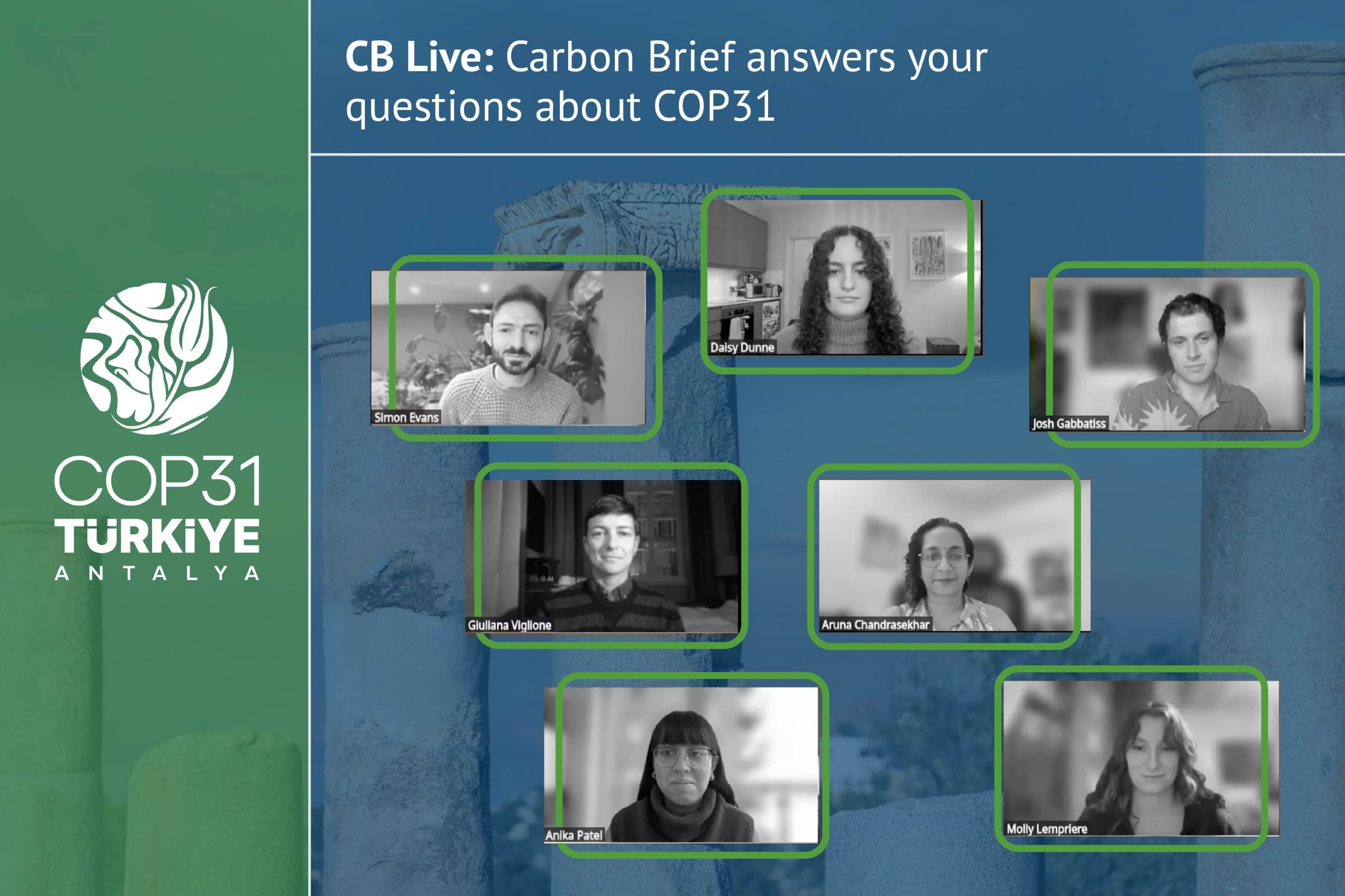
Dr. Simon Evans, Senior Policy Editor at Carbon Brief, noted during a post-summit panel discussion that the disconnect between the "billions needed" and the "millions pledged" is undermining the credibility of the entire UN climate process. The failure to mobilize private capital, coupled with the reluctance of major economies to increase public grants, suggests that the "just transition mechanism" remains more of an aspiration than a functional reality.
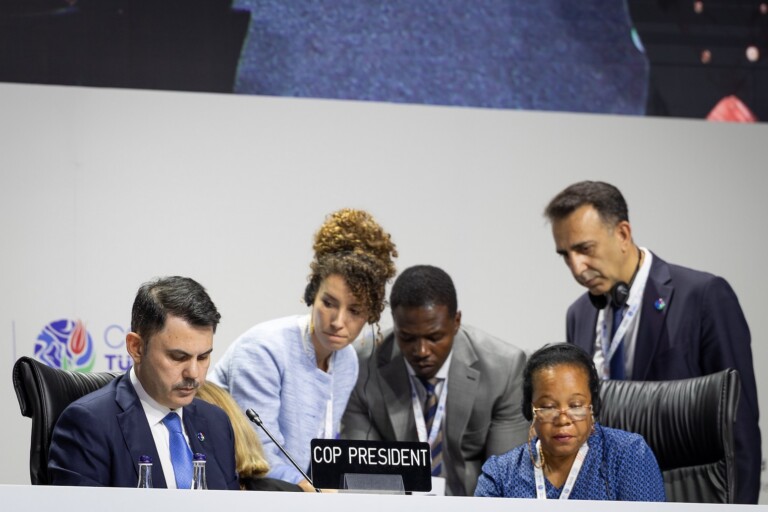
Reactions from the Global Community
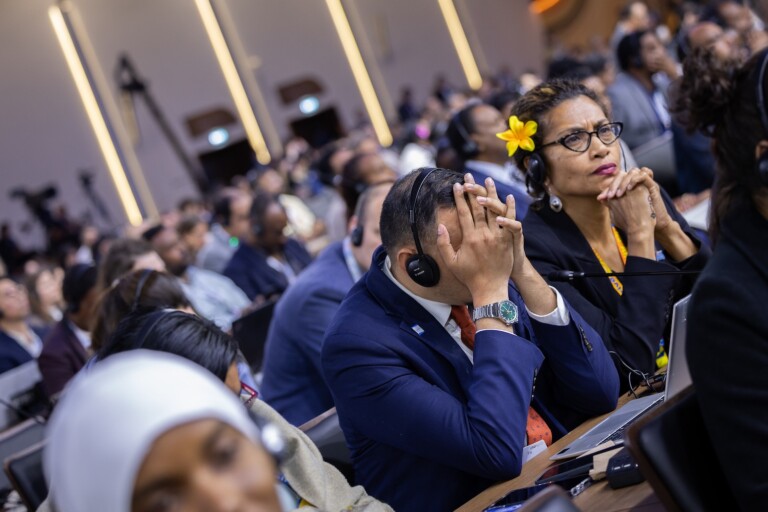
The atmosphere in Antalya was one of exhaustion and, in some quarters, frustration. Representatives from the Alliance of Small Island States (AOSIS) expressed "profound disappointment" regarding the lack of a strong, enforceable political signal in the final outcome.
Conversely, the joint Turkish-Australian presidency maintained that the summit was a success in its ability to keep the conversation alive under exceptionally difficult circumstances. A spokesperson for the presidency noted that the goal was never to force an agreement that lacked broad buy-in, but to facilitate a process that allows for honest disagreement on the path toward net-zero.
Meanwhile, observers from the scientific community expressed concern that the duration of the talks—stretching into a second weekend—may be a sign of systemic fatigue within the UNFCCC framework. Discussions regarding "COP reform" have begun to gain traction, with many suggesting that the current model of massive, annual, all-encompassing summits may need to evolve into more agile, thematic, or ministerial-level meetings.
The Role of Major Emitters: China and the West
A recurring theme throughout the summit was the influence of major emitters, particularly the interplay between Chinese climate policies and Western, specifically European and American, expectations. Questions submitted by the Carbon Brief community highlighted widespread concern over how these powers intend to align their internal industrial strategies with their international climate pledges.
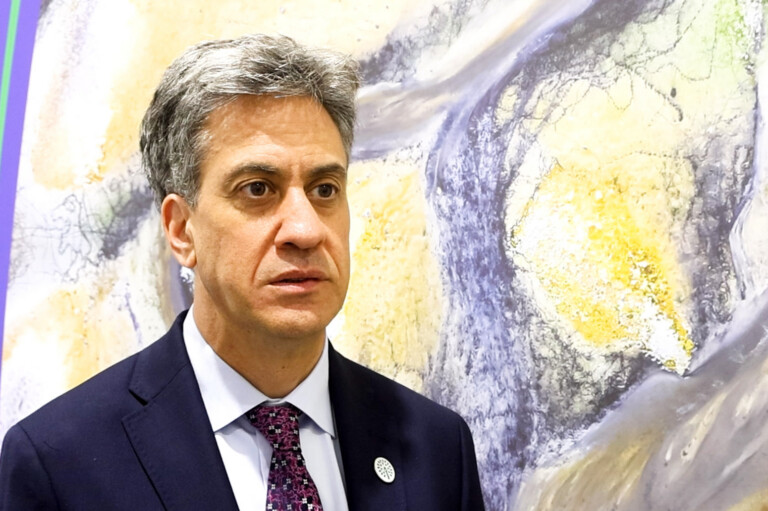
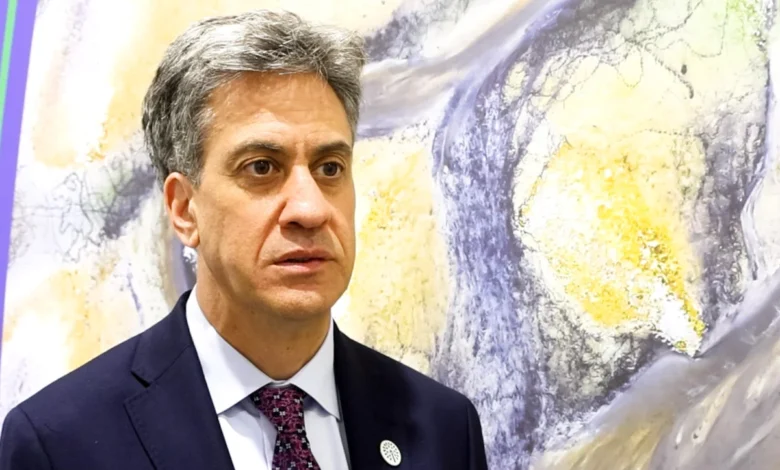
Ed Miliband, speaking on behalf of the UK delegation, emphasized that the transition to a low-carbon economy is not only a climate necessity but an economic imperative. However, the reality of the negotiations suggested that domestic political pressures—including high inflation, energy costs, and the desire for manufacturing sovereignty—often dictate the pace at which these countries are willing to commit to international mandates.
Broader Implications and Future Outlook
The aftermath of COP31 suggests that the world is moving away from the era of "easy wins" in climate diplomacy. The "Antalya moment" reflects a new reality where the low-hanging fruit of emission reductions has been picked, and the remaining challenges require deep, often painful, structural changes to the global economic order.
The implications for COP32 are significant. With the failure of the Antalya Pact, the pressure to deliver a concrete, enforceable agreement in the next cycle will be immense. The focus will likely shift toward:
- Restoring Trust: Addressing the 70% decline in finance pledges to ensure that the Global South remains an active partner in the negotiations.
- Reformulation of the Process: Streamlining negotiations to prevent the burnout associated with 50-hour extensions and to prioritize high-impact decisions over performative politics.
- Strengthening Accountability: Creating mechanisms that hold both developed and emerging economies accountable for the sectoral commitments made during the "action agenda."
As the delegations depart Antalya, the overarching takeaway is that the global climate architecture is under unprecedented strain. The successes in technical adaptation and nature-based solutions are clear, but the political foundation required to sustain the Paris Agreement’s 1.5C goal is currently showing cracks. Whether these cracks can be mended through diplomacy, or whether they will widen as climate impacts accelerate, remains the defining question of the decade. The world now looks toward the next session of negotiations, hoping that the lessons learned from the exhaustion of Antalya can be transformed into the resolve required for a more sustainable future.