The Design Evolution and Development Path of the New Hyundai Elantra Reveals a Strategic Shift Toward Sedan Dominance

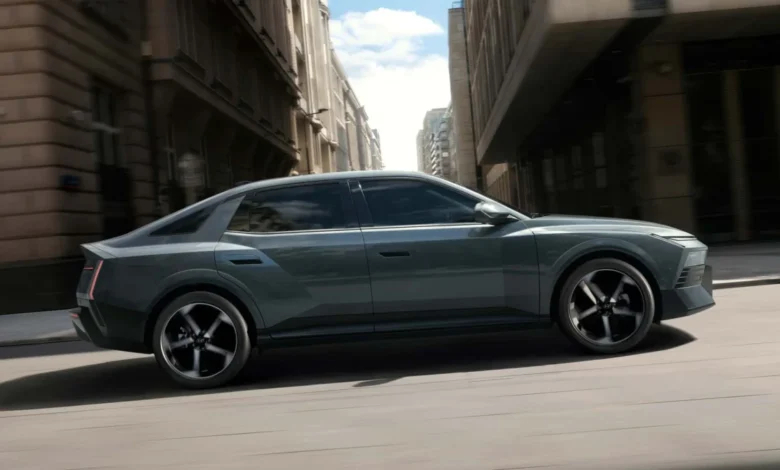
The automotive landscape is defined by the tension between aesthetic ambition and functional necessity, a balance that Hyundai’s design team navigated with surgical precision during the development of the latest Elantra. While the finished 2027 model displays the sharp, aggressive, and highly geometric "Art of Steel" design language that has come to characterize the modern Hyundai aesthetic, the path to the final product was far from linear. In the early stages of the vehicle’s design lifecycle, engineers and designers explored radical departures from the traditional three-box sedan configuration, including a fastback-inspired liftback design and a potential wagon variant.
A Departure from the Conventional: The Liftback Concept
In an exclusive discussion with the industry publication CarBuzz, Simon Loasby, the head of Hyundai’s design center, shed light on the internal deliberations that preceded the final production model. During the conceptual phase, designers toyed with the idea of a liftback—a vehicle featuring a roofline that flows continuously into the tailgate, similar in spirit to the Kia Stinger. This configuration would have provided a more dynamic, coupe-like silhouette and the utility of a larger rear opening.
However, the team ultimately determined that the functional trade-offs were too significant for the core target demographic of the Elantra. According to Loasby, the integration of a liftback mechanism would have compromised the interior packaging that Hyundai deemed essential for a segment leader. The primary concern was rear-seat headroom, which would have been significantly curtailed by the plunging roofline. Furthermore, the structural engineering required to accommodate large hatch hinges would have intruded upon the cargo area and potentially hindered the comfort of passengers sitting three-across in the rear.
Engineering Constraints and Market Realities
Beyond the ergonomic concerns, the move to a liftback would have necessitated a complex re-engineering of the vehicle’s rear architecture. A large glass hatch requires robust, heavy-duty hinges and specialized seals to prevent water ingress and maintain cabin integrity. These modifications would have added weight, which is the antithesis of the efficiency goals mandated for a high-volume compact sedan. Furthermore, the acoustic profile of a liftback—where the cargo area is open to the passenger cabin—often requires extensive sound-deadening materials to mitigate road and wind noise, further inflating both the curb weight and the unit production cost.
Hyundai also engaged in serious internal discourse regarding the development of a wagon variant. Wagons have historically offered superior cargo utility, but in the North American market, the segment has faced sustained decline in favor of compact crossovers and SUVs. By opting for a traditional sedan body style, Hyundai was able to focus its resources on optimizing the dimensions and efficiency of the standard Elantra, ensuring that the vehicle remained competitive in a segment where cabin space and fuel economy are the primary drivers of consumer purchasing decisions.
Dimensions and Passenger Packaging
The 2027 Hyundai Elantra emerges as a testament to the benefits of a focused design philosophy. The vehicle is notably larger than its predecessor, a strategic adjustment designed to maximize interior volume. The model has been stretched by 3.4 inches in length and widened by 1.2 inches, with the wheelbase extended by 1.2 inches. These changes translate into best-in-class rear passenger space, a critical metric for buyers who utilize their sedans for family transport.
The rear-seat experience is characterized by 39.1 inches of legroom and 56.5 inches of shoulder room. To further enhance this sense of openness, Hyundai utilized slimmer front seat frames, allowing for a more spacious feel in the second row. Standard amenities such as dedicated rear air vents and USB-C charging ports underscore the automaker’s commitment to providing a premium passenger experience in an entry-level segment.
Powertrain Strategy and Efficiency
The mechanical composition of the 2027 Elantra reflects a dual-path strategy designed to capture both the budget-conscious and efficiency-minded segments of the market. The conventional gasoline model, which serves as the entry point, features a 2.0-liter four-cylinder engine generating 147 horsepower and 132 pound-feet of torque. This engine is mated to Hyundai’s Intelligent Variable Transmission (IVT) with Shiftronic technology, which aims to mimic the feel of a traditional stepped-gear transmission while maintaining the efficiency of a CVT.
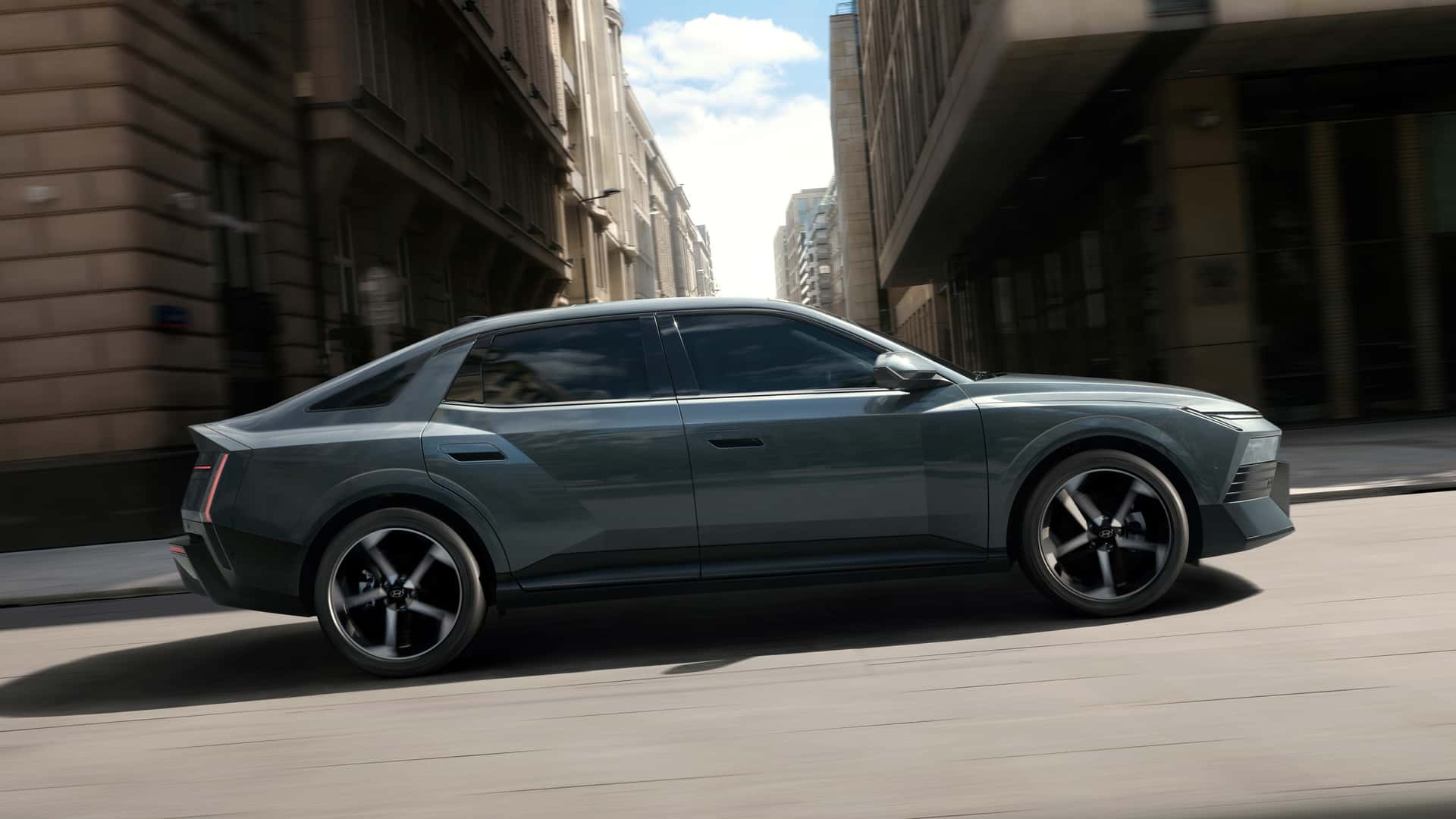
For the 2028 model year, Hyundai is set to introduce an upgraded hybrid powertrain. This system utilizes a 1.6-liter four-cylinder engine paired with an electric motor, with a combined output increased to 155 horsepower—a significant bump from the previous 139-horsepower iteration. The hybrid will continue to utilize a six-speed dual-clutch transmission (DCT), a rarity in the hybrid space that provides a more engaging driving experience compared to the droning nature of planetary-gear eCVTs. Hyundai is currently targeting a combined fuel economy rating of 53 mpg, positioning the Elantra Hybrid as a formidable competitor to other electrified sedans.
Historical Context: The Rise and Fall of the Elantra GT
The current debate over the Elantra’s body style exists in the shadow of the Elantra GT. Previously marketed as the hatchback counterpart to the standard sedan, the GT offered versatility but ultimately suffered from the broader market shift toward SUVs. The GT was discontinued in 2020 after years of declining sales, marking a definitive end to Hyundai’s presence in the non-performance hatchback segment.
The decision to focus exclusively on the sedan body style reflects a broader industry trend where automakers are doubling down on core segments that still command significant volume. By concentrating development on a single, highly refined sedan, Hyundai can achieve economies of scale that would have been impossible with a fragmented lineup of sedans, wagons, and liftbacks.
The Performance Benchmark: The Elantra N
While the standard model focuses on efficiency and comfort, the Elantra N continues to serve as the brand’s performance halo. Currently powered by a 276-horsepower, turbocharged 2.0-liter four-cylinder engine, the N is celebrated for its availability with a six-speed manual transmission—a feature that has earned it a cult following among automotive enthusiasts.
Looking forward, the future of the N brand remains a subject of intense speculation. John Simmons, Hyundai’s senior group manager for product planning, has indicated that the automaker remains committed to the "successful formula" of the Elantra N. There are persistent rumors that a next-generation version may incorporate more aggressive styling cues derived from the acclaimed N Vision 74 concept, a hydrogen-electric hybrid vehicle that has generated significant buzz for its retro-futuristic aesthetic. While the N Vision 74 itself has faced cancellation as a production vehicle, its influence on Hyundai’s future design language is expected to persist.
Broader Market Implications
The decision to eschew the liftback and wagon configurations in favor of a traditional, optimized sedan reveals a calculated move by Hyundai to secure its position in a shrinking but stable segment. In many global markets, the sedan remains a status symbol and a preferred choice for urban dwellers, even as crossovers dominate suburban landscapes. By emphasizing cabin space, interior technology, and fuel efficiency, the 2027 Elantra is positioned as a "rational" choice that refuses to sacrifice style.
The absence of a wagon or liftback variant is not a failure of imagination, but a triumph of market-driven engineering. Hyundai’s ability to conduct rigorous internal testing, analyze the cost-to-benefit ratio of complex body styles, and pivot toward a more profitable, space-efficient design illustrates the maturity of the brand’s product development process. As the automotive industry shifts toward electrification and autonomous technology, the ability to build a compelling, high-volume, and cost-effective sedan remains a foundational skill that will continue to serve Hyundai well into the next decade.
In the final analysis, the 2027 Elantra stands as a testament to the power of iteration. By refining the traditional sedan, Hyundai has created a vehicle that meets the needs of its customers while adhering to the stringent demands of modern manufacturing. While enthusiasts may continue to lament the loss of the wagon, the market data suggests that the path chosen by Hyundai is the one most likely to ensure the long-term viability of the sedan in an era of automotive transition.