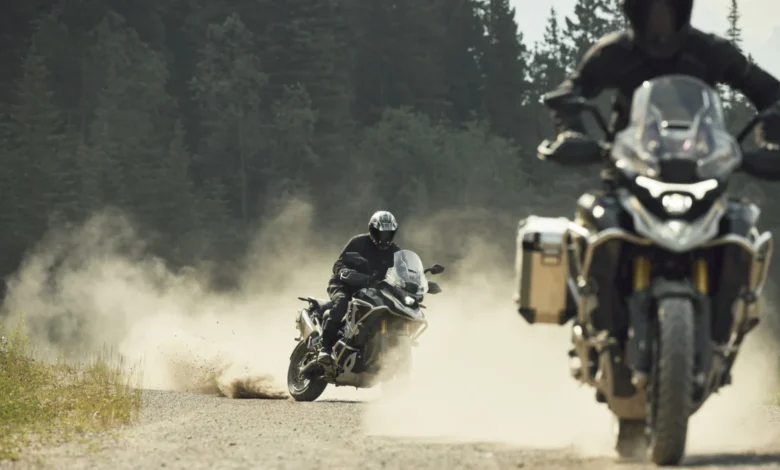
For decades, the adventure motorcycle segment has been defined by a single benchmark: the BMW R-series GS. It is the perennial standard-bearer for the "do-it-all" category, a machine so ubiquitous in the touring and off-road community that it has essentially become the industry’s North Star. However, the 2027 model year marks a significant shift in the competitive landscape. Triumph Motorcycles, the iconic British manufacturer, has unveiled a heavily revamped Tiger 1200 lineup, designed with the explicit goal of challenging the Bavarian giant’s dominance by offering increased performance, refined ergonomics, and a technological suite that addresses the common pain points of large-displacement adventure riders.
The Evolution of the Triumph Tiger 1200
The history of the Triumph Tiger 1200 is one of constant refinement. Since the introduction of the original Explorer models over a decade ago, Triumph has sought to balance the raw, triple-cylinder character of its engines with the sophisticated electronic rider aids required to compete in the premium adventure-touring space. The 2027 iteration represents the most aggressive engineering push in the model’s history.
By streamlining the four-bike lineup—the GT Pro, Rally Pro, GT Explorer, and Rally Explorer—Triumph is betting on a "unified chassis" philosophy. Unlike previous generations that saw significant hardware divergence between the road-biased GTs and the trail-focused Rally trims, the new platform shares a common architecture, suspension geometry, and powertrain, allowing for better economies of scale and a more consistent riding experience across the family.
Engineering Breakthroughs and Powertrain Refinement
At the heart of the 2027 Tiger 1200 is an updated 1,160cc inline-three-cylinder engine. While the core architecture remains familiar to those who have followed the brand’s T-plane crank development, the 2027 model features a redesigned cylinder head and upgraded internal components. By utilizing new pistons and lighter intake and exhaust valves, Triumph engineers have successfully pushed the power output to 155.8 horsepower—a notable increase from the previous 147 horsepower.
Perhaps more critical than the peak horsepower figure is the revised torque curve. Triumph has adjusted the gear ratios for the first, second, and third gears, specifically targeting low-speed tractability. For adventure riders, slow-speed maneuvering—often on loose, uneven terrain—is where a bike’s confidence is won or lost. By improving the bottom-end torque, Triumph aims to mitigate the "stall-prone" nature that often plagues high-output, large-displacement bikes in technical environments.
The Self-Lowering Suspension Innovation
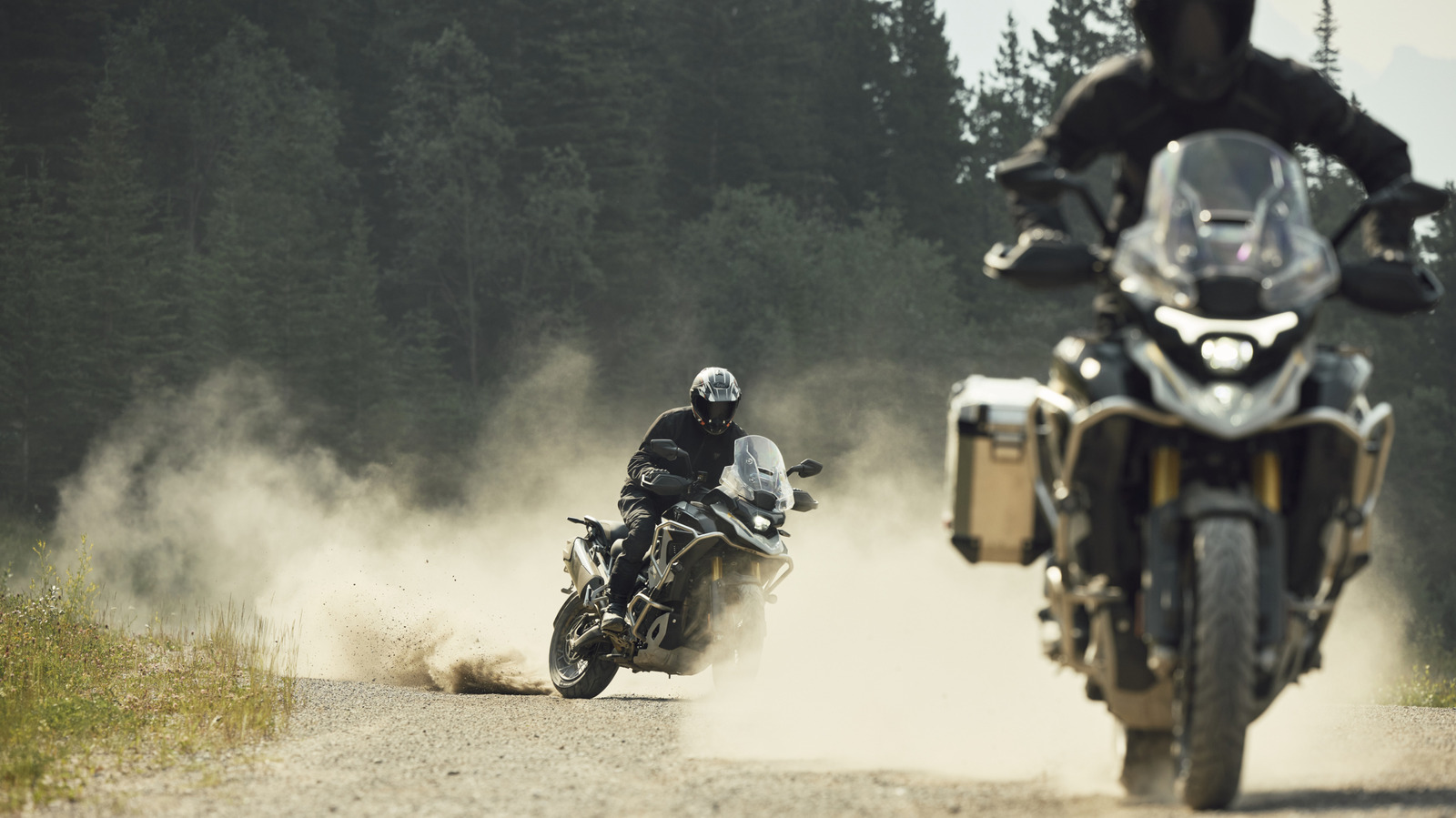
The most significant technical advancement for the 2027 model year is the implementation of an active self-lowering suspension system. One of the primary barriers to entry for many riders interested in large adventure bikes is the seat height. The physical dimensions required for long-travel suspension often result in a "tippy-toe" experience for shorter riders, particularly when the bike is fully loaded with luggage.
Triumph’s new Showa semi-active suspension provides 7.9 inches of travel for off-road compliance, but it features a sophisticated "Active Preload Reduction" system. As the motorcycle decelerates and comes to a halt, the system automatically lowers the rear ride height by nearly 1.2 inches. When paired with an optional low-profile seat, this brings the static seat height down to 31.1 inches. This feature places the Tiger 1200 in a favorable position compared to the BMW R 1300 GS, which has traditionally struggled to achieve such low ground-level accessibility without compromising its dynamic suspension performance.
Streamlining the Model Hierarchy
Understanding the four-tier lineup is essential for consumers looking to navigate the 2027 range. Triumph has simplified the categorization to eliminate consumer confusion:
- GT Series (Pro/Explorer): These models feature cast wheels, optimizing them for paved-road touring and occasional light trail use.
- Rally Series (Pro/Explorer): These models are equipped with tubeless spoked wheels, which offer superior durability for rocky, off-road terrain.
- Explorer Variants: These units are distinguished by their massive 7.9-gallon fuel tanks, providing the range necessary for long-distance transcontinental travel, compared to the 5.3-gallon capacity on the standard "Pro" trims.
Across all four models, Triumph has standardized the inclusion of Bosch radar technology. This provides front and rear-facing hazard detection, enabling adaptive cruise control and blind-spot monitoring—features that have moved from "luxury add-ons" to "essential requirements" for the premium adventure touring market.
Aesthetic and Functional Design Updates
The visual language of the 2027 Tiger 1200 has been completely overhauled. The previous generation’s aesthetic was often criticized for being overly complex, particularly the front-end lighting arrangement. The new design language embraces a more compact, singular LED headlamp setup integrated into a sleek light bar.
Beyond the visual appeal, this design serves a functional purpose. The central headlight unit includes integrated cornering lamps, which illuminate the inside of a turn as the motorcycle leans, providing vastly improved visibility during night riding. This shift toward a more cohesive, minimalist design indicates that Triumph is pivoting away from the "industrial-utilitarian" look and toward a "modern-performance" aesthetic.
Market Context and Industry Implications
The motorcycle industry is currently undergoing a transformation where electronic integration is as important as mechanical displacement. Triumph’s inclusion of a 7-inch TFT display with native Apple CarPlay and Android Auto integration is a direct response to consumer demands for seamless smartphone connectivity. In an era where riders expect their motorcycles to match the user interface of their automobiles, Triumph’s move to standardize this technology across the Tiger 1200 range is a strategic necessity.
The broader implication of this release is a potential redistribution of market share within the heavyweight adventure segment. BMW has recently moved to diversify its GS lineup, creating more specialized, lighter-weight variants like the F900GS, which suggests that the "one-size-fits-all" flagship strategy is becoming increasingly difficult to maintain. By focusing on accessibility, comfort, and advanced rider aids, Triumph is positioning the Tiger 1200 not just as a competitor, but as a more approachable, rider-friendly alternative.
Economic and Logistical Analysis
From a production standpoint, Triumph’s decision to unify the platform across four variants is a classic manufacturing optimization. By sharing the 1,160cc engine and the Showa suspension across the entire range, the company can maintain higher quality control and lower the cost of replacement parts.
Industry analysts suggest that the premium adventure segment is one of the few areas of the motorcycle market experiencing consistent growth. As riders continue to favor multipurpose vehicles that can handle daily commuting, high-speed touring, and off-road exploration, the "do-everything" bike remains the crown jewel of the industry. The success of the 2027 Tiger 1200 will likely be measured by its ability to retain existing Triumph customers while poaching riders from the BMW and KTM ecosystems who are looking for a more refined, less intimidating experience.
Conclusion: The Road Ahead
The 2027 Triumph Tiger 1200 does not seek to reinvent the adventure category, but rather to perfect the execution of the modern adventure machine. By addressing the physical constraints of seat height, the logistical needs of long-distance fuel range, and the technological expectations of modern connectivity, Triumph has delivered a package that is deeply competitive.
As the motorcycle market moves toward the 2027 model year, the "BMW GS crown" will be more contested than it has been in over a decade. Whether the Tiger 1200 can effectively seize that title will depend on real-world reliability and the subjective "character" of the bike, which has always been the British brand’s strongest asset. However, with the technical specifications currently on offer, Triumph has certainly provided its engineers and marketers with the best tools possible to make a definitive claim on the segment’s top spot. The market reaction will be monitored closely as the first production units reach dealerships and the long-term testing phase begins for the motorcycling press.