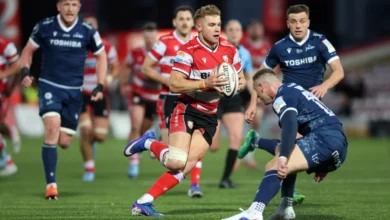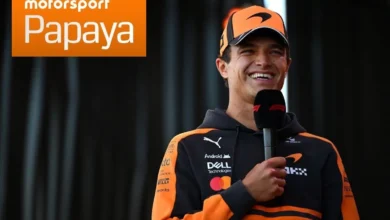
The global rugby landscape has been rigorously evaluated following the official release of the Rugby World Top 50 Men’s Rugby Players list, culminating in the selection of the definitive Ultimate XV. Eschewing the modern tactical luxury of positional versatility—such as deploying inside centres in the wider channels or utilizing blindside flankers as emergency number eights—the editorial board and a panel of international journalists have constructed a purist lineup based strictly on the highest-ranked individual performers in each specific shirt. At the apex of this global hierarchy sits England and Toulouse flanker Jack Willis, who has claimed the number-one spot following an exceptional period of domestic and European dominance.
The selection process, which draws upon the historic prestige of the Rugby World Player of the Year accolade previously held by legends such as Barry John, Gareth Edwards, and Will Carling, involved consultation with nearly two dozen global rugby journalists alongside the publication’s internal editorial staff. The criteria for the definitive top 50 rankings and subsequent Ultimate XV formation balanced quantifiable metrics—including match consistency, games played, club and international honours, and overall statistical impact—with the intangible qualities of elite entertainment value and execution under pressure.
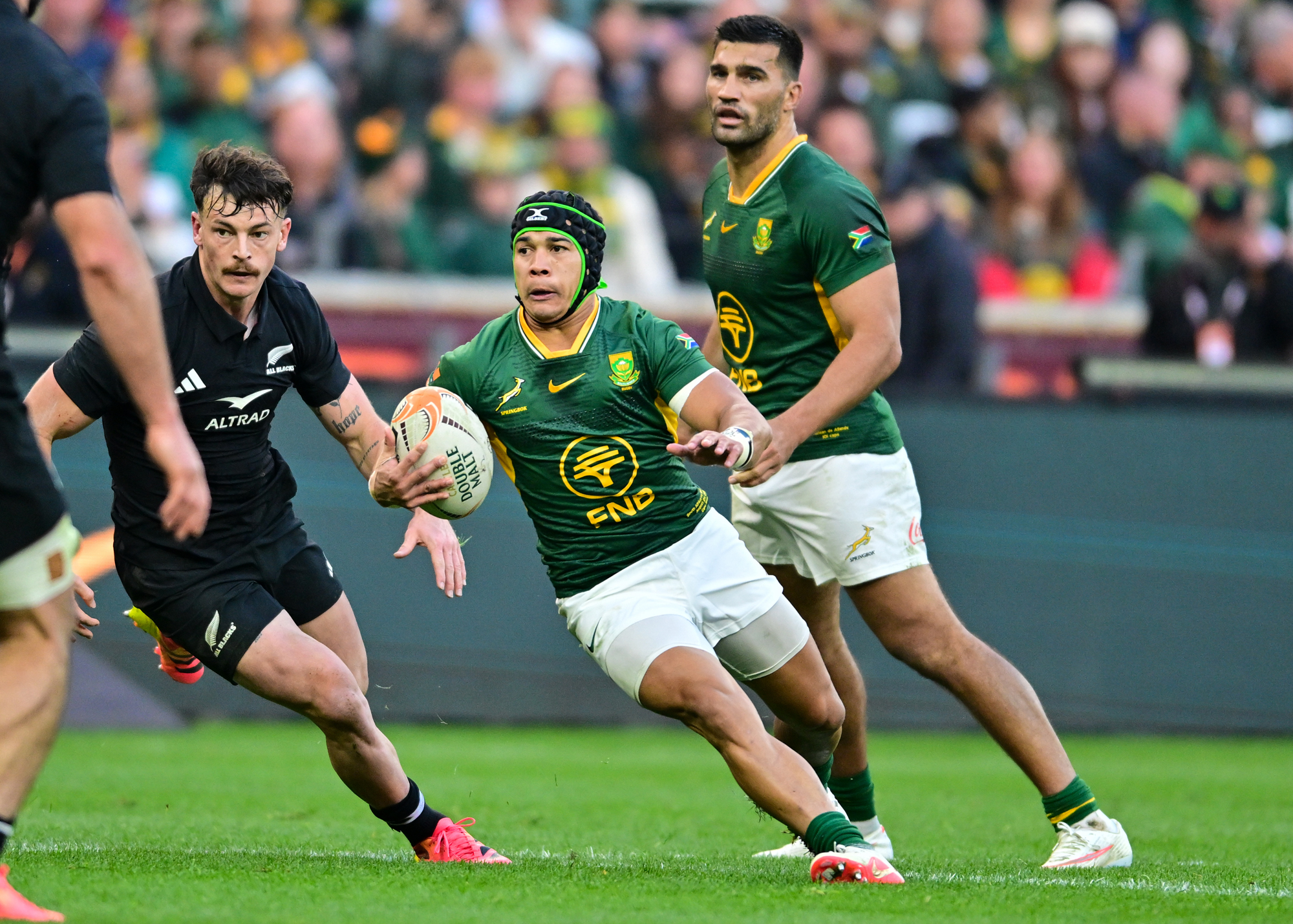
The Backline: Maestro Playmakers and Lethal Finishers
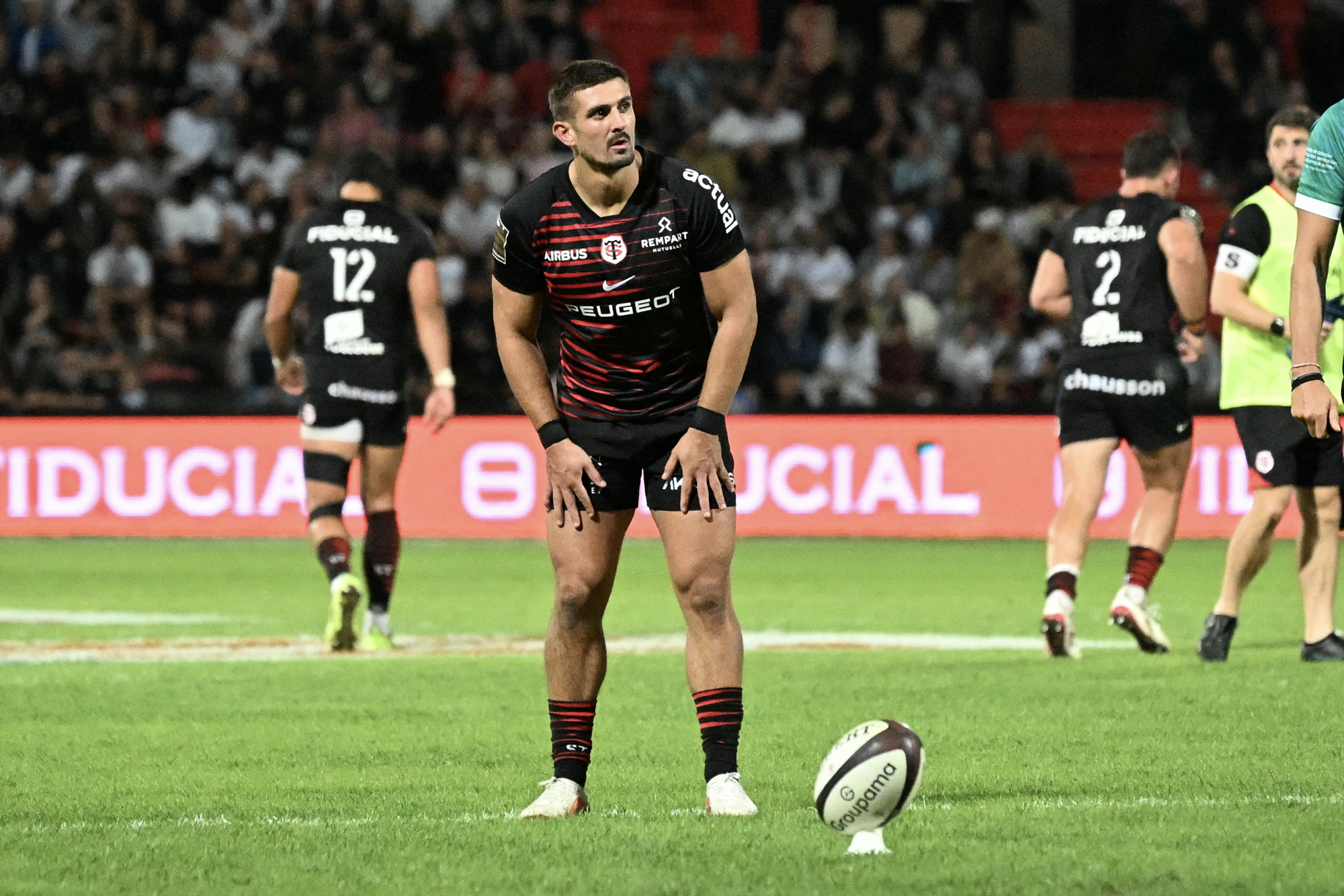
The backline selected for the Ultimate XV combines visionary orchestration with explosive, record-breaking pace across the perimeter. At full-back, France and Toulouse star Thomas Ramos occupies the number 15 jersey, ranking tenth overall in the global top 50. Ramos combines elite spatial awareness in open play with a reputation as one of the most reliable place-kickers in the modern professional era, providing his side with a vital psychological and scoreboard advantage.
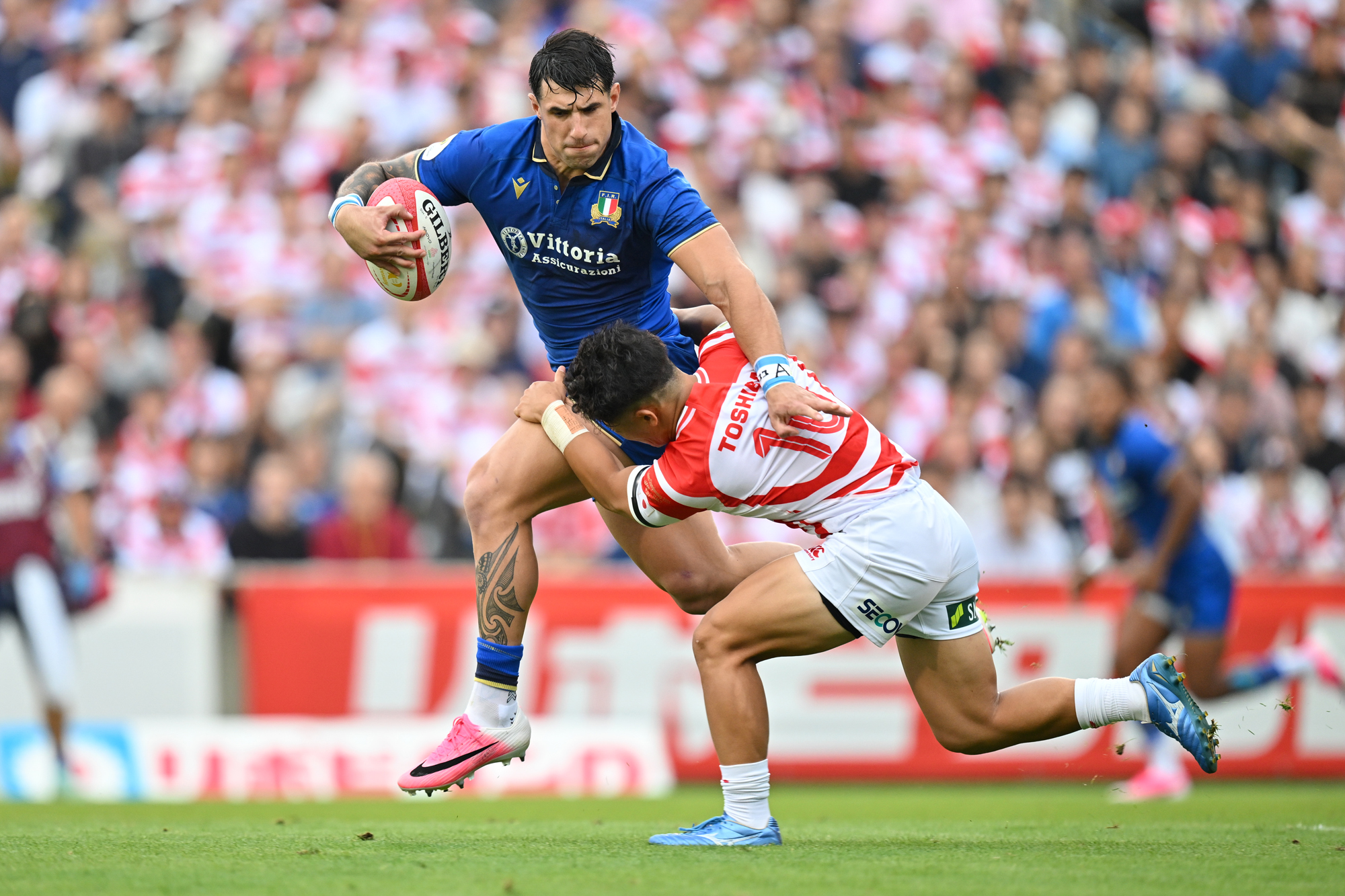
On the right wing, South African veteran Cheslin Kolbe secures the number 14 shirt. At 33 years of age, the dual World Cup winner continues to defy conventional aging curves for outside backs, maintaining the explosive acceleration and lateral sidestep that keep high-profile rivals such as New Zealand’s Will Jordan and England’s Tommy Freeman out of the starting lineup. Kolbe’s absence due to injury during the autumn Test window was acutely felt by the Springboks, underscoring his indispensable tactical value.
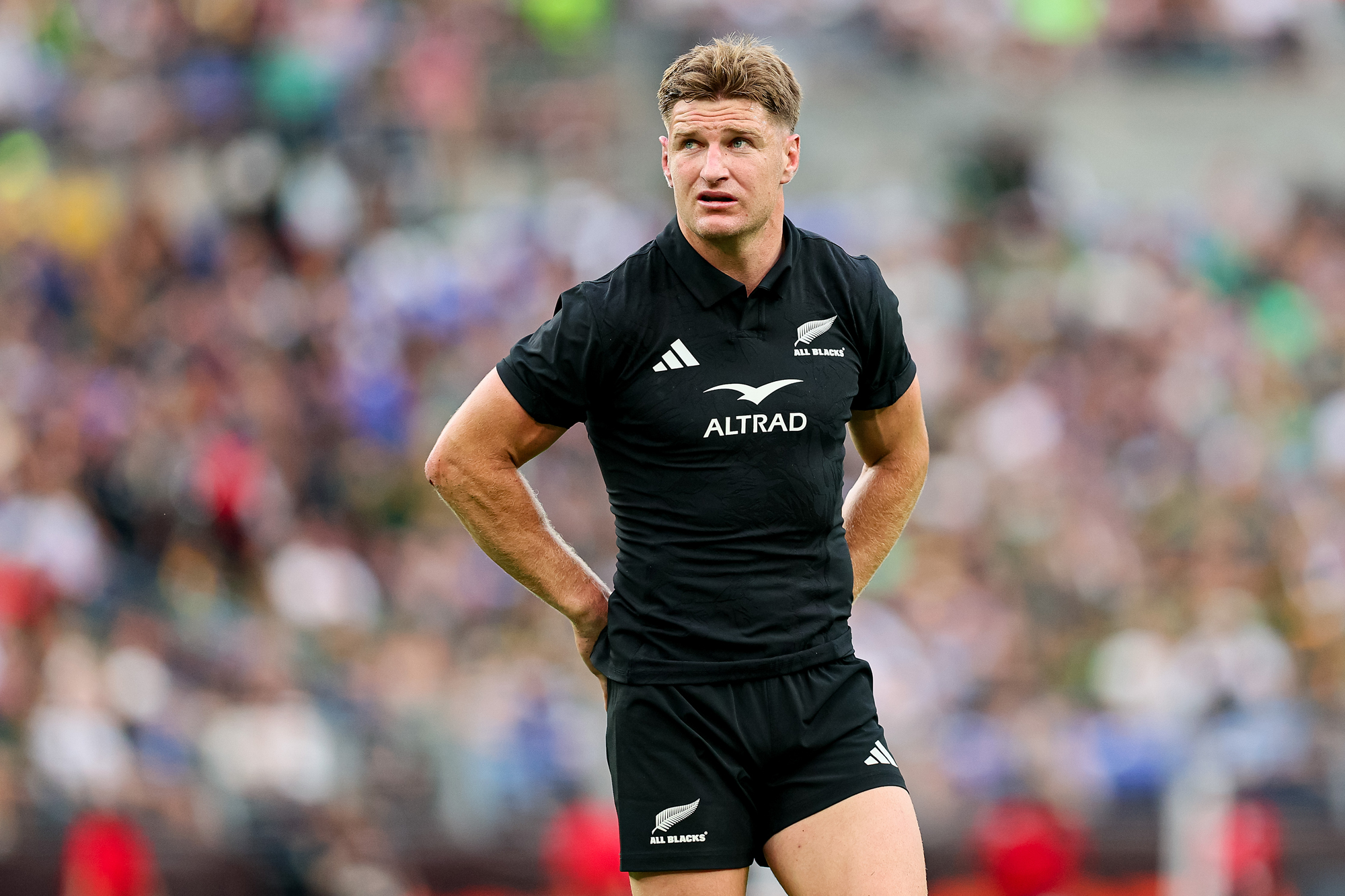
In the midfield, the selection policy emphasizing specialist roles rather than makeshift combinations sees Italy’s Tommaso Menoncello claim the outside centre (number 13) jersey. The 2024 Six Nations Player of the Championship has already cemented his status among the Azzurri’s greatest modern competitors, edging out Australia’s Len Ikitau. Inside him at number 12 is New Zealand’s Jordie Barrett. Ranking seventh overall in the global list, the younger Barrett brother bridges the physical demands of a forward pack with the deft handling skills of an elite backline general.
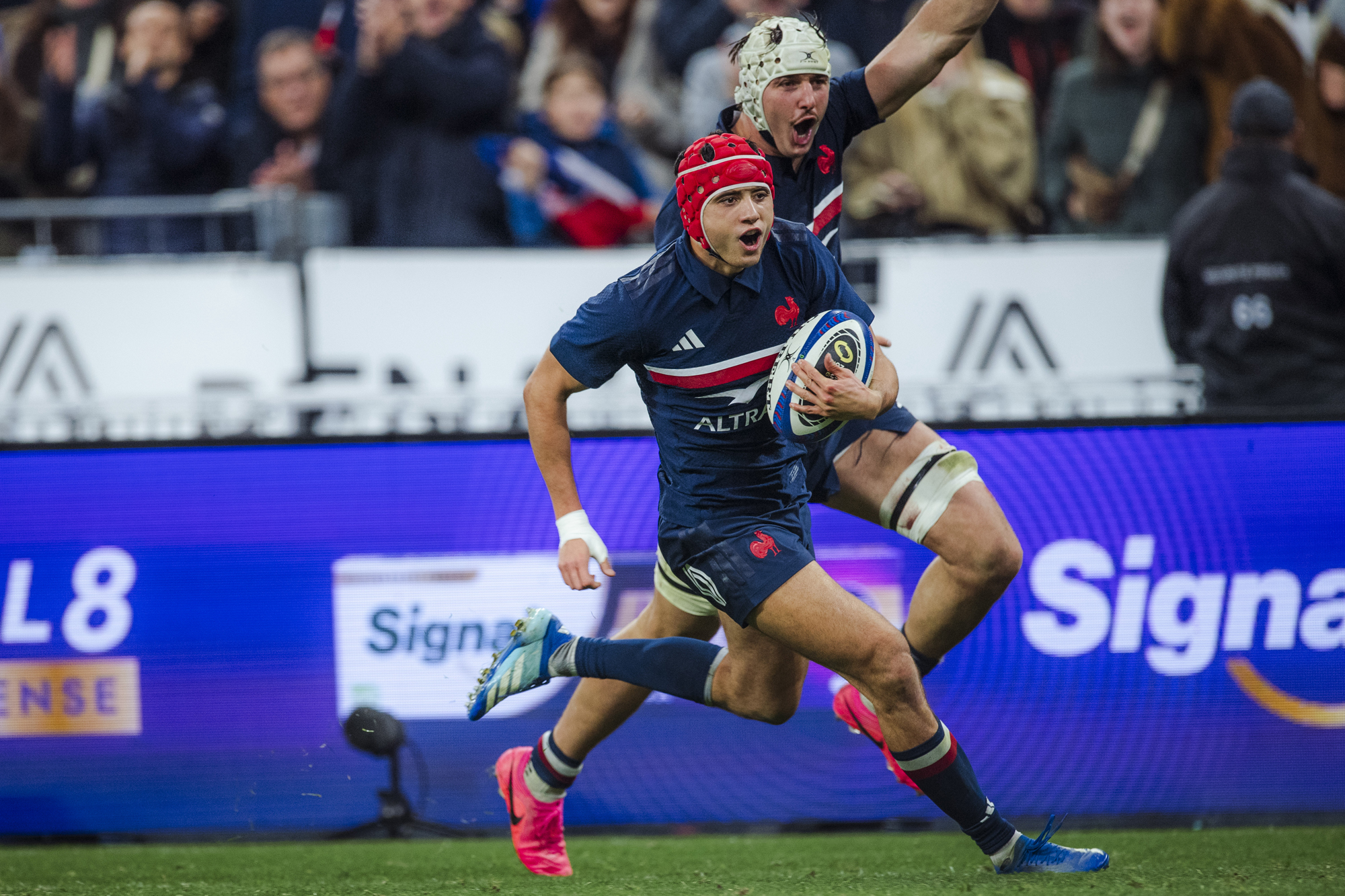
The left wing features another French sensation in Louis Bielle-Biarrey. At just 23 years of age, the Bordeaux-Bègles flyer ranks fourth in the global top 50, earning widespread acclaim as one of the most lethal open-field finishers in the history of the sport. His trajectory suggests multiple international try-scoring records will be challenged before his career concludes.
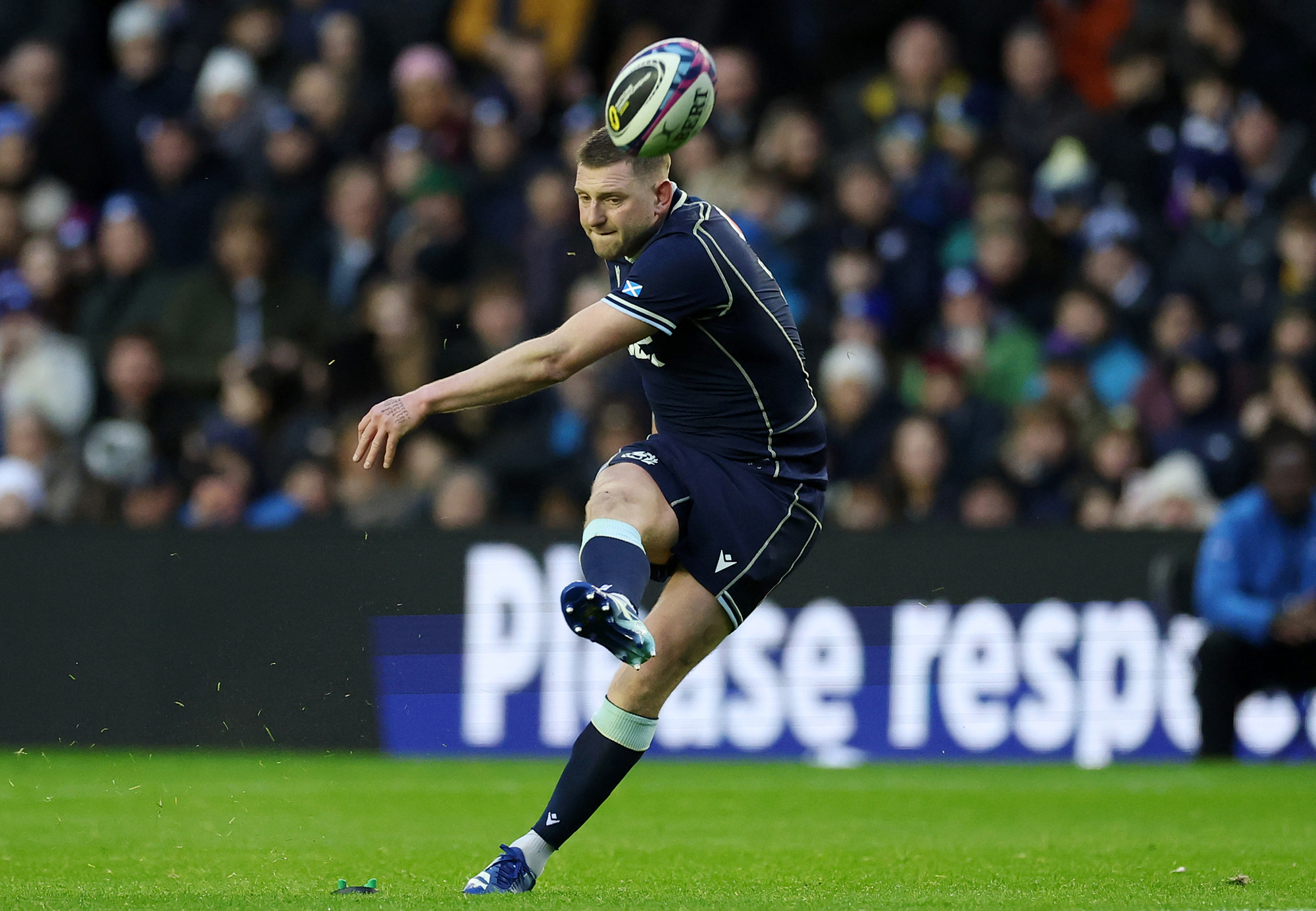
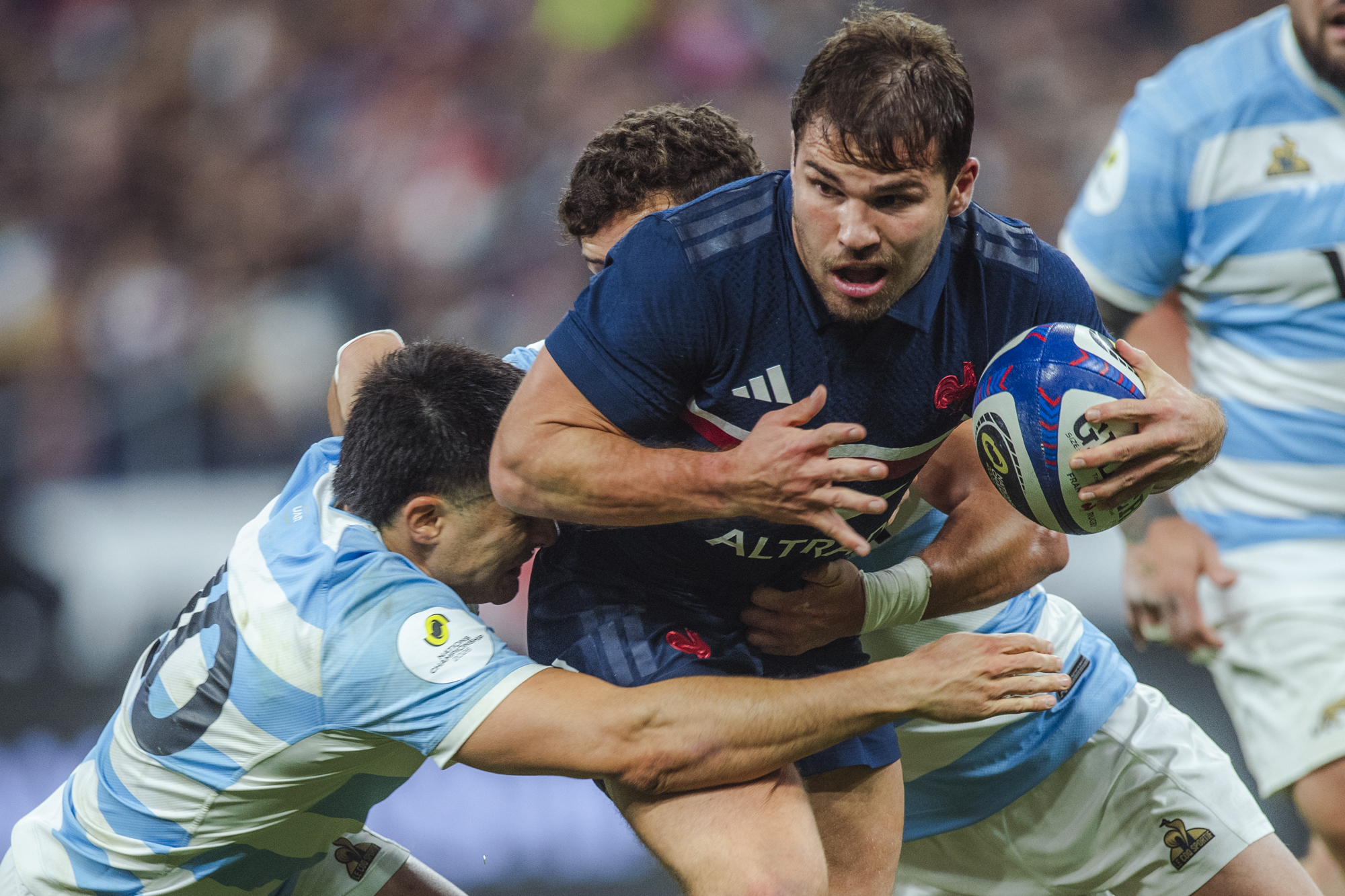
The half-back pairing boasts two of the most influential tactical minds in the game. At fly-half, Scotland and Bath conductor Finn Russell brings high-risk, high-reward genius to the number 10 role. Ranked ninth overall, Russell’s instinct for the unexpected poses a constant threat to defensive structures, complemented by an unmatched psychological resilience following errors. Inside him at scrum-half is France talisman Antoine Dupont. Having successfully rehabilitated from a significant anterior cruciate ligament (ACL) injury, the Olympic gold medalist has returned to peak form, redefining the modern number nine role through exceptional defensive contribution and attacking breakdown efficiency.
The Forward Pack: Springbok Dominance and Hybrid Loose Forwards
The forward selection reflects the traditional dominance of southern hemisphere powerhouses, heavily anchored by a world-champion South African core, balanced by relentless northern hemisphere workhorses.
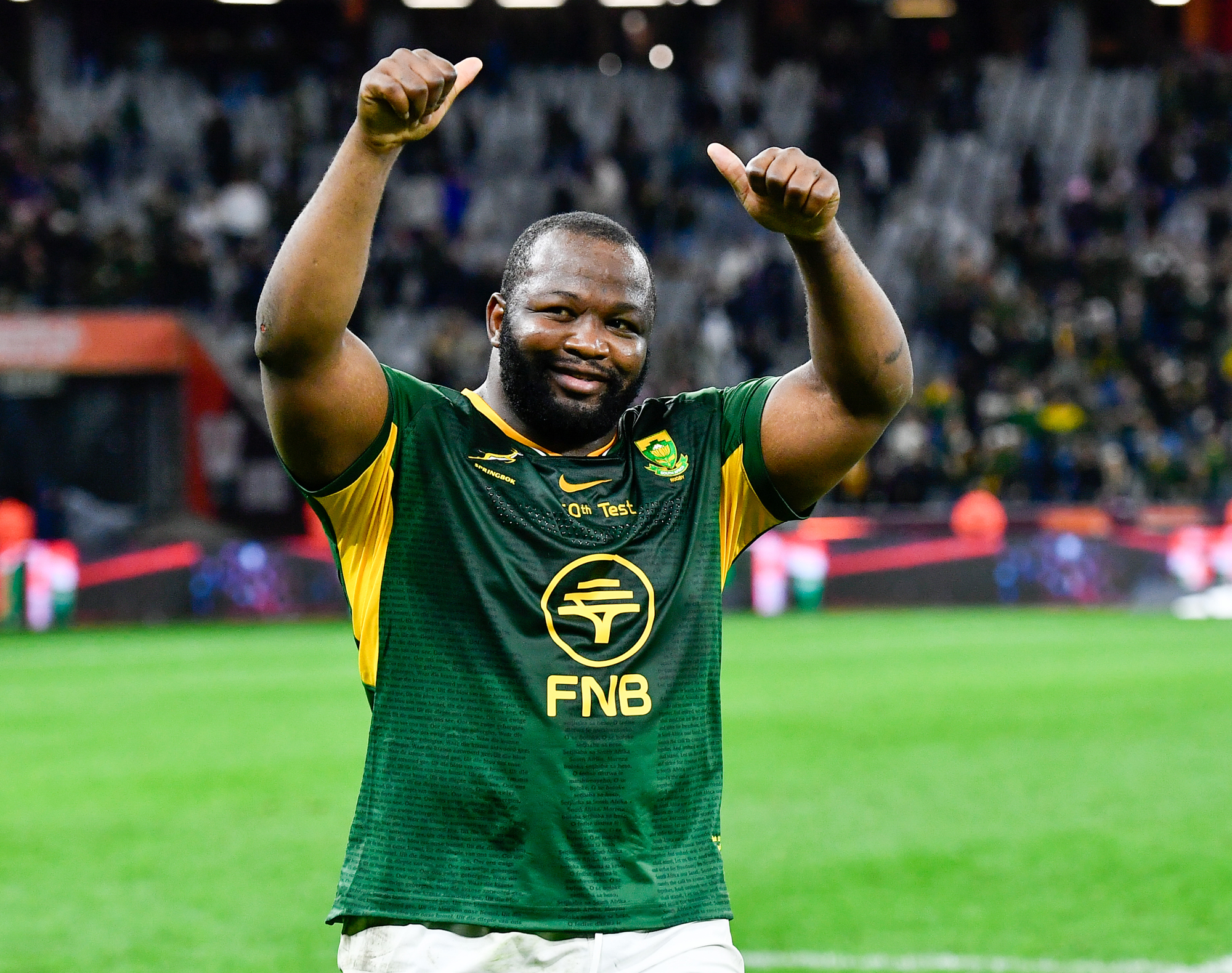
The front row is entirely composed of Springbok stalwarts. At loosehead prop (number 1), Ox Nche utilizes a remarkably low centre of gravity to establish himself as arguably the most destructive scrummager in the global game. Packing down at hooker is Malcolm Marx, the reigning World Player of the Year. Beyond his foundational role in the set-piece, Marx offers the mobility, defensive breakdown work, and jackling prowess traditionally associated with an elite loose forward. Rounding out the front row at tighthead (number 3) is Thomas du Toit. Nicknamed "Thomas the Tank," the Sharks prop edged out compatriot Wilco Louw not only through set-piece dominance but via a notable try-scoring strike rate in the loose.
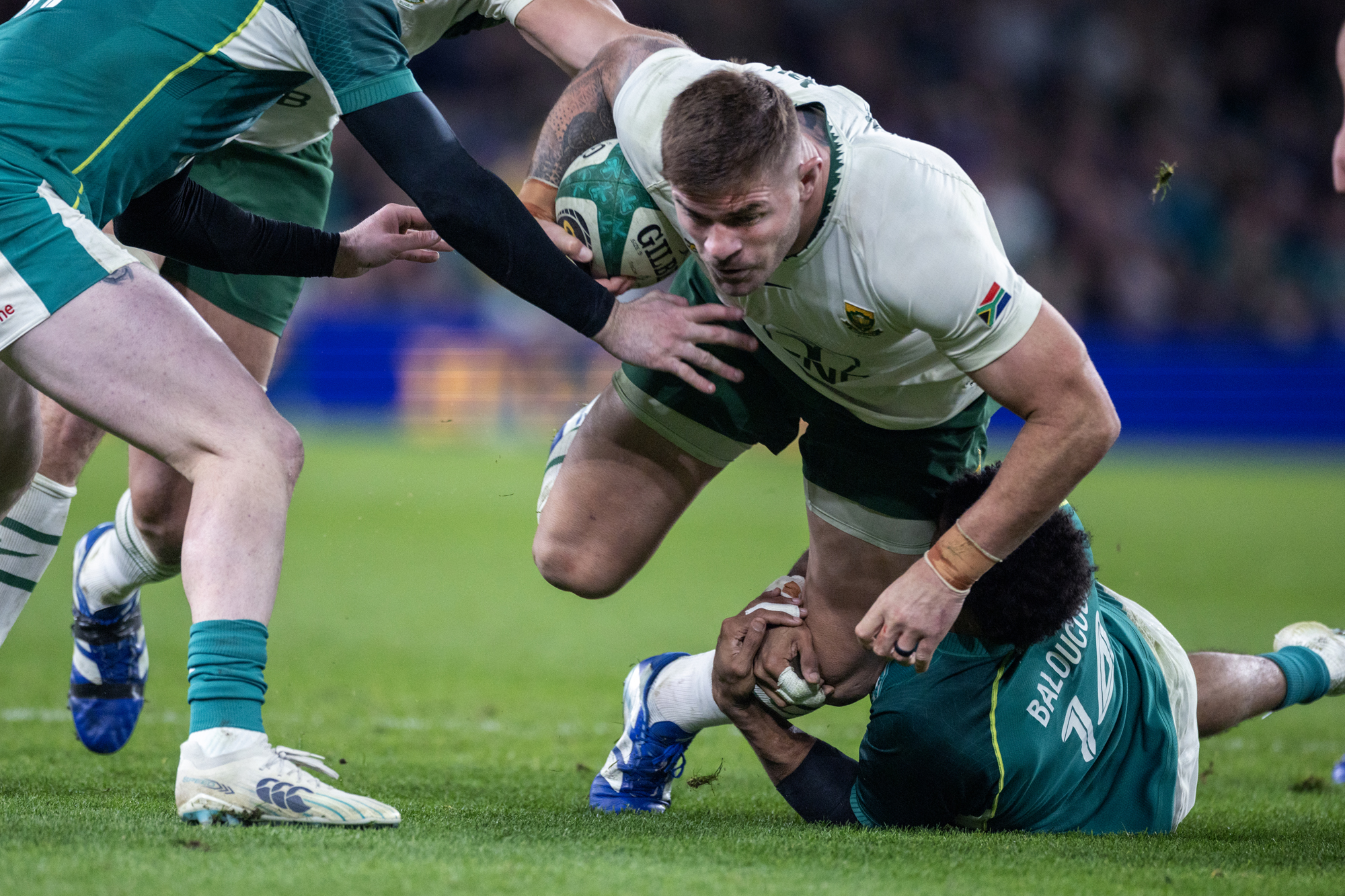
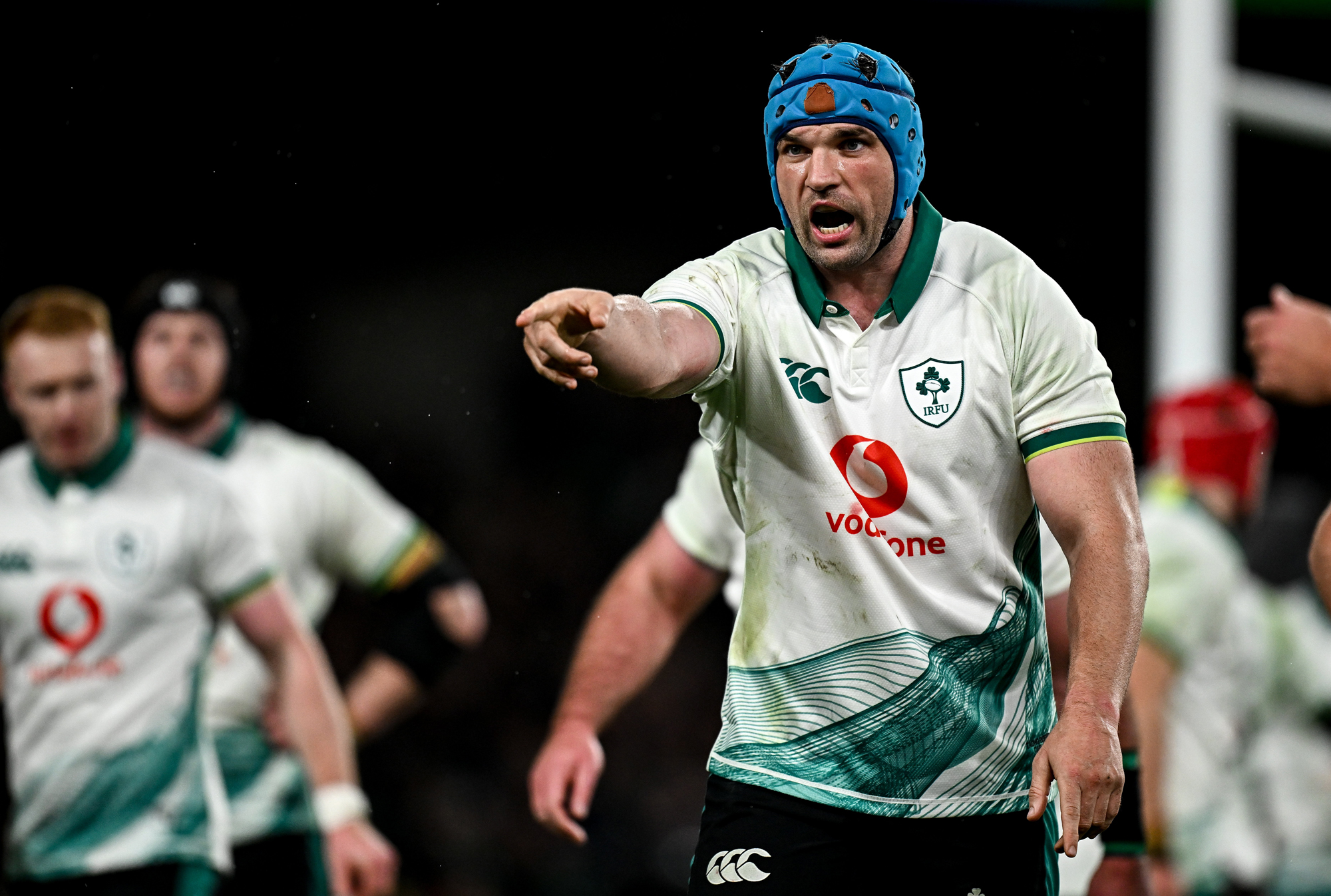
The second row pairs England’s Ollie Chessum with Ireland’s Tadhg Beirne, highlighting the modern tactical requirement for locks who can seamlessly transition into wide defensive channels. Chessum has emerged as the definitive heartbeat of the English forward pack across various positions, while Beirne—who has evolved from his early days with the Scarlets into a linchpin for both Munster and the British & Irish Lions—operates as the ultimate hybrid lock-blindside flanker, prized for his disruptive breakdown turnovers and handling capabilities.

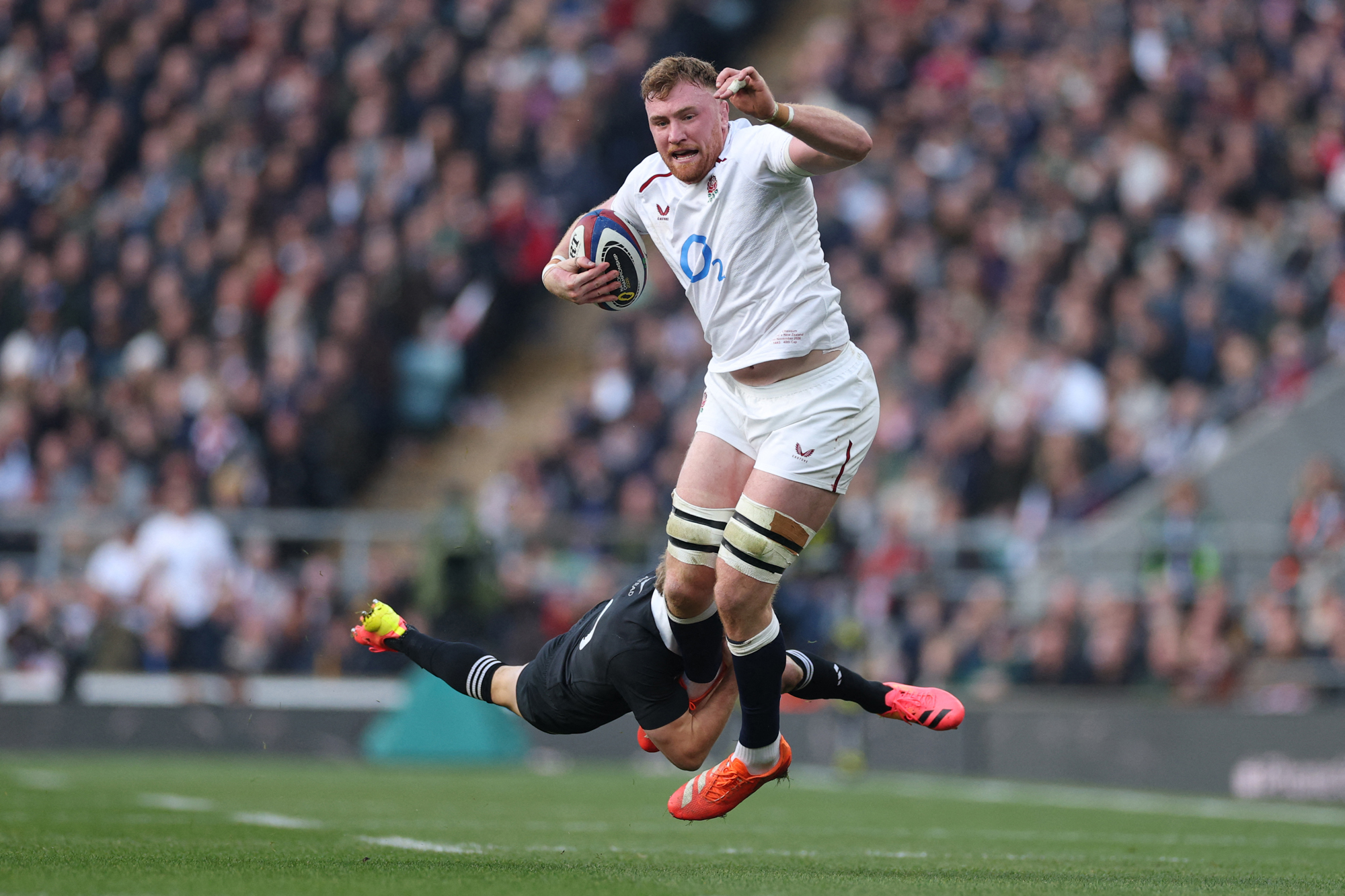
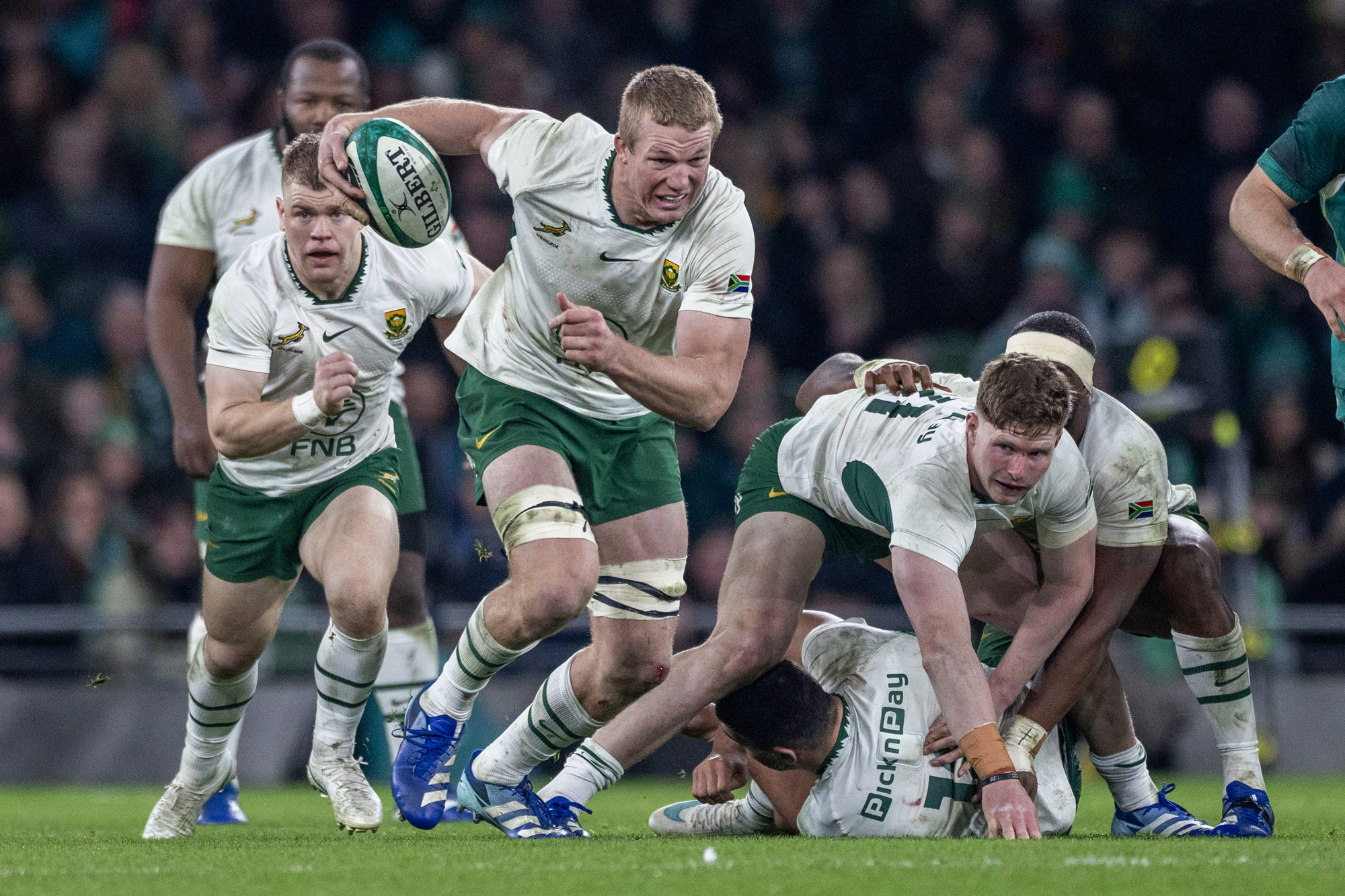
The back-row unit features two-time World Player of the Year Pieter-Steph du Toit shifted slightly out of his customary role to wear the number 6 jersey. Despite the positional adjustment, the Toyota Verblitz and South Africa forward brings uncompromising defensive work-rate and lineout presence. At openside flanker (number 7), England and Toulouse captain Jack Willis takes the premier position. Having operated outside the England Test window since the 2023 World Cup due to his club commitments in France, Willis’s domestic and European achievements have culminated in him being named the definitive number-one men’s player on the planet. Completing the scrum at number 8 is New Zealand captain Ardie Savea. Ranked third overall, Savea’s explosive ball-carrying, defensive collisions, and leadership qualities make him the quintessential modern loose forward.
Analytical Implications and Context
The unveiling of the Rugby World Ultimate XV follows a 34-year hiatus in the publication’s formal end-of-year individual player accolades, marking a deliberate return to structured, expert-led evaluation in international rugby union. By relying on a panel of nearly two dozen global journalists alongside editorial staff, the rankings reflect a broader consensus across competing hemispheres, acknowledging the shifting balance of power in international fixtures.
The heavy representation of French, South African, and New Zealand talent underscores the current competitive elite heading into subsequent international windows, including the expanded global calendar formats. Analysts note that while tactical philosophies vary significantly between northern hemisphere structured territory-based approaches and southern hemisphere transitional counter-attack systems, players selected in this XV—such as Dupont, Savea, and Marx—demonstrate the universal adaptability required to excel across multiple tactical frameworks.
Ultimately, while international head coaches must continually balance squad depth, bench impact, and specific game-plan combinations over the course of a gruelling test calendar, Rugby World’s Ultimate XV establishes a benchmark for individual excellence in the modern professional era.