The findings, published in the journal Nature, indicate that Homo erectus occupied these southern Chinese landscapes between approximately 324,000 and 184,000 years ago. This discovery bridges a significant gap in the fossil record, as the most recent previous mainland Asia specimens were dated to between 420,000 and 400,000 years ago. By extending their survival window by tens of thousands of years, researchers have forced a re-evaluation of the environmental pressures that contributed to the eventual extinction of these hominins.
A Chronological Shift in Hominin History
Homo erectus, one of the most successful and long-lived members of the genus Homo, first emerged in Africa roughly 2 million years ago. Their expansion into East and Southeast Asia was swift by geological standards, with evidence of their presence in Indonesia dating back 1.7 million years. For decades, the consensus among paleoanthropologists was that Homo erectus vanished from the Asian mainland by the mid-Pleistocene. While fossil evidence from Java suggested they persisted in island refugia until roughly 100,000 years ago, the absence of corresponding mainland fossils created a 200,000-to-300,000-year void in the evolutionary narrative.

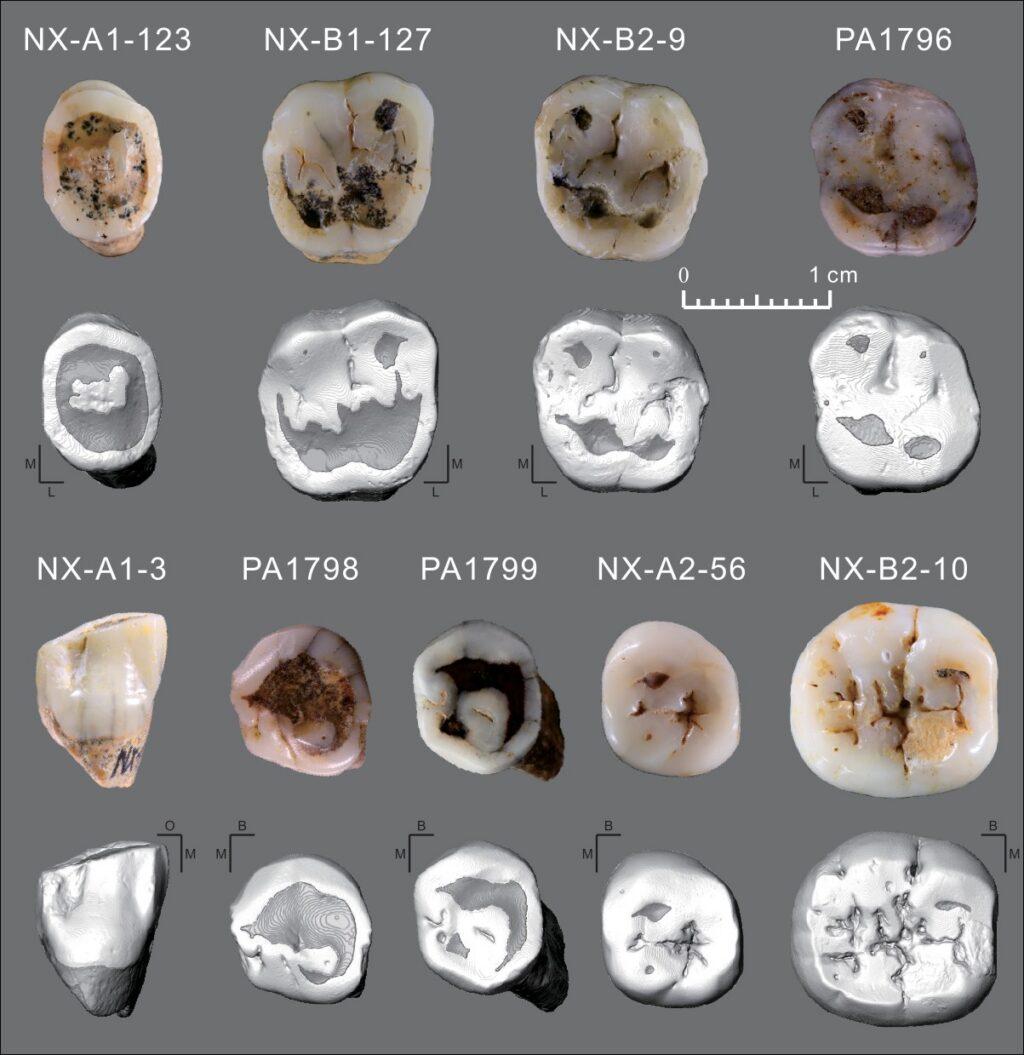
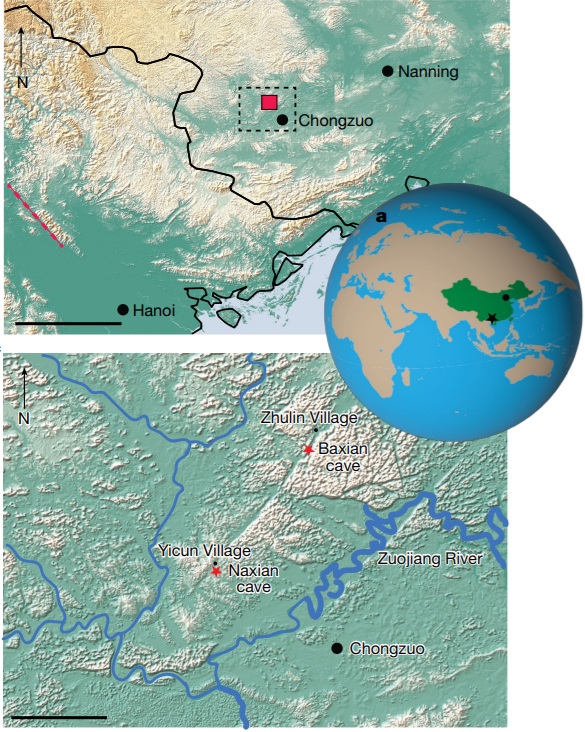
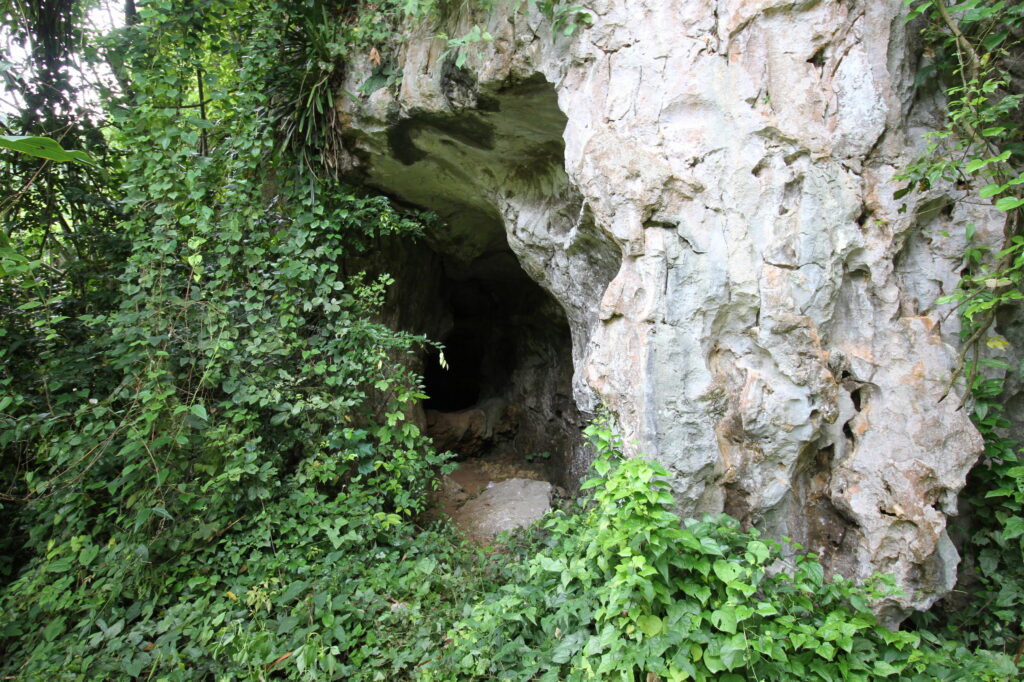
The identification of these nine teeth in the Baxian and Naxian caves effectively fills this chronological vacuum. The research team, led by paleoanthropologist Frido Welker of the University of Copenhagen and Macquarie University’s Kira Westaway, utilized high-resolution protein sequencing—a method more reliable than traditional ancient DNA analysis for specimens of this age—to confirm the taxonomic identity of the fossils. Four of the teeth were identified as belonging to Homo erectus, while the ninth specimen, recovered from the Baxian site, displayed protein markers that deviate from known Homo erectus profiles, suggesting the presence of a secondary, potentially Denisovan, population.
Environmental Adaptation and the Rainforest Paradigm
Perhaps the most significant revelation from the study is the ecological context of these hominins. Traditional evolutionary theories have long maintained that early hominins, including Homo erectus, were primarily adapted to savanna-woodland mosaics. The transition toward dense, closed-canopy tropical rainforests—which expanded across Southeast Asia during the Middle to Late Pleistocene—was widely considered a barrier that only the cognitively and behaviorally flexible Homo sapiens could overcome.
However, isotopic analysis of the enamel from the Guangxi teeth suggests otherwise. By measuring the ratios of carbon-13 and carbon-12, researchers reconstructed the dietary intake and environmental surroundings of these individuals. The chemical signatures closely mirror those found in modern Amazonian rainforests, characterized by a thick, closed canopy. Oxygen-18 isotope levels further confirm that these hominins lived in a consistently warm, humid, and wet climate. This empirical evidence challenges the long-standing hypothesis that the spread of tropical rainforests drove the extinction of non-Homo sapiens hominins. Instead, it appears that Homo erectus successfully navigated and adapted to these challenging, high-humidity environments, even if such regions did not constitute their primary ecological niche.
Mobility and Territorial Range
The study also provided granular data on the movement patterns of these individuals. Strontium isotope analysis, which functions as a geological fingerprint for the regions where an individual lived during tooth development, revealed that these Homo erectus populations were highly mobile. The teeth showed signatures corresponding to bedrock located as far as 250 kilometers from the cave sites.
This level of long-distance mobility—moving between diverse terrains, potentially across the border into what is now northern Vietnam—suggests that Homo erectus possessed complex navigational behaviors. Rather than being isolated or localized groups struggling to survive, these populations appear to have been well-integrated into their regional landscape. The research suggests that such mobility was a common behavioral pattern, providing a crucial survival strategy that allowed them to exploit resources across varied micro-climates.
Proximity to Other Hominin Species
The discovery of a ninth tooth at the Baxian site that does not match Homo erectus sequences raises compelling questions regarding inter-species interaction. The morphology of this tooth and its unique protein profile point to the presence of a Denisovan or potentially a Homo longi population in the same vicinity.
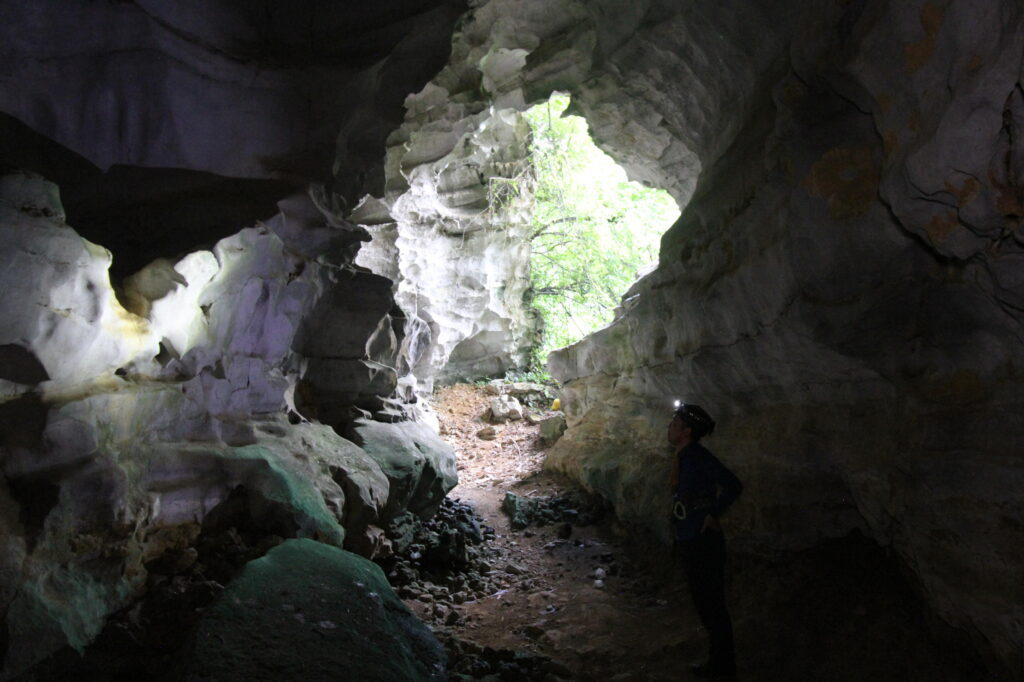
While the cave sites themselves appear to have been accumulations of bones gathered by porcupines rather than primary habitation sites, the geographical proximity is notable. Based on the territorial range of modern porcupines, the researchers estimate these different hominin species occupied an area of less than 100 square kilometers. This temporal and spatial overlap suggests the potential for interaction between Homo erectus and other archaic human groups. While evidence of direct cultural or biological exchange remains elusive, the mere existence of these populations in such close quarters complicates the traditional "replacement" models of human evolution.
Implications for Human Evolutionary Theory
The broader impact of these findings is a necessary, and perhaps overdue, demotion of the perceived "uniqueness" of Homo sapiens. The assertion that we were the sole species capable of conquering the rainforest, or that we were the only ones capable of long-distance, strategic migration, is increasingly undermined by the growing body of evidence surrounding Homo erectus and Denisovan capabilities.
Furthermore, the genetic divergence observed in these four teeth—specifically the amino acid substitutions in the ameloblastin protein—indicates that the Guangxi population had branched off from other Asian Homo erectus groups long before the common ancestor of modern humans, Neanderthals, and Denisovans diverged. This suggests a deep, complex history of population separation and local adaptation across Asia.
The scientific community has reacted to these findings with a call for more extensive isotope and proteomic work on other Middle Pleistocene sites across the continent. The "porcupine-collected" assemblage at Baxian and Naxian caves serves as a reminder that the most profound insights into our past often come from the most unlikely sources. As the research indicates, we have significantly underestimated our ancestors’ capacity for survival, mobility, and environmental resilience.
Future Research Directions
The work of Welker, Westaway, and their colleagues establishes a new baseline for future investigations into the Middle Pleistocene. As advanced analytical techniques continue to improve, the ability to extract data from small fragments of fossilized enamel will likely provide even more clarity on the social and ecological lives of these enigmatic hominins.
Questions regarding how these groups interacted, how they communicated, and the precise nature of their extinction remain open. However, the paradigm that these species were simple, static, or environmentally constrained has been effectively dismantled. The evidence from Guangxi demonstrates that for hundreds of thousands of years, the jungles of southern Asia were not empty; they were home to a dynamic and widespread population of Homo erectus, living alongside other hominin lineages, navigating a landscape that was as complex and demanding as any in the ancient world.
As archaeologists continue to survey the karst valley corridors of China and Southeast Asia, the expectation is that more such sites will be discovered. Each new finding further cements the realization that the narrative of human evolution is far more branched, resilient, and enduring than the traditional "out-of-Africa" models once suggested. The teeth from Baxian and Naxian are not merely biological specimens; they are witnesses to a forgotten epoch where multiple species of the genus Homo shared the earth, adapted to its changing climate, and carved out a legacy that modern science is only now beginning to fully comprehend.