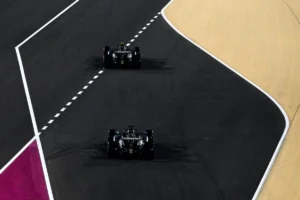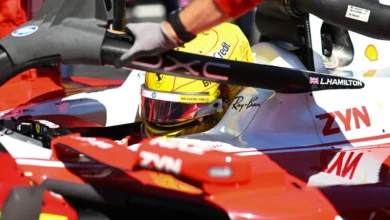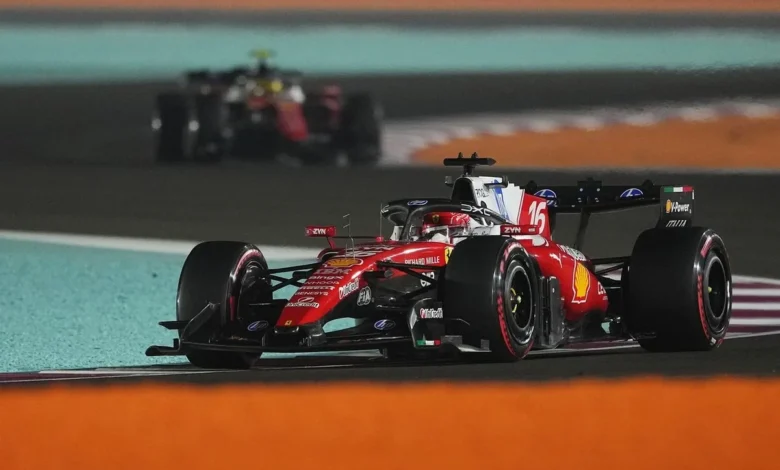
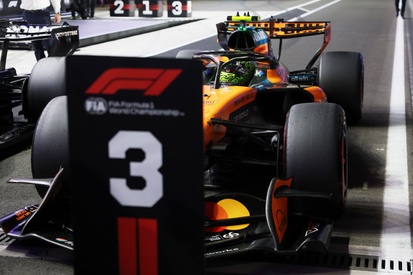
The disparity in performance was highlighted during a sobering qualifying session where Charles Leclerc could manage no better than seventh place. His best effort saw him finish a staggering one second adrift of George Russell’s dominant Mercedes, which claimed pole position. The team’s misery was compounded by Lewis Hamilton’s performance; the veteran driver qualified in ninth, forced to sandwich himself between the Racing Bulls entries of Arvid Lindblad and Liam Lawson.
A Weekend of Regression
The decline in form caught the team off guard. Heading into the Doha weekend, internal simulations and data analysis suggested that the layout of the Lusail circuit, with its blend of technical corners and high-speed sections, would play to the strengths of the SF-26. However, from the moment the cars hit the track for Free Practice 1, it became evident that the vehicle was suffering from a fundamental lack of grip and balance.
By the time the qualifying hour arrived, the gap between Ferrari and the lead pace was not just a matter of minor setup tweaks or driver preference; it was a structural deficit. The car appeared to struggle in every sector, failing to generate the necessary thermal energy in the tires while simultaneously suffering from a lack of aerodynamic efficiency when pushed to the limit.
The Pirelli Pressure Dilemma
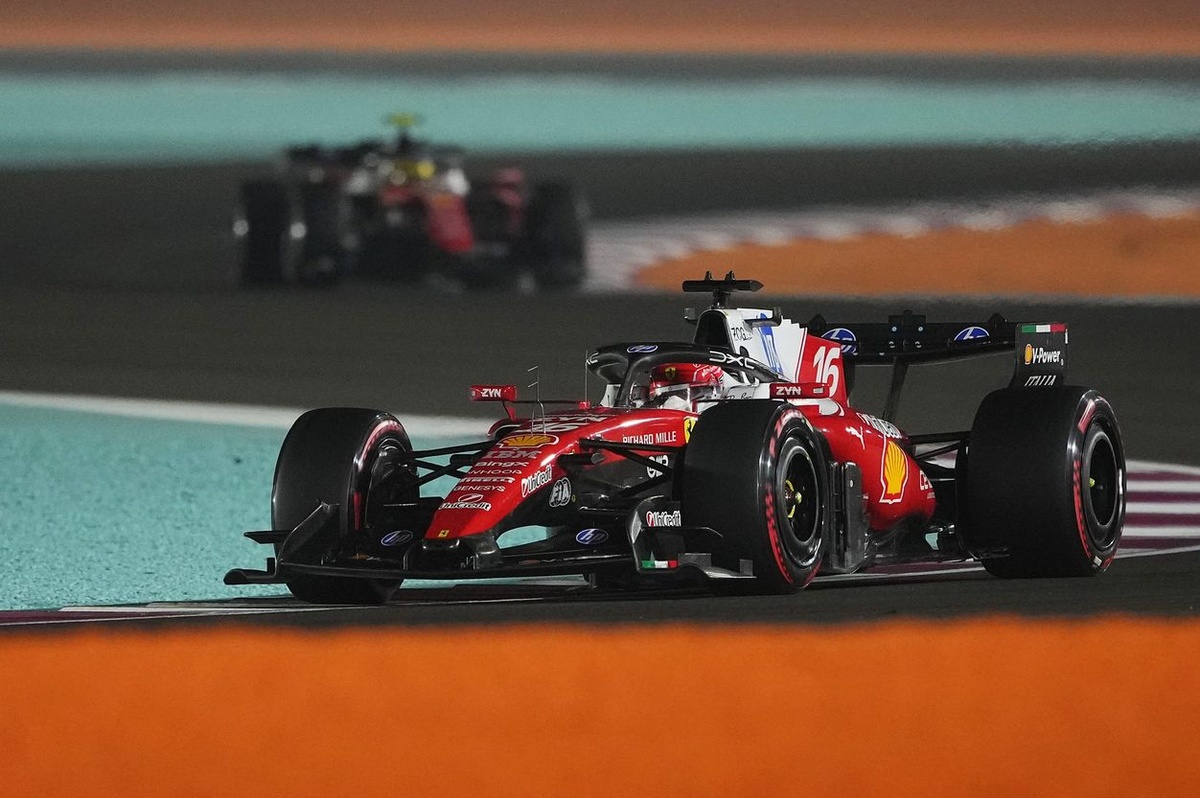
A significant factor in the team’s struggles is the specific tire mandate enforced by Pirelli for this weekend. Due to the unique combination of high-speed loads and the aggressive, high-kerb design of the Lusail track, Pirelli has set a mandatory minimum starting tire pressure of 29psi. This is the highest figure on the current F1 calendar, and it has created a technical headache for engineers across the paddock.
For Ferrari, these extreme pressures have proved particularly detrimental. When the tires are inflated to such high levels, the contact patch of the rubber is reduced, effectively turning the tire into a rigid balloon. This makes it significantly harder for the car to "hook up" with the asphalt, leading to an erratic, sliding sensation that leaves drivers unable to attack corners with confidence.
Team Principal Fred Vasseur did not mince words when discussing the team’s predicament with media representatives. "It is the worst performance of the season, clearly in terms of raw pace," Vasseur admitted. "We had decent expectations coming into Doha, but from the beginning of the weekend, we have struggled with the specific conditions. It is mainly the difficulty of putting the tires in the right window with the very high pressure prescriptions."
Vasseur noted that while every team is operating under the same technical constraints, Ferrari’s inability to adapt suggests a deeper issue within the car’s suspension geometry or its interaction with the tires. "It is not an excuse because we all have the same regulations and we are struggling to fix it. When you don’t put the tires in the right window, you are one second off. We have been fighting this since the start."
The Surface Sensitivity Problem
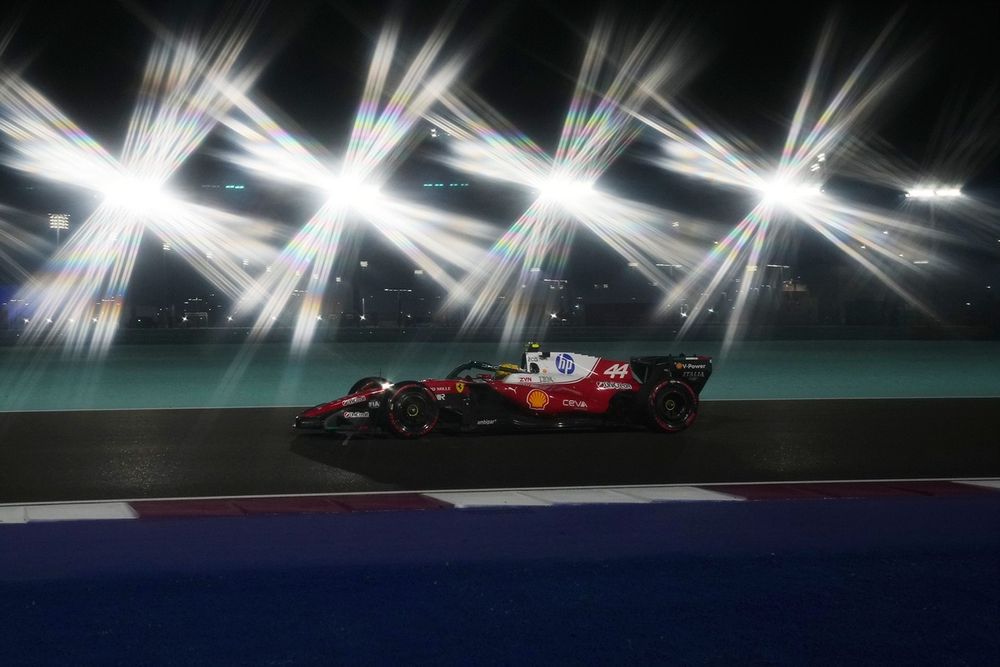
Beyond the tire pressures, driver Charles Leclerc pointed to an inherent characteristic of the Ferrari design that struggles on exceptionally smooth tarmac. The Lusail circuit features some of the most refined, consistent surface textures in the world of motorsport, which, ironically, is a detriment to the SF-26.
"There is one thing that is quite unique and different here, and that is the tarmac characteristics, which are extremely smooth," Leclerc explained. "We have a tendency to struggle more on smooth tarmacs. This is much smoother than anything else on the calendar, and it is definitely a standout issue for us."
Leclerc’s assessment highlights a broader concern regarding the car’s versatility. While the SF-26 has proven competitive on tracks with more abrasive or "bumpier" surfaces, it lacks the mechanical grip required to compensate for a lack of track-induced friction. The Monegasque driver noted that the team had experimented with widely divergent setup configurations—ranging from high-downforce wings to stiffer suspension settings—yet nothing has resolved the core issue.
"We have tried very different things on the car, but there is just something that is not working," Leclerc added. "We need to dig into that and ensure that for next year we take these types of tracks into account. To be champion, we need to be good on these tracks as well, and at the moment, we are extremely far off."
The Power Unit Obstacle
Adding to the aerodynamic and mechanical woes is a recurring complaint regarding the Ferrari power unit. Lewis Hamilton, who has extensive experience with the Mercedes power plant, has been vocal about the deficit his current team is facing in terms of straight-line grunt.
"It’s just power," Hamilton remarked when asked about the gap to the front-runners. "The speed that the Mercedes cars arrive at Turn 12, and then how they maintain that power—it’s just raw grunt. We can’t match it. It is a big obstacle."
Hamilton’s comments shed light on the internal development struggle at Maranello. He hinted that the team is aware of specific design flaws in the current power unit architecture—areas where development may have been compromised in the pursuit of other gains. "They know where I think they went wrong with this power unit, and they are working really hard to rectify it for next year, but we are essentially a year behind everybody else in that regard."
This power deficiency is particularly noticeable at a circuit like Qatar. While it is not a traditional power-sensitive track with long, flat-out straights, the sheer amount of time spent at full throttle—combined with the need to accelerate out of tight corners—means that any lack of torque or top-end power is compounded over the course of a single lap.
Implications for the Race
Looking ahead to the Grand Prix, the prospects for a Ferrari recovery appear dim. Overtaking at Lusail is notoriously difficult, and the 27-lap maximum stint limit imposed by Pirelli due to safety concerns limits the scope for creative pit-stop strategies.
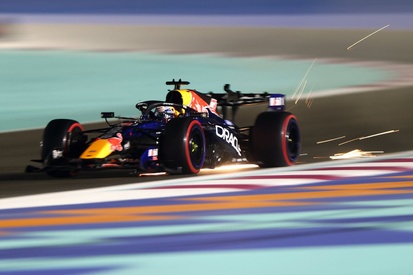
"I don’t want to sound pessimistic," Leclerc said, acknowledging the reality of the qualifying result. "But looking at qualifying, we are much closer to the Racing Bulls than we are to the Red Bulls. I want to look forward, but it is not going to be an easy day."
The implications of this weekend are significant for the remainder of the season. If Ferrari cannot resolve its issues with tire window management and smooth-track performance, the team risks losing ground in the Constructors’ Championship standings. More importantly, the struggle serves as a critical data point for the 2027 development cycle.
The team now faces a period of intense analysis. The discrepancy between the car’s performance in simulation and its behavior on the ground suggests that the correlation between the factory wind tunnel and real-world track conditions may be misaligned. For a team with the history and resources of Ferrari, returning to the status of a front-runner will require not just minor updates, but a fundamental reassessment of how the car interacts with the specific variables of modern Formula 1 tires and track surfaces.
As the grid lines up for Sunday’s race, the mood within the Ferrari garage is one of frustration rather than resignation. The team remains committed to salvaging as many points as possible, but the path forward is narrow. Whether through a radical change in tire management or a miraculous breakthrough in race-pace setup, the Scuderia must find a way to overcome the "power and pressure" trap that has rendered them mere spectators in the fight for the Qatar Grand Prix.
Related posts: