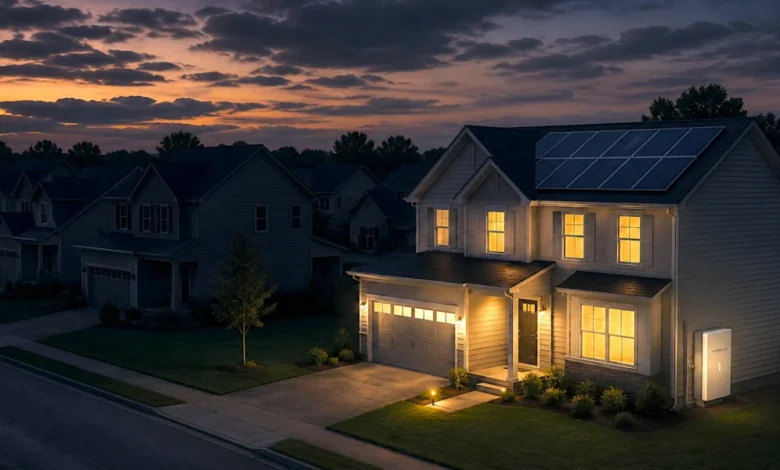
The United States has faced mounting grid instability over recent years, marked by frequent major power outages across multiple states on a monthly basis. Driven by increasingly severe weather patterns linked to climate change, aging legacy transmission infrastructure, surging electricity demand, and the rapid expansion of energy-intensive artificial intelligence data centers, the vulnerabilities of the traditional power grid have become starkly apparent. Consequently, achieving household energy independence is rapidly transitioning from a niche consideration for emergency preparedness enthusiasts into a fundamental element of practical home infrastructure planning.

This shifting consumer mindset has sparked unprecedented demand for residential solar-plus-storage solutions. While Tesla’s industry-leading Powerwall has long dominated public awareness in the home battery market, a combination of corporate controversies, recent product recalls, and a growing consumer desire for technological diversity has opened the door for robust competition. Today, the marketplace features an array of sophisticated home energy storage systems that offer advanced technological integrations—ranging from virtual power plant (VPP) participation to vehicle-to-home (V2H) bidirectional charging—where basic storm backup is merely a baseline capability.
The Evolution of Residential Energy Storage
The market for home energy storage systems has undergone a profound transformation over the past decade. Initially conceived as simple uninterruptible power supplies (UPS) for emergency use during blackouts, modern residential battery energy storage systems (BESS) are multifaceted energy management hubs. They allow homeowners to optimize energy consumption through time-of-use (TOU) arbitrage—charging from the grid during inexpensive off-peak hours and discharging during peak pricing windows—while simultaneously integrating with rooftop photovoltaic solar arrays.
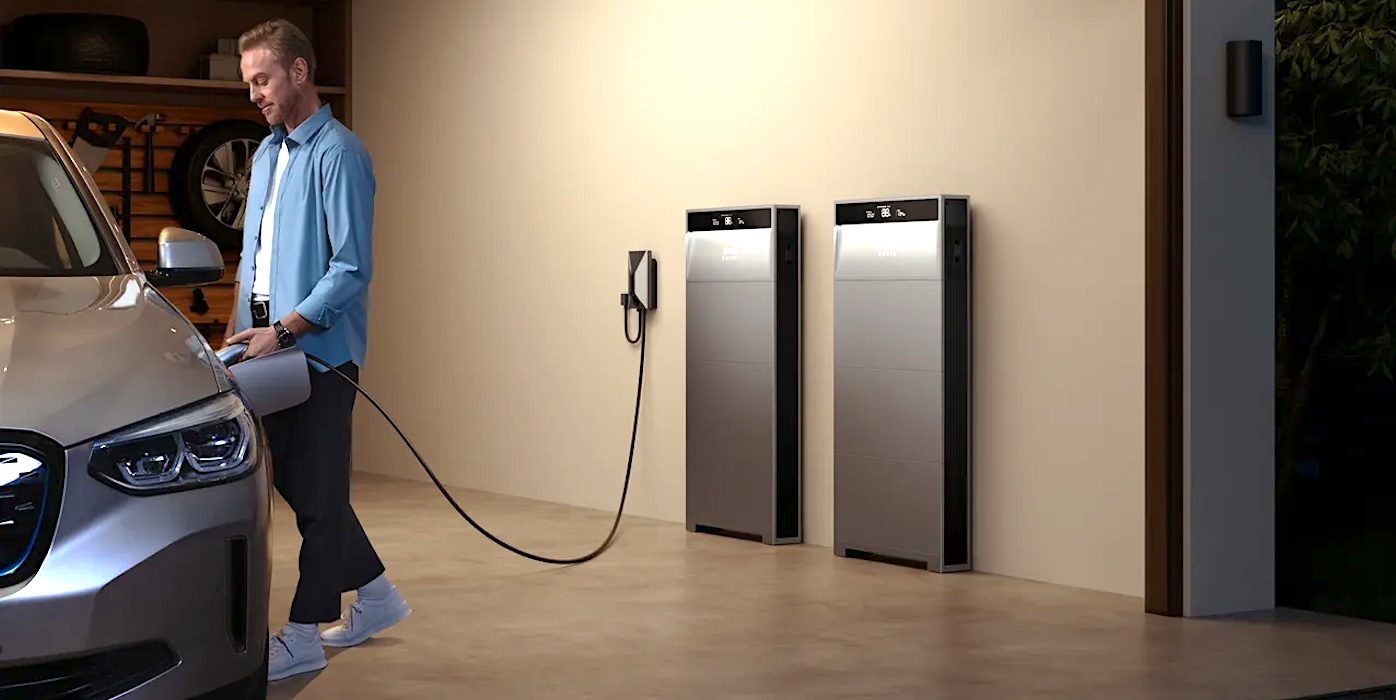
As regulatory bodies, particularly in states like California and Texas, implement changes to net metering policies and introduce lucrative incentives for Virtual Power Plants, the economic calculus of home batteries has shifted. Homeowners can now monetize their stored energy by dispatching power back to the grid during high-demand events, effectively turning a passive capital expense into an active revenue-generating asset. Furthermore, advancements in lithium-ion and alternative battery chemistries have dramatically increased cycle life, thermal safety, and overall system scalability.
Alphabetical Overview of Leading Alternatives to the Tesla Powerwall
Anker SOLIX X1
Expanding outward from its strong reputation in consumer electronics and portable power stations, Anker has entered the stationary residential market with the SOLIX X1. Engineered for maximum scalability, the system initiates with a compact 5 kWh storage baseline housed in a low-profile, aesthetic LiFePO4 (lithium iron phosphate) battery cabinet. Users can incrementally scale the system up to a massive 180 kWh, accommodating diverse household energy profiles. The X1 incorporates automated storm monitoring features, a rapid 20-millisecond grid-to-backup switchover time, an IP66-rated weatherproof enclosure suitable for exterior installation, and a standard 10-year manufacturer warranty.
BLUETTI EP800
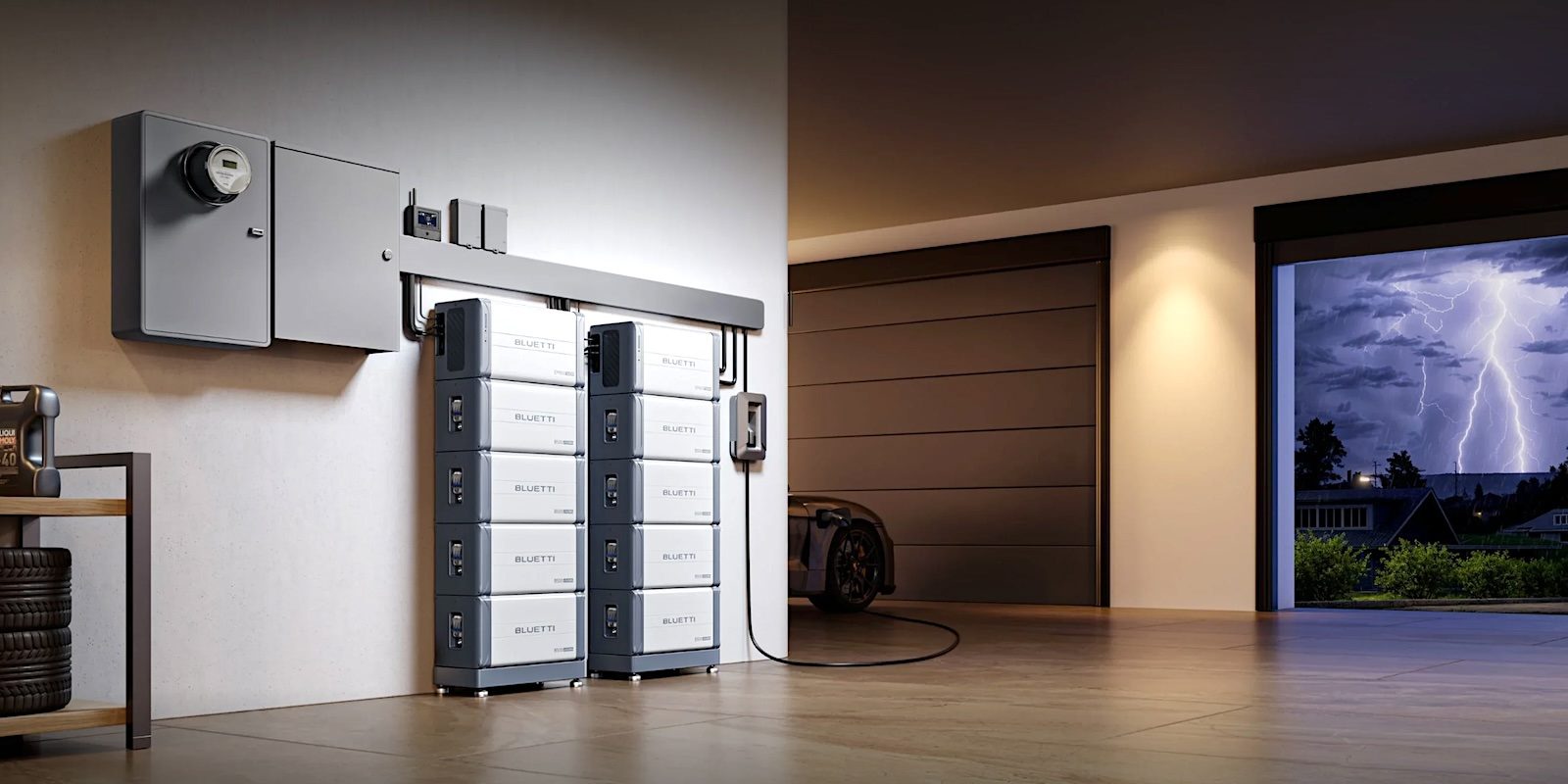
BLUETTI approaches residential storage through a modular architecture anchored by the EP800 inverter and stackable B500 battery packs. A standard dual-battery configuration delivers 9.92 kWh of capacity, which can be expanded to nearly 40 kWh paired with 7.6 kW of continuous output. Notably, the EP800 is engineered to operate seamlessly either coupled with rooftop solar arrays or as a standalone AC-coupled storage unit charged directly from the grid. This capability provides significant utility for renters and homeowners constrained by structural limitations that preclude rooftop solar installations, allowing them to capture substantial savings through off-peak grid charging.
Briggs & Stratton SimpliPHI
Best known for manufacturing traditional internal combustion emergency generators, industrial conglomerate Briggs & Stratton entered the battery sector via a strategic partnership with EG4, subsequently expanding its portfolio with the introduction of the 16 kWh SimpliPHI LFP battery. Designed to scale up to an impressive 512 kWh for larger residential or microgrid applications, the system features automated inverter-sensing technology that simplifies compatibility with multiple third-party inverter brands. Supported by domestic technical infrastructure and a comprehensive 12-year warranty, the SimpliPHI targets users seeking industrial-grade capacity and robust domestic supply chain backing.

EcoFlow DELTA Pro Ultra
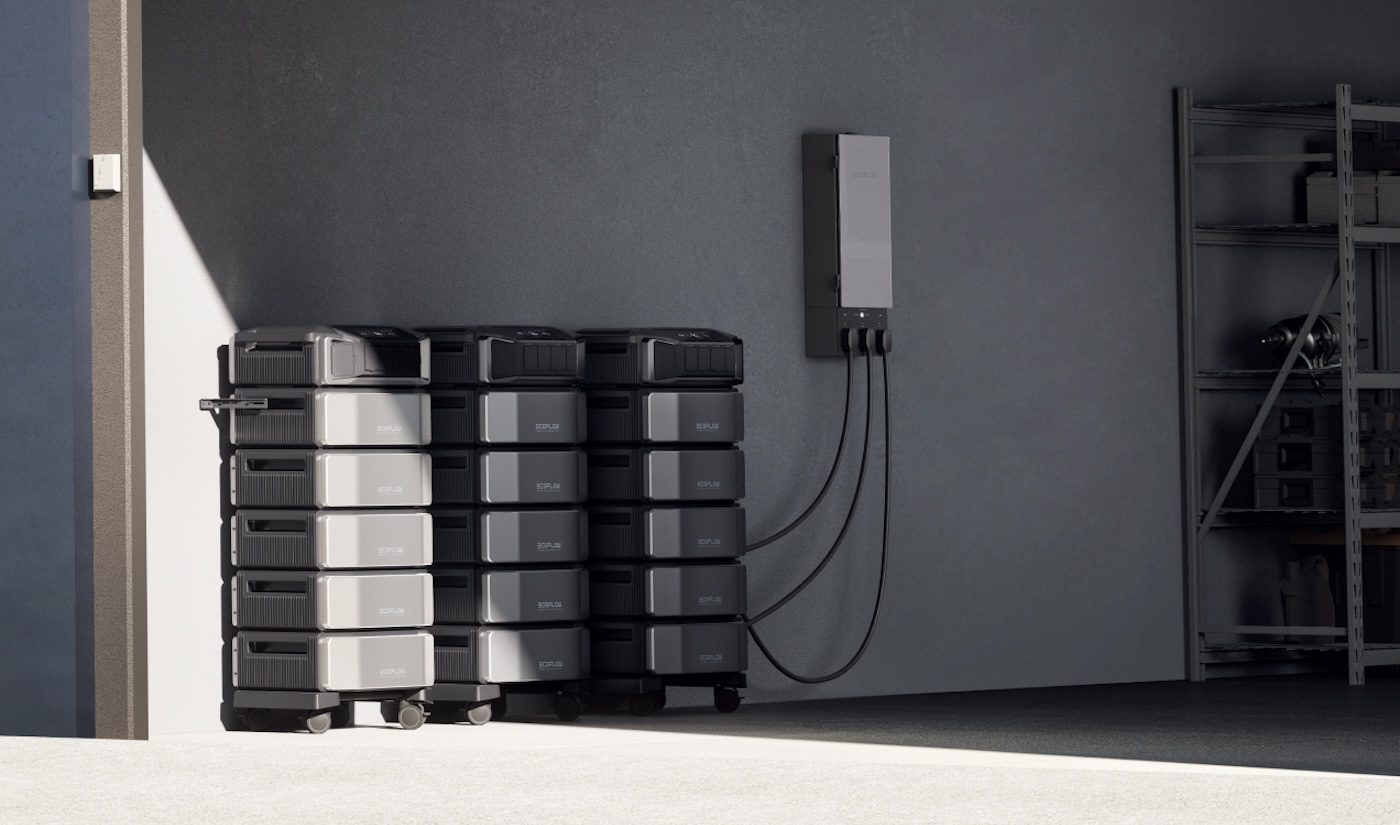
Occupying the middle ground between portable power stations and permanent whole-home installations, the EcoFlow DELTA Pro Ultra pairs a 7.2 kW 120/240V inverter with modular 6.144 kWh LFP battery modules. Homeowners can stack up to five units to achieve approximately 30 kWh of capacity per inverter stack. The system supports up to 4 kW of high-voltage photovoltaic input, facilitating straightforward integration with existing solar configurations. Rated to maintain at least 80 percent of its original nominal capacity after 3,500 charge-discharge cycles, the DELTA Pro Ultra bridges the gap between plug-and-play versatility and permanent home resilience.
Enphase IQ Battery 5P
Enphase Energy provides a comprehensive, integrated ecosystem combining its IQ Battery 5P storage units with IQ8 series microinverters, Sunlight JumpStart technology, and auxiliary standby AC generators. Designed to facilitate extended off-grid operation without reliance on utility infrastructure, the Enphase architecture is complemented by the proprietary IQ EV charger line. This Wi-Fi-enabled integration allows users to manage photovoltaic generation, battery reserves, and electric vehicle charging through a unified mobile application interface, avoiding proprietary lock-in to automotive manufacturers.
FranklinWH aPower S
The FranklinWH aPower S adopts a minimalist design philosophy, consolidating both the inverter and a 15 kWh usable lithium iron phosphate battery into a single unified cabinet to streamline the installation process. Delivering up to 10 kW of continuous power output, multiple aPower S units can be linked in parallel for enhanced capacity. In addition to traditional solar self-consumption and backup capabilities, the system is fully optimized for participation in Virtual Power Plant (VPP) aggregation programs, allowing system owners to capitalize on local grid service incentives.
GM Energy Home System
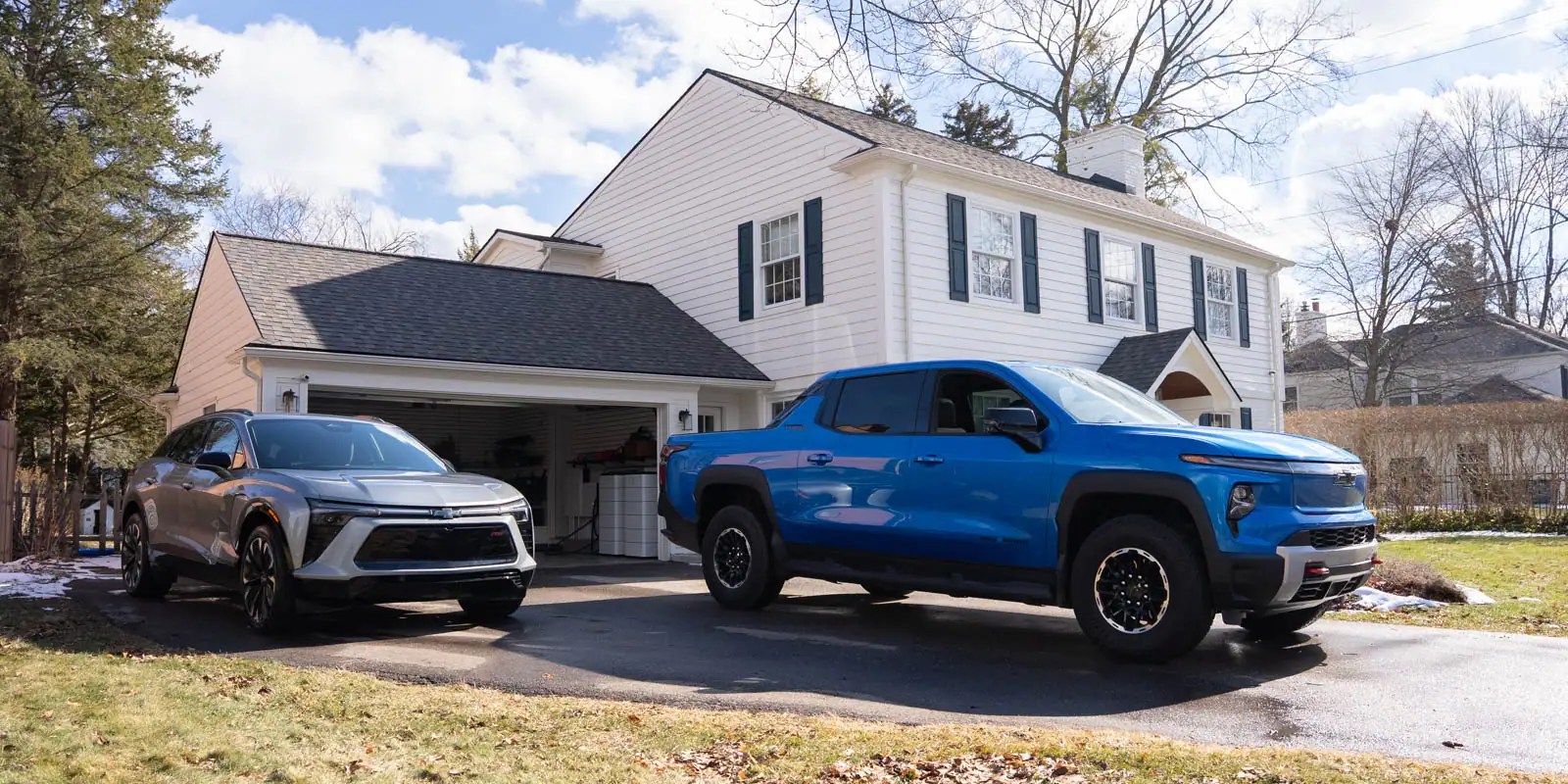
Automotive manufacturer General Motors offers a deeply integrated energy management ecosystem via the GM Energy Home System. Designed to function in tandem with compatible GM electric vehicles, the system bridges residential storage with bidirectional vehicle-to-home (V2H) capabilities. Utilizing the 10.6 kWh foundational home battery alongside the vehicle’s high-capacity traction battery, users can extend their emergency backup duration significantly during prolonged grid outages. Installations are managed through certified partners like Qmerit, establishing a direct link between automotive electrification and domestic energy independence.

Sigenergy V2X
Addressing a significant limitation for early electric vehicle adopters—specifically the historical lack of widespread bidirectional charging support across popular models—the Sigenergy V2X system introduces advanced vehicle-to-grid and vehicle-to-home capabilities. Beyond accommodating specialized platform configurations, the system supports bidirectional power transfer across a diverse array of EV models using standardized communication protocols such as DIN70121 and ISO15118-2. This universality allows owners of various EV makes to utilize their vehicle batteries as an extension of their home energy storage infrastructure.
Villara VillaGrid+
Positioned at the premium end of the residential storage market, the Villara VillaGrid+ utilizes advanced lithium-titanium-oxide (LTO) battery chemistry rather than standard lithium-ion formulations. According to independent industry evaluations by analytical firms such as EnergySage, LTO chemistry offers exceptional thermal safety, superior high-rate charge and discharge capabilities, and an extended operational lifespan that allows Villara to back the system with a 20-year warranty. While commanding a significantly higher upfront capital cost per kilowatt-hour compared to conventional market options, the VillaGrid+ represents the upper echelon of longevity and safety for specialized residential deployments.
Market Implications and Economic Considerations
The proliferation of these diverse energy storage platforms underscores a structural shift in how households interact with electrical utilities. As grid reliability remains a pressing concern across North America, residential energy storage is no longer viewed merely as an insurance policy against severe weather events. Instead, it has evolved into a strategic financial tool designed to mitigate rising electricity tariffs and insulate consumers from wholesale market volatility.
Industry analysts emphasize that prospective buyers must evaluate several critical factors before selecting a storage system, including round-trip efficiency, inverter capacity, chemistry safety profiles, warranty terms, and local utility interconnection policies. Furthermore, consumers navigating the purchasing process are increasingly encouraged to obtain multiple competitive bids through centralized comparison platforms, such as EnergySage, to optimize equipment selection and reduce total installation expenses. As manufacturing capacity scales and battery chemistries continue to advance, the domestic energy landscape will likely see even greater integration between electric vehicles, smart homes, and decentralized microgrids over the coming decade.