Michelin Winter Tire Performance: A Comprehensive Comparative Analysis Across Diverse Conditions

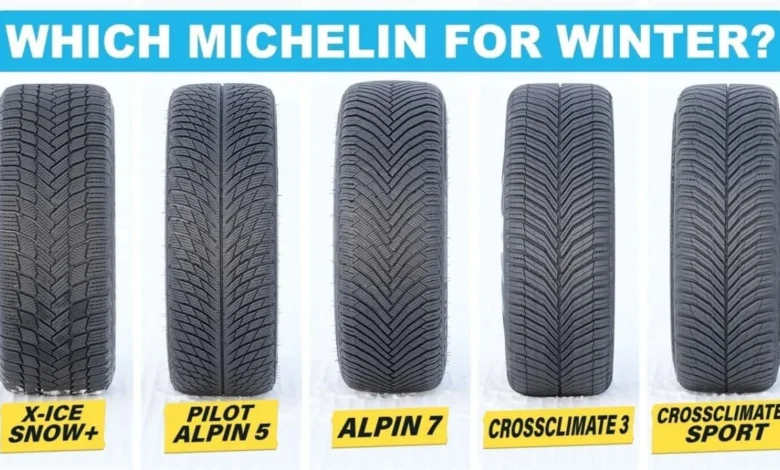
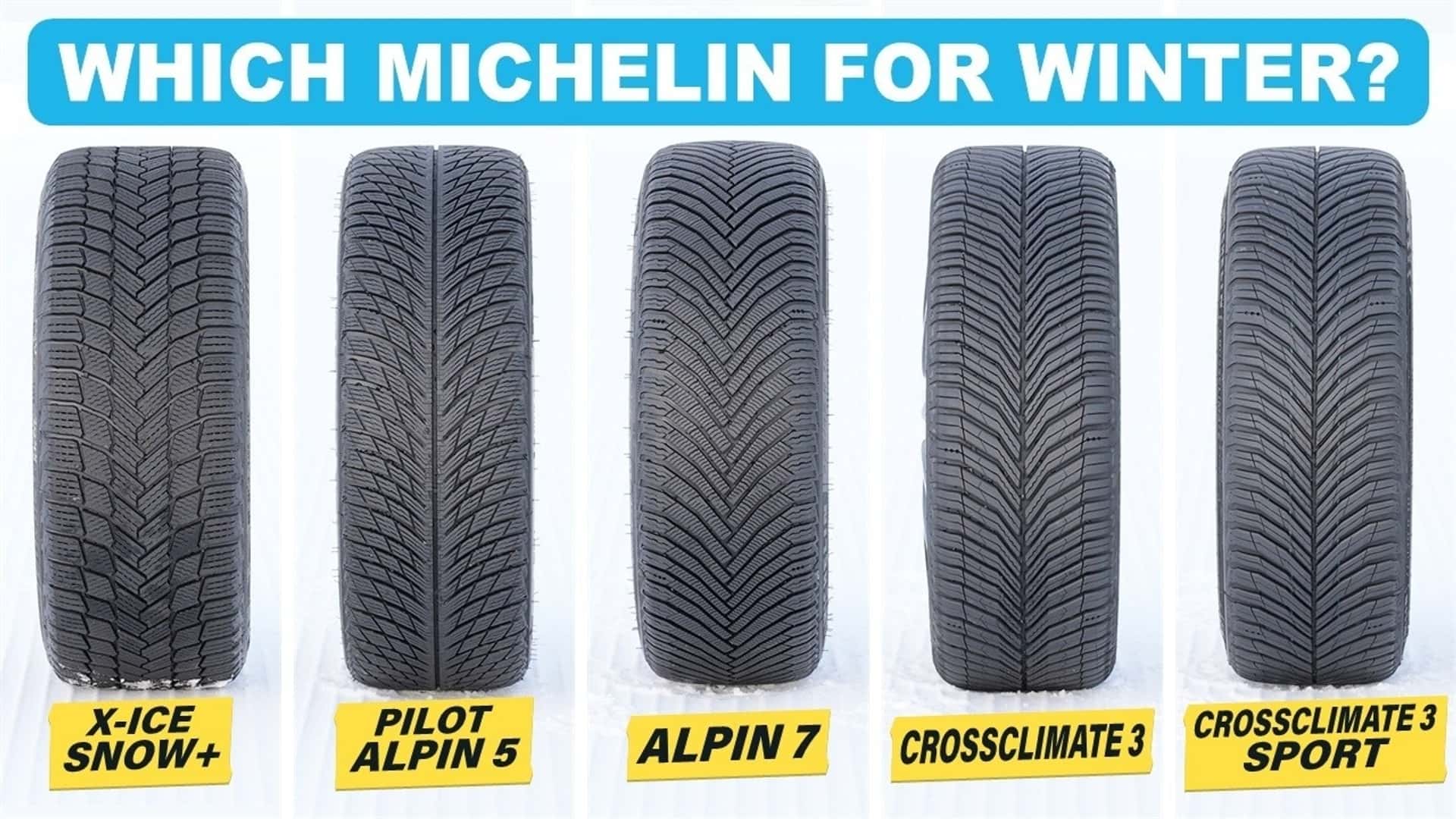
The recent exhaustive tire testing initiative conducted by Tyre Reviews has shed significant light on the operational nuances of Michelin’s current tire portfolio. By subjecting the manufacturer’s most prominent winter, all-season, and summer tires to a rigorous battery of tests at a unified location, the study provides a definitive guide for consumers navigating the complexities of seasonal tire selection. The evaluation, performed on 225/40 R18 tires, included the Nordic-spec X-Ice Snow Plus, the Pilot Alpin 5, the Alpin 7, the CrossClimate 3, and the CrossClimate 3 Sport, with the Primacy 5 summer tire serving as the control variable.
The Methodology of the Comparative Study
The testing protocol was designed to emulate real-world driving conditions across five distinct environmental categories: dry asphalt, wet surfaces, snow-covered tracks, ice-covered tracks, and a measurement of rolling resistance. By maintaining a constant size specification (225/40 R18), the testers ensured that the variables remained focused on tread compound chemistry, siping architecture, and structural carcass design.
This testing sequence is critical because it highlights the fundamental design philosophy behind each tire category. Nordic winter tires are engineered with high-density siping and specialized compounds designed to remain pliable at sub-zero temperatures. In contrast, Central European winter tires—such as the Pilot Alpin 5 and Alpin 7—balance cold-weather traction with the stiffer tread blocks required for higher-speed handling on clear, cold roads. The inclusion of the CrossClimate 3 and the Primacy 5 provided a necessary contrast, illustrating the performance degradation that occurs when non-winter-optimized tires are subjected to extreme cold.
Chronology and Performance Breakdown in Winter Conditions
The evaluation began on the snow and ice circuits, where the Michelin X-Ice Snow Plus demonstrated the efficacy of its dedicated design. In subjective handling tests, the X-Ice Snow Plus offered the most secure and predictable feedback of the group. Its ability to maintain lateral grip and longitudinal traction on loose snow and ice confirmed its status as a specialized tool for regions facing prolonged, severe winter conditions.
Following the Nordic specialist, the Pilot Alpin 5 outperformed the Alpin 7 in snow-specific handling. This result is consistent with the product positioning of both tires; the Pilot Alpin 5 is marketed as an ultra-high-performance winter tire, prioritizing sharp steering response and front-axle bite. The Alpin 7, while slightly less aggressive in steering feedback, demonstrated a remarkable ability to mirror the lap times of the performance-oriented Pilot Alpin 5, proving that Michelin has succeeded in its goal of increasing the comfort and longevity of the touring-focused Alpin line without sacrificing significant snow traction.
The surprise of the testing phase was the performance of the CrossClimate 3. While often dismissed by enthusiasts as a compromise, the all-season tire matched the dedicated winter tires in straight-line acceleration and braking tests on snow. However, the limitation of the all-season design became apparent during complex cornering maneuvers, where the lack of specialized winter tread patterns resulted in a loss of lateral stability.
The Shift in Performance: Wet and Dry Dynamics
As the testing environment transitioned to warmer, clear surfaces, the hierarchy of the tires inverted. The performance gap between the winter-biased tires and the Primacy 5 summer tire widened significantly. As temperatures rose, the soft compounds of the X-Ice Snow Plus and the Alpin series struggled to maintain the structural rigidity required for crisp handling.
The Alpin 7 and the CrossClimate 3 Sport emerged as leaders in wet handling and braking, effectively bridging the gap between extreme winter performance and the requirements of mild-weather driving. The Primacy 5, acting as the baseline, underscored the reality that summer tires are fundamentally unsafe in deep winter conditions; even as it provided the best handling in warmer, wet conditions, its performance plummeted as temperatures dropped, reinforcing the industry-standard recommendation for seasonal tire changes.
Aquaplaning and Rolling Resistance Data
An intriguing finding emerged during the deep-water aquaplaning tests. The X-Ice Snow Plus, which dominated the ice, finished last in straight-line aquaplaning resistance. This is an expected trade-off; the deep sipes and biting edges that allow the tire to anchor itself into ice and snow create a complex tread surface that is less efficient at evacuating standing water compared to the more channel-oriented tread patterns of the Alpin or CrossClimate lines.
Perhaps the most counterintuitive data point involved rolling resistance. Despite being a larger, more robust tire, the X-Ice Snow Plus returned the lowest rolling resistance figures of the entire test group. This result suggests that Michelin has made significant strides in optimizing the internal energy dissipation of its Nordic tires, potentially helping to offset the fuel or battery-range efficiency losses typically associated with winter rubber.
Analytical Implications for Consumers and Fleet Managers
The implications of these results are twofold. First, they validate the manufacturer’s segmented marketing strategy. The CrossClimate 3 is arguably the most versatile "one-tire" solution for drivers in temperate climates who face occasional snow. Its ability to secure the highest overall weighted score across all categories suggests that for the majority of the driving population, the all-season category has reached a level of maturity that renders it highly competitive.
Second, the results serve as a reminder that "all-season" is not synonymous with "all-condition." For drivers in regions with consistent, heavy snowfall—the target demographic for the X-Ice series—the data proves that there is no substitute for a dedicated Nordic winter tire. The safety margins provided by the X-Ice Snow Plus in snow and ice, combined with its surprising efficiency in rolling resistance, make it an objectively superior choice for specific geographical needs.
Industry Context and Manufacturer Response
Michelin’s product lifecycle management, as reflected in this test, indicates a trend toward hyper-specialization. By offering distinct tiers of performance—the Alpin 7 for touring comfort and the Pilot Alpin 5 for performance enthusiasts—the company is attempting to capture a wider share of the market while acknowledging the diverse needs of modern vehicle operators.
While Michelin has not issued a formal statement regarding this specific independent test, the results align with their stated corporate objectives: improving environmental impact through lower rolling resistance while maintaining a reputation for safety. Industry analysts suggest that the success of the CrossClimate 3 in this test highlights a broader shift in the automotive industry toward tires that minimize the need for biannual seasonal changes, thereby reducing waste and consumer maintenance costs.
Summary of Findings
When aggregating the data, the CrossClimate 3 takes the lead for the average driver. Its performance in dry and wet conditions effectively compensates for its minor deficit in heavy snow, offering a balanced profile that performs well year-round. The Pilot Alpin 5 and Alpin 7 remain the standard for high-performance vehicles and touring comfort, respectively, in climates where the temperature remains consistently below 7°C (45°F). The X-Ice Snow Plus, while specialized, remains the definitive tool for those who prioritize maximum safety on frozen surfaces.
Ultimately, the data from the Tyre Reviews testing facility provides a clear blueprint for consumers. By identifying the primary environment in which they drive, users can navigate the trade-offs identified in this study—namely, that increased snow and ice capability inherently requires a sacrifice in wet-weather evacuation and dry-handling precision. This technical insight remains the most valuable resource for ensuring that the appropriate tire technology is matched to the correct environmental conditions.