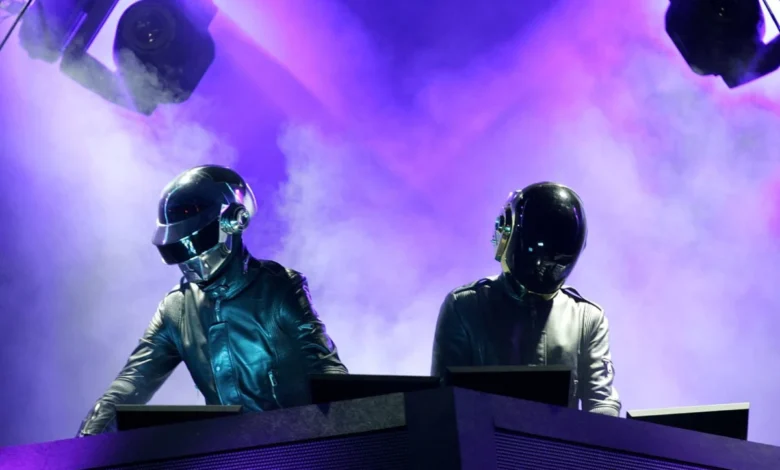
A previously undocumented hour-long DJ mix recorded by the legendary French electronic duo Daft Punk in 1997 has been unearthed, meticulously restored, and made available for public consumption. The recording, which captures Thomas Bangalter and Guy-Manuel de Homem-Christo at the absolute zenith of their breakthrough year, offers a rare, unfiltered look into the creative sensibilities of the pair just as their debut studio album, Homework, was reshaping the global dance music landscape.
The discovery was made by Leeds-based DJ and producer Ralph Lawson, a central figure in the UK’s house music scene and a founding resident of the iconic Back To Basics club night. Lawson had originally received the Digital Audio Tape (DAT) from the duo in February 1997. At the time, the French pair was looking to promote their work on Lawson’s radio show, Trans Europe Express, which aired on the now-defunct Kiss 105 FM in Leeds.
The Origins of a Forgotten Artifact
The relationship between Lawson and the French duo was forged in the heat of the 1990s club circuit. In early 1997, Daft Punk was performing a string of shows in the United Kingdom to support the release of Homework. During a particularly notable gig where drum and bass pioneer Goldie was the headliner, Lawson served as the opening act. It was through this shared performance that the artists struck up a rapport, leading to the exchange of the promotional material that would eventually become a lost piece of electronic music history.
For nearly three decades, the tape sat in storage, largely forgotten amidst the rapid evolution of digital media and the shifting landscape of the music industry. It was not until 2024, while Lawson was cataloging his archives, that he rediscovered the physical medium. Upon initial inspection, the tape had suffered significant degradation; the damp conditions of long-term storage had caused mold growth, and the delicate tape physically tore when Lawson attempted to play it back.
The Restoration Process
Recognizing the potential historical significance of the recording, Lawson turned to Greatbear, a Bristol-based audio preservation facility known for rescuing high-stakes archival audio. The restoration process was a delicate, multi-week operation that required specialized equipment to bypass the damage caused by the mold.
Adrian Finn, the specialist at Greatbear responsible for the recovery, described the labor-intensive nature of the project. The primary challenge was cleaning the magnetic tape without stripping away the audio signal or damaging the fragile base material. "It’s nice to make people happy through this kind of restoration work," Finn stated, noting that the playback quality surpassed initial expectations. The team was able to stabilize the tape sufficiently to capture a near-perfect digital transfer, ensuring that the legacy of the mix remained intact with minimal artifacts or data loss. Following the successful recovery, Lawson uploaded the full, hour-long set to SoundCloud, allowing fans and music historians to analyze the curation style of the duo during their formative era.
Contextualizing the 1997 Soundscape
The discovery initially sparked fears that the tape might be a duplicate of the legendary Daft Punk Essential Mix broadcast on BBC Radio 1 in March 1997. However, upon reviewing the audio, Lawson confirmed that the recording is entirely distinct, offering a unique tracklist and a different perspective on their technical mixing style.
The set opens with "Everybody Dancing" by the late American house producer Romanthony. This inclusion is historically significant, as it highlights the deep creative synergy that existed between Daft Punk and Romanthony years before he would provide the iconic, vocoder-processed vocals for the global hits "One More Time" and "Too Long" on the duo’s 2001 sophomore album, Discovery. The mix serves as a time capsule, reflecting the transition from the raw, acid-house-inflected sound of Homework to the more melodic, sample-heavy disco aesthetic that would eventually define the pair’s later career.
A Timeline of Daft Punk’s Legacy
The release of this mix arrives at a poignant moment for the Daft Punk legacy, which has been subject to intense scrutiny and nostalgia since the duo’s dissolution.
- 1997: Daft Punk releases their debut album, Homework. They embark on a world tour, including the UK performances where the rediscovered mix was sourced.
- 2001: Discovery is released, pivoting the duo toward a more pop-oriented, disco-infused sound.
- 2007: The "Alive 2007" tour, featuring the iconic pyramid stage, cements their status as legends of live electronic performance.
- February 2021: The duo officially announces their split after 28 years of collaboration.
- 2022: The 25th-anniversary celebration of Homework features a deluxe reissue and a livestream of their 1997 Mayan Theater performance.
- 2024: Ralph Lawson rediscovers and restores the lost 1997 DAT tape, bringing the recording to the public domain.
Analysis: Why This Matters
The recovery of this tape provides more than just a nostalgic thrill for fans; it provides data for musicologists interested in the evolution of house music in the late 20th century. By 1997, Daft Punk were not yet the global icons they would become; they were experimentalists navigating a rapidly changing electronic music scene.
The mix demonstrates a sophisticated blend of Chicago house, filter house, and funk, providing a window into the "Daft Punk sound" before it was fully codified by the mass market. It reinforces the importance of archival practices in the digital age. As physical formats like DAT, cassette, and vinyl degrade, the cultural record is at risk of being lost to time. The intervention by Greatbear represents a growing trend in the music industry to treat electronic archives with the same rigor as historical manuscripts.
The Current State of the Daft Punk Brand
Despite their 2021 split, the cultural footprint of Daft Punk remains undiminished. Thomas Bangalter has maintained a firm stance against a live reunion, citing a desire to explore different creative avenues away from the pressures of the Daft Punk identity. His appearance alongside Fred Again.. at Alexandra Palace in London earlier this year, where they spun a series of Daft Punk classics, was a rare exception to his post-breakup reticence, though it was framed as a personal collaboration rather than a precursor to a reunion.
Commercial interest in the duo’s iconography remains robust. The recent announcement of a partnership with LEGO, which includes a detailed recreation of the "Alive 2007" pyramid stage, signals that the group’s visual identity remains a highly lucrative and culturally relevant asset. The LEGO set is widely expected to be the first in a series of collaborations aimed at capturing the nostalgia of the 2000s electronic music surge.
Broader Implications for Electronic Music
The rediscovery of the 1997 mix serves as a reminder of the fragility of the "analog-to-digital" bridge. Much of the music that defined the 1990s dance scene was recorded on formats that are currently reaching their physical expiration dates. Without the efforts of individuals like Ralph Lawson and restoration specialists like those at Greatbear, significant segments of modern music history would be lost to tape degradation.
For enthusiasts, the mix is an invitation to revisit the roots of the duo that arguably did more to popularize electronic music in the mainstream than any other act of their generation. As the recording circulates, it will undoubtedly undergo the same level of granular breakdown and track-by-track identification that has characterized the fan-driven study of Daft Punk’s discography for years. For the casual listener, it is simply a high-fidelity artifact of a time when the duo was just starting to change the world.