Wings of Heritage and Conservation: Inside Saudi Arabia’s Booming Falconry Economy and Global Protection Efforts

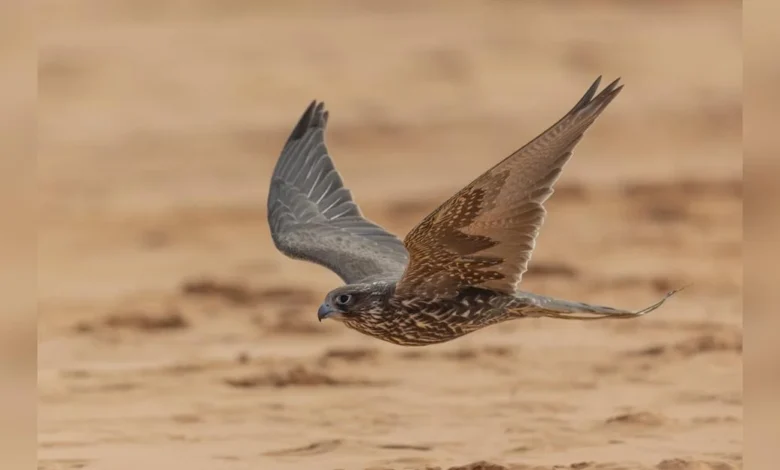
Saudi Arabia has long stood at the crossroads of ancient tradition and modern environmental conservation, a duality nowhere more apparent than in the Kingdom’s multi-million-dollar falconry sector. Deeply embedded in the cultural fabric of the Arabian Peninsula, falconry has evolved from a vital desert survival skill into a sophisticated, highly regulated industry. Today, the Kingdom balances the preservation of its intangible cultural heritage with rigorous wildlife protection laws, state-of-the-art breeding auctions, and ambitious international release programs aimed at safeguarding vulnerable raptor populations across Central Asia and the Middle East.
Recent developments underscore this dynamic landscape. The International Falcon Breeders Auction, held north of Riyadh, reported unprecedented commercial growth, highlighting a burgeoning global market for captive-bred raptors. Simultaneously, governmental restructuring has empowered specialized agencies to tighten regulatory oversight, promote sustainable hunting practices, and return hundreds of rehabilitated birds to the wild.
The Main Facts: A Booming Market and Institutional Reform
The commercial epicenter of the Kingdom’s falcon trade is located in Malham, north of Riyadh, where the International Falcon Breeders Auction serves as a premier global marketplace. During its 21-day run, the August event witnessed staggering growth, with more than 2,200 captive-bred falcons sold—more than double the volume recorded the previous year. Over 90 specialized breeding farms representing 24 countries participated in the event, driving total sales to approximately $8.8 million, a dramatic increase from prior years.
This commercial expansion is mirrored by structural changes in governance. The National Center for Falcons, the principal government body overseeing the sector, received enhanced public legal personality alongside complete financial and administrative independence following a royal decree approved by the Saudi Cabinet. This legislative milestone formally incorporated international falcon-release programs into the center’s core mandate, bridging the gap between commercial trade and ecological stewardship.
Unlike the Breeders Auction, which deals exclusively in captive-bred birds, the Kingdom maintains strict controls over wild-caught raptors. The National Center for Falcons Auction, held annually during the peak autumn migration season, handles a strictly limited quota of juvenile migratory peregrine falcons trapped within Saudi borders. Endangered species, such as the saker falcon, and adult peregrines are entirely excluded from the wild-caught trade to protect wild populations. Every bird sold through official channels is fitted with an advanced electronic ring and cataloged in a comprehensive national database, ensuring total traceability.
A Rich Chronology: From Bedouin Tradition to Global Heritage
The practice of falconry on the Arabian Peninsula spans centuries, originating as an essential method for Bedouin tribes to secure sustenance in harsh desert environments. Success relied on an intricate understanding of seasonal shifts, weather patterns, and the behavioral traits of desert prey. For generations, this specialized knowledge was transmitted orally through family lineages, forming a cornerstone of regional identity.
A significant milestone in the global recognition of this heritage occurred in November 2010, when UNESCO officially inscribed falconry on its Representative List of the Intangible Cultural Heritage of Humanity. This multinational nomination included Saudi Arabia alongside several other nations, cementing the cultural significance of the bond between falconer and bird on the world stage.
In the contemporary era, Saudi Arabia institutionalized this heritage by establishing dedicated clubs, festivals, and regulatory frameworks. The chronological evolution of these efforts accelerated significantly over the past decade:
- November 2010: UNESCO formally recognizes falconry as an Intangible Cultural Heritage of Humanity.
- November 2023: The Hadad conservation program executes its inaugural international release, returning captive-bred falcons to native habitats in Kyrgyzstan.
- May 2026: The Saudi Cabinet approves a foundational regulation granting the National Center for Falcons administrative and financial independence, solidifying its mandate over conservation and trade.
- August 2026: The International Falcon Breeders Auction in Malham achieves record-breaking metrics, processing over 2,200 captive-bred falcons and generating $8.8 million in sales.
- October 1–10, 2026: The Saudi International Falcons and Hunting Exhibition draws 765,000 visitors and hosts roughly 1,450 exhibitors from 47 countries in Riyadh.
- October–November 2026: The National Center for Falcons Auction regulates the limited, sustainable trade of juvenile migratory peregrines.
- November 18, 2026: The strict deadline established for private owners to surrender retired captive sakers and peregrines to the state ahead of the 2027 international conservation releases.
- Late 2026: The ongoing King Abdulaziz Falconry Festival opens its doors, featuring 141 international heats and prize pools exceeding $10.1 million.
Supporting Data and Scale of the Industry
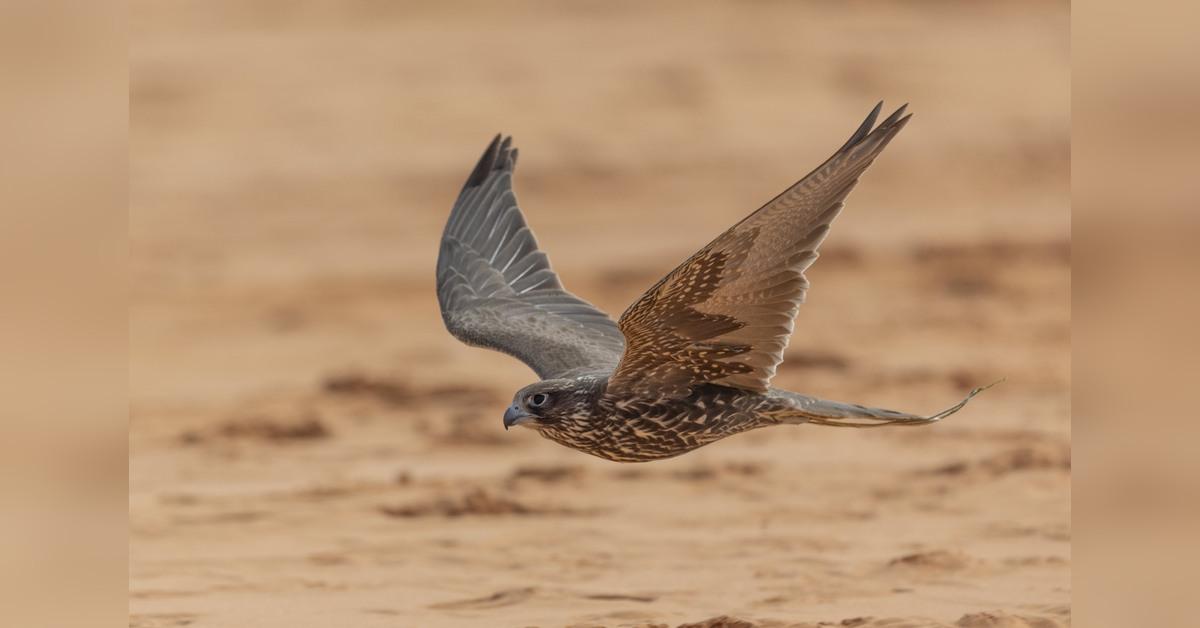
The economic and logistical scale of Saudi Arabia’s falconry ecosystem is vast. The sector intersects with high-end commerce, tourism, scientific research, and international diplomacy.
Commercial metrics from recent events illustrate this vast reach. The International Falcon Breeders Auction expanded its turnover from $3.4 million to $8.8 million in a single year, reflecting surging global demand for healthy, ethically sourced captive-bred raptors. Meanwhile, the concurrent industry trade show—the Saudi International Falcons and Hunting Exhibition—attracted 765,000 attendees over ten days, featuring advanced tracking telemetry, specialized veterinary equipment, and outdoor gear from 1,450 international brands.
Competitive falconry is similarly lucrative. The King Abdulaziz Falconry Festival, recognized multiple times by Guinness World Records for hosting the highest concentration of participating birds, routinely features thousands of elite raptors. The festival’s flagship competitions—the Melwah speed race, which clocks a falcon’s velocity over a 400-meter straightaway, and the Mazayen beauty pageant, which evaluates birds against rigorous aesthetic standards—command prize pools exceeding $10 million, alongside prestigious titles such as the King Abdulaziz Cups and the King’s Sword.
Official Responses and Conservation Initiatives: The Hadad Program
As the commercial and competitive aspects of falconry expand, the Saudi government has simultaneously scaled up its ecological commitments. At the heart of these efforts is Hadad, a multi-faceted conservation initiative spearheaded by the National Center for Falcons in close scientific cooperation with the National Center for Wildlife.
Hadad operates on two distinct fronts: domestic habitat restoration and international repopulation. Within the Kingdom, the program rehabilitates and releases native falcon species into protected natural reserves. Internationally, Hadad focuses on restoring endangered populations, particularly saker and peregrine falcons, to their historic breeding ranges in Central Asia.
Notable international deployments include operations in Kyrgyzstan and Kazakhstan. In March 2026, conservationists released captive-bred saker falcons into Altyn-Emel National Park in Kazakhstan, where local authorities and scientists closely monitor their adaptation and survival. Furthermore, to reinforce these population-building efforts, the National Center for Falcons set a firm deadline of November 18, 2026, for private owners to surrender captive sakers and peregrines no longer utilized for breeding or competition, ensuring these healthy birds contribute directly to the 2027 international release pipeline.
Environmental and Economic Implications
The convergence of commercial breeding markets and state-mandated conservation carries profound implications for global raptor populations. Historically, the high demand for prime falconry birds placed severe pressure on wild migration routes, leading to population declines in species such as the saker falcon, which is classified as Endangered on the IUCN Red List.
By heavily promoting farm-bred alternatives through major international auctions, Saudi Arabia has successfully redirected market demand away from wild populations. Breeders in 24 countries now supply the vast majority of birds utilized by sportsmen, significantly reducing the incentive for illegal trapping.
Moreover, by strictly limiting the wild-caught trade to juvenile migratory peregrines—a species categorized as Least Concern by the IUCN—and subjecting all transactions to rigorous veterinary checks, electronic banding, and centralized registration, the Kingdom has established a sustainable model for wildlife management. Environmental analysts note that this framework demonstrates how traditional cultural practices can successfully adapt to modern conservation science without erasing centuries of heritage.
Ultimately, Saudi Arabia’s comprehensive approach—blending multi-million-dollar commercial enterprise, world-class competitive festivals, and aggressive cross-border conservation initiatives—positions the Kingdom as a global leader in responsible falconry management. As the 2026 King Abdulaziz Falconry Festival unfolds and preparations for the 2027 international releases continue, the nation proves that honoring an ancient desert legacy and protecting global biodiversity can proceed hand in wing.