
Senior Taiwan Official Visits Site New Alaska Lng Project
Taiwan’s Top Energy Official Explores Alaska LNG Project: A Strategic Partnership for Global Energy Security
Taiwan’s Minister of Economic Affairs, Wang Mei-hua, recently concluded a significant visit to Alaska, a trip that focused on the burgeoning Alaska LNG project. This high-level engagement underscores Taiwan’s strategic imperative to diversify its energy sources and secure reliable, long-term supplies of Liquefied Natural Gas (LNG). The visit, though brief, was packed with detailed briefings, site tours, and discussions with key stakeholders, signaling a growing interest from Taipei in the vast potential of Alaska’s untapped natural gas reserves. For the Alaska LNG project, the interest from a major LNG importer like Taiwan represents a crucial step forward in solidifying its financial viability and securing crucial offtake agreements. The global energy landscape is in flux, marked by geopolitical instability, increasing demand, and the urgent need for decarbonization. In this context, the Alaska LNG project, with its abundant and relatively low-carbon natural gas, presents a compelling proposition for energy-importing nations seeking stable and sustainable energy solutions. Taiwan, an island nation heavily reliant on imported energy, is particularly vulnerable to supply disruptions. Therefore, exploring partnerships with projects like Alaska LNG is not merely a matter of economic prudence but a critical national security consideration.
The Alaska LNG project, a multi-billion dollar endeavor, aims to commercialize the vast natural gas resources of the North Slope of Alaska. These reserves, estimated to be among the largest in North America, have remained largely undeveloped due to the significant infrastructure challenges and costs associated with transporting them to market. The project involves constructing a liquefaction plant on the Nikiski Peninsula, near Kenai, along with an 800-mile pipeline to bring gas from Prudhoe Bay. The produced LNG would then be exported to international markets. Taiwan’s interest is rooted in its robust refining and petrochemical industries, which are significant consumers of natural gas. The Taiwan Strait, a vital shipping lane, is also a geopolitical flashpoint, making diversification of supply routes and sources a top priority. Minister Wang’s visit provided an opportunity to gain firsthand knowledge of the project’s technical feasibility, regulatory progress, and the economic outlook for LNG exports from Alaska. This direct engagement is invaluable for Taiwanese officials to assess the risks and rewards associated with potential investment or offtake agreements.
The geopolitical implications of Taiwan’s interest in the Alaska LNG project cannot be overstated. In an era of increasing tensions in the Indo-Pacific, securing stable energy supplies from a politically stable and geographically distant partner like the United States offers a significant strategic advantage. For the U.S., securing investment and offtake from key allies in Asia, such as Taiwan, strengthens its energy diplomacy and bolsters its influence in the region. The Alaska LNG project, if successful, would not only benefit Alaska’s economy but also solidify America’s position as a major global LNG exporter, offering a secure and reliable alternative to other suppliers. Taiwan’s delegation likely focused on understanding the project’s timeline, potential volumes, pricing structures, and the specific contractual frameworks that would be available to international buyers. The technical aspects of LNG liquefaction, transportation, and regasification were also undoubtedly key discussion points, ensuring that Taiwan’s existing infrastructure and energy needs can be seamlessly integrated with the proposed Alaska LNG supply.
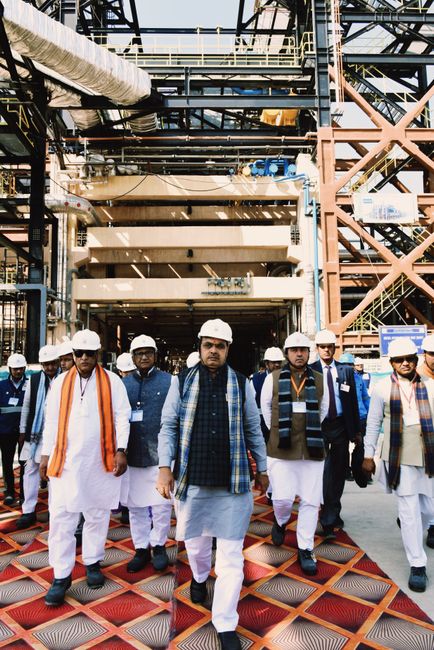
During the visit, Minister Wang and her delegation received in-depth briefings from the project developers, Alaska Gasline Development Corporation (AGDC), and potentially other key stakeholders involved in the project’s development, financing, and construction. These briefings would have covered the project’s current status, including its environmental impact assessments, permitting processes, and the progress of securing the necessary financing. The economic viability of the project is contingent on securing long-term offtake agreements with major buyers, and Taiwan’s interest is a significant indicator of potential success. The delegation also likely toured the proposed site of the liquefaction plant in Nikiski, gaining a tangible understanding of the scale and complexity of the infrastructure required. This firsthand experience is crucial for evaluating the project’s operational capabilities and its potential impact on the local environment and economy. The discussions likely delved into the specifics of the LNG molecule, including its quality, composition, and any potential advantages it might offer Taiwanese industrial processes.
The economic rationale for Taiwan’s interest in the Alaska LNG project is multifaceted. Taiwan’s energy demand continues to grow, driven by its industrial sector and increasing urbanization. Historically, Taiwan has relied heavily on imports from countries in the Middle East and Southeast Asia. However, price volatility, geopolitical risks, and the desire for greater energy independence have prompted a strategic shift towards diversifying its LNG supply portfolio. Alaska’s natural gas, extracted from a politically stable jurisdiction within the United States, offers an attractive alternative. The potential for long-term, stable pricing and a secure supply chain is a significant draw for Taiwanese energy planners. Furthermore, the U.S. commitment to reducing methane emissions throughout its natural gas supply chain aligns with Taiwan’s own ambitious decarbonization goals, making Alaska LNG a more environmentally responsible choice compared to some other global LNG sources. The economic benefits for Taiwan could extend beyond just energy security, potentially creating opportunities for Taiwanese companies to participate in the engineering, procurement, and construction phases of the project, as well as in the operation and maintenance of the LNG infrastructure.
The technical considerations for Taiwan’s energy sector are also critical. Taiwan currently operates several LNG import terminals and has invested in advanced regasification technologies. The Alaska LNG project’s output would need to meet Taiwan’s strict specifications for LNG quality. Discussions would have focused on the liquefaction process used by Alaska LNG, the potential for different grades of LNG, and the logistics of shipping and delivery. The proximity of Alaska to the Pacific Rim also offers a logistical advantage for Taiwanese importers, potentially reducing shipping times and costs compared to LNG sourced from more distant regions. Understanding the project’s terminal capacity, potential loading schedules, and the availability of specialized LNG carriers would have been essential components of the delegation’s due diligence. The potential for a long-term, stable supply of LNG from Alaska could also influence Taiwan’s domestic energy policy, potentially enabling it to optimize its power generation mix and reduce its reliance on more volatile fossil fuels.
The global context of LNG markets highlights the strategic importance of such partnerships. The increasing demand for natural gas, driven by its role as a cleaner-burning transition fuel towards a low-carbon economy, has intensified competition among importing nations. Projects that can guarantee consistent and reliable supply are highly sought after. The Alaska LNG project, with its vast reserves and U.S. backing, is well-positioned to meet this demand. Taiwan’s engagement signifies its proactive approach to securing its future energy needs in a rapidly evolving global market. The visit also serves as a signal to other potential investors and offtakers that the Alaska LNG project is moving forward and garnering significant international interest. This can help to de-risk the project for other parties and accelerate its development. The discussions would have also touched upon the regulatory landscape in both the U.S. and Taiwan, ensuring that all legal and environmental compliance requirements are met for a successful partnership.
The potential economic impact on Alaska itself is substantial. The Alaska LNG project represents a once-in-a-generation opportunity to unlock the state’s vast natural gas resources, generating significant revenue, creating thousands of jobs during construction and operation, and providing a much-needed boost to the state’s economy. Securing offtake agreements with major international buyers like Taiwan is crucial for the financial viability of this complex and capital-intensive project. Taiwan’s interest lends significant credibility to the project and strengthens its case for attracting the necessary investment. The project developers would have emphasized the long-term commitment of the project, the stability of the regulatory environment in Alaska, and the unique advantages of U.S.-sourced LNG. The conversations likely included discussions about potential equity stakes, offtake agreements with fixed volumes and pricing mechanisms, and the overall risk-sharing structure of the project.
Furthermore, the visit by Minister Wang highlights Taiwan’s commitment to a diversified energy strategy, moving beyond its traditional suppliers to enhance its energy resilience. This diversification is crucial for maintaining the stability of its economy and ensuring the security of its industrial base. By exploring projects like Alaska LNG, Taiwan is not only seeking to secure its energy supply but also to align its energy procurement with its broader foreign policy and economic objectives. The U.S. has consistently supported Taiwan’s efforts to enhance its self-defense capabilities and economic security. A successful partnership on the Alaska LNG project would further strengthen this bilateral relationship, demonstrating a shared commitment to regional stability and energy security. The long-term implications of this visit could lead to significant investment and long-term supply contracts, solidifying Taiwan’s position as a key player in the global LNG market and a reliable partner for energy development initiatives. The information gleaned from this visit will be instrumental in informing Taiwan’s strategic decisions regarding its future energy investments and import policies.
