
Pope Crave Conclave Rome
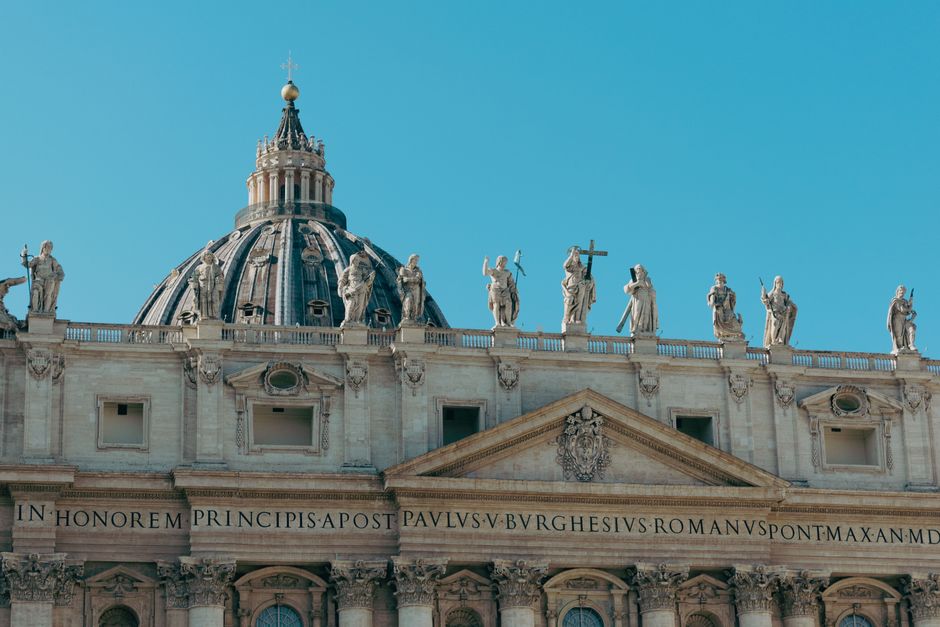
Pope Crave Conclave Rome: Navigating the Sacred Rites and Modern Implications of Papal Succession
The papal conclave, a ritual steeped in centuries of tradition and shrouded in profound symbolism, represents the ultimate exercise in spiritual and administrative power within the Catholic Church. When the Pope steps down, whether through resignation or death, the world’s attention invariably turns to Rome and the hushed, yet intensely significant, process of electing his successor. This intricate procedure, culminating in the historic Sistine Chapel, is known as the papal conclave, and its every facet, from the selection of electors to the final pronouncements, is meticulously orchestrated to ensure the continuation of the papacy and the guidance of over a billion faithful. Understanding the dynamics of a conclave, the historical precedents, and the contemporary challenges it faces is crucial for comprehending the current state and future direction of the Catholic Church. The term "Pope Crave Conclave Rome" encapsulates this intense global focus and the underlying spiritual yearning for decisive leadership during a period of transition.
The foundation of the papal conclave lies in its historical evolution. While early papal elections were often more public affairs, sometimes influenced by Roman aristocracy or imperial powers, the need for a more controlled and spiritual process became apparent over time. The Fourth Lateran Council in 1215 made initial attempts to regulate the process, but it was Pope Gregory X, in 1274, who promulgated the bull Ubi Periculum, establishing the fundamental framework of the conclave as it is largely known today. This decree mandated that the cardinals be locked away (conclave literally means "with a key") to prevent external interference and to encourage swift decision-making. Provisions were made for reducing their provisions if the election dragged on, a stark reminder of the urgency intended. Over the centuries, further regulations and adjustments have been made by various pontiffs, refining the process to address evolving Church governance and societal changes, yet the core principle of sequestered deliberation by the College of Cardinals remains sacrosanct. This historical trajectory underscores the Church’s enduring commitment to a deliberative and divinely guided selection process, even as the world around it transforms.
The composition of the College of Cardinals, the body responsible for electing a new Pope, is central to the conclave’s proceedings. Cardinals are appointed by the reigning Pope and are typically senior figures within the Church hierarchy, often serving as bishops of major dioceses or heading Vatican departments. They are considered the "senators" of the Church. However, only those cardinals under the age of 80 at the time the papacy becomes vacant are eligible to participate in the conclave. This age limit is a crucial operational detail, ensuring that the electors are actively engaged in the Church’s daily life and possess a certain level of experience and maturity. The size of the College has fluctuated, with recent Popes tending to expand its membership, bringing a greater geographical and theological diversity to the electorate. This diversity, while a reflection of the Church’s global reach, can also introduce a complex interplay of different regional priorities, theological perspectives, and political considerations into the conclave. The anticipation surrounding who will be elevated to the College of Cardinals often precedes a conclave, as these appointments can foreshadow potential papal candidates and influence the future direction of the Church.
The commencement of a papal conclave is a carefully orchestrated event, marked by solemnity and specific protocols. Following the death or resignation of a Pope, a period of mourning, known as the novendialis (nine days of prayer), is observed. During this time, the Apostolic Camera, headed by the Cardinal Camerlengo, assumes administrative control of the Vatican and its temporal affairs. The Camerlengo plays a significant role, symbolically verifying the Pope’s death by striking his forehead with a silver mallet and declaring him deceased. Once the novendialis concludes, the cardinals begin their preparations for the conclave. The date for the conclave’s start is determined, usually within 15 to 20 days after the papacy becomes vacant, allowing time for cardinals from around the world to travel to Rome. The location for the conclave is, without exception, the Vatican City, specifically within the confines of the Apostolic Palace and the iconic Sistine Chapel, a space chosen for its artistic grandeur and historical significance, featuring Michelangelo’s breathtaking frescoes that visually underscore the divine judgment and the weight of the electoral responsibility.
The sequestering of the cardinals is a defining characteristic of the conclave, emphasizing the need for absolute privacy and freedom from external influence. Upon entering the Vatican, the cardinals are sworn to secrecy regarding the proceedings within. They are housed in the Domus Sanctae Marthae, a guesthouse within the Vatican, and their movements are restricted to this area and the Sistine Chapel. Communication with the outside world is strictly forbidden. Mobile phones, internet access, and any form of media are prohibited. This isolation is designed to foster an environment conducive to prayer, reflection, and open deliberation, free from the pressures of public opinion, media speculation, or political lobbying. The concept of "conclave" itself, meaning "with a key," highlights this deliberate act of sealing off the electors to ensure the integrity of their decision-making process. Any breach of this secrecy is met with severe ecclesiastical penalties.
The voting process within the conclave is a highly structured and symbolic ritual. The cardinals gather in the Sistine Chapel, taking an oath to uphold the Church’s traditions and to elect a worthy successor. Voting takes place by secret ballot, with each cardinal casting a vote for a candidate. Initially, there are typically two ballots per day, one in the morning and one in the afternoon. The ballots are carefully prepared, with the question "Qui creare possumus Pontificem" (Whom we can create Pope) written on them. Each cardinal writes the name of his chosen candidate on the ballot, folds it, and deposits it into an urn on the altar. To be elected Pope, a candidate must receive a two-thirds majority of the votes. If no candidate reaches this threshold after several rounds of voting, the ballots are burned, and the process continues. The famous black smoke that emerges from the Sistine Chapel’s chimney signifies that no candidate has achieved the required majority.
The suspense and spiritual intensity of the conclave are amplified by the burning of the ballots. After each round of voting, if a Pope has not been elected, the ballots are burned along with straw and chemical additives designed to produce either black smoke (indicating no election) or white smoke (signifying a successful election). The sight of the smoke billowing from the chimney is eagerly awaited by crowds gathered in St. Peter’s Square and by millions worldwide, serving as the primary, albeit somewhat ambiguous, indicator of progress. The tradition of burning the ballots has evolved over time, with modern adjustments made to ensure clearer distinctions between black and white smoke. The prolonged periods of voting and the uncertainty of the outcome contribute to the global fascination with the conclave, as it represents a pivotal moment in the history of the Catholic Church.
The election of a new Pope is marked by profound symbolism and formal pronouncements. Once a candidate secures the necessary two-thirds majority, the Dean of the College of Cardinals approaches him and asks if he accepts his election. If he accepts, he is then asked by what name he wishes to be called. This is the moment when a new pontificate officially begins. The newly elected Pope then retires to a private room to change into papal vestments. Following this, the senior cardinal deacon, the "Cardinal Protodeacon," appears on the central balcony of St. Peter’s Basilica and utters the famous Latin phrase: "Annuntio vobis gaudium magnum: Habemus Papam!" (I announce to you a great joy: We have a Pope!). He then reveals the name of the new Pope and the papal name he has chosen. The subsequent appearance of the new Pope on the balcony, offering his first Urbi et Orbi (to the city and to the world) blessing, is a moment of immense public rejoicing and spiritual significance, marking the official commencement of his pontificate.
Beyond the deeply ingrained traditions and rituals, modern papal conclaves face a unique set of challenges and considerations. The Church, while ancient, operates within a rapidly evolving global landscape. Issues such as secularization, internal dissent, the ongoing crisis of clergy sexual abuse, and the need for greater interfaith dialogue all weigh heavily on the minds of the electors. The geographical diversity of the cardinals, while a strength, also means that differing regional concerns, from the growth of Christianity in Africa and Asia to the challenges faced in traditionally Catholic Europe, must be considered. Furthermore, the media’s pervasive presence, even with the strict isolation of the conclave, creates an environment of intense scrutiny and speculation, demanding a delicate balance between spiritual deliberation and public expectation. The "Pope Crave Conclave Rome" phenomenon highlights this intensified global interest and the desire for a leader who can address these complex contemporary issues.
The selection of a Pope is not merely an administrative decision; it is a deeply spiritual act understood by believers to be guided by the Holy Spirit. While the cardinals engage in human deliberation, prayer, and discussion, the underlying belief is that divine inspiration will lead them to the best candidate to lead the Church. This theological dimension influences the entire conclave, from the prayers offered by the cardinals to the ultimate acceptance of the election. The weight of this spiritual responsibility is immense, and it shapes the atmosphere and the motivations of all involved. The careful selection of electors and the emphasis on prayer are intended to facilitate this divine guidance, ensuring that the papacy continues to fulfill its divinely ordained mission.
In conclusion, the papal conclave is a cornerstone of Catholic tradition, a potent symbol of spiritual continuity, and a complex electoral process imbued with historical depth and contemporary relevance. The term "Pope Crave Conclave Rome" aptly captures the global anticipation and the yearning for decisive leadership that surrounds these pivotal moments. From the meticulously enforced sequestration of the cardinals to the symbolic pronouncements from St. Peter’s balcony, every stage of the conclave is designed to facilitate a prayerful and discerning selection of the successor to St. Peter. As the Catholic Church navigates the challenges of the 21st century, the conclave remains a critical mechanism for ensuring its future leadership, a testament to its enduring commitment to both tradition and the ongoing mission of guiding its vast global flock.
