
Wfp Says Hordes Hungry People Broke Into Gaza Warehouse Deadly Incident
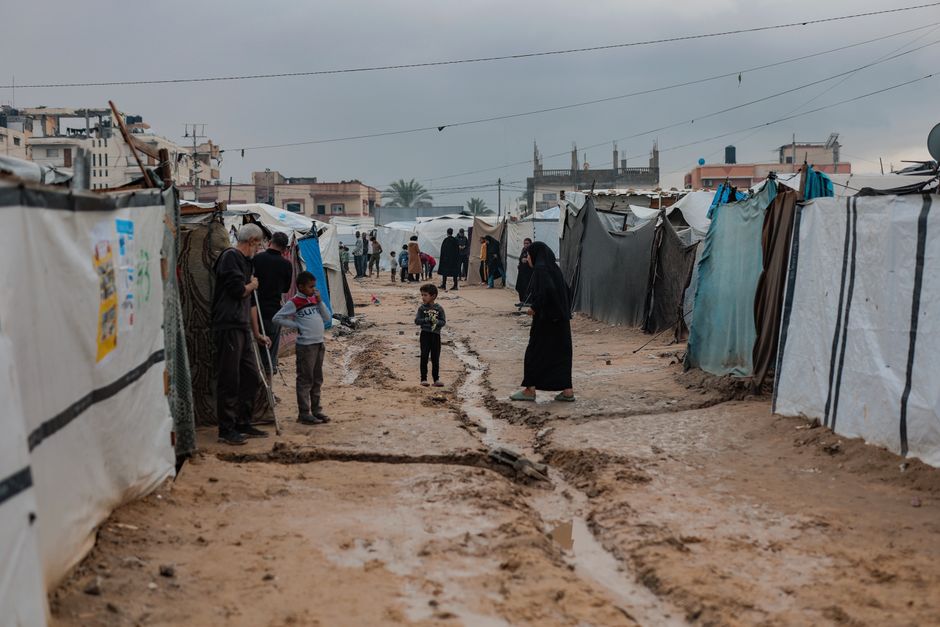
WFP Confirms Hordes of Hungry People Broke Into Gaza Warehouse Amid Deadly Incident
The World Food Programme (WFP) has confirmed a catastrophic incident within the Gaza Strip, where desperate and hungry populations breached a WFP warehouse, leading to a deadly situation. The precise number of casualties is still being assessed, but initial reports indicate multiple fatalities and numerous injuries as a result of the chaotic events. This stark reality underscores the escalating humanitarian crisis in Gaza, characterized by severe food insecurity and widespread desperation among civilians. The WFP warehouse, a critical distribution point for life-saving aid, was overwhelmed by a surge of individuals seeking sustenance amidst a backdrop of severe shortages and widespread destruction. Eyewitness accounts and WFP staff present at the scene describe scenes of extreme distress and panic, with the sheer volume of people overwhelming security measures and leading to a tragic stampede and other dangerous interactions. The incident is a direct consequence of the ongoing conflict and the severe restrictions on humanitarian access, which have crippled the delivery of essential supplies to a population on the brink of starvation.
The breakdown of order at the WFP warehouse highlights the dire humanitarian conditions prevailing in Gaza. Months of intensified conflict have decimated infrastructure, including homes, hospitals, and food production facilities, severely limiting the availability of basic necessities. The blockade and ongoing military operations have made consistent and safe delivery of humanitarian aid an almost insurmountable challenge. Consequently, the WFP and other aid organizations have struggled to meet the escalating needs of over two million Palestinians. The warehouse in question was reportedly stocked with a limited supply of food items, intended for distribution to the most vulnerable populations. However, the overwhelming desperation of hungry people, driven by hunger and fear, led to the forceful entry. The WFP has stated that the situation at the warehouse devolved into chaos, with individuals clambering for food, leading to dangerous overcrowding. Reports suggest that the crowd pressure itself, combined with potential panic-induced actions, contributed to the fatalities.
Initial investigations by the WFP are underway to ascertain the exact sequence of events and the contributing factors to the tragic loss of life. While the WFP unequivocally condemns any violence and expresses deep sorrow for the victims, their statement also points to the extreme circumstances that led to this desperate act. The organization has repeatedly warned about the catastrophic humanitarian consequences of the ongoing conflict and the severe limitations placed on aid delivery. The incident at the warehouse serves as a grim testament to these warnings, illustrating the breaking point of a population facing widespread hunger and deprivation. Security at aid distribution points in Gaza has always been a significant concern, given the volatile environment and the immense demand for limited resources. The WFP employs various security measures, including coordination with relevant authorities and on-site personnel, but the sheer scale of desperation can, in extreme circumstances, overwhelm these protocols.
The international community has reacted with grave concern to the news of the warehouse incident. Numerous humanitarian organizations and governments have called for an immediate cessation of hostilities and unimpeded humanitarian access to Gaza. The United Nations Secretary-General has voiced his deep alarm, emphasizing the need for increased protection of civilians and humanitarian infrastructure. The incident is likely to intensify calls for greater international pressure on all parties involved to adhere to international humanitarian law and ensure the safe passage of vital aid. The WFP itself has reiterated its commitment to providing assistance to the people of Gaza, but it is also emphasizing that its operations are severely hampered by the current realities on the ground. The inability to safely and consistently deliver aid is not only hindering the WFP’s mission but also exacerbating the suffering of the civilian population.
The broader context of food insecurity in Gaza is critical to understanding the desperation that led to this incident. Prior to the current escalation, Gaza was already facing a severe food crisis, with a significant percentage of the population dependent on humanitarian aid. The conflict has amplified these existing vulnerabilities by destroying agricultural land, disrupting fishing, and damaging essential supply chains. The closure of border crossings and the limitations on the types and quantities of goods allowed into Gaza have further choked the flow of essential commodities, including food. This has created a situation where the demand for food far outstrips the supply, leading to soaring prices and making it impossible for many families to afford even the most basic sustenance. The WFP’s warehouse was a beacon of hope for many, but its limited stock and the overwhelming need resulted in this tragic outcome.
The incident at the WFP warehouse also raises critical questions about accountability and the protection of humanitarian facilities. International humanitarian law clearly obligates parties to a conflict to protect civilians and humanitarian personnel and facilities. Warehouses used for the distribution of essential aid are considered protected under these laws. The WFP is conducting an internal review to understand how the situation escalated to such a dangerous level. This review will likely examine the effectiveness of existing security protocols, the extent of coordination with relevant authorities, and the overall operational challenges faced by the WFP in such a conflict zone. The findings of this investigation will be crucial in informing future strategies to ensure the safety of both aid workers and the desperate populations they serve, while also highlighting the severe risks inherent in delivering aid under duress.
The long-term implications of such events are profound. The erosion of trust between aid organizations and the population, the increased risk to humanitarian workers, and the further exacerbation of suffering are all serious consequences. The WFP has emphasized that its primary goal is to alleviate suffering and prevent starvation. However, the current operational environment in Gaza presents unprecedented challenges. The repeated targeting or disruption of humanitarian operations, whether intentional or collateral, further complicates efforts to reach those in need. The incident at the warehouse is not an isolated event but a symptom of a much larger and more complex humanitarian catastrophe unfolding in Gaza. It underscores the urgent need for sustained, safe, and unhindered humanitarian access, as well as a political resolution to the underlying conflict.
The WFP’s capacity to respond is directly proportional to the ability to safely access and distribute aid. The events at the warehouse have undoubtedly impacted ongoing distribution efforts, creating a climate of heightened tension and fear. The organization is working to assess the damage to the warehouse and its remaining supplies, and to re-establish safe distribution channels as quickly as possible. However, this is contingent on a significant improvement in the security situation and a greater flow of humanitarian goods into the Strip. The desperation witnessed at the warehouse is a stark reminder of the human cost of protracted conflict and the devastating impact of food insecurity. The WFP’s operational challenges are compounded by the sheer scale of the needs, which continue to grow with each passing day.
Furthermore, the incident shines a spotlight on the global responsibility to address humanitarian crises. The reliance on a single warehouse for the needs of millions highlights the inadequacy of current aid flows in the face of overwhelming demand. International donors and governments are being urged to increase their financial commitments and to advocate for policies that facilitate the unimpeded delivery of humanitarian assistance. The WFP’s ability to provide food and essential supplies is critically dependent on both financial resources and operational access. The tragic events at the warehouse underscore the urgency of these needs.
The WFP, in its official statements, has consistently appealed for the protection of humanitarian infrastructure and for the unimpeded access of relief supplies. The warehouse incident is a critical juncture, demanding immediate attention and a renewed commitment from the international community. The organization’s staff on the ground are working under immense pressure and personal risk to continue their vital mission. The human element – the individuals who died and were injured, and the millions more facing starvation – must remain at the forefront of global attention. The WFP’s confirmation of the events at the warehouse serves as a critical, albeit tragic, piece of evidence in the ongoing narrative of the Gaza crisis. The focus now shifts to immediate relief, long-term solutions for food security, and ensuring that such deadly incidents are prevented from recurring through enhanced safety protocols and, crucially, an end to the conflict. The path forward requires a multi-pronged approach: immediate humanitarian relief, a sustained effort to rebuild infrastructure, and a political commitment to a lasting peace.
