
Global Markets View Usa
Global Markets View: USA – Economic Engine and Investor Hub
The United States economy, the largest in the world by nominal GDP, serves as a critical bellwether for global financial markets. Its size, diversity, and influence mean that developments within the U.S. economy have profound ripple effects across international trade, investment flows, and commodity prices. Understanding the current U.S. economic landscape is therefore paramount for any investor or business operating on a global scale. Key indicators such as GDP growth, inflation rates, employment figures, interest rate policies set by the Federal Reserve, and consumer spending patterns are meticulously scrutinized by international observers. The resilience or fragility of the American consumer, the health of its corporate sector, and the trajectory of its technological innovation all contribute to a complex web of global economic sentiment. Furthermore, U.S. monetary policy, particularly the Federal Reserve’s stance on interest rates, directly impacts global capital flows, currency valuations, and borrowing costs for nations and corporations worldwide. A hawkish Fed tightening cycle can strengthen the dollar, making U.S. debt more expensive for foreign entities and potentially leading to capital outflows from emerging markets. Conversely, a dovish stance can stimulate global investment and reduce the burden of dollar-denominated debt.
Inflationary pressures have been a dominant theme in global markets, and the U.S. has been at the epicenter of this debate. The interplay between supply chain disruptions, energy price volatility, and robust consumer demand in the U.S. has fueled inflation concerns globally. Central banks worldwide monitor U.S. inflation data closely, as it often sets a precedent or influences their own policy decisions. Persistent high inflation in the U.S. can necessitate aggressive monetary tightening, which, as mentioned, has global ramifications. Conversely, signs of moderating inflation in the U.S. can provide relief to global markets, potentially signaling a less hawkish stance from the Federal Reserve and a reduction in the risk of a sharp global economic slowdown. The battle against inflation has been a defining characteristic of recent economic cycles, and the U.S. strategy, whether through interest rate hikes, quantitative tightening, or other measures, is a subject of intense global analysis. The success or failure of these measures in the U.S. has direct implications for global purchasing power and the cost of doing business internationally.
The strength and stability of the U.S. labor market are another crucial element for global markets. Low unemployment rates and rising wages in the U.S. typically translate into strong consumer spending, which in turn supports demand for goods and services produced both domestically and abroad. This robust demand is a significant driver of global economic activity. Conversely, a significant increase in U.S. unemployment or a stagnation in wage growth could signal a slowdown in consumer spending, leading to reduced import demand and a drag on global economic expansion. International businesses often rely on the U.S. as a major export market, and the health of its employment sector is therefore a direct determinant of their own revenue and growth prospects. The U.S. labor market’s ability to absorb shocks and adapt to changing economic conditions is a key indicator of the broader U.S. economic resilience, which has global implications for employment trends and labor force participation rates in other countries.
Geopolitical events and trade policies originating from the United States also exert considerable influence on global markets. The U.S. remains a major player in international trade agreements and has the power to impose tariffs, sanctions, or to advocate for specific trade frameworks. Shifts in U.S. trade policy, such as the imposition of tariffs on goods from specific countries or the renegotiation of trade deals, can disrupt global supply chains, alter trade flows, and impact the competitiveness of industries worldwide. The ongoing trade relationship between the U.S. and China, for example, has been a consistent source of volatility and uncertainty for global markets, affecting everything from commodity prices to the profitability of multinational corporations. Investors and businesses closely watch U.S. pronouncements on trade, as they can create significant opportunities or pose substantial risks to their global operations. The U.S. approach to international economic cooperation and its stance on global trade governance are fundamental to shaping the future of the global economic order.
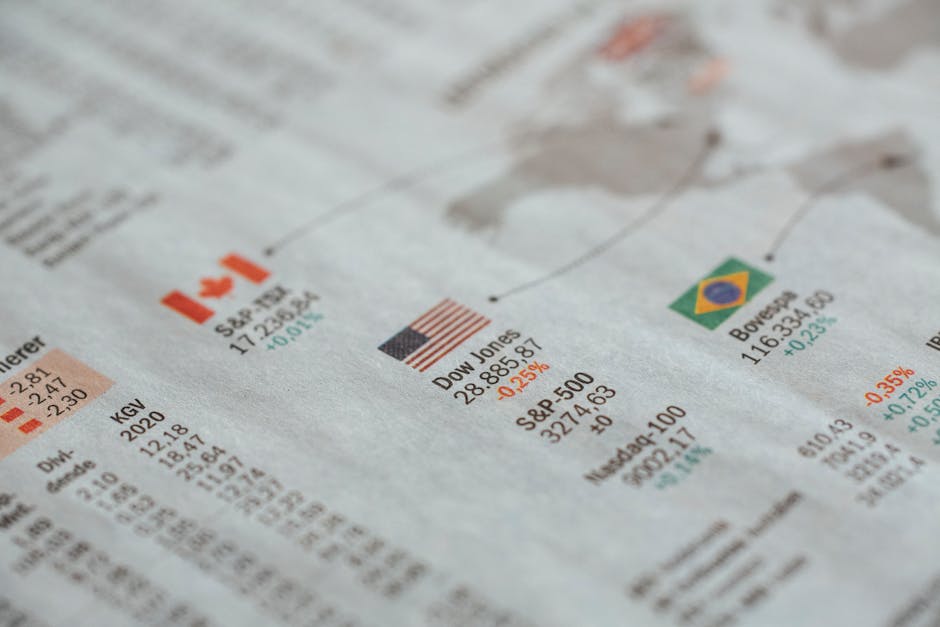
The U.S. stock market, particularly indices like the S&P 500, Dow Jones Industrial Average, and Nasdaq Composite, serves as a barometer of global investor sentiment and corporate profitability. The performance of these indices is closely tracked by international investors as an indicator of economic health and future growth prospects. Significant movements in the U.S. stock market can trigger similar reactions in equity markets around the world, driven by factors such as risk appetite, liquidity flows, and the interconnectedness of global financial institutions. U.S. technology companies, in particular, have a significant global footprint, and their stock performance often reflects broader trends in innovation, digital transformation, and consumer behavior that have international implications. The valuation of U.S. equities also influences global investment decisions, as investors compare potential returns and risks across different markets.
The U.S. dollar’s status as the world’s primary reserve currency grants it unparalleled influence over global financial markets. The strength or weakness of the dollar impacts the cost of imports and exports for every country, the valuation of international debt denominated in dollars, and the profitability of companies with global operations. A strong dollar makes U.S. exports more expensive for foreign buyers and makes it cheaper for U.S. companies to import goods. Conversely, a weaker dollar makes U.S. exports more competitive and can lead to increased inflation in countries holding dollar reserves. Central banks worldwide hold substantial dollar reserves, and their management of these holdings, as well as their foreign exchange interventions, are often influenced by U.S. monetary policy and dollar valuations. The dollar’s role in international trade and finance means that any significant fluctuations in its value have immediate and far-reaching consequences for the global economy.
U.S. bond markets, particularly the market for U.S. Treasury securities, are considered the safest asset class globally. The yields on U.S. Treasury bonds serve as a benchmark for interest rates worldwide and influence borrowing costs for governments and corporations in other countries. When U.S. interest rates rise, borrowing becomes more expensive globally, potentially slowing economic growth. Conversely, low U.S. interest rates can encourage borrowing and investment internationally. The sheer size and liquidity of the U.S. Treasury market mean that shifts in demand and supply for these securities have a profound impact on global fixed-income markets. Global investors, including sovereign wealth funds and pension funds, allocate significant portions of their portfolios to U.S. debt, making the U.S. Treasury market a critical driver of global capital allocation.
The U.S. innovation ecosystem, particularly in sectors like technology, biotechnology, and renewable energy, is a major engine of global economic progress. Venture capital funding, research and development spending, and the entrepreneurial spirit prevalent in the U.S. often lead to the creation of new technologies and business models that are adopted worldwide. The pace of innovation in the U.S. can influence productivity growth globally, create new market opportunities, and reshape existing industries. Companies that originate in the U.S. often become global leaders, setting standards and influencing consumer preferences across borders. The U.S. intellectual property regime and its enforcement also play a role in incentivizing innovation and determining the global diffusion of new technologies.
The U.S. consumer, with its high propensity to spend, is a crucial driver of global demand. Consumer spending accounts for a significant portion of the U.S. GDP, and any changes in consumer confidence, disposable income, or spending habits have direct implications for global businesses that export goods and services to the U.S. or that are part of U.S. supply chains. The retail sector, automotive sales, and spending on durable goods in the U.S. are closely watched by international analysts as indicators of global economic health. Economic policies in the U.S. that aim to stimulate or curb consumer spending, such as tax cuts or stimulus checks, can have ripple effects on global trade balances and the demand for various commodities and manufactured goods.
In conclusion, the United States economic landscape is inextricably linked to the health and trajectory of global financial markets. Its role as the world’s largest economy, its central position in international finance, its influential trade policies, and its leading innovation ecosystem all contribute to its outsized impact. From monetary policy decisions by the Federal Reserve to the spending habits of the American consumer, virtually every significant economic development within the U.S. resonates across international borders, shaping investment strategies, influencing currency valuations, and dictating the pace of global economic growth. Investors, policymakers, and businesses worldwide must maintain a keen and continuous focus on the U.S. economic environment to navigate the complexities of the global marketplace effectively.
