
Turkeys Antitrust Authority Opens Probe Coca Cola Over Possible Competition
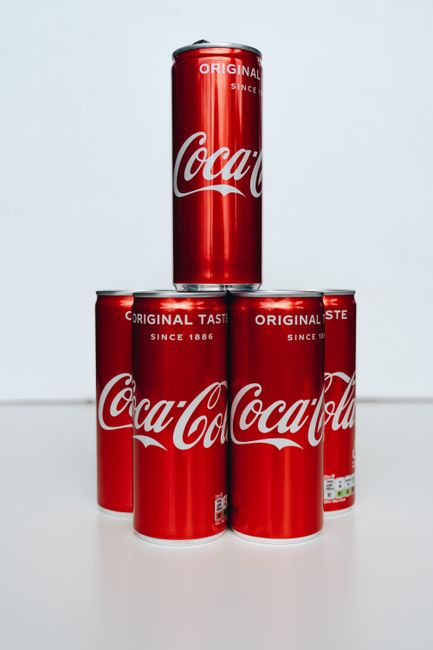
Turkey’s Antitrust Authority Opens Probe into Coca-Cola Over Possible Competition Concerns
The Turkish Competition Authority (Rekabet Kurumu) has initiated an in-depth investigation into Coca-Cola’s operations within Turkey, signaling a significant antitrust review into the beverage giant’s market practices. The probe, officially launched on [Insert Date of Official Announcement, if available, otherwise state "recently"], centers on allegations of potential anti-competitive behavior that could be stifling rivals and limiting consumer choice in the Turkish soft drink market. This move by the Turkish antitrust regulator underscores a growing global trend of scrutinizing dominant players in various industries for practices that may violate competition law, with a particular focus on how large corporations leverage their market power.
The Turkish Competition Authority’s investigation will likely examine a wide range of Coca-Cola’s business activities in the country. This could include the company’s distribution agreements with retailers, its pricing strategies, exclusive supply contracts, and any potential exclusionary tactics employed against smaller or emerging competitors. Such investigations are often triggered by complaints from rival companies, industry associations, or consumer groups who believe their ability to compete fairly is being hampered. The authority will be meticulously analyzing data and market share figures to determine if Coca-Cola holds a dominant position and, if so, whether that position has been exploited in ways that harm competition. The scope of such probes can be extensive, involving interviews with company executives, analysis of internal documents, and economic modeling to assess the impact of Coca-Cola’s actions on the broader market.
One primary area of concern for antitrust regulators globally, and likely for the Turkish Competition Authority, is the intricate web of distribution agreements that dominant beverage companies forge with retailers. These agreements can often involve exclusive arrangements, whereby retailers are incentivized or contractually obligated to stock primarily, or exclusively, Coca-Cola products. Such exclusivity clauses, if deemed overly restrictive, can significantly limit the shelf space and market access available to smaller competitors, making it incredibly challenging for them to reach consumers. The investigation will scrutinize the terms and conditions of these agreements, looking for evidence of unreasonable exclusivity or tying arrangements that effectively shut out rivals. The authority may also investigate Coca-Cola’s relationships with vending machine operators, catering companies, and other points of sale where its products are distributed.
Furthermore, the probe is expected to delve into Coca-Cola’s pricing and promotional strategies. In a competitive market, pricing is a key lever for businesses to attract customers and gain market share. However, when a dominant player engages in predatory pricing (selling products below cost to drive out competitors) or employs other aggressive pricing tactics that are not based on legitimate cost efficiencies, it can be considered an anti-competitive practice. The Turkish Competition Authority will likely examine historical pricing data, promotional spending, and rebate programs to identify any patterns that could suggest an intent to disadvantage rivals. This could involve comparing Coca-Cola’s pricing in Turkey to its pricing in other comparable markets, as well as analyzing the impact of promotional activities on the sales of competing brands.
The concept of “market dominance” is central to antitrust investigations. While holding a large market share is not inherently illegal, it can be a prerequisite for an authority to investigate potential abuses of that dominance. The Turkish Competition Authority will be assessing whether Coca-Cola holds a position of significant market power in the Turkish soft drink sector, meaning it has the ability to unilaterally influence prices or restrict competition. This assessment will involve a detailed analysis of market definition (what constitutes the relevant product and geographic market), market share data over time, barriers to entry for new competitors, and the bargaining power of buyers. If Coca-Cola is found to be dominant, the investigation will then focus on whether its conduct has harmed competition.
Potential consequences for Coca-Cola, should the Turkish Competition Authority find evidence of anti-competitive practices, could be substantial. These can range from significant financial penalties (fines that can be a percentage of a company’s global turnover) to orders requiring changes to business practices. For instance, the authority could mandate that Coca-Cola revise its distribution contracts to remove exclusivity clauses, divest certain assets, or alter its pricing and promotional strategies. In some cases, authorities may even impose behavioral remedies that dictate how a company must operate in the market for a specified period. The goal of such remedies is to restore a level playing field and ensure that consumers benefit from increased choice and competitive pricing.
The global context of this investigation cannot be ignored. Coca-Cola has faced similar antitrust scrutiny in various jurisdictions around the world, albeit with varying outcomes. For example, in the past, the company has been investigated by competition authorities in countries like the United States, the European Union, and India. These investigations often focus on similar issues, such as exclusive dealing, market foreclosure, and abuse of dominant position. The Turkish probe aligns with this broader trend of increased regulatory oversight on large multinational corporations, particularly in sectors with high consumer impact. Regulatory bodies worldwide are becoming more sophisticated in their analysis of complex market dynamics and are increasingly willing to take action against perceived anti-competitive behavior.
The specific details of the allegations that triggered the probe in Turkey remain largely undisclosed as the investigation is in its early stages. However, common concerns in the beverage industry typically revolve around the control of bottling and distribution networks, brand loyalty, and the ability to leverage existing market power to enter adjacent markets or influence product availability. For instance, if Coca-Cola is found to be leveraging its dominance in the carbonated soft drink market to unfairly disadvantage competitors in non-carbonated beverage segments, this would be a significant area of focus. The authority will likely be looking at any practices that create barriers to entry for new players seeking to introduce innovative products or compete on price and quality.
Barriers to entry are a crucial factor in antitrust analysis. In the soft drink industry, barriers can include the immense capital required for large-scale production, established distribution networks, strong brand recognition and advertising budgets, and securing favorable placement in retail outlets. If Coca-Cola’s practices are found to be artificially inflating these barriers, making it prohibitively difficult for new or smaller companies to enter the market, this would be a strong indicator of anti-competitive conduct. The Turkish Competition Authority will assess whether Coca-Cola’s actions have the effect of limiting the number of competitors in the market, thereby reducing innovation and consumer choice.
The investigation’s duration is difficult to predict, as complex antitrust probes can take months, or even years, to complete. It will involve extensive data collection, economic analysis, and legal argumentation. Both Coca-Cola and any other parties involved, such as rival companies or industry associations that may have filed complaints, will have opportunities to present their arguments and evidence. The Turkish Competition Authority will then weigh all the evidence before making a final determination. The process is designed to be thorough and fair, allowing for all relevant perspectives to be considered.
The outcome of this investigation will be closely watched by the beverage industry in Turkey and potentially beyond. A finding of anti-competitive behavior could lead to significant structural or behavioral changes for Coca-Cola in the Turkish market, with the aim of fostering a more competitive environment. This, in turn, could lead to greater product variety and more competitive pricing for Turkish consumers. Conversely, if the authority finds no evidence of wrongdoing, it would allow Coca-Cola to continue its operations as they are. Regardless of the final outcome, the initiation of the probe itself signals the Turkish Competition Authority’s commitment to upholding fair competition principles within its jurisdiction.
The legal framework governing antitrust in Turkey is largely aligned with international best practices, drawing inspiration from EU competition law. The Turkish Competition Act (Law No. 4054) prohibits agreements that restrict competition, abuse of dominant position, and concentrations (mergers and acquisitions) that significantly lessen competition. The Competition Authority has broad investigative powers, including the right to request information, conduct on-site inspections, and impose interim measures to prevent irreparable damage to competition. The current investigation into Coca-Cola falls under the provisions related to abuse of dominant position and potentially anti-competitive agreements. The authority’s decisions can be appealed to administrative courts.
Ultimately, the Turkish Competition Authority’s probe into Coca-Cola highlights the ongoing global effort to ensure that large market players operate within the bounds of competition law. The investigation will meticulously examine whether Coca-Cola’s practices in Turkey are creating an unfair marketplace that disadvantages rivals and limits consumer choice. The findings will have implications for the future of competition within the Turkish beverage sector, with a focus on fostering a more dynamic and consumer-centric market. This type of regulatory action is essential for maintaining a healthy economic ecosystem where businesses of all sizes have a fair opportunity to thrive.
