
More Than 4 Million Refugees Have Fled Sudan Since War Began Un Says
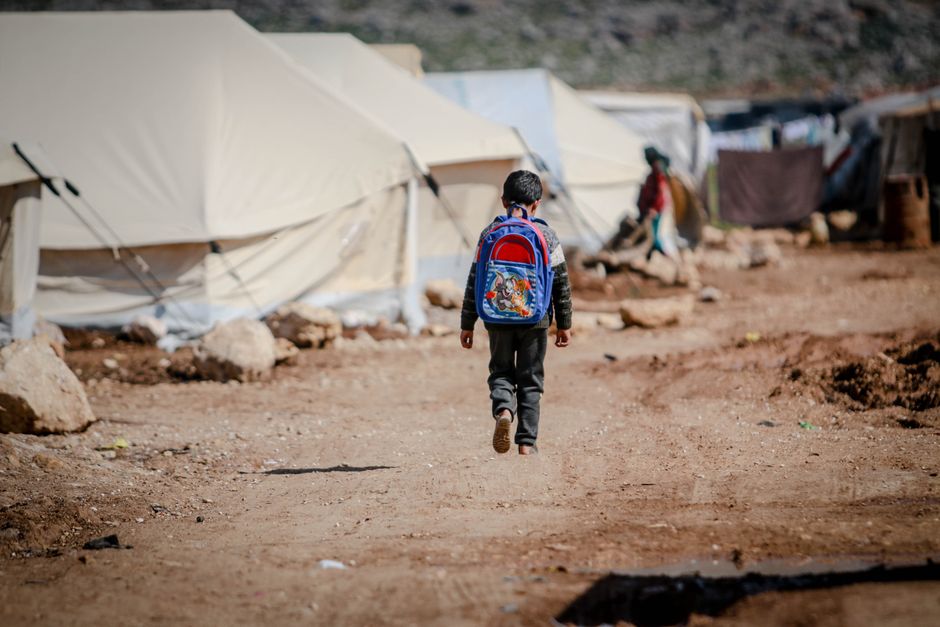
Sudan Crisis: Over 4 Million Displaced as War Intensifies, UN Reports
The devastating conflict that erupted in Sudan in April 2023 has triggered a humanitarian catastrophe of unprecedented scale, with the United Nations confirming that more than 4 million people have been forced to flee their homes. This staggering figure represents one of the largest displacement crises globally, highlighting the immense suffering and devastation wrought by the ongoing fighting between the Sudanese Armed Forces (SAF) and the paramilitary Rapid Support Forces (RSF). The war, fueled by a power struggle between the two factions, has plunged the nation into widespread violence, displacing a significant portion of its population and overwhelming already strained humanitarian resources. This mass exodus underscores the urgent need for sustained international attention, robust humanitarian aid, and a lasting resolution to the conflict to avert further catastrophe and facilitate the safe return of displaced populations.
The scale of displacement is staggering, with the vast majority of those fleeing seeking refuge within Sudan’s borders, becoming internally displaced persons (IDPs). These individuals often find themselves in precarious situations, lacking access to basic necessities like food, water, shelter, and healthcare. The number of IDPs now exceeds 3 million, a grim testament to the widespread destruction of infrastructure and the pervasive insecurity that prevents safe return. The remaining over 1 million refugees have sought safety in neighboring countries, adding immense pressure to already struggling host communities. Chad, South Sudan, Egypt, Ethiopia, and the Central African Republic are bearing the brunt of this influx, facing unprecedented challenges in providing for the basic needs of these newly arrived refugees. The sheer volume of people requiring assistance stretches the capacity of humanitarian organizations and international bodies to their breaking point.
The root causes of this cataclysmic displacement are deeply embedded in the ongoing power struggle and the brutal nature of the conflict. The SAF, led by General Abdel Fattah al-Burhan, and the RSF, commanded by General Mohamed Hamdan Dagalo (known as Hemedti), have engaged in indiscriminate attacks, leading to widespread civilian casualties and the destruction of vital infrastructure. The fighting has been particularly intense in Khartoum, the capital, and the Darfur region, historically a flashpoint for conflict. Entire neighborhoods have been reduced to rubble, and essential services, including hospitals, water treatment plants, and electricity grids, have been severely damaged or destroyed. This destruction not only exacerbates the immediate humanitarian crisis but also poses significant obstacles to any future recovery and return for displaced populations.
The impact of this displacement crisis extends far beyond the immediate humanitarian needs. The protracted nature of the conflict and the continuous outflow of people are having profound and lasting consequences for Sudan’s social fabric and economic stability. The loss of human capital, the disruption of agricultural production, and the destruction of businesses are crippling the nation’s economy. Furthermore, the inter-communal tensions, often exacerbated by the conflict, risk deepening existing societal divisions and making reconciliation a formidable challenge. The educational system has been severely disrupted, with schools closed or destroyed, leaving an entire generation of children without access to education, impacting their future prospects and the nation’s long-term development.
The international response to the Sudan crisis, while present, has been hampered by a multitude of challenges. Funding shortfalls remain a persistent issue, with humanitarian appeals consistently underfunded. The logistical complexities of delivering aid to remote and conflict-affected areas are immense, often requiring dangerous journeys through active combat zones. Access restrictions imposed by warring parties further complicate humanitarian efforts, hindering the timely delivery of life-saving assistance. Moreover, the global focus on other concurrent crises, while understandable, has sometimes led to Sudan being overlooked, exacerbating the sense of neglect and despair among those affected. The call for increased and sustained international funding is therefore critical to meeting the escalating needs of millions.
The experiences of those displaced are harrowing. Families have been torn apart, with individuals forced to make desperate choices to survive. Many have witnessed unspeakable violence and endured immense trauma. Stories emerge of perilous journeys undertaken on foot, facing hunger, dehydration, and the constant threat of violence. Upon reaching displacement camps or border crossings, they often encounter overcrowded conditions, inadequate sanitation, and a scarcity of resources. The psychological toll of displacement is immense, with survivors grappling with loss, uncertainty, and the fear of what the future holds. Women and children are particularly vulnerable, facing increased risks of sexual violence, exploitation, and trafficking.
The humanitarian organizations on the ground are working tirelessly under extremely challenging circumstances. Agencies like the UN High Commissioner for Refugees (UNHCR), the World Food Programme (WFP), UNICEF, and numerous non-governmental organizations (NGOs) are providing critical assistance, including emergency food supplies, clean water, medical care, and temporary shelter. However, the sheer scale of the needs often outstrips their capacity. The dedication and bravery of humanitarian workers in Sudan are remarkable, often operating in dangerous environments with limited resources. Their efforts are a lifeline for millions, but they are also a stark reminder of the immense scale of the crisis and the urgent need for greater support.
The regional implications of the Sudan crisis are also significant. The influx of refugees into neighboring countries is straining their resources and infrastructure, potentially leading to further instability. The porous borders and the prolonged displacement can create fertile ground for illicit activities and exacerbate existing tensions within host communities. The long-term impact on regional security and stability is a growing concern, demanding a comprehensive regional approach to address the multifaceted challenges posed by the crisis. Diplomatic efforts to broker a lasting ceasefire and political solution are paramount to stemming the flow of refugees and allowing for eventual repatriation and rebuilding.
The international community faces a critical juncture in its response to the Sudan crisis. Beyond immediate humanitarian aid, there is an urgent need for sustained diplomatic engagement to push for a cessation of hostilities and a political resolution that addresses the underlying causes of the conflict. The accountability for war crimes and human rights abuses committed during the conflict must also be pursued. For the millions displaced, the hope for a safe and dignified return to their homes hinges on the cessation of violence and the establishment of security and stability. The path forward requires a multi-pronged approach that combines robust humanitarian assistance, sustained diplomatic pressure, and long-term commitment to Sudan’s recovery and development. The current figures of over 4 million displaced are not just statistics; they represent individuals and families whose lives have been irrevocably altered by war, and whose plight demands a global, unwavering response.
