
Oil Prices Track Solid Weekly Gains China Us Resume Trade Talks
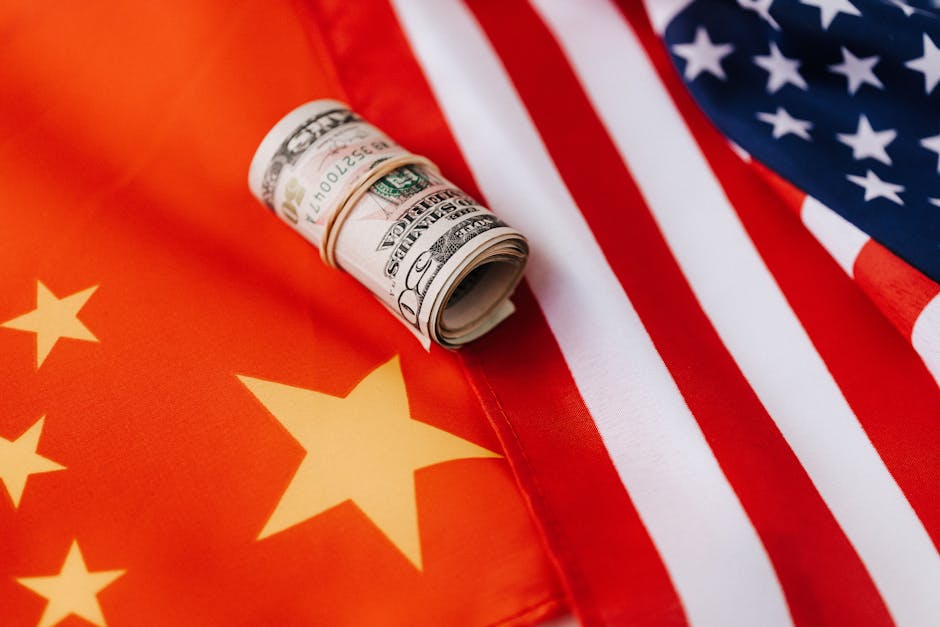
Oil Prices Track Solid Weekly Gains as China and US Resume Trade Talks
Global oil prices concluded the week with substantial gains, a rally driven by a confluence of factors, most notably the resumption of high-level trade negotiations between the world’s two largest economies, China and the United States. The renewed optimism surrounding a potential de-escalation of the protracted trade dispute has injected a significant dose of confidence into markets, with investors betting on an improved global economic outlook and, consequently, increased demand for crude oil. This détente, however tentative, has overshadowed concerns about oversupply and geopolitical tensions that had previously weighed on prices. The benchmark Brent crude futures saw a notable uptick, trading well above the $60 per barrel mark, while West Texas Intermediate (WTI) also experienced a corresponding surge, reflecting a broader market sentiment shift. The prospect of reduced tariffs and a more stable international trade environment is directly correlated with the expectation of higher industrial activity and consumer spending, both of which are key drivers for oil consumption. Analysts suggest that if these trade talks yield concrete agreements, the positive impact on oil demand could be sustained, potentially leading to further price appreciation in the coming weeks and months. The market is closely watching the progress of these negotiations, recognizing that any perceived setbacks could quickly reverse the current bullish trend.
The renewed engagement between Beijing and Washington signifies a critical juncture for global economic stability and, by extension, the oil market. For months, the escalating trade war, characterized by tit-for-tat tariffs, had cast a long shadow over global growth prospects. This uncertainty directly impacted investor sentiment, leading to a cautious approach towards riskier assets, including commodities like oil. The initiation of these high-stakes discussions, aimed at finding common ground and resolving outstanding trade grievances, has therefore been met with considerable relief and optimism. From an oil market perspective, a resolution to the trade war implies a potential acceleration of global economic activity. China, as a voracious consumer of energy, is a significant driver of global oil demand. Any reduction in trade barriers or tariffs could lead to increased manufacturing output and a subsequent rise in its appetite for crude. Similarly, the United States, a major oil producer and exporter, stands to benefit from a more robust global economy that can absorb its production. The ripple effects of a successful trade agreement would likely extend beyond these two giants, stimulating trade and investment flows across the globe, ultimately boosting overall energy consumption.
The direct correlation between trade relations and oil prices is a well-established phenomenon. When trade barriers are high and geopolitical tensions are elevated, uncertainty pervades the global economy. This uncertainty translates into a lower demand forecast for energy, as businesses scale back production and consumers become more reticent with their spending. Consequently, oil prices tend to stagnate or decline. Conversely, when diplomatic channels are open and a spirit of cooperation prevails, as is currently being signaled by the China-US talks, the economic outlook brightens. This optimism fuels an increase in industrial activity, transportation, and manufacturing, all of which are heavily reliant on oil as a primary energy source. Therefore, the market’s positive reaction to the resumption of trade talks is not merely speculative; it is grounded in a fundamental understanding of how global trade dynamics influence energy demand. The current price rally is a tangible manifestation of this market anticipation for a more favorable economic landscape.
Beyond the immediate impact of the trade talks, several other factors have contributed to the positive trajectory of oil prices. Geopolitical risks, while always a latent concern in the Middle East, have recently seen a slight abatement in their direct impact on supply disruptions. Events that previously threatened immediate supply interruptions have either been contained or have not escalated to the point of significantly impacting global crude flows. This reduction in perceived immediate supply risk allows other demand-side factors, such as the trade negotiations, to take center stage in price determination. Furthermore, the Organization of the Petroleum Exporting Countries (OPEC) and its allies, through their production cuts, have continued to exert a stabilizing influence on the market. While the effectiveness and adherence to these cuts can vary, the commitment to managing supply in a way that supports prices remains a crucial element in the current market equilibrium. The combination of these supply-side management efforts and the burgeoning demand-side optimism is creating a fertile ground for sustained price gains.
The nuances of the China-US trade talks are critical for understanding the sustainability of the current oil price rally. The markets are not simply reacting to the fact that talks are happening, but rather to the potential outcomes. Investors are looking for tangible signs of progress, such as the rollback of existing tariffs, the establishment of clear timelines for resolving outstanding disputes, and a commitment to a more predictable trade relationship. Specific sectors that are heavily impacted by tariffs, such as agriculture and manufacturing, are under particular scrutiny. A genuine breakthrough in these areas would not only bolster confidence in the global economy but would also directly translate into increased demand for goods and services, consequently boosting oil consumption. Conversely, a stalemate or a breakdown in negotiations could swiftly reverse the current positive sentiment, leading to renewed volatility in oil prices. The focus remains on the specific deliverables and the commitment from both sides to find a mutually beneficial resolution.
From a technical analysis perspective, the breakout above key resistance levels for both Brent and WTI crude suggests a shift in market momentum. Chart patterns indicate that the recent price appreciation is not merely a short-term blip but could signal the beginning of a more sustained uptrend. The increased trading volumes accompanying the price gains further validate this bullish sentiment. Traders and investors are likely to be closely monitoring these technical indicators for further confirmation. The psychological impact of crossing significant price thresholds also plays a role in market psychology, encouraging further buying activity as traders seek to capitalize on the upward momentum. The interplay between fundamental drivers, such as the trade talks, and technical signals is creating a reinforcing feedback loop that is currently propelling oil prices higher.
The broader implications of sustained higher oil prices, even if driven by positive economic developments, warrant consideration. For oil-importing nations, higher energy costs can translate into increased inflation, potentially impacting consumer purchasing power and economic growth. Governments in these countries may need to implement measures to mitigate the inflationary effects, which could include fiscal adjustments or strategic reserve releases. Conversely, for oil-exporting nations, higher prices represent a significant boost to their economies, providing increased revenue for government spending and investment. The geopolitical landscape can also be influenced by shifting energy dynamics, with countries that are heavily reliant on oil exports potentially gaining more influence. The current price rally, therefore, is not just a financial market event but has wider economic and geopolitical ramifications.
The market’s reaction to the China-US trade talks is a clear indication of how interconnected the global economy is. A positive resolution to this trade dispute has the potential to unlock significant economic growth, which in turn directly fuels demand for energy. This demand-side push, combined with ongoing supply management efforts, has created a favorable environment for oil price appreciation. The focus now shifts to the substance of the negotiations and the ability of both nations to translate dialogue into concrete agreements. Any deviation from this positive trajectory could lead to a swift correction. The solid weekly gains in oil prices serve as a barometer of market sentiment, reflecting a palpable sense of optimism that a more stable and prosperous global economic future is within reach, largely contingent on the success of these crucial trade discussions. The sustained upward movement in oil prices is a powerful signal that the market is pricing in a more robust global economic outlook, directly linked to the thawing of trade relations between China and the United States. This optimism is a significant driver, but the sustainability of the rally will ultimately depend on the tangible outcomes of these high-stakes negotiations and the broader economic forces at play.
