
Swiatek Wants Equal Treatment Women French Open Schedule Remains Focus
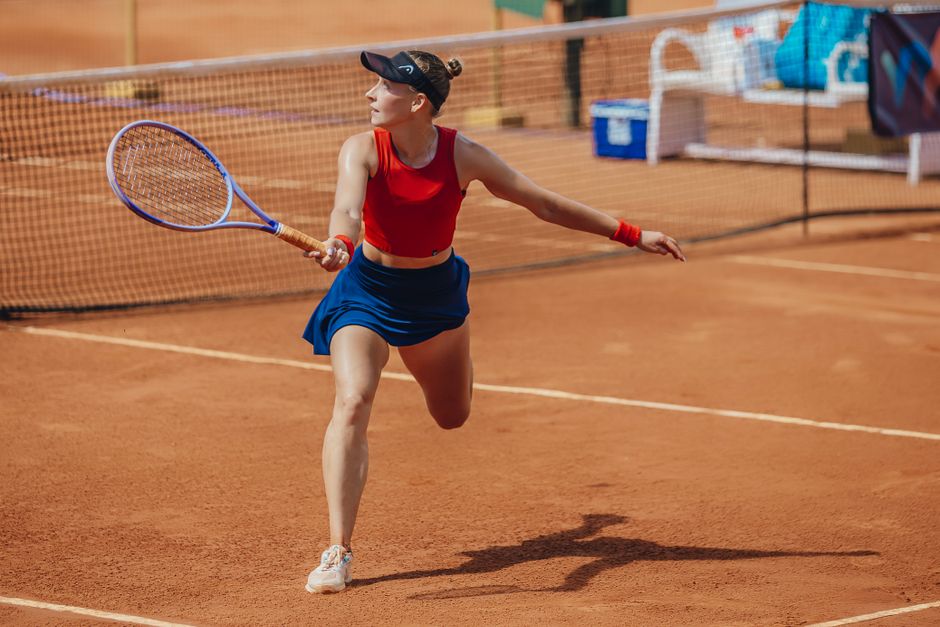
Iga Swiatek Demands Equal Treatment: French Open Schedule Under Scrutiny as Focus Remains on Top Female Athletes
Iga Swiatek, the reigning French Open champion and world number one, has amplified her call for equal treatment and recognition for women’s tennis, with particular emphasis on the scheduling of major tournaments. Her stance, prominently voiced during the lead-up to and throughout the 2024 French Open, highlights a persistent issue within the sport: the prioritization of men’s matches, especially on the coveted Centre Court, often at the expense of prominent women’s fixtures. Swiatek’s consistent performance and unwavering advocacy have thrust the debate into the spotlight, forcing organizers and fans alike to confront the disparities that continue to plague professional tennis. The French Open, a Grand Slam event steeped in tradition, has historically seen its prime-time slots and marquee court assignments gravitate towards the men’s singles draw, a practice that Swiatek and a growing chorus of players and supporters argue is no longer tenable.
The core of Swiatek’s argument, and indeed the broader movement for gender equality in tennis, revolves around fair compensation, equal media coverage, and equitable access to the most prestigious playing surfaces and scheduling. While prize money at Grand Slams has largely achieved parity in recent years, other tangible forms of recognition, such as prime-time television slots and the assignment of the main show courts for crucial matches, remain uneven. Swiatek, with her immense talent and dedicated fanbase, is precisely the kind of athlete whose matches should be featured prominently. Her frustration stems from seeing matches involving male players, even those in earlier rounds or with less compelling narratives, consistently placed on Court Philippe-Chatrier, the French Open’s main stadium, while her own high-stakes encounters are relegated to secondary courts. This isn’t just a matter of prestige; it directly impacts visibility, audience engagement, and ultimately, the perceived value of women’s tennis.
The French Open’s scheduling decisions have been particularly scrutinized this year. While Swiatek herself has often been placed on Court Philippe-Chatrier, she has publicly acknowledged the broader issue and expressed support for her fellow female athletes who have faced similar slights. The narrative often presented by tournament organizers, citing factors like historical precedent, television ratings, and perceived audience demand, fails to adequately address the self-perpetuating cycle. By consistently prioritizing men’s matches, tournaments inadvertently reinforce the notion that they are more compelling, thus shaping audience expectations and future scheduling decisions. Swiatek’s plea is for a deliberate effort to break this cycle, to showcase the brilliance of women’s tennis on the same grand stages, and to allow it to build its own independent audience and appeal.
Beyond the immediate impact on individual players, Swiatek’s advocacy has broader implications for the future of women’s sports. Her articulate and confident voice resonates with a new generation of athletes and fans who are less willing to accept historical inequalities. The momentum generated by Swiatek and her contemporaries is a critical component of the ongoing push for gender parity across all professional sports. The French Open, as one of the four Grand Slams, holds significant influence within the tennis world. Any meaningful change in its scheduling practices would set a powerful precedent for other tournaments, including Wimbledon, the US Open, and the Australian Open. The focus, therefore, remains not just on Swiatek’s individual performance on the court, but on her role as a powerful advocate for systemic change.
The scheduling of matches at a major tournament like the French Open is a complex logistical and strategic undertaking. It involves considerations such as player requests, broadcast rights, fan experience, and the overall flow of the tournament. However, the persistent allocation of prime slots and main courts to men’s events, even when women’s matches are equally, if not more, compelling, points to a deeper, ingrained bias. Swiatek’s stance suggests that current scheduling models are failing to account for the undeniable talent and drawing power of top female athletes. The argument that men’s matches inherently generate higher ratings often overlooks the fact that consistent exposure on prime platforms builds that very appeal. If women’s matches were regularly featured on the main courts and broadcast during peak viewing hours, their audience would inevitably grow, mirroring the trajectory of men’s tennis.
The impact of scheduling on player performance and well-being is also a significant factor. Playing on a smaller, secondary court can mean less favorable playing conditions, a less electric atmosphere, and potentially a greater physical and mental toll due to the perceived lack of importance. For top players like Swiatek, who are accustomed to the grandeur and intense energy of the main stadiums, being moved to less prominent courts can be a disorienting experience, potentially affecting their mental preparation and performance. While she has maintained her focus and delivered exceptional results, the underlying principle of equitable treatment remains a crucial point of contention. The French Open schedule, therefore, becomes a focal point for discussions about respect, recognition, and the fundamental fairness that should underpin professional sports.
Swiatek’s continued success at the French Open, a tournament she has dominated, amplifies her message. Each victory, each dominant performance on whatever court she is assigned, serves as a testament to her skill and a quiet rebuttal to any implicit suggestion that her matches are less worthy of prime placement. Her focus on the sport, on her game, remains unwavering, yet her willingness to speak out on these critical issues demonstrates a maturity and leadership that extends beyond the baseline. She understands that her platform carries a responsibility, and she is using it to advocate for a more equitable future for all women in tennis. The French Open schedule, therefore, is not just a logistical detail; it’s a symbol of the ongoing struggle for equality and a canvas upon which Swiatek is painting her vision for a more just and inclusive sport.
The debate around scheduling at the French Open, and indeed at all major tennis events, is not about diminishing men’s tennis. Instead, it is about elevating women’s tennis to its rightful place, alongside its male counterpart, in terms of visibility, recognition, and opportunity. Swiatek’s voice, amplified by her exceptional talent and her consistent presence at the pinnacle of the sport, is a powerful catalyst for change. The focus remains on her performance, but inextricably linked to that is her unwavering commitment to ensuring that future generations of female athletes do not have to fight for the same basic rights and recognition that are often taken for granted by their male peers. The French Open schedule, therefore, is not just a matter of court assignments; it’s a battleground for equality, and Iga Swiatek is a leading general. The ongoing discussions surrounding her statements highlight the need for a critical re-evaluation of how professional tennis values and presents its female athletes.
The visibility afforded by prime scheduling at a Grand Slam event like the French Open has a ripple effect that extends far beyond the immediate match. It influences media coverage, sponsorship opportunities, and the cultivation of a dedicated fanbase. When women’s matches are consistently placed on secondary courts or at less desirable times, it sends a subtle but powerful message that they are secondary attractions. This can discourage younger girls from aspiring to professional tennis careers, as they may not see themselves reflected on the same grand stages as their male idols. Swiatek’s advocacy is therefore not just about her own career; it’s about inspiring the next generation and ensuring that the pathways to success are as equitable as possible for all aspiring tennis players, regardless of gender.
The organizers of the French Open, and indeed all major tennis tournaments, have an opportunity to be proactive in addressing these disparities. Instead of reacting to calls for equality, they can lead the charge by implementing scheduling policies that explicitly prioritize fairness and parity. This could involve a more balanced allocation of Centre Court and prime-time slots, ensuring that marquee women’s matches are given the same consideration as their male counterparts. It could also involve a commitment to actively promoting women’s tennis through targeted marketing campaigns and media partnerships. Swiatek’s continued focus on this issue, even while navigating the immense pressure of defending her title, underscores the urgency of the situation. The conversation is no longer a peripheral one; it is a central theme in the evolution of professional tennis.
The international media’s coverage of Swiatek’s stance has been instrumental in raising awareness of the issue. Her articulate and passionate pleas have resonated with sports journalists worldwide, who are increasingly highlighting the need for gender equality in professional sports. This increased scrutiny puts pressure on tournament organizers to address these concerns and to make tangible changes to their scheduling practices. The focus on Swiatek’s performance at the French Open is amplified by her outspokenness on matters of fairness, creating a powerful synergy that is driving progress. The narrative surrounding the tournament is thus not solely about who wins, but also about how the sport itself is evolving and striving towards greater inclusivity.
Ultimately, the conversation ignited by Iga Swiatek regarding equal treatment and the French Open schedule is a crucial one for the advancement of women’s sports. Her unwavering focus on her game, coupled with her powerful advocacy, serves as a potent reminder that talent and dedication deserve equal recognition, regardless of gender. The ongoing scrutiny of the French Open’s scheduling practices is a necessary step in dismantling outdated biases and building a more equitable future for professional tennis. The focus remains firmly on Swiatek’s dominance on the court, but it is her voice off the court that is shaping a more inclusive and just sporting landscape for generations to come. The question is no longer if change is needed, but when it will be fully implemented across all levels of professional tennis.
