
Delta Warns New Tariffs Could Force It Stop Buying Foreign Made Airplanes
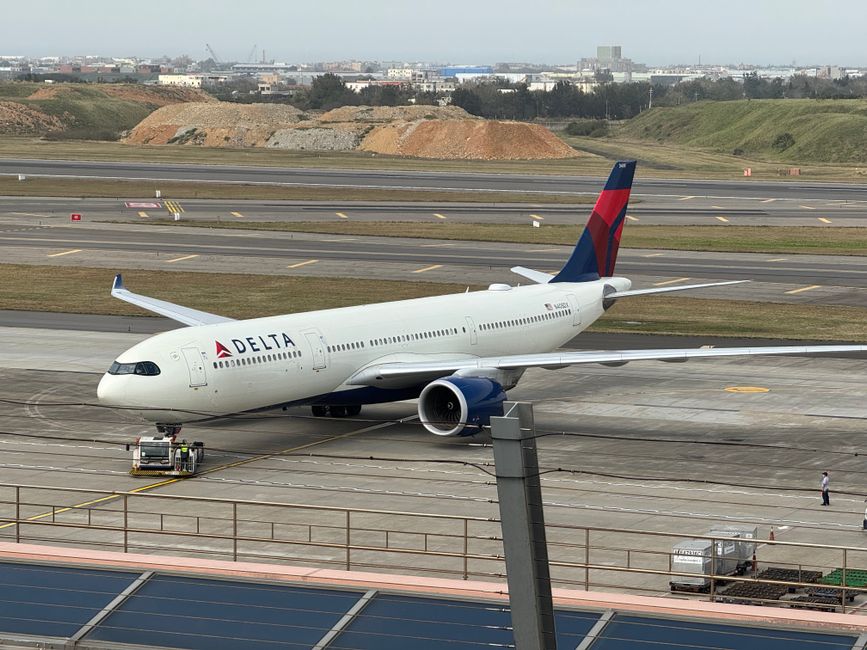
Delta Warns New Tariffs Could Force It to Stop Buying Foreign-Made Airplanes
The specter of escalating trade disputes and the imposition of new tariffs looms large over the aviation industry, with Delta Air Lines, a major U.S. carrier, issuing a stark warning: such measures could compel the airline to cease purchasing aircraft manufactured outside the United States. This potential shift in procurement strategy has profound implications, not only for Delta’s operational capacity and fleet modernization but also for the intricate global supply chains that underpin aircraft production and maintenance. The airline’s pronouncement signals a significant juncture, where economic policy directly intersects with the strategic decisions of global transportation giants, potentially reshaping the landscape of international aviation commerce.
At the heart of Delta’s concern lies the projected impact of proposed tariffs on imported aircraft and their components. While the specifics of any forthcoming tariff regime remain fluid and subject to political negotiation, the potential for substantial cost increases is undeniable. Aircraft manufacturers, particularly European giants like Airbus, rely on a vast network of international suppliers for everything from engines and avionics to cabin interiors and structural components. Tariffs levied on these imported parts would inevitably translate into higher production costs for finished aircraft. For airlines like Delta, which operate fleets comprising both U.S.-made and foreign-made aircraft, these elevated prices would directly impact their capital expenditure budgets and long-term fleet planning. The airline has historically diversified its fleet, sourcing aircraft from both Boeing, a U.S. manufacturer, and Airbus, based in Europe, to leverage the best offerings in terms of efficiency, capacity, and operational suitability for its route network.
The economic rationale behind Delta’s warning is straightforward. Increased acquisition costs for aircraft directly translate to higher operational expenses. Airlines operate on thin margins, and any significant increase in the cost of their most capital-intensive assets would necessitate a reevaluation of their business models. This could manifest in several ways. Firstly, Delta might be forced to delay or cancel orders for new aircraft, hindering its ability to replace aging, less fuel-efficient planes with newer, more sustainable models. This would have negative consequences for fuel consumption, environmental performance, and passenger comfort. Secondly, the airline might be compelled to absorb these higher costs, leading to reduced profitability or, more likely, passing these costs onto consumers through increased ticket prices. This would have a detrimental effect on air travel affordability and demand.
Furthermore, Delta’s statement implicitly highlights the interconnectedness of the global aviation ecosystem. Aircraft manufacturing is not confined to national borders; it’s a highly collaborative and international endeavor. A policy that aims to penalize imports could inadvertently disrupt established supply chains, impacting not only foreign manufacturers but also U.S. companies that supply components to those foreign manufacturers. For instance, U.S. companies like GE Aviation and Pratt & Whitney are significant suppliers of jet engines to both Boeing and Airbus. If tariffs make Airbus aircraft prohibitively expensive for a major customer like Delta, it could indirectly impact the order books and production schedules of these U.S. engine manufacturers. This creates a complex web of economic dependencies where protectionist measures can have unintended and far-reaching consequences.
The political context surrounding this issue is also critical. The call for tariffs often stems from a desire to protect domestic industries and jobs. In the United States, the aerospace sector is a cornerstone of the manufacturing economy, employing hundreds of thousands of skilled workers. The Trump administration, in particular, has been a vocal proponent of using tariffs as a tool to rebalance trade deficits and encourage domestic production. However, the airline industry, as a major consumer of aircraft, plays a vital role in economic activity, facilitating commerce, tourism, and global connectivity. A policy that significantly burdens airlines could have a ripple effect, impacting jobs and economic growth in the broader transportation and travel sectors.
Delta’s threat to cease purchasing foreign-made aircraft is not merely an abstract economic calculation; it represents a strategic decision driven by the need to maintain competitiveness and financial stability. If tariffs make aircraft from Airbus, for example, significantly more expensive than comparable aircraft from Boeing, Delta will likely pivot its procurement strategy to favor U.S.-made planes to avoid the added cost. This scenario could lead to a substantial shift in the market share of aircraft manufacturers, with potential long-term implications for innovation and competition in the industry. It could also create a situation where airlines are less able to choose the aircraft best suited to their specific operational needs, potentially leading to less efficient operations overall.
The operational impact of such a shift could be substantial. Airlines meticulously plan their fleet composition, considering factors such as aircraft size, range, fuel efficiency, maintenance requirements, and pilot training. A forced pivot to predominantly U.S.-made aircraft could limit Delta’s options, potentially forcing it to operate aircraft that are not perfectly aligned with its route structure or passenger demand. This could lead to inefficiencies in network planning and a less optimized deployment of resources. Furthermore, the transition to a fleet dominated by a single manufacturer’s aircraft can present its own set of challenges, including increased reliance on a single supplier for parts and maintenance, and potentially less leverage in future negotiations.
The implications for the broader aviation supply chain are equally significant. A substantial reduction in orders for foreign-made aircraft would have a cascading effect on the thousands of companies worldwide that supply components and services to these manufacturers. This includes companies in Europe, Asia, and even other parts of North America. The interconnected nature of the aviation industry means that protectionist measures in one country can have global repercussions, impacting employment, investment, and innovation across multiple economies. Delta’s warning underscores the delicate balance of global trade and the potential for trade disputes to disrupt complex international industrial ecosystems.
Moreover, the long-term viability of aircraft manufacturers hinges on sustained demand. If major carriers like Delta significantly curtail their orders for certain aircraft types due to tariff-driven cost increases, it could impact production rates, research and development investments, and the overall financial health of those manufacturers. This, in turn, could have implications for the pace of technological advancement in the aviation sector, a field that relies heavily on continuous innovation to improve efficiency, safety, and environmental performance. The development of new aircraft models is a multi-billion dollar, multi-year endeavor, and significant shifts in demand could jeopardize these crucial investments.
Delta’s position also reflects a broader concern within the airline industry regarding the predictability and stability of the business environment. The imposition of tariffs introduces an element of uncertainty that makes long-term strategic planning exceptionally challenging. Airlines must commit to aircraft orders years in advance, and any sudden changes in trade policy can create significant financial risks. The airline industry is already subject to numerous external pressures, including fluctuating fuel prices, geopolitical instability, and regulatory changes. The addition of unpredictable tariff regimes further complicates an already complex operational landscape.
The airline industry’s reliance on international trade is not limited to aircraft acquisition. Airlines also rely on a global network of maintenance, repair, and overhaul (MRO) facilities, as well as a global supply of spare parts. Tariffs could also impact the cost and availability of these essential services and components, further exacerbating operational challenges and increasing costs for carriers. The ability to access specialized expertise and parts from around the world is crucial for maintaining fleet availability and ensuring the safe and efficient operation of aircraft.
In conclusion, Delta Air Lines’ warning about potentially ceasing purchases of foreign-made aircraft in response to new tariffs is a significant development with far-reaching implications. It highlights the complex interplay between trade policy, industrial strategy, and the operational realities of the global aviation industry. Such a move would not only reshape Delta’s fleet but also have ripple effects across international supply chains, potentially impacting employment, innovation, and the accessibility of air travel. The airline’s stance serves as a critical reminder that protectionist measures, while intended to bolster domestic industries, can have unintended and detrimental consequences on interconnected global markets and the companies that operate within them. The outcome of this situation will depend on the evolving trade policies and the willingness of governments and industry stakeholders to find solutions that balance national interests with the imperative of a stable and prosperous global aviation sector.
