
Trump Xi Us China Trade War
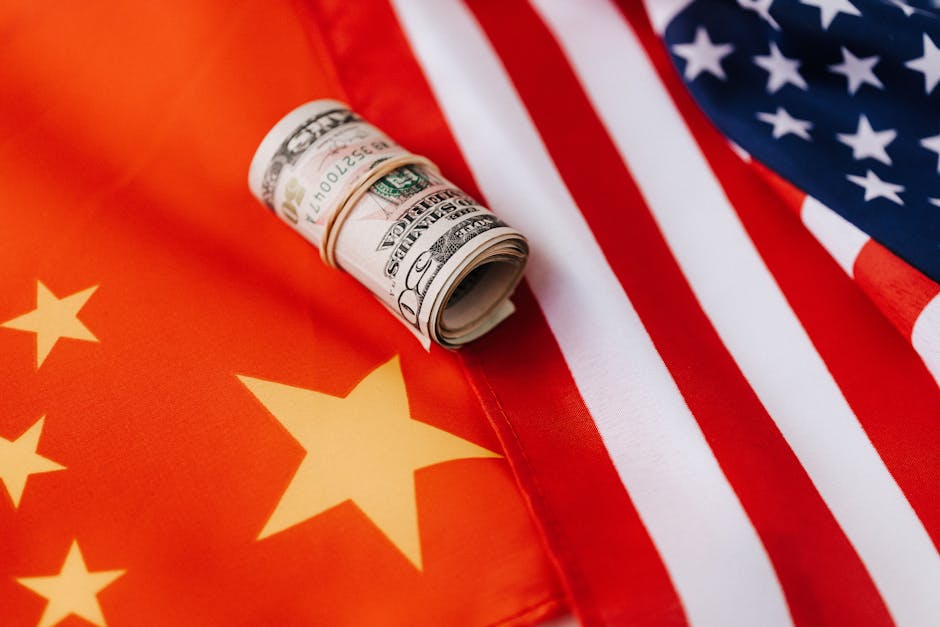
The Trump-Xi Trade War: A Geopolitical and Economic Crucible
The US-China trade war, initiated by the Trump administration in 2018, represented a seismic shift in global trade relations, marking a deliberate departure from decades of engagement and a move towards overt economic confrontation. This conflict, driven by a complex interplay of economic grievances, strategic competition, and differing national interests, fundamentally altered the landscape of international commerce and continues to cast a long shadow over both nations and the global economy. At its core, the trade war was a manifestation of long-standing US frustrations regarding China’s economic practices, including allegations of intellectual property theft, forced technology transfer, state-sponsored subsidies for domestic industries, and a perceived imbalance in trade. The Trump administration articulated these concerns as a necessary recalibration of a trade relationship that it deemed unfairly advantageous to Beijing.
The initial salvoes of the trade war involved the imposition of substantial tariffs by the United States on billions of dollars worth of Chinese goods. These tariffs, ranging from 10% to 25%, were strategically applied to a broad spectrum of products, from electronics and machinery to agricultural goods and consumer products. The stated objective was to pressure China into making significant concessions on trade practices and to level the playing field for American businesses. In response, China retaliated with its own set of tariffs on American imports, targeting key US export sectors, particularly agriculture, with the aim of inflicting economic pain on American industries and influencing US domestic political considerations. This tit-for-tat tariff escalation created immediate disruptions in supply chains, increased costs for consumers and businesses on both sides, and injected a significant degree of uncertainty into global markets. The ripple effects were felt far beyond the immediate trade flows between the two economic giants, impacting industries that relied on inputs from or exports to either nation.
Beyond the immediate tariff battles, the Trump administration also pursued other measures aimed at curbing China’s economic influence. This included increased scrutiny of Chinese investments in the US, particularly in sensitive technology sectors, under the guise of national security concerns. The Committee on Foreign Investment in the United States (CFIUS) became more active in reviewing and blocking transactions deemed a potential threat. Furthermore, the US government began to target specific Chinese technology companies, most notably Huawei, through export controls and sanctions, citing concerns about national security risks associated with their involvement in 5G infrastructure and other advanced technologies. This move signaled a broader strategy of decoupling in critical technological domains, aiming to limit China’s access to advanced US technology and to encourage allies to do the same, thereby fragmenting the global technology ecosystem.
The underlying economic philosophies driving the conflict were starkly different. The US, advocating for free market principles and fair competition, viewed China’s state-driven capitalism with suspicion. The extensive use of industrial policies, subsidies, and state-owned enterprises by Beijing was seen as a distortion of market forces, allowing Chinese companies to compete unfairly on a global scale. The US also expressed concerns about the increasing economic leverage China wielded through initiatives like the Belt and Road Initiative, which offered infrastructure financing and development opportunities to countries worldwide, often accompanied by significant debt burdens. This was perceived by some as a strategy to expand China’s geopolitical influence and to create a new global economic order more aligned with its own interests, potentially sidelining the US-led international system.
The impact of the trade war on the global economy was multifaceted and largely negative. Global trade growth slowed, supply chains were reconfigured as companies sought to de-risk their operations by diversifying away from China, and investment decisions were hampered by the prevailing uncertainty. Developing nations, often reliant on trade with either the US or China, found themselves caught in the crossfire, facing reduced export opportunities and increased import costs. International organizations like the World Trade Organization (WTO) struggled to address the challenges posed by unilateral tariffs and protectionist measures, further eroding the multilateral trading system. The trade war also exacerbated existing geopolitical tensions, transforming economic competition into a broader strategic rivalry that extended into areas like cybersecurity, intellectual property, and technological dominance.
The Chinese response to the trade war was characterized by a mix of defiance, adaptation, and a continued emphasis on its long-term development strategy. Beijing sought to offset the impact of US tariffs by exploring new markets for its exports, strengthening domestic consumption, and accelerating its own technological innovation to reduce reliance on foreign suppliers. The "dual circulation" strategy, emphasizing domestic demand while maintaining openness to international trade, became a key tenet of China’s economic policy. While China publicly condemned the tariffs as protectionist and detrimental to global economic stability, it also engaged in negotiations with the US, albeit with limited success in achieving a comprehensive resolution. The Chinese government also utilized its economic leverage, for example, by controlling the supply of critical rare earth minerals, a significant input for many advanced technologies.
The US business community was divided in its response to the trade war. While some industries, particularly those directly impacted by Chinese competition, supported the tariffs, many others expressed deep concern about the increased costs of imported components and the retaliatory tariffs on their exports. The agricultural sector, a significant target of Chinese retaliation, experienced substantial losses and required government aid to mitigate the damage. Large multinational corporations with extensive supply chains in China faced immense pressure to adapt, leading to increased investments in alternative manufacturing locations such as Vietnam, Mexico, and other Southeast Asian countries. This led to a gradual but discernible shift in global manufacturing footprints, a process that continues to unfold.
The diplomatic efforts to resolve the trade war were arduous and ultimately yielded only partial agreements. The Phase One trade deal, signed in January 2020, aimed to de-escalate tensions by securing commitments from China to increase its purchases of US goods and services and to make structural reforms in areas such as intellectual property protection and currency manipulation. However, the deal did not fully address many of the fundamental issues that fueled the conflict, and its implementation remained a point of contention. The underlying distrust and strategic competition persisted, and the COVID-19 pandemic further complicated efforts towards a lasting resolution, introducing new layers of global disruption and exacerbating existing tensions between the two powers.
The legacy of the Trump-Xi trade war extends beyond the immediate economic consequences. It has fundamentally altered the perception of globalization and the risks associated with deep economic interdependence. The conflict highlighted the vulnerabilities of global supply chains and spurred a renewed focus on resilience and diversification. It also intensified the debate about the role of government in managing international trade and the need for greater national security considerations in economic policy. The trade war served as a stark reminder that economic relations are inextricably linked to geopolitical power dynamics, and that trade disputes can quickly escalate into broader strategic confrontations. The ongoing competition in advanced technologies, particularly in semiconductors and artificial intelligence, remains a central battleground, with both nations investing heavily in domestic capabilities and seeking to gain a strategic advantage. The long-term implications of this technological arms race are still unfolding, with the potential to reshape the global economic and security landscape for decades to come. The trade war, therefore, was not merely a dispute over tariffs, but a profound reordering of the global economic and political architecture.
