
Tag Us Vietnam Trade
Navigating the Landscape of US-Vietnam Trade: Opportunities, Challenges, and the Path Forward
The economic relationship between the United States and Vietnam has undergone a dramatic transformation in recent decades, evolving from a post-conflict standstill to a vibrant and strategically important trade partnership. This burgeoning exchange, now often referred to as "US-Vietnam trade," is characterized by increasing volumes of goods and services, significant foreign direct investment (FDI), and a complex interplay of mutual benefits and emerging challenges. For American businesses looking to tap into Asia’s dynamic growth, Vietnam presents a compelling destination, offering access to a large and growing consumer base, a manufacturing powerhouse, and a strategic location within regional supply chains. Conversely, Vietnam views the US as a vital market for its exports and a key source of investment and technological expertise, crucial for its ongoing industrialization and economic development. Understanding the intricacies of this bilateral trade is essential for policymakers, businesses, and investors seeking to capitalize on its potential and mitigate its risks. This article delves into the multifaceted nature of US-Vietnam trade, exploring its historical trajectory, key sectors, significant drivers of growth, persistent challenges, and the future outlook for this critical economic relationship.
The genesis of modern US-Vietnam trade can be traced back to the normalization of diplomatic relations in 1995 and the subsequent signing of the Bilateral Trade Agreement (BTA) in 2001. This agreement served as a foundational pillar, gradually lowering tariffs, promoting market access, and establishing a framework for dispute resolution. The BTA significantly boosted trade volumes, as Vietnamese goods, particularly textiles, footwear, and agricultural products, gained preferential access to the lucrative US market. The US, in turn, benefited from access to lower-cost manufacturing, contributing to consumer affordability and providing a vital component for American companies’ global supply chains. Over the years, this economic interdependence has deepened considerably. Vietnam’s accession to the World Trade Organization (WTO) in 2007 further integrated it into the global trading system, reinforcing its commitment to market-oriented reforms and creating a more predictable environment for international trade and investment. The Trans-Pacific Partnership (TPP), though the US later withdrew, spurred further liberalization efforts and underscored the strategic importance of Vietnam within the Indo-Pacific region. Even without the TPP, the underlying economic dynamics continue to drive robust trade.
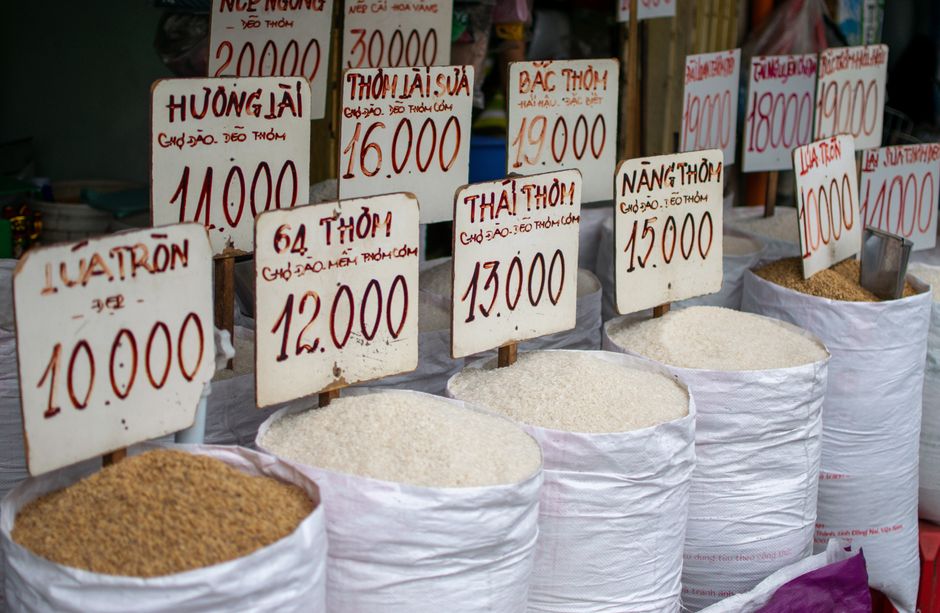
Several key sectors define the landscape of US-Vietnam trade. For Vietnam, the export of manufactured goods forms the backbone of its economic engagement with the US. Apparel and textiles remain a dominant category, with Vietnam being a major supplier to American retailers. Footwear is another significant export, leveraging Vietnam’s skilled labor force and cost-competitiveness. Electronics, particularly components and assembled goods, have seen substantial growth, driven by global supply chain realignments and Vietnam’s increasing integration into the production networks of major tech companies. The agricultural sector also plays a crucial role, with Vietnam exporting key commodities such as seafood, coffee, rice, and cashews to the US. On the import side, the US exports a range of goods to Vietnam, including machinery and equipment crucial for Vietnam’s industrial development, aircraft and aerospace products, agricultural products like soybeans and corn, and increasingly, high-tech components and services. The services sector, while less prominent in headline trade figures, is also growing, with US companies involved in areas like software development, tourism, and financial services. The rise of Vietnam as a manufacturing hub has also spurred demand for American technology and expertise in areas like advanced manufacturing, logistics, and environmental solutions.
The drivers behind the impressive growth in US-Vietnam trade are multifaceted. Foremost among these is Vietnam’s competitive cost structure, particularly its labor costs, which has made it an attractive alternative to other traditional manufacturing centers. This cost advantage, coupled with a large and increasingly skilled workforce, has fueled foreign direct investment (FDI) from US companies seeking to optimize their production and supply chains. The "China Plus One" strategy, adopted by many multinational corporations in response to geopolitical tensions and trade uncertainties with China, has significantly benefited Vietnam, positioning it as a primary beneficiary of supply chain diversification. Vietnam’s strategic geographic location in Southeast Asia, with its extensive coastline and well-developed port infrastructure, further enhances its appeal as a manufacturing and logistics hub. Furthermore, Vietnam’s consistent economic growth, with its expanding middle class and rising consumer demand, presents a growing market for American goods and services. The Vietnamese government’s commitment to economic reforms, including efforts to improve the business climate, streamline regulations, and attract FDI, has been instrumental in fostering this trade relationship. The ongoing liberalization of trade policies and its active participation in regional trade agreements have also contributed to its integration into global value chains.
Despite the positive trajectory, US-Vietnam trade is not without its challenges. One of the most persistent issues is the trade imbalance. Vietnam consistently runs a substantial trade surplus with the US, a situation that has drawn attention from US policymakers and trade representatives. While this surplus is largely a reflection of Vietnam’s competitive export capabilities and its role as a manufacturing base, it has led to concerns about fair trade practices and market access for American goods. Another significant challenge is intellectual property (IP) protection. While Vietnam has made strides in strengthening its IP laws, enforcement remains a concern for many US businesses, particularly in sectors involving digital content, pharmaceuticals, and high-tech goods. The risk of counterfeiting and IP infringement can deter investment and innovation. Non-tariff barriers also pose hurdles. While tariffs have been reduced, regulatory complexities, product standards, and bureaucratic procedures can still create friction and increase the cost of doing business. For instance, navigating Vietnam’s customs procedures or obtaining necessary permits can be time-consuming. The issue of currency valuation has also surfaced periodically, with concerns raised in the past about Vietnam’s currency management. While the US Treasury has removed Vietnam from its currency manipulator watchlist, it remains a point of ongoing dialogue. Furthermore, the evolving geopolitical landscape in the Indo-Pacific, including broader US-China relations, can indirectly impact US-Vietnam trade dynamics, creating both opportunities and potential disruptions. Infrastructure development, while improving, still requires further investment to fully support the burgeoning trade volumes and sophisticated logistical needs.
Looking ahead, the future of US-Vietnam trade appears promising, albeit with continued complexities. The Vietnamese government’s continued commitment to economic reform and integration into global value chains is a strong positive indicator. As Vietnam continues to move up the value chain, shifting from low-cost assembly to more sophisticated manufacturing and R&D, the scope for higher-value trade with the US is likely to expand. The increasing demand for sustainable and ethical sourcing in global supply chains also presents an opportunity for Vietnam to differentiate itself, provided it continues to strengthen its labor and environmental standards. For US businesses, the allure of Vietnam as a manufacturing base and a growing consumer market is likely to endure. The ongoing diversification of supply chains will continue to channel investment and trade flows towards Vietnam. Furthermore, the US government’s strategic focus on the Indo-Pacific region, including its emphasis on economic partnerships, suggests a continued interest in fostering strong bilateral trade relations with Vietnam. The potential for increased cooperation in emerging sectors such as renewable energy, digital economy, and advanced manufacturing offers new avenues for growth. However, successfully navigating these future opportunities will require both nations to address the existing challenges proactively. Continued dialogue on trade imbalances, robust IP enforcement, and streamlining regulatory environments will be crucial for sustaining and deepening the economic partnership. The ability of both countries to adapt to evolving global economic and geopolitical trends will ultimately shape the trajectory of US-Vietnam trade in the years to come. The commitment to a rules-based trading system and mutual respect for each other’s economic interests will be paramount in ensuring a mutually beneficial and sustainable future for this vital economic relationship.