
Russian Drones Attack Kyiv Witnesses Report Explosions Fire
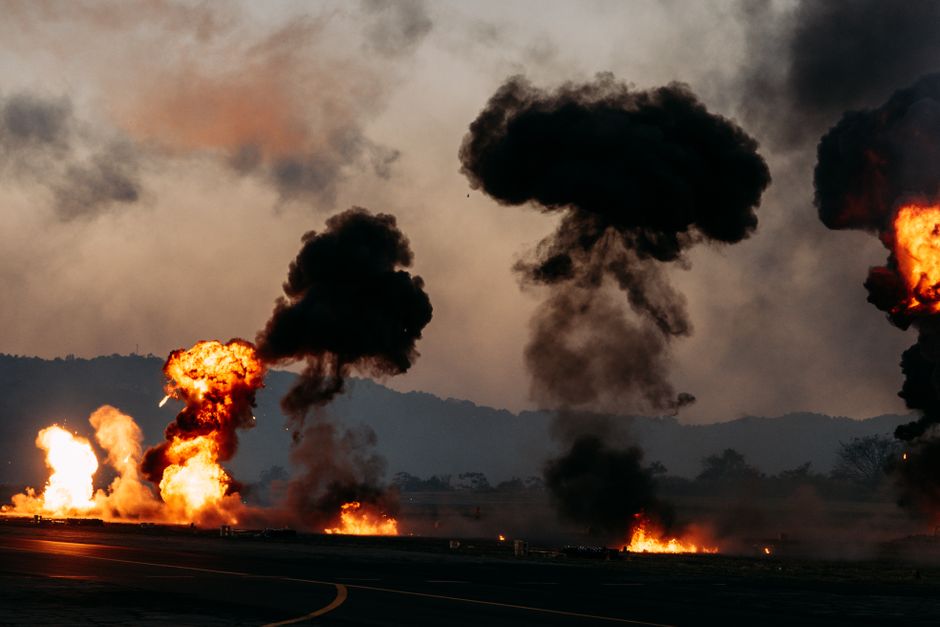
Russian Drones Attack Kyiv: Witnesses Report Explosions, Fire as Capital Under Siege
Kyiv was plunged into chaos in the pre-dawn hours as a sustained and intense barrage of Russian drone attacks targeted the Ukrainian capital. Residents awoke to the terrifying thrum of unmanned aerial vehicles overhead and the deafening concussions of explosions as air defense systems engaged the incoming threats. Witness accounts paint a grim picture of the assault, with widespread reports of fires erupting across the city, illuminating the night sky with an ominous glow. The drone offensive, characterized by its sheer scale and persistent nature, subjected Kyiv to hours of relentless bombardment, underscoring the ongoing and escalating conflict between Russia and Ukraine.
The drones, widely believed to be Iranian-made Shahed-136 "kamikaze" or "suicide" drones, were deployed in waves, designed to overwhelm Ukraine’s air defense capabilities. These loitering munitions are characterized by their distinctive engine sound and their ability to impact directly on targets, detonating upon contact. The psychological impact of these attacks is profound, as civilians endure the constant threat of falling debris and the possibility of direct hits on residential and critical infrastructure. The repeated targeting of Kyiv, the political and administrative heart of Ukraine, signals a clear intent from Moscow to demoralize the Ukrainian population and disrupt the nation’s ability to govern and resist.
Eyewitnesses described a terrifying symphony of destruction. From various districts across Kyiv, reports emerged of anti-aircraft fire erupting in the sky, followed by the thunderous booms of intercepted drones exploding or their payloads striking the ground. Social media platforms were inundated with videos and images captured by citizens, showing streaks of light from tracer rounds, plumes of smoke billowing into the darkness, and the flickering orange of flames igniting buildings. One resident of the Dnipro district recounted hearing a high-pitched whine that grew steadily louder, a sound they had come to associate with impending danger, before a powerful explosion shook their apartment building. Another witness, sheltering in a basement, described the ground trembling with each successive blast, expressing a pervasive sense of helplessness and fear.
The impact of these drone strikes was not merely auditory or visual; it translated into tangible destruction and, tragically, potential casualties. While official reports on the full extent of damage and any loss of life were still being compiled in the immediate aftermath, initial assessments indicated that several buildings had sustained damage, and emergency services were working tirelessly to respond to fires and provide assistance. The targeting of civilian areas, even if indirectly through the collateral effects of air defense engagements, raises serious concerns about Russia’s adherence to international humanitarian law. The deliberate use of drones capable of causing widespread damage in urban environments amplifies the devastating consequences for civilian populations.
Ukrainian air defense forces were reportedly highly active throughout the night, engaging the drone swarm with a combination of anti-aircraft artillery and missile systems. The constant engagement underscores the intensity of the attack and the determined efforts of Ukrainian defenders to protect their capital. The sheer number of drones deployed presented a significant challenge, pushing air defense units to their limits. The effectiveness of these defenses is crucial for minimizing casualties and damage, and their sustained operation in the face of such a persistent threat is a testament to their resilience. However, even successful interceptions can result in falling debris from destroyed drones, posing a secondary hazard to the population below.
The strategic implications of this drone offensive are multifaceted. On one hand, it serves as a potent psychological weapon, aiming to instill fear and erode morale among the Ukrainian populace. The repeated attacks on Kyiv, a symbol of Ukrainian defiance and sovereignty, are intended to convey a message of Russia’s ongoing resolve and its ability to reach deep into Ukrainian territory. Furthermore, the sustained use of drones, particularly those designed for direct impact, places significant strain on Ukraine’s resources, both in terms of ammunition for air defense and the economic cost of repairing damaged infrastructure.
On the other hand, these attacks also highlight Ukraine’s continued vulnerability to aerial assaults and the ongoing need for enhanced air defense capabilities. The reliance on Western-supplied air defense systems, while vital, is not an inexhaustible resource, and a constant influx of these sophisticated weapons is essential for maintaining effective protection. The international community’s response to such attacks, including the provision of advanced air defense systems and condemnation of Russia’s actions, plays a critical role in bolstering Ukraine’s defenses and deterring further aggression.
The types of drones employed, particularly the Shahed-136, are a significant concern. Their relatively low cost and ease of deployment make them an attractive weapon for prolonged campaigns of attrition. The "kamikaze" nature of these drones means that once launched, they are programmed to seek out and destroy their target, often with devastating effect. The prolonged flight times and ability to operate at various altitudes allow them to circumvent some air defense measures. The widespread use of these drones suggests a shift in Russian military tactics, focusing on overwhelming defenses through sheer volume and persistent pressure.
The impact on civilian life in Kyiv was immediate and pervasive. Many residents were forced to spend hours in bomb shelters or underground subway stations, their sleep disrupted and their nerves frayed. The psychological toll of living under constant threat of aerial attack cannot be overstated. The fear of waking up to the sound of explosions, the anxiety of hearing the distant whine of approaching drones, and the uncertainty of what damage might be inflicted weigh heavily on the minds of those living in the capital. The resilience of the Ukrainian people in the face of such sustained pressure is remarkable, yet the cumulative effect of these attacks undoubtedly takes its toll.
The targeting of critical infrastructure remains a consistent Russian objective throughout the conflict. While specific targets in this particular wave of attacks were not immediately confirmed, past drone assaults have aimed at energy facilities, communication networks, and other vital services, aiming to cripple Ukraine’s ability to function and wage war. The disruption of essential services can have cascading effects, impacting not only military operations but also the daily lives of civilians, creating further hardship and complicating humanitarian efforts.
The international community’s reaction to these attacks is crucial. Condemnations from world leaders and organizations are important symbolic gestures, but tangible support in the form of military aid, financial assistance, and humanitarian relief is paramount. The ongoing debate about providing Ukraine with more advanced air defense systems, such as the Patriot missile defense system, gains renewed urgency with each new aerial assault. The ability of Ukraine to defend its airspace is directly linked to its capacity to protect its citizens and its territory from further destruction.
The resilience of Kyiv, however, was evident even amidst the chaos. As dawn broke, emergency services were seen working diligently to assess damage and begin repairs. Life, in the face of adversity, attempted to reassert itself. However, the scars of the night’s bombardment remained visible, a stark reminder of the ongoing war. The drone attacks on Kyiv are not isolated incidents but part of a broader, persistent strategy by Russia to subdue Ukraine. The narrative of destruction, fire, and fear is a recurring theme in the ongoing conflict, with each attack adding another chapter to the grim reality faced by the Ukrainian people. The ability of Ukraine to withstand these assaults, with the continued support of its allies, will be a defining factor in the trajectory of this war. The relentless nature of these drone attacks underscores the urgent need for sustained international attention and robust support for Ukraine’s defense. The psychological and physical toll on the capital and its inhabitants is immense, and the fight for survival continues.
