Methane and the Climate Crisis: A Comprehensive Analysis of the World’s Second-Largest Greenhouse Gas Challenge

Methane, a potent hydrocarbon often described as the "invisible" driver of global warming, has emerged as the most critical variable in the fight against climate change. While carbon dioxide (CO2) remains the most discussed greenhouse gas due to its sheer volume and longevity in the atmosphere, methane’s unique chemical properties and its rapid escalation in the industrial era make it a primary target for immediate climate policy. As a colorless, odorless gas, methane is the core component of natural gas, serving as both a pillar of global energy systems and a significant contributor to the thermal instability of our planet.
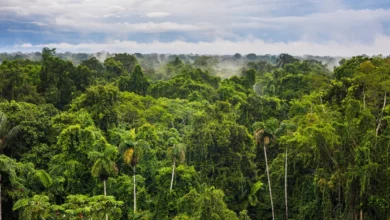
Understanding the chemical and biological origins of methane is essential to addressing its proliferation. Methane (CH4) consists of four hydrogen atoms bonded to a single carbon atom. It is produced through two primary pathways: thermogenic processes, where ancient organic matter is subjected to immense heat and pressure deep within the Earth’s crust over millions of years, and biogenic processes, known as methanogenesis. The latter occurs in oxygen-deprived environments, such as the digestive tracts of ruminant livestock, waterlogged soils in wetlands, and within the depths of landfills. While nature has historically balanced these emissions through atmospheric sinks, human industrial activity has drastically disrupted this equilibrium.

A Chronology of Rising Concentrations
The historical trajectory of methane concentration is alarming. Since the onset of the Industrial Revolution, atmospheric methane levels have surged by approximately 265 percent. In 2023, levels reached a staggering 1,934 parts per billion (ppb). This rise is not merely a consequence of increased energy production; it is the result of systemic shifts in global agriculture, waste management, and the rapid expansion of fossil fuel infrastructure.
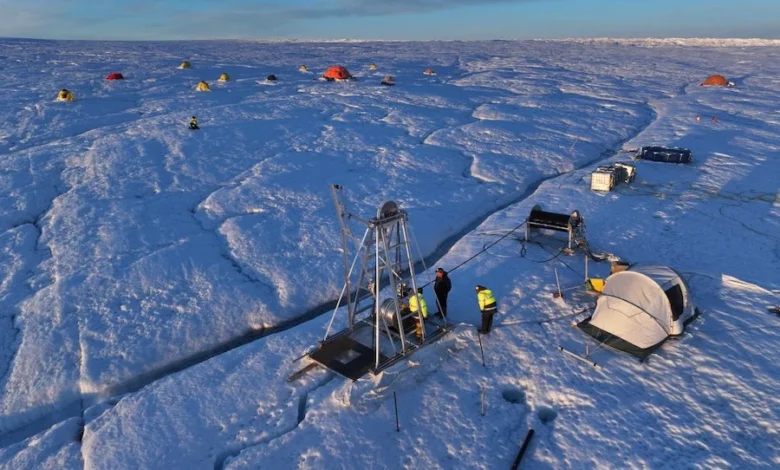
The timeline of concern began in earnest in the late 20th century, as atmospheric scientists identified methane’s disproportionate impact on global temperatures. By the early 2000s, the "methane feedback loop" became a focal point of climate research. This loop describes a dangerous cycle where warming temperatures thaw Arctic permafrost and heat tropical wetlands, triggering the release of massive, previously sequestered methane stores, which in turn accelerates further warming. Recent data indicates that this acceleration is no longer theoretical; between 2000 and 2020, wetland methane emissions rose at a rate exceeding the most pessimistic climate models, with "exceptional growth" recorded in the 2020-2021 period.
Data-Driven Assessment of Emission Sources
Global methane emissions are primarily categorized into three anthropogenic pillars: agriculture, fossil fuels, and waste management.

- Agriculture: Responsible for roughly 40 percent of human-caused methane, this sector is dominated by enteric fermentation in cattle, sheep, and goats. Ruminant livestock produce methane as a natural byproduct of digestion. Additionally, rice cultivation in flooded paddies accounts for approximately 8 percent of total anthropogenic emissions, as the anaerobic conditions facilitate microbial methane production.
- Fossil Fuels: The extraction, transport, and combustion of coal, oil, and natural gas contribute roughly 35 percent of human-caused emissions. This figure is heavily influenced by "super-emitters"—specific sites where leaks or intentional venting release massive quantities of gas. In 2022, satellite monitoring identified over 1,000 such incidents, with some individual leaks in locations like Turkmenistan rivaling the hourly greenhouse gas emissions of entire European nations.
- Waste: Landfills and wastewater treatment systems account for 20 percent of human-caused methane. As urbanization expands in developing nations, projections suggest that solid waste volume will increase by 73 percent by 2050, potentially making waste-related methane the fastest-growing source of emissions this decade.
The Measurement Paradigm: Top-Down vs. Bottom-Up
Accurately quantifying these emissions is a significant technological challenge. Traditionally, agencies like the U.S. Environmental Protection Agency (EPA) relied on "bottom-up" inventories, which calculate emissions by multiplying the number of cows, wells, or landfills by an estimated emission factor. However, recent "top-down" measurements—utilizing high-altitude aircraft and satellite sensors—have revealed that official estimates often drastically underestimate actual output. One landmark study found that U.S. oil and gas methane emissions were 60 percent higher than previous government estimates. The discrepancy highlights the prevalence of "super-emitting" events that standard reporting mechanisms fail to capture.
The "Bridge Fuel" Fallacy and Economic Implications
The role of natural gas as a "bridge fuel" has been a subject of intense debate. Proponents argue that because burning natural gas emits less CO2 than coal, it serves as a necessary transition energy source. However, this argument ignores the "leakage rate" across the supply chain. If even a small percentage of methane leaks during extraction or transport—a common occurrence in aging infrastructure—the climate-warming impact of natural gas can exceed that of coal.
Analysis from the Department of Energy and independent research organizations suggests that the global surge in Liquefied Natural Gas (LNG) infrastructure may be locking the world into long-term fossil fuel dependence. With 55 planned "methane bomb" gas fields currently under consideration, these projects threaten to cancel out the climate gains made by the transition to renewables. As energy expert and campaigner Bill McKibben has noted, the scale of current LNG expansion risks overwhelming international efforts to stabilize the global temperature.

Public Health and Environmental Externalities
Beyond its role in climate change, methane is a potent precursor to ground-level ozone. When methane reacts in the atmosphere, it contributes to the formation of smog, which is a known respiratory hazard. The World Health Organization and other public health bodies have linked methane-driven ozone pollution to approximately 500,000 premature deaths annually. Consequently, reducing methane is not only a climate imperative but a direct public health intervention. Each million metric tons of methane mitigated is estimated to prevent thousands of asthma-related emergencies and significant losses in crop yields, particularly for wheat and rice.
Official Responses and International Commitments
The 2021 COP26 summit saw the launch of the Global Methane Pledge, a commitment by 159 nations to cut global methane emissions by 30 percent from 2020 levels by 2030. While the pledge is an important diplomatic milestone, it faces a significant implementation gap. Despite the promise of mitigation, methane emissions continued to rise throughout 2023 and 2024. Critics point out that as of 2023, only 13 percent of global methane emissions were covered by binding policy frameworks. To close this gap, international bodies emphasize the need for mandatory leak detection and repair (LDAR) regulations, the phase-out of routine venting and flaring, and stricter standards for agricultural waste management.
Pathways to Mitigation
The strategy for curbing methane must be multi-faceted. In the agricultural sector, dietary shifts in wealthier nations—specifically reducing the consumption of ruminant-derived meat and dairy—offer the greatest potential for reduction. Simultaneously, technical innovations, such as the use of methane-inhibiting seaweed feed supplements for cattle and the adoption of "alternative wetting and drying" techniques in rice farming, have shown promise in reducing emissions without compromising output.

In the energy sector, the IEA estimates that 70 percent of methane emissions from oil and gas operations can be mitigated using existing technologies, with 40 percent of those cuts being cost-neutral. Simple infrastructure upgrades, such as replacing pneumatic controllers that vent gas with instrument air systems, represent low-hanging fruit for the industry.
For waste management, the transition toward a circular, zero-waste economy is the primary objective. By diverting organic waste from landfills to composting facilities and upgrading wastewater treatment plants to include anaerobic digestion, nations can transform a source of pollution into a source of renewable energy.
Broader Impact and Future Outlook
The urgency of addressing methane is underscored by its relatively short atmospheric lifespan of approximately 12 years. Unlike CO2, which persists for centuries, reducing methane emissions yields immediate results in slowing the rate of global heating. The IPCC has identified methane reduction as the single most effective strategy to limit global warming to 1.5 degrees Celsius over the next two decades.

The implications of failure are dire. The interaction between methane emissions and climate feedback loops—such as the thawing of Arctic permafrost—suggests that if humanity fails to act within this narrow window, the process of warming could become self-sustaining and irreversible. Conversely, aggressive action on methane serves as a powerful "force multiplier" in the broader climate fight. By tackling the leaks, the waste, and the inefficient agricultural practices that characterize the modern era, the global community can buy the critical time needed to decarbonize the global energy grid and secure a more stable climate future. The challenge is no longer a lack of technology or data; it is a question of political will and the systemic realignment of industrial incentives to prioritize atmospheric stability over short-term resource extraction.