
TSMC Addresses Rumors Regarding Partnership with Elon Musk’s Terafab Initiative and AI Chip Production Capacity

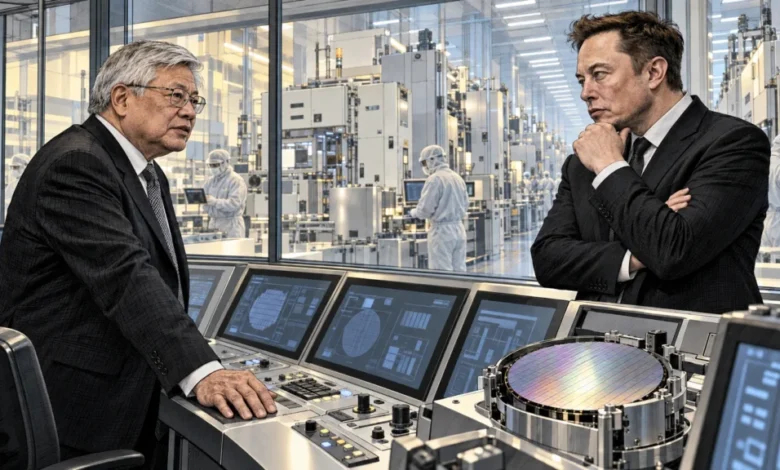
Taiwan Semiconductor Manufacturing Company (TSMC) has officially addressed ongoing industry speculation regarding a potential manufacturing partnership with Elon Musk’s ambitious semiconductor initiative, Terafab. In recent statements, world-leading foundry executives clarified their current stance on supplying advanced chip manufacturing capacity to the multi-billion-dollar project, shedding light on the broader global supply chain dynamics shaping the artificial intelligence and high-performance computing sectors.
The dialogue surrounding a potential collaboration intensified after recent disclosures highlighted Terafab’s massive infrastructure roadmap. Designed to support the explosive computational demands of next-generation AI applications, autonomous systems, and space exploration hardware, Terafab has emerged as a central talking point across global technology markets. As industry analysts monitor the intersection of traditional semiconductor giants and hyper-scale technology ventures, TSMC’s leadership has stepped forward to delineate the boundaries of their current operational commitments and future strategic outlook.
Origins and Scope of the Terafab Initiative
The concept of Terafab—frequently linked to Elon Musk’s broader technological ecosystem, including SpaceX and xAI—centers on creating ultra-scale fabrication capabilities tailored specifically to address persistent hardware bottlenecks in the artificial intelligence sector. Traditional semiconductor supply chains have faced unprecedented strain as demand for advanced graphics processing units (GPUs) and specialized AI accelerators skyrockets. In response, visionaries within the tech industry have proposed massive vertical integration models aimed at bypassing conventional foundry constraints.
Elon Musk’s enterprise envisions a localized, highly optimized semiconductor manufacturing framework designed to secure dedicated wafer allocation for mission-critical hardware. However, building a state-of-the-art semiconductor fabrication plant (fab) requires immense capital expenditure, specialized engineering expertise, and years of meticulous supply chain coordination. Consequently, rather than immediately establishing entirely independent greenfield foundries from scratch, emerging AI hardware ventures must initially rely on established foundry ecosystems to meet their short-to-medium-term production quotas.
TSMC Clarifies Position Amid Market Speculation
Addressing the persistent rumors during a recent legal and financial briefing, TSMC representatives emphasized that while the company maintains an open and collaborative approach with global innovators, its primary focus remains maximizing output for its existing, long-term tier-one clientele. TSMC executives noted that the company is currently operating at near-full capacity to satisfy surging orders from industry titans such as NVIDIA, Apple, and AMD, leaving limited room for immediate, large-scale reallocation of advanced node capacity.
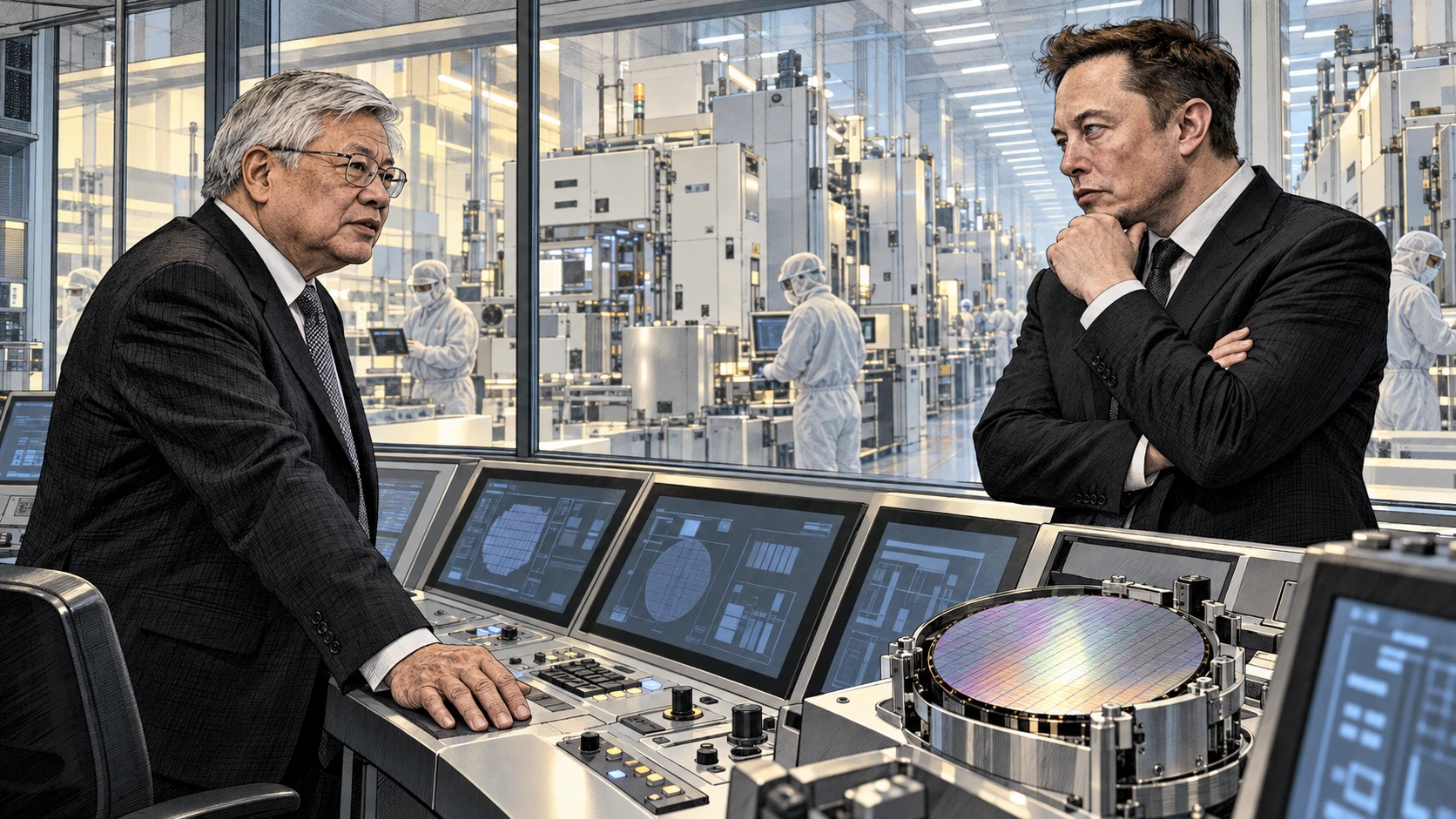
Market analysts have pointed out that TSMC is the backbone of modern advanced computing, manufacturing the vast majority of the world’s sub-7-nanometer and sub-3-nanometer chips. While TSMC has occasionally engaged in exploratory discussions with various technological stakeholders regarding collaborative manufacturing models, any prospective partnership with Terafab would require careful balancing against existing customer commitments and multi-year supply agreements.
Furthermore, industry observers highlight that TSMC’s massive capital investments in international expansion—including multi-billion-dollar fabs in Arizona, Japan, and Germany—are heavily integrated into pre-existing strategic roadmaps. Diverting significant resources to accommodate a new hyper-scale foundry partner without disrupting current delivery timelines presents logistical and financial challenges.
Chronology of Events and Public Disclosures
The discourse surrounding the potential TSMC-Terafab collaboration has evolved rapidly over recent months, marked by several key milestones:
- Mid-2024: Discussions regarding the severe global shortage of advanced AI chips prompt tech industry leaders to explore alternative manufacturing paradigms, laying the conceptual groundwork for the Terafab initiative.
- October 7: Public disclosures on social media platforms highlight preliminary discussions between representatives of Musk’s ecosystem and major semiconductor foundries, sparking widespread market speculation regarding potential fab partnerships.
- October 15: TSMC leadership formally addresses the rumors during a corporate earnings call, clarifying that while the company values technological innovation and maintains dialogue with numerous industry players, its immediate operational capacity is fully committed to servicing its established customer base.
- Subsequent Weeks: Financial markets and semiconductor analysts continue to evaluate the long-term feasibility of independent high-end fabrication vs. reliance on established foundry giants, examining how entities like Intel and TSMC will navigate the shifting AI hardware landscape.
Broader Industry Implications and Future Outlook
The discussions surrounding Terafab and its potential relationship with TSMC underscore a pivotal transitional phase in the global semiconductor industry. As artificial intelligence models scale exponentially, the demand for high-performance silicon has transformed chips from commoditized hardware components into critical geopolitical and economic assets.
Independent analyses suggest that while ventures like Terafab represent a bold step toward mitigating future supply chain vulnerabilities, the reality of semiconductor manufacturing dictates a cooperative approach. Building a competitive leading-edge fab requires decades of accumulated process know-how, thousands of specialized patents, and an intricate ecosystem of chemical, optical, and equipment suppliers. Even with substantial financial backing, new entrants often find that partnering with established foundries like TSMC is an indispensable step during early-stage scaling.
As the technology sector navigates these structural shifts, market participants will continue to monitor how major foundries manage their capacity allocations amidst unrelenting AI-driven demand. Whether Terafab ultimately develops into a direct competitor, a specialized captive foundry, or an integrated partner within the existing semiconductor ecosystem remains one of the most closely watched storylines in global technology.