Methane, a colorless and odorless hydrocarbon, has emerged as one of the most critical variables in the global effort to mitigate the climate crisis. While carbon dioxide (CO2) often dominates the headlines regarding greenhouse gas emissions, methane (CH4) is increasingly recognized by the scientific community as a "super pollutant" with a warming potential far exceeding that of its carbon counterpart in the short term. As the primary component of natural gas—which currently generates approximately 25 percent of the world’s electricity—methane exists at the intersection of global energy security and environmental preservation. Composed of one carbon atom and four hydrogen atoms, methane is abundant in nature, formed through both geological and biological processes. Geologically, it is the product of millions of years of heat and pressure applied to organic matter deep within the Earth. Biologically, it is produced through methanogenesis, an anaerobic respiration process carried out by microorganisms known as archaea, which thrive in oxygen-free environments like wetlands, landfills, and the digestive tracts of livestock.
Scientific Measurement and the Reality Gap
The accuracy of methane measurement is fundamental to climate policy, yet recent data suggests a significant discrepancy between reported emissions and atmospheric reality. Scientists employ two primary methodologies for tracking methane: "bottom-up" and "top-down" assessments. The bottom-up approach involves ground-level estimations, where emissions are calculated by multiplying the number of sources—such as heads of cattle or oil wells—by an average emission factor. While useful for localized planning, this method frequently overlooks "super-emitter" events—massive, unintended leaks caused by equipment failure or improper venting.

Conversely, top-down measurement utilizes aerial surveillance, high-altitude platforms, and advanced satellite technology. Organizations such as the Environmental Defense Fund and GHGSat have revolutionized this field, using sensors to detect methane plumes from space. These direct measurements often paint a more sobering picture than government inventories. A landmark study revealed that methane emissions from U.S. oil and gas operations were approximately 60% higher than estimates provided by the Environmental Protection Agency (EPA). This "reality gap" underscores the necessity of satellite monitoring in identifying the 5% of leaks that are responsible for more than half of all gas-industry emissions.
A Chronology of Atmospheric Accumulation
The trajectory of atmospheric methane concentrations provides a clear record of the Industrial Revolution’s impact on the Earth’s systems. Before the mid-18th century, methane levels were relatively stable, as natural sinks—primarily soil and chemical reactions in the troposphere—balanced out natural emissions. However, human activity has since disrupted this equilibrium.
- Pre-Industrial Era: Atmospheric methane levels stood at approximately 722 parts per billion (ppb).
- 1900–1950: Intensifying agriculture and the dawn of the fossil fuel age triggered a steady climb.
- 2000–2020: Despite a brief plateau in the early 2000s, emissions surged due to expanded hydraulic fracturing (fracking) and tropical wetland expansion.
- 2023: Concentrations reached a record 1,934 ppb, representing a 265% increase over pre-industrial levels.
Currently, human activities are responsible for roughly 60% of total methane emissions. Because methane persists in the atmosphere for only about 12 years—compared to the centuries-long lifespan of CO2—it presents a unique opportunity. Reducing methane today can lead to a rapid slowdown in global heating within our lifetimes, providing a "brake" for the climate system while longer-term CO2 reductions take effect.

The Triad of Human-Driven Sources
Three sectors dominate the anthropogenic methane profile: agriculture, fossil fuels, and waste management.
Agriculture: The Leading Contributor
Accounting for roughly 40% of human-caused methane, agriculture is the largest single source. The majority of these emissions stem from enteric fermentation in ruminant livestock. As cows, sheep, and goats digest fibrous plants, archaea in their stomachs produce methane, which is then released primarily through belching. Livestock production alone accounts for 32% of anthropogenic methane. Additionally, rice cultivation contributes roughly 8% of emissions, as flooded paddies create the perfect anaerobic conditions for methane-producing microbes.
Fossil Fuels: The Energy Leak
The extraction and transport of coal, oil, and gas contribute 35% of human-caused methane. In the oil and gas sector, methane is lost through "venting" (the intentional release of gas for safety or disposal) and "fugitive emissions" (unintentional leaks). Coal mining is similarly problematic; methane trapped within coal seams is released during the mining process and continues to leak from abandoned mines.

Waste Management: The Hidden Emitter
Landfills and wastewater treatment systems contribute approximately 20% of human-caused methane. As organic waste—such as food scraps and paper—decomposes in the oxygen-starved environment of a landfill, it releases significant quantities of gas. Projections indicate that as global populations grow and urbanization increases, solid waste volumes will rise by 73% by 2050, potentially making the waste sector the fastest-growing source of methane emissions.
Climate Feedback Loops and Natural Tipping Points
While human activity drives the majority of current increases, the climate crisis is beginning to trigger "natural" methane releases that humans cannot easily control. This phenomenon, known as a positive feedback loop, occurs when initial warming causes the Earth to release even more greenhouse gases, further accelerating the warming.
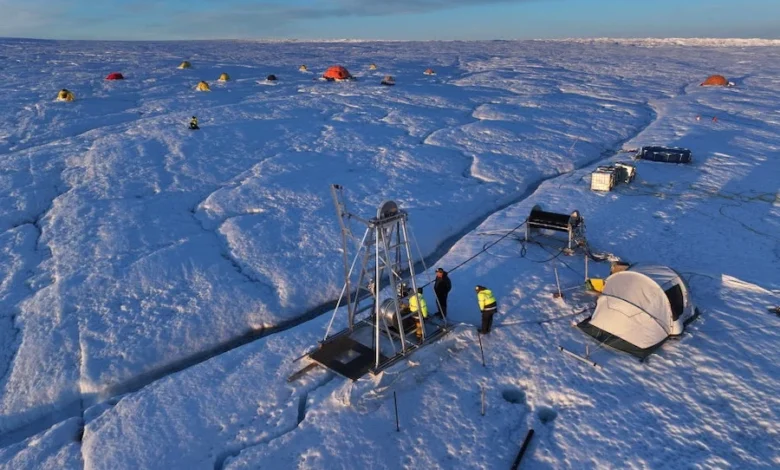
The most concerning of these is the "wetland methane feedback." As global temperatures rise and rainfall patterns shift, tropical wetlands are expanding and becoming more biologically active, releasing methane at rates that exceed even the most pessimistic scientific models. In the Arctic, the thawing of permafrost—ground that has been frozen for millennia—is unfreezing ancient organic matter. As this matter decomposes, it releases methane and CO2. The Arctic currently holds 2.5 times more carbon underground than is present in the entire atmosphere; should this "carbon bomb" be fully released, it would represent an irreversible tipping point in the global climate system.

The "Bridge Fuel" Controversy and LNG
For years, the energy industry has promoted natural gas as a "bridge fuel" that could help transition the world from coal to renewables. The argument is based on the fact that natural gas emits roughly half as much CO2 as coal when burned at a power plant. This narrative fueled a massive expansion in Liquefied Natural Gas (LNG) infrastructure, particularly in the United States, which became the world’s leading exporter by 2022.
However, recent life-cycle analyses have debunked the bridge fuel myth. Because methane is so much more potent than CO2—trapping 86 times more heat over a 20-year period—even small leaks in the supply chain can negate the benefits of switching from coal. Research published in 2023 suggests that if the leak rate exceeds 0.2%, natural gas becomes as damaging to the climate as coal. When accounting for the energy-intensive process of liquefying and shipping gas across oceans, some studies find that LNG may have a 33% greater global warming potential than coal over a 20-year horizon.
Public Health and Environmental Implications
The impact of methane extends beyond temperature rise; it is also a precursor to ground-level ozone, a primary component of smog. Unlike the protective ozone layer in the stratosphere, ground-level ozone is a toxic air pollutant. Methane-generated ozone is responsible for approximately 500,000 premature deaths annually due to respiratory and cardiovascular diseases.

Beyond human health, ozone is detrimental to global food security. It enters the pores of plants and interferes with photosynthesis, leading to reduced agricultural yields. Scientists estimate that every million metric tons of methane reduced would not only save thousands of lives but also prevent the loss of 145,000 metric tons of essential crops like wheat, soy, and rice.
Strategies for Mitigation and Global Policy
The Intergovernmental Panel on Climate Change (IPCC) has stated that methane emissions must be reduced by 34% by 2030 to keep the 1.5°C warming target within reach. Achieving this requires a multi-pronged approach:
- Technical Fixes in Energy: The International Energy Agency (IEA) estimates that 70% of methane emissions from oil and gas could be eliminated using existing technology, with 40% of those cuts achievable at no net cost. This includes replacing leaky valves, eliminating routine venting, and using satellites for rapid leak detection.
- Agricultural Innovation: Solutions range from "Alternative Wetting and Drying" in rice paddies to the use of feed additives like seaweed (Asparagopsis), which can reduce enteric methane in cattle by over 80%.
- Circular Waste Systems: Diverting organic waste from landfills toward composting or anaerobic digesters can turn a liability into an asset, capturing methane for use as a renewable fuel source while preventing its release into the atmosphere.
On the international stage, the Global Methane Pledge, launched at COP26, remains the primary vehicle for political action. With 159 signatory nations committed to a 30% reduction by 2030, the framework for progress exists. However, as of 2024, an "implementation gap" remains. While pledges have increased, actual atmospheric concentrations continue to hit record highs.

Conclusion: The Urgency of the Current Decade
The story of methane is one of both extreme risk and significant opportunity. As a "fast-acting" greenhouse gas, methane provides humanity with a unique lever. While the transition away from CO2-heavy infrastructure will take decades, methane reductions can yield nearly immediate results in stabilizing global temperatures. The path forward requires a transition from voluntary pledges to mandatory enforcement, utilizing 21st-century satellite technology to hold emitters accountable. By addressing methane with the same urgency as carbon dioxide, the global community can buy the time necessary to facilitate a broader, just transition to a sustainable energy and food future. The choices made regarding methane in the next five years will likely determine whether the goals of the Paris Agreement remain a possibility or become a relic of history.