New York Becomes First U.S. State to Formally Mandate All-Electric Requirements for New Building Construction

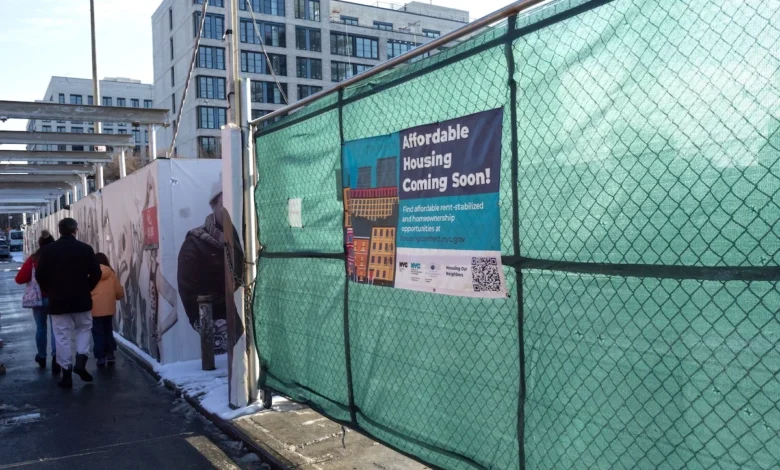
In a landmark shift for the American energy landscape, New York has officially become the first state in the nation to finalize a ban on fossil fuel equipment in most new construction projects. Following the final approval by the New York State Fire Prevention and Building Code Council in late July 2025, the state is moving forward with a phased implementation of the All-Electric Buildings Act. This mandate requires that most new residential and commercial structures transition away from natural gas, propane, and oil hookups in favor of electric alternatives like heat pumps and induction stoves. The decision marks a significant milestone in New York’s broader strategy to meet the aggressive climate targets set by the Climate Leadership and Community Protection Act (CLCPA), which aims for an 85% reduction in greenhouse gas emissions by 2050.
The finalized regulations represent the culmination of years of legislative debate and legal maneuvering. While several cities, including New York City and San Francisco, have previously passed local ordinances restricting gas hookups, New York is the first to apply such a standard at the state level through its building and energy codes. Proponents of the measure argue that the move is essential for public health and climate stability, while critics from the fossil fuel and real estate industries continue to raise concerns regarding grid reliability and initial installation costs.
The Phased Implementation Timeline
The All-Electric Buildings Act does not apply to existing structures but sets a strict timeline for new permit applications. The mandate is divided into two primary phases based on building size and usage.
Starting December 31, 2025, the first phase of the mandate takes effect. This phase covers new residential buildings up to seven stories tall, as well as new commercial and industrial buildings that are less than 100,000 square feet. Developers submitting permit applications for these projects on or after the New Year’s Eve deadline must ensure the designs are 100% electric. This includes the installation of electric heat pumps for space heating and cooling, electric water heaters, and electric appliances for cooking and clothes drying.
The second phase, scheduled to begin in 2029, expands the requirement to all new commercial and industrial buildings regardless of size, including skyscrapers and large-scale manufacturing facilities exceeding 100,000 square feet. This staggered approach is intended to give the construction industry and the electrical grid time to adapt to the higher demands of larger-scale electrification.
Environmental and Public Health Imperatives
The primary driver behind the All-Electric Buildings Act is the urgent need to decarbonize the "built environment." According to data from the New York State Department of Environmental Conservation (DEC), buildings are the single largest source of greenhouse gas emissions in the state, accounting for approximately 31% of New York’s total carbon footprint. Most of these emissions result from the on-site combustion of fossil fuels for heating and hot water.
Beyond carbon emissions, health advocates have long pointed to the indoor air quality benefits of electrification. Gas stoves, in particular, have been linked to the release of nitrogen dioxide (NO2) and fine particulate matter (PM2.5), which can exacerbate respiratory conditions such as asthma. A study published in the International Journal of Environmental Research and Public Health suggested that nearly 13% of childhood asthma cases in the U.S. could be attributed to gas stove use. By mandating electric induction cooktops in new homes, New York officials aim to significantly reduce these health risks for future residents.
Economic Analysis: Construction Costs and Utility Savings
One of the most contentious points of the debate has been the financial impact on homeowners and developers. However, recent data suggests that the transition to all-electric construction may be more cost-effective than previously assumed. According to a report by the New Buildings Institute (NBI), building a new, all-electric single-family home in New York can actually save between $7,500 and $8,200 in initial construction costs. These savings largely stem from the elimination of gas piping, meters, and the associated labor required to connect a building to the fossil fuel infrastructure.
For residents, the long-term economic outlook is also positive. Analysis from Canary Media and environmental advocacy groups indicates that all-electric homes could reduce energy usage by approximately 17%. Over a 30-year period, this efficiency is projected to save the average New York household nearly $5,000 in utility bills. Modern air-source heat pumps are significantly more efficient than traditional gas furnaces, often providing three to four units of heat for every unit of electricity consumed.

Legal Challenges and the "Berkeley Precedent"
The path to finalization was fraught with legal obstacles. Fossil fuel interest groups and building trade associations challenged the All-Electric Buildings Act in court, citing a 2023 ruling by the U.S. Court of Appeals for the Ninth Circuit. In that case, California Restaurant Association v. City of Berkeley, the court overturned Berkeley’s gas ban, ruling that it was preempted by the federal Energy Policy and Conservation Act (EPCA), which gives the federal government authority over the energy efficiency of appliances.
However, in July 2025, the U.S. District Court for the Northern District of New York ruled in favor of the state. The court determined that New York’s law was structured differently than Berkeley’s. While Berkeley attempted to ban the use of gas, New York’s mandate is integrated into the state’s building and energy codes, which regulate the design and construction of buildings—an area traditionally managed by state governments. Despite this victory, industry groups have reportedly petitioned the U.S. Department of Justice to intervene, suggesting that the legal battle may continue in higher courts.
Industry Reactions and Official Statements
The finalization of the code has drawn sharp reactions from across the political and economic spectrum. Environmental justice organizations have hailed the decision as a victory for marginalized communities who often bear the brunt of pollution.
Dawn Wells-Clyburn, executive director of PUSH Buffalo, emphasized the social impact of the ruling: “The fossil fuel industry was sent a powerful message by the court in this case—the health, well-being, affordability, and prosperity of our communities matters more than the industry’s profits and the hollowness of its fear-mongering.”
Similarly, Alex Beauchamp, Northeast region director at Food & Water Watch, noted the significance of grassroots organizing in overcoming industry lobbying. “When New Yorkers come together… we can win even in the face of opponents with an almost-limitless budget,” Beauchamp told Canary Media. “That is how we won this bill. It’s also how we are going to continue the fight to get fossil fuels out of all the existing buildings in the state.”
Conversely, some industry representatives expressed concern over the "all-or-nothing" approach. Groups representing the restaurant industry, in particular, fought for exemptions, arguing that certain types of commercial cooking require the high, immediate heat of gas flames. Real estate developers have also voiced concerns about the capacity of the electrical grid to handle the increased load during peak winter months.
Strategic Exemptions and Special Cases
To address some of the technical and economic concerns, the All-Electric Buildings Act includes several specific exemptions. These carve-outs are designed for facilities where electrification is currently deemed technically unfeasible or where gas is essential for specific industrial or safety processes. Exemptions include:
- Commercial Kitchens and Restaurants: Establishments primarily engaged in food preparation are currently exempt from the cooking equipment requirements.
- Medical and Laboratory Facilities: Hospitals and research labs that require highly specific temperature controls or backup power systems are permitted to use fossil fuels where necessary.
- Emergency Infrastructure: Backup power generators for critical infrastructure remain outside the scope of the ban.
- Agricultural Buildings: Structures used for farming operations may be exempt if electric alternatives do not meet operational needs.
- Crematoriums and Laundromats: Specific industrial-scale heating needs in these sectors allowed for temporary or permanent exemptions under certain criteria.
Broader Implications and the Future of the Grid
As New York transitions its building stock to electricity, the focus shifts to the reliability and "greenness" of the electrical grid. For the mandate to truly achieve its climate goals, the electricity powering these new heat pumps must come from renewable sources. New York is currently investing billions in offshore wind, solar arrays, and hydroelectric power to replace aging fossil fuel power plants.
The New York Independent System Operator (NYISO), which manages the state’s power grid, has noted that as the state moves toward winter-peaking demand (due to electric heating), significant investments in energy storage and transmission will be required. The 2025 mandate acts as a catalyst for these infrastructure upgrades, signaling to utilities and investors that the future of New York’s energy economy is undeniably electric.
The success of New York’s policy will likely serve as a blueprint for other states considering similar measures. With Washington and California watching closely, the Empire State’s bold move marks a definitive turning point in the national effort to decouple economic growth from fossil fuel consumption. While legal and logistical hurdles remain, the finalization of the All-Electric Buildings Act ensures that the next generation of New York’s skyline will be built on a foundation of clean energy.