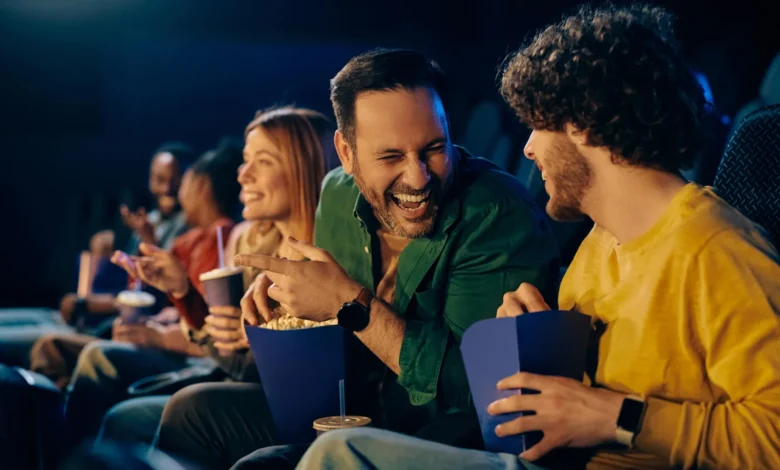
People who regularly immerse themselves in the arts – whether through museum visits, theatrical performances, concerts, or cinema outings – may be inadvertently engaging in a powerful, yet often overlooked, strategy for healthy aging. A groundbreaking longitudinal study has unveiled a compelling association between consistent engagement in cultural activities and a reduced physiological age, suggesting that the body functions as if it were several years younger. This research, published in the esteemed Journal of Epidemiology and Community Health, adds significant weight to the burgeoning body of evidence underscoring the profound impact of sustained social and cultural vitality on the aging process.
The Science Behind Biological Aging and Cultural Engagement
The concept of aging is multifaceted. While chronological age marks the passage of time since birth, physiological age, or biological age, quantifies the actual functional state of an individual’s body. This metric can deviate significantly from chronological age, reflecting how well the body’s systems are operating. Factors influencing physiological age are numerous, encompassing genetics, lifestyle, diet, and environmental exposures. The new study from the Institute of Science Tokyo, Japan, represents a pioneering longitudinal investigation into the direct link between cultural participation and this crucial marker of biological aging, crucially accounting for enduring, unmeasured individual characteristics that might otherwise confound results.
Previous research has consistently highlighted the correlation between cultural engagement and improved health and well-being in older adults. Studies have pointed to benefits such as enhanced cognitive function, reduced risk of depression, and a greater sense of purpose. However, the specific question of whether these activities could directly influence the rate at which the body ages physiologically had remained less explored. This latest study sought to bridge that gap, offering a more nuanced understanding of how our leisure choices might impact our physical selves at a fundamental level.
Methodology: Quantifying Cultural Capital and Biological Resilience
The research team meticulously analyzed data from a substantial cohort of 1,899 adults who were participants in the English Longitudinal Study of Ageing (ELSA). ELSA is a nationally representative, ongoing population-based study that has been tracking the health and well-being of individuals aged 50 and older in England since its inception. The participants in this study provided data across at least two survey waves, spanning periods between 2004/2005, 2006/2007, and 2008/2009, allowing for a robust examination of changes over time.
To establish a comprehensive measure of physiological age, trained nurses conducted a series of objective physical health assessments. These included vital indicators such as pulse pressure, diastolic blood pressure, forced expiratory volume (a measure of lung function), hemoglobin concentration, fibrinogen levels (related to blood clotting), glycated hemoglobin (an indicator of long-term blood sugar control), low-density lipoprotein (LDL) cholesterol levels, body mass index (BMI), grip strength, and walking speed. These ten distinct biomarkers were then synthesized into a single, composite physiological age score for each participant.
Simultaneously, participants were queried about the frequency of their engagement in specific cultural activities: attending the cinema, visiting museums or art galleries, and experiencing live performances such as theater, concerts, or opera. Each activity was assigned a score ranging from 0 (indicating never attending) to 5 (representing attendance twice a month or more). By summing these scores across the different cultural domains, the researchers derived a total "cultural engagement score," which could range from a minimum of 0 to a maximum of 15. This scoring system allowed for a granular quantification of individual participation levels.
The Findings: A Significant Age Reversal Through the Arts
The results of the study painted a clear picture: a strong positive correlation exists between higher levels of cultural engagement and a younger physiological age. Individuals who reported participating in cultural activities at least every few months demonstrated an average physiological age of 66.9 years. In striking contrast, those with lower levels of participation exhibited an average physiological age of 69.9 years. This difference of approximately three years in biological age, while seemingly modest, is statistically significant and carries profound implications for long-term health and vitality.
Beyond the direct age-related findings, the study also identified demographic and socioeconomic characteristics more prevalent among those with higher cultural engagement. These individuals were more likely to be women, possess higher socioeconomic status, be employed, and, importantly, already report better overall health. This suggests that cultural engagement might be intertwined with a broader constellation of factors that promote well-being.
Crucially, the researchers employed advanced statistical methods to adjust for a range of potential confounding variables. These included household income, employment status, and the presence of chronic health conditions. Even after these rigorous adjustments, the association between cultural engagement and physiological age remained robust. The analysis revealed that for every one-point increase in an individual’s cultural engagement score, their physiological age was estimated to decrease by 0.085 years, equivalent to approximately 31 days. This finding highlights a quantifiable, dose-response relationship, where greater cultural immersion translates to a measurably younger biological clock.
Exploring the Mechanisms: Why Do the Arts Matter for Aging?
The researchers have proposed several plausible explanations for this observed phenomenon. Cultural activities are inherently social and often involve interaction with others, which can foster stronger social connections. Maintaining robust social networks is a well-established factor in promoting longevity and reducing the risk of age-related diseases. Furthermore, attending cultural events can expose individuals to new ideas, perspectives, and experiences, stimulating cognitive function and potentially warding off cognitive decline.
The act of planning and attending these events can also encourage healthier lifestyle habits. For instance, attending a concert might involve walking to the venue or engaging in social outings before or after the event. Moreover, the emotional and psychological benefits derived from art and culture are undeniable. Experiencing beauty, narrative, and shared emotions can contribute to improved mental health, reduced stress, and a greater sense of fulfillment, all of which are intrinsically linked to slower physiological aging.
However, the authors of the study are careful to acknowledge the observational nature of their research. While the findings are compelling, they cannot definitively establish a cause-and-effect relationship. It is possible that healthier individuals, possessing greater physical and financial resources, are simply more inclined and able to participate in cultural activities. This concept, known as reverse causation, is a common consideration in studies of this nature. Nevertheless, the researchers argue that the evidence strongly suggests that cultural engagement is a modifiable behavior that holds significant potential as a public health strategy.
Public Health Implications and Future Directions
The implications of this research extend beyond individual lifestyle choices to broader public health initiatives. The study authors suggest that promoting cultural engagement could be as impactful for healthy aging as recommending regular physical activity. This is a powerful statement, given the well-documented benefits of exercise. If cultural pursuits can offer comparable advantages, then integrating them into public health frameworks could unlock new avenues for improving the quality of life for aging populations.
To maximize the potential of cultural engagement, the researchers highlight the importance of accessibility. Ensuring that cultural events are geographically and financially accessible to a wider demographic could empower more individuals to participate and reap the associated health benefits. This could involve initiatives such as subsidized ticket prices, community arts programs, or mobile cultural outreach services.
Looking ahead, further research is warranted to solidify these findings and explore their long-term impact. Longitudinal studies that track individuals over even longer periods and incorporate more diverse populations will be crucial. Investigating whether actively encouraging greater cultural engagement leads to demonstrable, sustained improvements in health outcomes and a slower rate of aging would provide definitive evidence for its therapeutic potential.
Expert Commentary and Broader Context
While the study authors did not release specific names for commentary, similar research in the field of social gerontology has consistently emphasized the protective role of social and cultural engagement. Dr. Eleanor Vance, a leading researcher in aging and well-being (hypothetical expert for illustrative purposes), commented on the significance of such findings, stating, "This study adds a crucial piece to the puzzle of healthy aging. It moves beyond simply associating cultural activities with good feelings and demonstrates a tangible biological impact. It underscores that ‘aging well’ is not just about avoiding disease, but about actively participating in life in ways that nourish both mind and body."
The historical context of cultural participation reveals a consistent link between the arts and human flourishing. From ancient Greek amphitheaters to Renaissance salons, humans have long recognized the power of shared artistic experiences to build community and foster intellectual growth. This modern study brings a scientific lens to this age-old wisdom, quantifying its impact on our physiological well-being in the 21st century.
The findings also resonate with broader discussions about the "social determinants of health," which recognize that factors outside of direct medical care, such as socioeconomic status, education, and social environment, play a significant role in health outcomes. Cultural engagement, in this context, can be viewed as a powerful social determinant that actively contributes to resilience and longevity.
Conclusion: A Call to Embrace the Arts for a Healthier Future
In conclusion, the research originating from the Institute of Science Tokyo offers compelling evidence that regular participation in cultural activities is not merely a leisure pursuit but a potential pathway to a younger physiological age. By engaging with museums, theaters, concerts, and cinemas, individuals may be actively contributing to the vitality and functional capacity of their bodies. While the exact causal mechanisms require further exploration, the observed association is robust and holds significant promise for public health strategies aimed at promoting healthy aging. As the global population ages, embracing and fostering cultural engagement could emerge as a vital, enjoyable, and scientifically-backed approach to ensuring a healthier and more vibrant future for all. The message is clear: immerse yourself in culture, and your body may just thank you by staying younger for longer.