Mitsubishi Delica, RAV4 Convertible, Lancer Evo Wagon: The Dopest Cars I Found For Sale Online

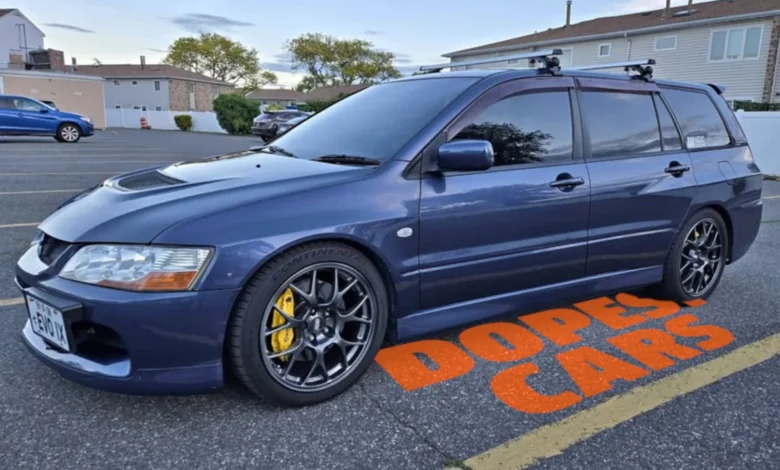
The Evolution of the Performance Wagon: The 2006 Mitsubishi Lancer Evolution IX Wagon
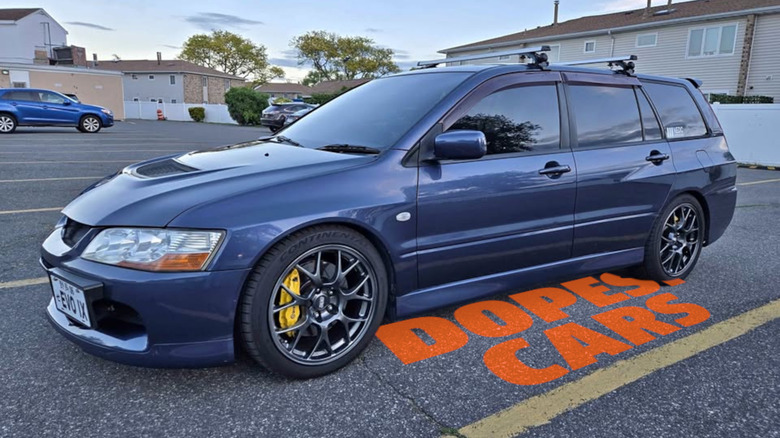
At the pinnacle of the current enthusiast market is the 2006 Mitsubishi Lancer Evolution IX Wagon, an exceptionally rare vehicle that represents the final iteration of the legendary CT9W chassis. While the Lancer Evolution sedan gained global fame through its dominance in the World Rally Championship, the wagon variant remained a strictly Japanese affair during its production run. Only approximately 2,500 units were produced globally, making it a high-value target for collectors now that it is approaching eligibility for international markets.
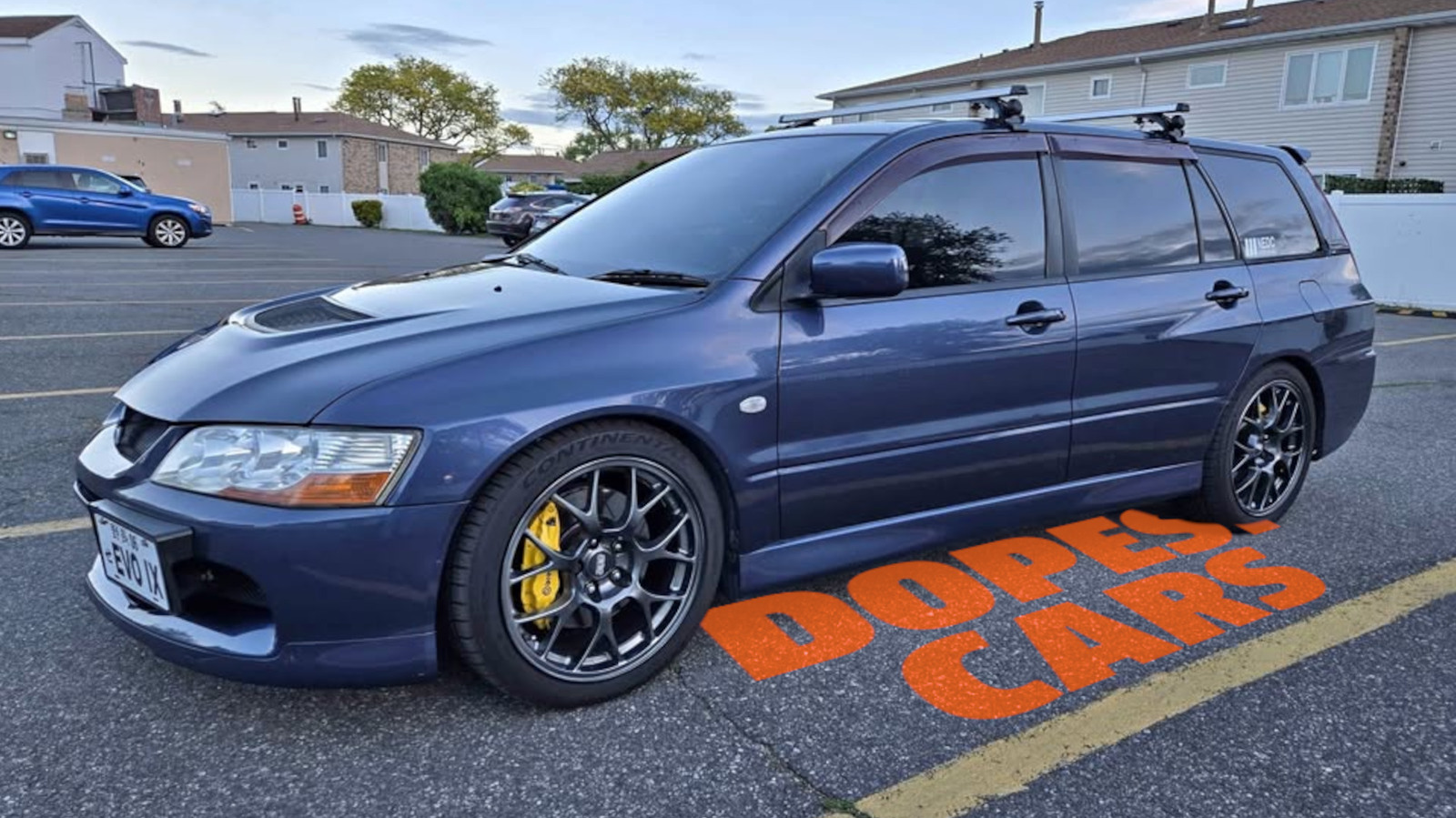
Mechanically, the Evolution IX Wagon retains the core components that defined the sedan’s performance: the 2.0-liter 4G63 turbocharged inline-four engine equipped with MIVEC (Mitsubishi Innovative Valve timing Electronic Control) technology. This specific listing features a six-speed manual transmission, a configuration found in roughly half of the total production run, as many wagons were equipped with a five-speed automatic. The inclusion of an Active Center Differential (ACD) and a limited-slip differential ensures that the wagon’s handling characteristics remain consistent with its rally-bred siblings. This particular example, finished in Deep Blue Pearl, illustrates the increasing trend of "functional" performance cars—vehicles that offer supercar-adjacent acceleration and handling while providing the utility of a five-door estate.
Off-Road Versatility and the JDM Van Craze: 1992 Mitsubishi Delica Exceed
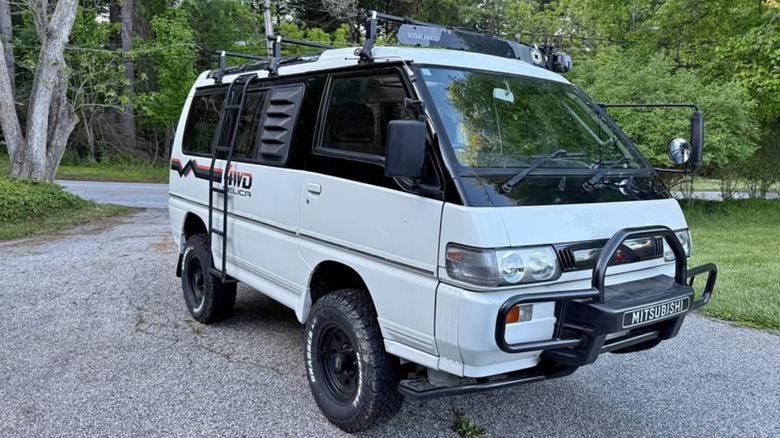
The Mitsubishi Delica has transitioned from a utilitarian transport vehicle in Asia to a cult icon in North America’s overlanding and van-life communities. The 1992 Delica Exceed "Crystal Lite" model remains one of the most sought-after iterations due to its unique glass-paneled roof and rugged 4WD system, which is largely derived from the Mitsubishi Pajero (Montero).
Equipped with the 4D56 2.5-liter turbo-diesel engine, the Delica is prized more for its torque and durability than its highway speed. The "Crystal Lite" roof features electric sunshades and multiple glass panels, providing an airy interior cabin that was ahead of its time in the early 1990s. Enthusiasts frequently modify these vans with suspension lifts and larger tires to enhance their off-road capability. A common modification seen in the enthusiast community is the "Montero brake swap," which utilizes larger calipers and rotors from Mitsubishi’s flagship SUV to improve the stopping power of the heavy, high-profile van. This trend highlights the cross-compatibility of Mitsubishi’s robust parts bin from the 1990s, a factor that continues to support the longevity of these imports.
The Track-Focused Market: K-Swapped Acura Integras and Short-Track Racers
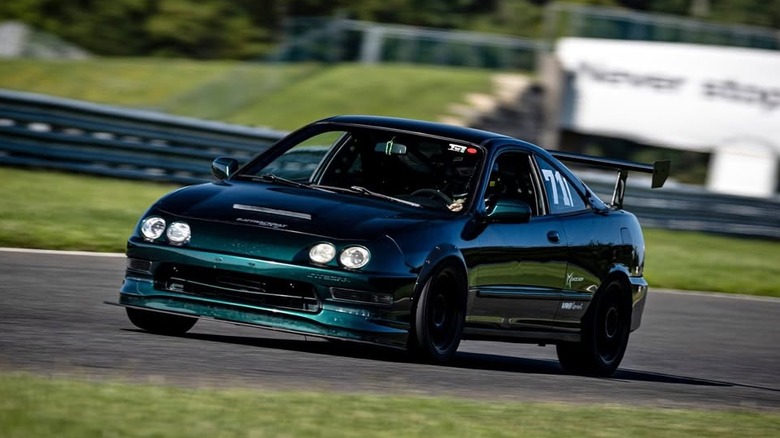
The amateur racing scene continues to drive demand for the Acura Integra, particularly the DC2 and DC4 chassis produced between 1994 and 2001. While pristine, original Type R models have reached six-figure prices at auctions, the "tuner" market remains focused on modified examples like the 2000 Acura Integra. The most significant development in this segment is the "K-swap"—replacing the original B-series engine with the more modern K20 or K24 powerplants from the RSX or TSX.
These swaps provide a significant increase in displacement and a much broader power band, making the Integra a formidable competitor in High-Performance Driver Education (HPDE) events and time trials. When paired with aerodynamic enhancements such as large rear wings and front splitters, these vehicles become dedicated track tools. Parallel to this is the niche market for short-track stock cars, such as the 2004 Howe Late Model. Unlike road-legal cars modified for the track, these are purpose-built tube-chassis racing machines. The Howe chassis is a staple in American short-track racing, designed for durability and ease of repair after the inevitable contact that occurs in oval racing. These listings demonstrate that for a specific segment of buyers, the lack of a title or road legality is a secondary concern to the vehicle’s competitive potential.
Historical Curiosities and the Post-Soviet Landscape: 1997 GAZ 31029 Volga
A notable outlier in the current market is the 1997 GAZ 31029 Volga. Produced by the Gorky Automobile Plant (Gorkovsky Avtomobilny Zavod), the Volga was historically the vehicle of choice for Soviet officials and the "nomenklatura." The 31029 model, introduced in 1992, was a transitional vehicle that combined the older GAZ-24 chassis with updated 1990s styling.
The presence of such a vehicle in the United States highlights the expanding interests of "Radwood-era" collectors who value historical context and rarity over raw performance. The Volga is powered by the ZMZ-402 engine, a design that prioritizes simplicity and ease of maintenance in harsh climates. Seeing a pristine example of a 1990s Russian sedan suggests a growing appreciation for the automotive history of the Eastern Bloc, a region whose vehicles were largely invisible to Western consumers during the Cold War.
The Compact SUV and Hot Hatch Legacy: Toyota RAV4 and Mazdaspeed3
The 1998 Toyota RAV4 Convertible serves as a reminder of a time when the compact crossover segment was still experimental. Before the RAV4 became the best-selling non-pickup vehicle in America, it was a quirky, lightweight SUV available in a two-door soft-top configuration. This model competed with the likes of the Suzuki Sidekick and Geo Tracker, offering a blend of Toyota’s legendary reliability with the open-air experience of a Jeep.
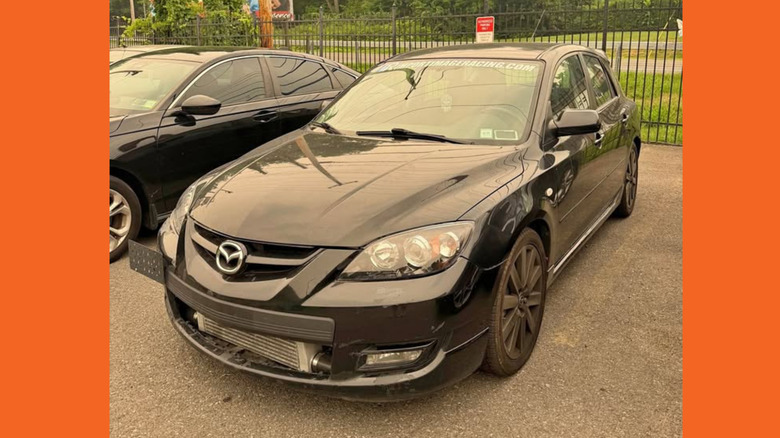
In contrast, the 2006 Mazdaspeed3 represents the "golden era" of the front-wheel-drive hot hatch. When released, the Mazdaspeed3 was known for its aggressive torque steer and its 2.3-liter turbocharged DISI engine, which produced 263 horsepower—a massive figure for a compact car in the mid-2000s. The Speed3 remains a popular choice for budget-conscious enthusiasts looking for a "sleeper" that can provide significant performance for a relatively low entry price.
Two-Wheeled Alternatives: From Mini-Motos to Heavy Tourers
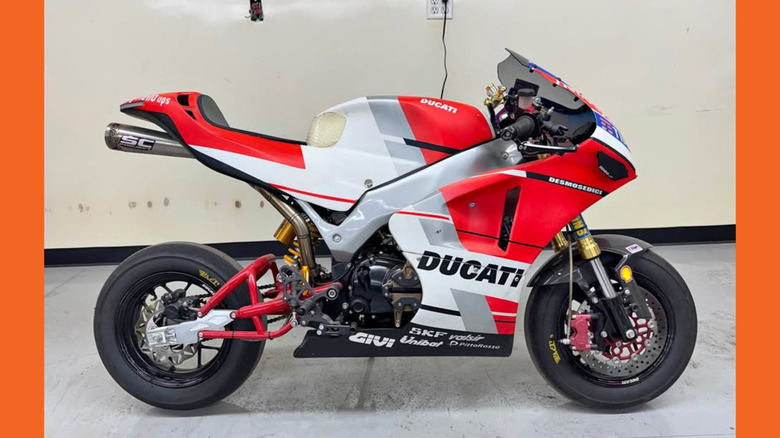
The used motorcycle market is currently seeing a divergence between the "mini-moto" craze and the traditional adventure-touring segment. The Honda Grom, represented here by a 2015 model with Ducati-inspired race fairings, has revolutionized the industry by proving that small-displacement (125cc) bikes can be highly profitable and culturally significant. The Grom’s popularity stems from its accessibility and the ease with which owners can customize it, often spending more on aftermarket suspension (like Ohlins) and exhausts than the original cost of the bike.
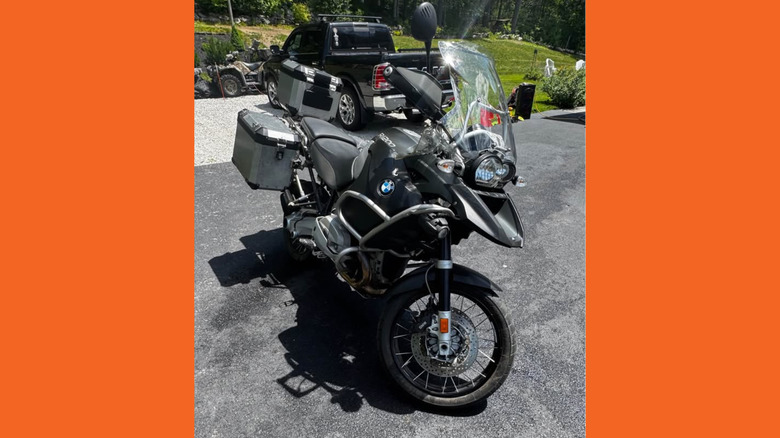
On the other end of the spectrum is the 2010 BMW R1200GS Adventure. The GS series has long been the benchmark for global travel, known for its "Boxer" twin-engine and shaft drive. High-mileage examples often appear on the market as owners upgrade to newer liquid-cooled models, yet the air-cooled 1200 series remains highly regarded for its reliability. Meanwhile, budget-conscious touring is represented by the 1987 Kawasaki Concours. This bike was Kawasaki’s answer to the Honda Gold Wing, offering a more sport-oriented touring experience. At a sub-$1,000 price point, it represents the "disposable" end of the market, where utility and functional mechanicals outweigh aesthetic perfection.
Market Analysis and Broader Implications
The diversity of these listings points to a maturing enthusiast market where "coolness" is no longer defined solely by high-end European supercars or American muscle. Several factors are driving this shift:
- The Rise of Digital Marketplaces: Facebook Marketplace and specialized auction sites have replaced traditional classifieds, allowing niche vehicles to find national audiences instantly.
- Import Liberalization: The 25-year rule has created a steady stream of "new" old cars from Japan and Europe, keeping the market fresh for enthusiasts who grew up seeing these cars in video games like Gran Turismo.
- The Analog Appeal: As modern cars become increasingly digital and autonomous, vehicles from the 1990s and early 2000s—like the Evo IX or the Mazdaspeed3—are becoming more desirable for their tactile driving experiences.
- Community-Driven Maintenance: Online forums and social media groups have made it easier to maintain rare imports. Information like the "Montero brake swap" for a Delica or the intricacies of K-swapping an Integra is now readily available to any DIY mechanic.
The presence of a $50,000 Mitsubishi wagon alongside a $750 Kawasaki touring bike illustrates the vast spectrum of the current automotive hobby. Whether driven by nostalgia, performance potential, or historical curiosity, the market for "dopest cars" shows no signs of slowing down, as enthusiasts continue to seek out vehicles that offer a distinct identity in an increasingly homogenized automotive world.