The Loophole That Changed the Global Auto Market: Used Chinese EVs Flood Western Nations at 40% Discounts Amid Rising Tariffs and Oil Shocks

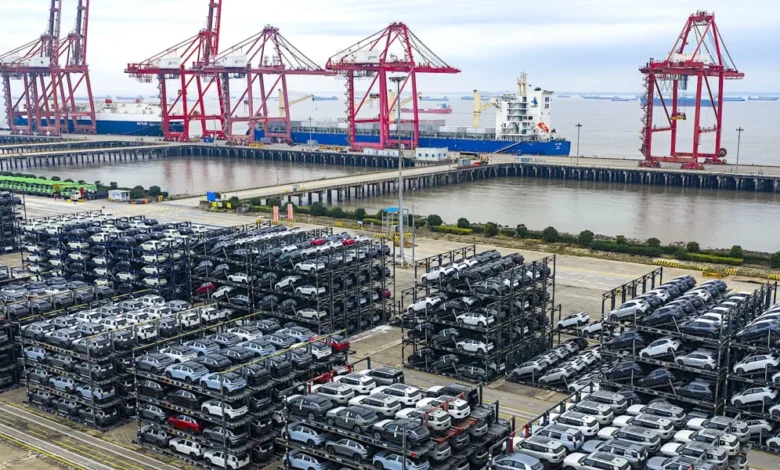
Global automotive markets are undergoing a seismic structural shift, driven by a convergence of geopolitical instability, protectionist trade policies, and rapid advancements in automotive technology. As macroeconomic pressures—exacerbated by ongoing conflicts in the Middle East—continue to inflate the cost of traditional internal combustion engine vehicles and new automobiles alike, Western legacy automakers face an entirely unanticipated challenge. While strict import quotas and steep tariff walls have successfully suppressed the influx of brand-new battery-electric vehicles (BEVs) from China into regions such as the European Union and North America, a flourishing secondary market has emerged. Importers, exporters, and savvy international consumers are increasingly pivoting toward pre-owned Chinese electric vehicles, exploiting a significant regulatory blind spot that allows high-tech, low-mileage models to enter Western markets at discounts reaching up to 40% off original manufacturer suggested retail prices (MSRPs).
The Genesis of the Trade Barrier and the Secondary Market Loophole
To understand the current phenomenon of used Chinese EV importation, one must examine the protectionist defensive measures erected by Western governments over the past several years. Faced with the unstoppable manufacturing scale, aggressive pricing, and advanced software ecosystems of Chinese automotive giants such as BYD, Geely, and Zeekr, Western policymakers turned to trade barriers to shield domestic industries. In the European Union, anti-subsidy investigations culminated in the implementation of punitive tariffs on new battery-electric vehicles imported from China, with duties climbing as high as 45.3% depending on the manufacturer and its level of cooperation with EU investigators. Similar protective measures, including heavy import levies and stringent volume caps, were enacted or proposed in various North American jurisdictions.
These legislative measures were explicitly designed to curb the direct import of new Chinese EVs, thereby granting legacy automakers—such as Volkswagen Group, Stellantis, and Ford—vital breathing room to restructure their operations, develop competitive next-generation platforms, and scale up domestic battery supply chains. However, these tariffs and import restrictions share a common legal and regulatory limitation: they apply almost exclusively to new vehicles.
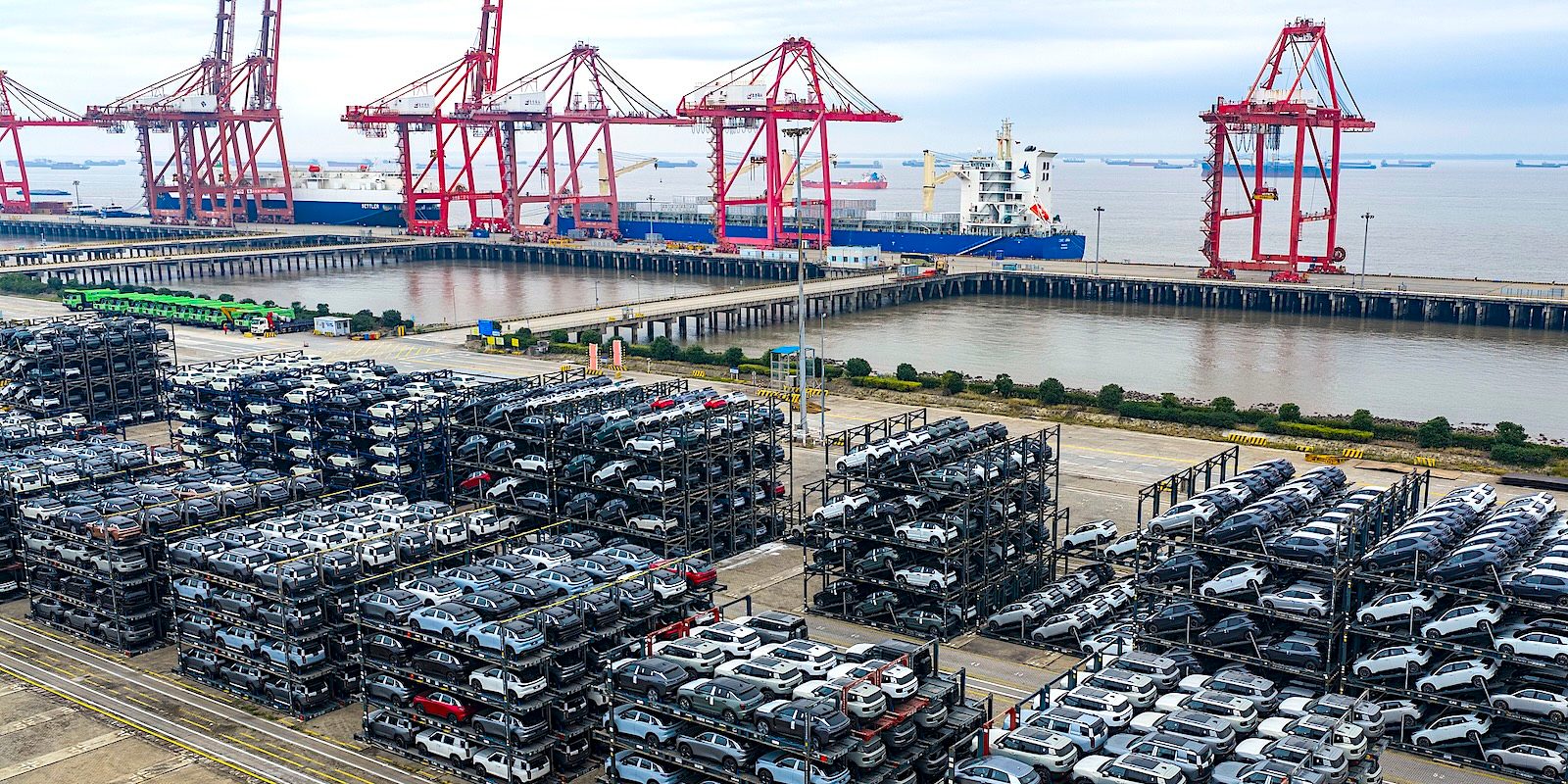
Pre-owned, second-hand automobiles bypass the stringent anti-subsidy duties levied on fresh factory inventory. Furthermore, hybrid import quotas and newly established caps frequently target primary market entries, leaving pre-owned plug-in hybrid electric vehicles (PHEVs) and fully electric models in a regulatory gray area. Recognizing this arbitrage opportunity, international vehicle brokerages have swiftly redirected their business models to supply Western buyers with vehicles that have barely been broken in on Chinese roads.
Explosive Growth in Pre-Owned Shipments to Europe and Beyond
The financial incentive for consumers navigating high inflation and elevated interest rates is unmistakable. According to comprehensive market data released by prominent automotive import-export platform China EV Marketplace (CEVM), pre-owned vehicle sales destined for European Union customers skyrocketed by an unprecedented 280% year-over-year. By the close of September, cumulative shipments to European buyers had surged to approximately 7,900 units—a figure that, while modest compared to total domestic sales, represents an exponential growth trajectory that has alarmed legacy auto executives.
Jakub Gerál, Chief Operating Officer of China EV Marketplace, highlighted the strategic pivot during a recent industry briefing. Tariffs have severely dampened consumer enthusiasm for brand-new Chinese BEVs across the European continent, while forthcoming hybrid import caps threaten to stifle new plug-in hybrid sales as well. Consequently, CEVM and competing export agencies have restructured their operations to make pre-owned vehicles the cornerstone of their Western business strategies. By focusing on secondary-market inventory, these logistics networks are able to deliver advanced mobility solutions directly to European driveways while entirely circumventing the punitive financial penalties designed to protect domestic manufacturers.
The Economics of Depreciation and the Velocity of Chinese Automotive Innovation

The pricing structure underpinning the used Chinese EV surge is rooted in unique domestic market dynamics within mainland China. The Chinese automotive sector is characterized by hyper-competition, relentless technological iteration, and a consumer culture that places a premium on possessing the absolute newest iterations of software, autonomous driving suites, and battery architecture. Because Chinese automakers release updated vehicle refreshes and entirely new platforms at a frequency that far outpaces traditional Western product cycles, vehicles experience accelerated perceived obsolescence domestically, even when their functional lifespan has barely begun.
Shanghai-based sourcing teams operating on behalf of international brokerages routinely scout domestic inventory for vehicles featuring exceptionally low odometer readings—frequently registering fewer than 6,000 kilometers (approx. 3,700 miles). Despite being practically brand new, these automobiles are acquired and resold at prices averaging roughly 40% below their original Chinese list prices.
This dramatic depreciation curve in the domestic market is further amplified by fierce price wars among domestic Chinese manufacturers, who have continuously slashed MSRPs on new models to capture market share. As new car prices drop domestically, the residual values of slightly used models adjust downward in tandem, creating an abundant supply of high-specification, high-tech inventory ripe for export. For a European or Canadian consumer priced out of the domestic new-car market—where inflation and supply chain bottlenecks have driven average transaction prices to historic highs—acquiring a late-model, technologically sophisticated Chinese EV at a 40% discount represents a compelling economic proposition.
Technological Disparity and the Vulnerability of Western Legacy Automakers
The availability of these pre-owned vehicles highlights a deeper, more systemic vulnerability facing Western automotive incumbents. For years, critics and industry analysts have warned that legacy automakers in Europe and North America have fallen behind their Asian counterparts in critical technological domains. These include vertically integrated battery production, cost-efficient electric vehicle architectures, advanced cabin infotainment systems, and competitive over-the-air software update capabilities.

While legacy brands wrestle with massive structural overhead, complex union negotiations, and sluggish software development cycles—exemplified by severe restructuring announcements, factory closures, and deep workforce reductions at industrial giants like Volkswagen—Chinese manufacturers have iterated at a breakneck pace. Brands operating under the Geely umbrella, such as Lotus, Volvo, Zeekr, and Lynk & Co, along with independent powerhouses like BYD and Nio, offer cabin experiences and range efficiencies that often surpass vehicles costing tens of thousands of dollars more in Western showrooms.
Industry observers note that the arrival of these vehicles via the secondary market completely upends the protective strategies devised by trade ministries. Tariffs were intended to buy legacy automakers time to close the technological and cost gap. However, market dynamics and consumer demand move with a velocity that bureaucratic trade policy struggles to match. Once consumers experience the financial and operational benefits of electric mobility—supported by extensive real-world data indicating exceptionally high retention rates among EV owners who refuse to return to internal combustion engines—their purchasing loyalty shifts permanently toward superior value and technology.
Broader Economic Implications and Future Outlook
The rise of used Chinese EV imports carries profound implications for global trade policy, environmental targets, and the future viability of Western automotive manufacturing. From a climate policy perspective, the influx of affordable pre-owned EVs accelerates the decarbonization of transport fleets in Europe and Canada by lowering the financial barrier to entry for lower- and middle-income households who otherwise could not afford a modern electric vehicle.
Conversely, for policymakers in Brussels, Berlin, and Washington, the trend exposes the limitations of unilateral tariff walls in a globally interconnected digital economy. If protectionist measures merely divert trade flows from primary to secondary markets without addressing the underlying cost and technological disadvantages of domestic automakers, trade barriers risk becoming a hollow gesture that ultimately isolates domestic consumers from affordable sustainable technology.

As logistics networks become more sophisticated and consumer awareness regarding the availability of pre-owned international inventory expands, the pressure on Western automakers will only intensify. Industry analysts anticipate that regulatory bodies will soon face mounting lobbying efforts from domestic auto associations demanding loophole closures, such as tightening restrictions on the age and emissions compliance of used vehicle imports or extending anti-subsidy provisions to the secondary market.
For now, however, the bridge between East and West remains open for pre-owned electric vehicles. As thousands of low-mileage, high-tech BYD, Geely, and Zeekr models continue to clear customs at major European and Canadian ports, they serve as a rolling testament to the reality that market demand and technological innovation will consistently find a path forward, regardless of the legislative roadblocks placed in their way.