First Look at the BMW i3 Touring as Neue Klasse Electric Wagon Breaks Cover Ahead of Global Debut

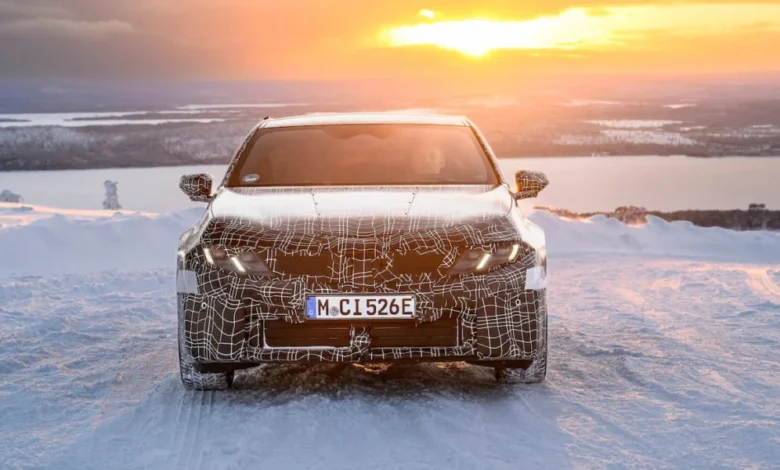
The automotive landscape is witnessing a pivotal transformation as BMW prepares to expand its next-generation electric vehicle lineup, with the recently spotted BMW i3 Touring marking a significant milestone in the German automaker’s transition to the Neue Klasse architecture. Following the high-profile launch of the i3 sedan last month, automotive photographers have captured the first images of the Touring variant, a vehicle that carries the heavy mantle of being BMW’s premier electric wagon. This sighting confirms that BMW remains committed to the "Touring" body style, a silhouette that has long been a staple of European driving culture, now reimagined for the zero-emission era.
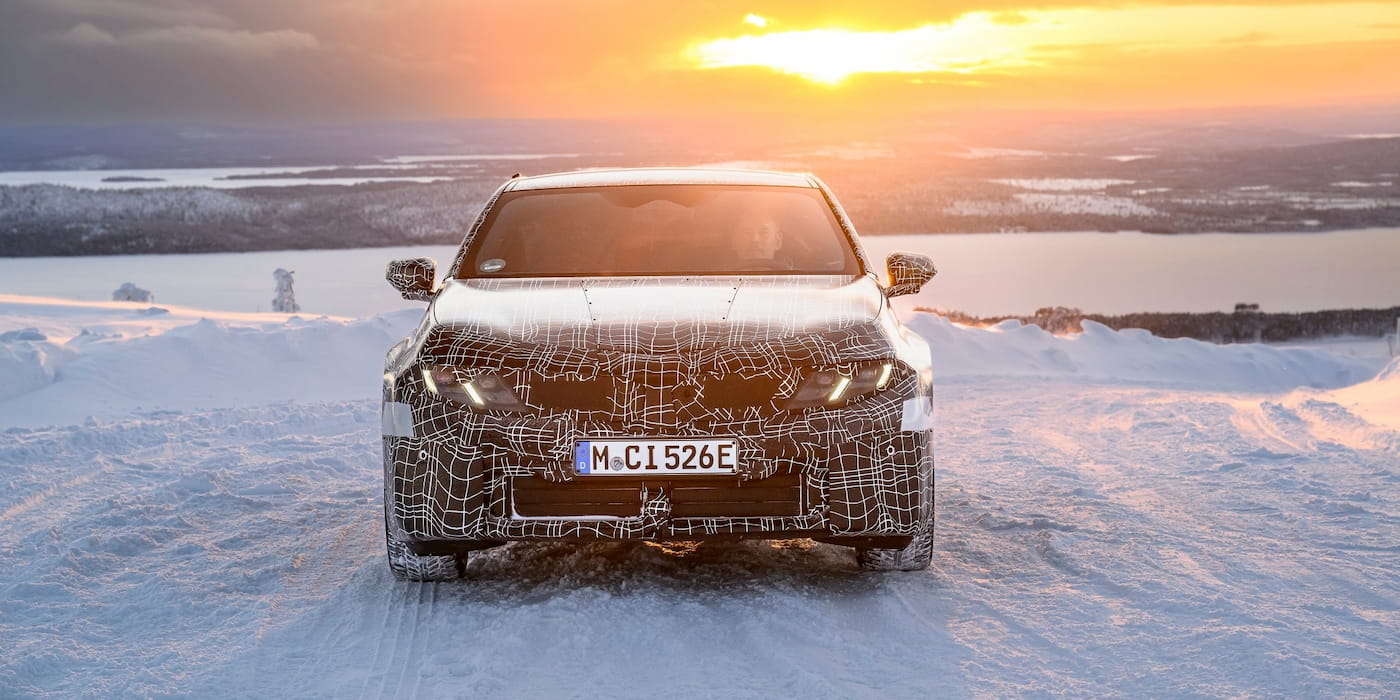
The BMW i3 Touring represents the third major pillar of the Neue Klasse rollout, following the initial introduction of the iX3 SUV and the i3 sedan. While the vehicle remains under heavy camouflage, the spy photos reveal a distinct departure from the traditional sedan profile. The Touring version features a considerably elongated rear section and a gracefully sloped roofline that tapers into a functional hatch. This design language suggests a blend of utility and aerodynamics, drawing comparisons to other modern electric fastbacks such as the Kia EV4, yet maintaining the classic proportions that BMW enthusiasts expect from a premium long-roof model.
Design Evolution and Aesthetic Language
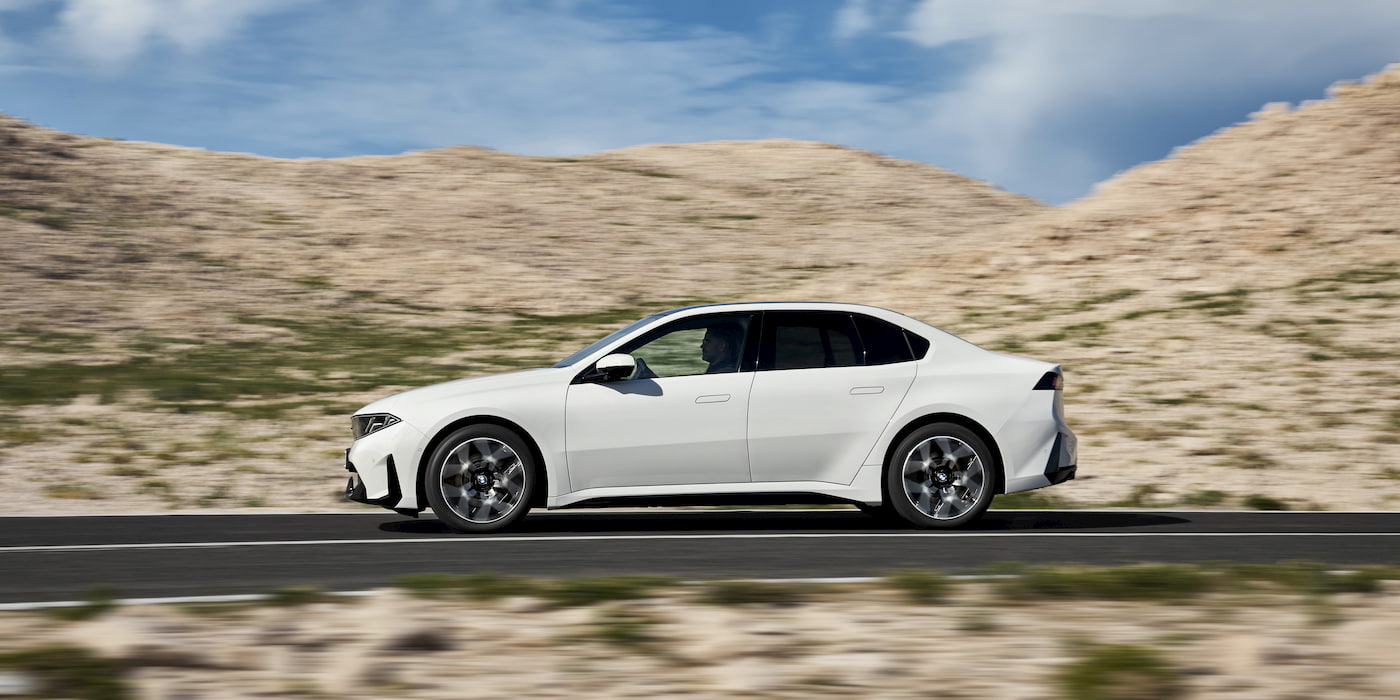
The front fascia of the i3 Touring is expected to mirror its sedan counterpart, embodying the minimalist yet aggressive design language introduced by the Vision Neue Klasse concept. This includes the reimagined "kidney grille," which now serves as a digital surface housing various sensors for driver-assistance systems rather than a traditional cooling intake. Flanking this grille are the new twin vertical LED headlights, a modern interpretation of the iconic four-eyed look that has defined BMW for decades.

Moving toward the rear, the i3 Touring emphasizes its utilitarian roots without sacrificing sportiness. The roofline extends further back than the sedan, providing a larger cargo area and improved headroom for rear-seat passengers. The transition from the C-pillar to the tailgate appears smoother than in previous internal combustion engine (ICE) 3-Series Touring models, likely a result of wind-tunnel optimization aimed at maximizing the vehicle’s electric range. The integrated rear spoiler and flush-fitting door handles further underscore BMW’s commitment to reducing drag, a critical factor for EVs designed for high-speed motorway travel.
The Neue Klasse Platform: A Technological Paradigm Shift
At the heart of the i3 Touring lies the Neue Klasse platform, a dedicated EV architecture that signifies BMW’s departure from the "power of choice" strategy, where platforms were shared between gasoline, hybrid, and electric powertrains. This new foundation allows for a radically different approach to vehicle packaging. By eliminating the transmission tunnel and optimizing the placement of the battery pack, BMW engineers have been able to maximize interior volume, giving the i3 Touring a cabin feel that punches well above its exterior dimensions.
The platform utilizes BMW’s sixth-generation eDrive (Gen6) technology. This system moves away from the prismatic battery cells used in the current Gen5 systems in favor of new cylindrical cells. These cells are 46 millimeters in diameter and come in two different heights. According to BMW’s technical briefings, these new cells offer a 20% increase in energy density, which, when combined with the vehicle’s improved aerodynamics and high-efficiency motors, contributes to a range increase of up to 30% compared to current models.
Battery Specifications and Performance Metrics
The i3 Touring is expected to utilize the same massive 108.7 kWh battery pack found in the high-trim sedan variants. In the sedan, this allows for a WLTP-rated range of up to 566 miles (912 km), positioning it as one of the longest-range electric vehicles available in the European market. While the Touring model’s larger rear surface area and slightly increased weight may result in a marginal reduction in range, it is still expected to comfortably exceed the 500-mile mark on the WLTP cycle.
For the North American market, where EPA testing standards are more stringent, the sedan is estimated to achieve approximately 440 miles on a single charge. The Touring variant, should it reach U.S. shores, would likely hover around the 410-to-425-mile range. Powering this range is an 800-volt electrical architecture, a significant upgrade from the 400-volt systems found in the i4 and iX. This allows for DC fast-charging speeds of up to 400 kW. Under optimal conditions, the i3 can regain roughly 250 miles of range in just 10 minutes, effectively addressing one of the primary concerns of long-distance travelers: charging downtime.
Interior Innovation: Panoramic Vision and Digital UX
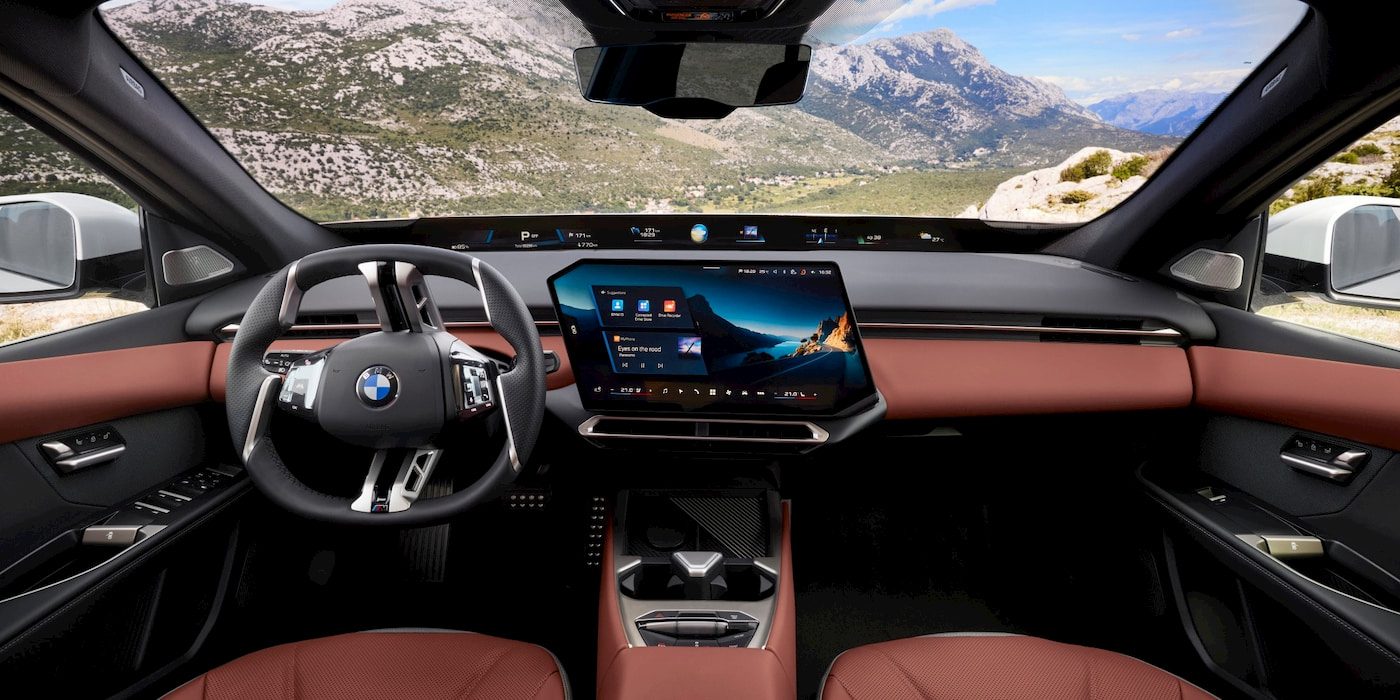
Inside, the i3 Touring will debut a cockpit that is almost entirely devoid of physical buttons, save for the federally mandated controls and the steering wheel inputs. The centerpiece of the interior is the BMW Panoramic Vision display. Unlike traditional head-up displays that project a small image onto the windshield, Panoramic Vision spans the entire width of the base of the windshield. This 43-inch display provides critical information to both the driver and the front passenger, ensuring that data is presented at the ideal line of sight.
Complementing the Panoramic Vision is a 17.9-inch floating central infotainment display. This screen serves as the hub for the BMW iDrive system, which has been redesigned to be more intuitive and touch-centric. The cabin materials also reflect a shift toward sustainability; BMW is increasingly utilizing recycled textiles and "mono-materials" that are easier to recycle at the end of the vehicle’s lifecycle. The absence of leather and chrome in favor of high-tech fabrics and ambient lighting creates a lounge-like atmosphere that aligns with the premium positioning of the Neue Klasse line.
Market Positioning and Pricing Strategy
BMW has already begun accepting orders for the i3 sedan in several key markets, providing a baseline for what consumers can expect regarding the Touring’s pricing. In Germany, the i3 50 xDrive First Edition is priced at €75,340 (approximately $86,400), while the standard model begins at €65,900 ($75,500). In the United Kingdom, the First Edition starts at £57,905 ($76,500) on the road, with the entry-level variant expected to arrive this autumn at £53,005 ($70,000).
Historically, BMW’s Touring models carry a premium of approximately €2,500 to €4,000 over their sedan counterparts. Given the added complexity of the electric tailgate and the specialized rear suspension tuning required for potentially heavier loads, the i3 Touring is expected to follow this trend. This positions the vehicle as a direct competitor to the Audi A6 e-tron Avant and the Volkswagen ID.7 Tourer, as well as high-end trims of the Volvo V60 Recharge, though the latter remains a plug-in hybrid.
Chronology of the Neue Klasse Rollout
The journey toward the i3 Touring began in earnest in 2023 with the unveiling of the BMW Vision Neue Klasse concept at the IAA Mobility show in Munich. This concept was more than just a design study; it was a manifesto for the brand’s future.
- September 2023: Reveal of the Vision Neue Klasse sedan concept.
- March 2024: Introduction of the Vision Neue Klasse X, previewing the successor to the iX3.
- June 2026: Official launch and order opening for the BMW i3 sedan in Europe.
- July 2026: First spy photos of the i3 Touring (the current milestone).
- Late 2026: Commencement of production at the revamped Munich plant.
- Early 2027: Expected global deliveries of the i3 Touring and the introduction of the model to North American markets with native NACS (North American Charging Standard) ports.
Production and Environmental Impact
The production of the i3 Touring is set to take place at BMW’s home plant in Munich. The company has invested over €650 million to transform this historic facility into a site dedicated exclusively to electric vehicle production by the end of 2027. This move is part of BMW’s "iFACTORY" strategy, which focuses on lean, green, and digital manufacturing processes.
Sustainability extends beyond the tailpipe. BMW aims to use 40% recycled materials in the construction of Neue Klasse vehicles, with a long-term goal of reaching 50%. The Gen6 battery cells are also produced using cobalt and lithium sourced from certified mines, and the cell manufacturing process itself utilizes renewable energy. This holistic approach to carbon neutrality is intended to appeal to the growing demographic of environmentally conscious luxury buyers.
Strategic Implications for BMW
The release of the i3 Touring is a calculated move to secure BMW’s dominance in the European "executive" segment. While SUVs continue to dominate global sales, the wagon remains a prestige symbol and a practical necessity for many European families and fleet buyers. By offering a Touring version of the i3, BMW ensures that it does not cede this territory to rivals like Audi or Mercedes-Benz, the latter of which has been more hesitant to commit to electric wagons in its EQ lineup.
Furthermore, the integration of the NACS port for the 2027 model year in the United States signals BMW’s pragmatism. By adopting the Tesla-developed connector natively, BMW is ensuring that its customers have seamless access to the most reliable charging network in North America, thereby removing one of the final hurdles to EV adoption for the brand’s traditional customer base.
As production nears, the automotive world awaits the official debut of the i3 Touring, which is expected to take place at a dedicated event later this year. With its combination of high-voltage performance, expansive range, and iconic styling, the i3 Touring is not just another electric car; it is a declaration that the "Ultimate Driving Machine" can survive and thrive in a post-combustion world.